Leave Your Message
Choosing Gym Dumbbells for a business is not simply a matter of selecting the heaviest set or the lowest price. Equipment affects member safety, training quality, cleaning routines, floor space, and long-term operating costs. The Health & Fitness Association reported that 72.9 million Americans used a fitness facility in 2023. That scale increases demand for durable, easy-to-manage strength equipment.
The American College of Sports Medicine’s Worldwide Survey of Fitness Trends consistently places strength training among important industry priorities. Meanwhile, the Sports & Fitness Industry Association’s 2024 Topline Participation Report recorded continued growth in fitness-related participation. These reports suggest a practical reality: more users may create more contact, impact, and maintenance pressure on every dumbbell rack.
Small details matter.
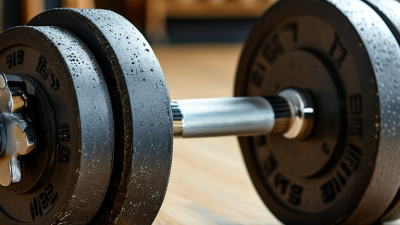
A commercial buyer should compare fixed and adjustable designs, weight increments, handle diameter, knurling, coating resistance, rack compatibility, and warranty coverage. A rubber-coated dumbbell may reduce noise on a busy training floor, while urethane can offer stronger odor and abrasion resistance. However, material claims should be checked against supplier specifications and actual samples.
The best purchase depends on usage patterns. A boutique studio may need compact pairs and attractive finishes. A high-volume gym may prioritize fast member access, reinforced heads, and replacement availability. Total cost includes freight, storage, cleaning labor, damaged flooring, and missing pieces. A neat spreadsheet still misses daily handling problems. Testing sample units with coaches and members can reveal awkward grips or unstable racks before a larger order. No choice is perfect; careful review remains part of professional purchasing.
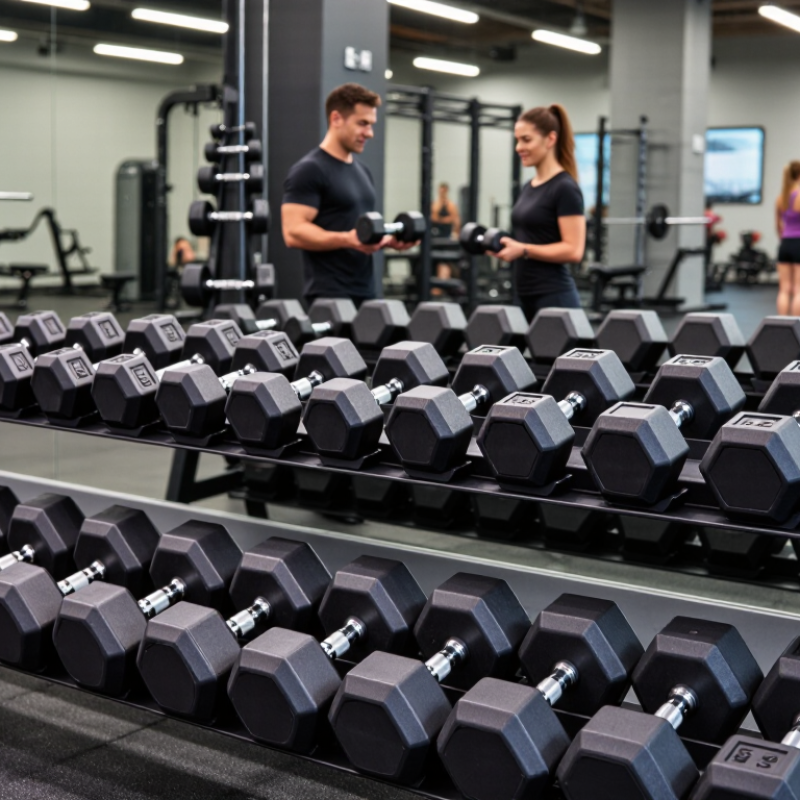
Choosing dumbbells starts with measuring how your facility will use them. The 2024 ACSM Worldwide Survey ranked traditional strength training fifth among global fitness trends. That signals steady demand, but not identical demand for every facility. Observe peak sessions for one week. Record class size, exercises, user experience, and the heaviest pairs repeatedly selected. A rehabilitation studio may need lighter, closely spaced weights. A performance gym may require heavier pairs and smaller jumps between loads. Talk with coaches, not only purchasing staff.
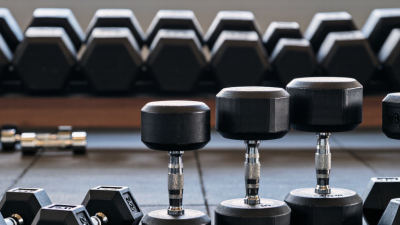
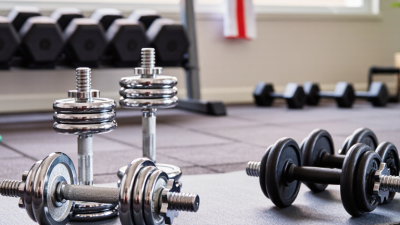
The 2024 Global State of the Health & Fitness Industry Report recorded about 184 million fitness-club members worldwide in 2023. More members can mean faster equipment turnover and crowded storage areas. Plan for both usage and handling. Fixed dumbbells suit busy circuits because users can change weights quickly. Adjustable systems save space but may slow transitions and need careful maintenance. Include rubber flooring, visible weight markings, and racks that keep handles above the floor. Check grip comfort after repeated sets, especially with sweaty hands. Small details matter.
Do not buy only for today’s strongest client. Review attendance data, membership forecasts, and class programming together. A 2.5-kilogram jump may be acceptable for experienced lifters but frustrating for beginners. That assumption deserves testing. Rent or trial a small selection when possible. Track damaged heads, loose handles, and unpopular increments for thirty days. The first equipment plan will probably need revision. That is normal. Reliable decisions come from real usage records, documented inspections, and feedback from the people lifting every day.
| Business Requirement | Typical Training Use | Recommended Dumbbell Specification | Suggested Weight Range | Recommended Quantity | Selection Considerations |
|---|---|---|---|---|---|
| Small Group Training Studio | Instructor-led strength, circuit, and functional training for small groups. | Fixed dumbbells with clear weight markings, durable coating, and a compact storage footprint. | 2.5–30 kg | 2–4 pairs per common weight | Prioritize versatile mid-range weights, quick access, and storage that supports frequent class changes. |
| General Fitness Gym | Free-weight exercises, machine-supported workouts, resistance training, and general conditioning. | Full fixed-dumbbell set with 2 kg or 2.5 kg increments; hex or round heads depending on floor and storage needs. | 2.5–50 kg | 1–3 pairs per weight | A broad range improves member coverage. Add more pairs of popular weights such as 10, 12.5, 15, and 20 kg. |
| Hotel or Residential Fitness Room | General wellness, light resistance training, mobility work, and short unsupervised workouts. | Rubber-coated fixed dumbbells or compact adjustable dumbbells with secure locking mechanisms. | 1–20 kg | 1 pair per weight or 3–6 adjustable sets | Choose low-noise materials, compact storage, and user-friendly weight changes for a broad, mixed-skill audience. |
| Personal Training Facility | One-to-one programming, rehabilitation support, hypertrophy training, and progressive strength work. | Combination of light precision weights, standard fixed dumbbells, and heavier pairs selected for individual clients. | 1–40 kg | 1–2 pairs per weight | Use smaller increments below 10 kg for controlled progression and include heavier options when client strength levels require them. |
| Strength and Performance Center | Heavy compound movements, unilateral training, athletic development, and advanced strength programs. | Heavy-duty steel or rubber-coated dumbbells with reinforced handles and high-impact resistance. | 10–70 kg | 1–2 pairs per weight | Evaluate handle diameter, grip security, head durability, floor protection, and the load capacity of storage racks. |
| Group Exercise Room | High-repetition classes, interval training, aerobic strength work, and synchronized routines. | Light fixed dumbbells with non-slip surfaces and consistent dimensions across weight levels. | 0.5–10 kg | 1 pair per participant plus 10% spare capacity | Uniform appearance and fast distribution are important. Use spare pairs to reduce disruption when equipment is misplaced or damaged. |
| Beginner-Focused Facility | Introductory resistance training, technique practice, and supervised movement instruction. | Light dumbbells with comfortable handles, high-visibility markings, and stable heads. | 1–15 kg | 2–4 pairs per common weight | Offer smaller increments and simple weight identification so new users can select equipment safely without assistance. |
| High-Traffic Commercial Gym | Continuous daily use by members with different experience levels and training goals. | Commercial-grade dumbbells with impact-resistant coating, corrosion-resistant handles, and permanent weight markings. | 2.5–60 kg | 2–5 pairs of popular weights; 1–2 pairs of specialty weights | Plan for high replacement demand, routine inspections, sufficient rack space, and a maintenance budget of approximately 3–8% annually. |
| Limited-Space Business | Multi-purpose training in compact studios, offices, apartment gyms, or mobile coaching environments. | Adjustable dumbbells or combination sets with secure plates and a dedicated storage case or stand. | 2–24 kg per dumbbell | 4–10 adjustable sets | Measure storage and clearance space before purchasing. Check adjustment speed, locking reliability, and user training requirements. |