2026 How to Choose the Best Adjustable Barbell for Workouts?
Selecting the right Adjustable Barbell for your workouts is crucial. Many people overlook how this choice impacts their fitness journey. An Adjustable Barbell offers versatility, allowing you to perform various exercises that target different muscle groups. However, not all barbells are created equal.
The search for the ideal Adjustable Barbell can feel overwhelming. Quality, weight capacity, and grip comfort are essential factors. You might find yourself questioning which features are truly necessary. It's important to prioritize your personal workout goals. Reflecting on your needs helps in making a more informed decision.
In this guide, we will explore key aspects you should consider when choosing an Adjustable Barbell. We will address your concerns, provide detailed information, and share insights from fitness professionals. By understanding the available options, you can select a barbell that enhances your workouts effectively. Aim for a balance between functionality and quality, ensuring you invest wisely in your fitness equipment.
How Adjustable Barbells Enhance Workout Versatility and Efficiency
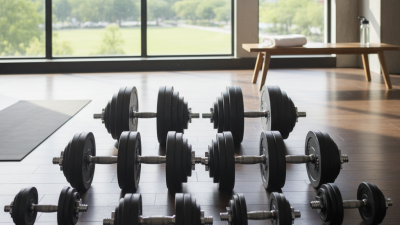
Adjustable barbells have transformed workouts, making them versatile and efficient. With just one piece of equipment, you can perform various exercises, from squats to deadlifts. This flexibility allows users to switch between weights easily, saving time during workouts. You can customize the weight for each set, helping to prevent plateaus and enhance strength gains.
Tips: Consider your space. Adjustable barbells can easily fit into smaller areas. Look for a model that allows quick weight adjustments. This is crucial for maintaining workout intensity. It's also important to check the comfort and grip of the barbell to avoid injury during exercises.
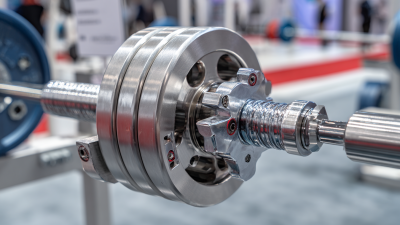
Another aspect is the durability of the adjustable mechanism. A poorly designed system may fail, leading to frustration mid-workout. Regularly inspect your equipment for signs of wear. If it feels flimsy, it’s time to reassess your choice. Ultimately, the goal is to find a balance between functionality and safety. Adjustability is excellent, but reliability cannot be overlooked.
Key Features to Consider When Selecting Adjustable Barbells
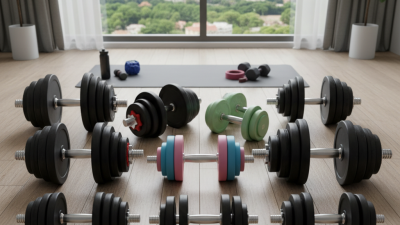
When selecting adjustable barbells, consider weight capacity. Ensure it matches your strength level. A barbell that cannot support your maximum lift can lead to injuries. Look for products that offer a good range of weights. This flexibility allows for progressive training. You want a barbell that grows with you.
Next, check for ease of adjustment. Some barbells have complex mechanisms. They can waste your time and disrupt your workout flow. A user-friendly adjustment system saves time and maximizes efficiency. Simplicity in design matters. You should focus on barbells that you can easily modify during workouts.
Also, look at the grip and overall comfort. An uncomfortable grip can lead to poor performance and fatigue. Pay attention to grip size and texture. It affects your lifting experience. Many users overlook this factor. They regret it later on. Take your time to adjust and find the right fit for you. Each element contributes to your overall performance.
2026 How to Choose the Best Adjustable Barbell for Workouts? - Key Features to Consider When Selecting Adjustable Barbells
| Feature |
Description |
Importance |
| Weight Range |
The total adjustable weight capacity of the barbell, which typically ranges from 5 to 100 lbs or more. |
High - Allows users to progress in strength training. |
| Adjustment Mechanism |
Method of changing the weight, such as twist-lock, quick-release, or pin design. |
Medium - Affects convenience and time efficiency during workouts. |
| Grip Comfort |
Features like rubberized grips or ergonomic designs to enhance lifting experience. |
High - Reduces the risk of injury and improves lifting performance. |
| Size and Storage |
Overall dimensions and design for compact storage options. |
Medium - Important for home gym setups with limited space. |
| Material Quality |
Durability of materials used, such as steel or plastic components. |
High - Affects lifespan and safety during use. |
| Weight Increments |
The smallest weight change possible, allowing for fine-tuning of workouts. |
Medium - Supports gradual progression in training. |
Weight Range Options: Finding the Right Resistance for Your Fitness Level
Choosing the right adjustable barbell can significantly impact your workouts. Understanding the weight range options is key. Most adjustable barbells offer a range from 5 to 100 pounds. This variety allows you to tailor your resistance to your specific fitness level. According to a 2022 report from the American College of Sports Medicine, customizing resistance not only boosts strength but also enhances overall fitness outcomes.
When selecting a weight range, consider your current strength level. Beginners may start with lighter weights, while more experienced lifters require heavier options. A recent study showed that individuals who gradually increase their weights see a 30% improvement in strength over six months. This progress highlights the importance of finding a barbell that can grow with you.
Tips: Always test the adjustable mechanisms. Some models may have clunky or unreliable adjustments, which can disrupt your workout. Ensure you're comfortable with the weight distribution. An uneven load can lead to poor form and potential injuries. Finally, reflect on your progress regularly. Adjusting your barbell’s resistance can keep your workouts challenging and effective.
Material Quality and Durability: Ensuring Long-lasting Performance
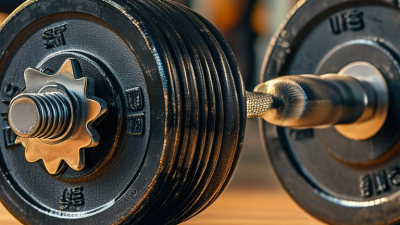
When selecting an adjustable barbell, material quality and durability are essential factors. Many users may overlook these aspects, focusing instead on price or design. However, the longevity of the equipment relies heavily on its materials. Research indicates that high-quality steel components can withstand heavy lifting better than cheaper alternatives. A study by the International Fitness Equipment Association highlights that barbells made from alloy steel show 30% less wear over time.
Durability also impacts safety during workouts. A barbell that bends or breaks can lead to serious injuries. According to the American Council on Exercise, poor-quality equipment is linked to 40% of gym injuries. Users should pay attention to the finishes on barbells, as protective coatings prevent rust and corrosion. While it may seem trivial, a textured grip enhances user experience, ensuring a secure hold during lifts.
Reflecting on available options, some adjustable barbells can lose functionality over time due to inferior materials. Many users report issues like sticking mechanisms or loose weights, which compromise the workout. Therefore, it's vital to consider not just the initial investment but also the long-term performance. Investing in high-quality materials ultimately leads to more effective and safer workouts.
Comparative Analysis of Popular Adjustable Barbell Models in 2026
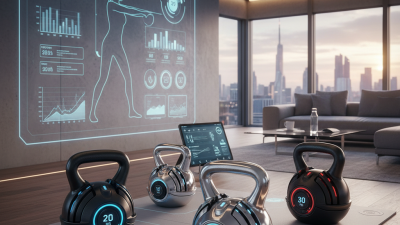
When selecting an adjustable barbell, understanding the available models is crucial. In 2026, various designs cater to different workout styles and user preferences. A few popular models stand out due to their versatility and ease of use. Many users appreciate adjustable bells that allow rapid weight changes, making workouts more efficient. The user experience often reflects whether they prefer a compact design or a more traditional look.
Some models feature innovative locking mechanisms. These enhance safety during lifting sessions. However, some users report challenges with durability after frequent use. Others find the adjustment process too tedious. Weight ranges also vary significantly between models. Users should analyze their fitness goals. This helps in choosing the barbell that suits them best.
In terms of build quality, materials are an essential consideration. Steel or high-grade plastics often feature in different models. Fairly priced units might compromise on longevity. Users may need to weigh their budgets against their long-term fitness goals. Balancing cost and quality is not always straightforward, leaving room for reflection. Choosing the right adjustable barbell can be tricky, but thorough research and consideration of personal needs can lead to an informed decision.
2026 Comparative Analysis of Adjustable Barbells