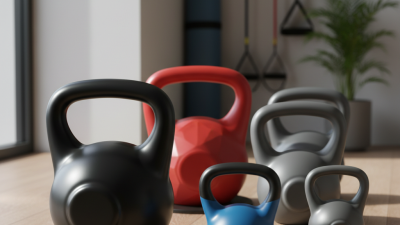
Choosing a Heavy Kettlebell is not a contest in toughness. The right weight should challenge your muscles while letting you control every repetition. Pavel Tsatsouline, a prominent kettlebell coach, is associated with the principle, “Strength is a skill.” That idea matters here: good training depends on sound movement, not simply lifting the heaviest bell available.
Start with the exercises you plan to do. Swings, goblet squats, presses, and Turkish get-ups place different demands on your body. A bell that feels manageable for two-handed swings may be too heavy for controlled overhead work. Test a few basic movements with a qualified coach when possible. Notice whether your grip stays secure, your back remains steady, and each repetition looks consistent. Small details count.
Fit matters, too. Check the handle’s width and finish; your fingers should close around it without painful pressure. The bell should rest comfortably against your forearm during a rack position. If you train at home, consider storage space and whether the floor can handle repeated set-downs. Avoid choosing by body weight alone. Training history, mobility, and technique all affect what feels appropriate.
Be honest about your limits. A lighter bell can build skill. A heavier one can expose gaps in control. Not always comfortable. That is useful information, not a reason to force extra weight. This guide will compare weight selection, handle design, materials, and practical testing, while noting where individual needs differ.

How to Choose the Best Heavy Kettlebell?
Understanding What Makes a Kettlebell Heavy
A kettlebell is heavy when its load challenges your strength without breaking your control. There is no single weight that suits every person. Your training experience, body size, and chosen exercise all matter. A weight that feels manageable for deadlifts may be too demanding for overhead presses. That difference matters.
Pay attention to how the bell moves, not just how it feels in your hand. During a few controlled repetitions, check whether you can keep your wrist straight, brace your torso, and lower the weight smoothly. If your grip slips or your back rounds, the bell may be too heavy for that exercise today. Stop if you feel sharp pain. Easy enough? Not always. A weight can feel light for the first two swings and become difficult as fatigue builds. That’s why a quick test is useful, but imperfect; it cannot predict every workout. Leave room to adjust, and treat good technique as a better measure than pride.

Choose a kettlebell by movement, not by a single strength number. For a starting check, try controlled goblet squats or presses with a weight you can move smoothly. The American College of Sports Medicine’s 2009 resistance-training position stand suggests 8–12 repetitions for many novice and intermediate strength programs. If your final repetitions turn into a grind, the bell is probably too heavy for that exercise. Not a perfect test. Your press and swing may need different weights.
Skill matters as much as strength. Practice the hip hinge with a light bell before adding load to swings; watch for a rounded back, rushed repetitions, or a hard, unstable grip. A heavy bell can hide weak technique until fatigue sets in. The ACSM guidance also recommends increasing load by 2–10% when you can exceed your target by one or two repetitions. Kettlebell jumps can be larger than that, so progress only when control stays steady.
Match the bell to your goal. For strength, choose a load that challenges a few clean repetitions; for conditioning, use a lighter bell you can move repeatedly without losing form. A 2010 American Council on Exercise study reported an average 20.2 calories burned per minute during a 20-minute kettlebell workout among 20 participants. That small study measured one workout, not an ideal bell weight. Use it as context, not a prescription. If form slips, reassess. I’d rather repeat a lighter session than pretend a heavier bell is better.
How to Choose the Best Heavy Kettlebell? Comparing Kettlebell Materials, Shapes, and Handle Sizes
Material affects feel and durability. Cast iron kettlebells are common and sturdy, but their handles and bodies can vary between weights. Competition-style bells are usually steel, with more consistent dimensions across sizes. That consistency can help when you increase weight without changing your hand position. Coatings may improve comfort, though thick or uneven finishes can feel slippery. Check the handle and bell for rough seams. Feel matters.
Shape changes how a kettlebell moves against your wrist and forearm. A compact traditional bell may suit swings and deadlifts, while a competition shape can offer a similar fit for cleans and presses at different weights. Handle size deserves a close look: a wide handle may allow a two-handed grip, but an oversized diameter can tire your fingers quickly. Try holding the bell with both hands and making a controlled hinge. I can see why shoppers focus on weight first; I would still compare grip comfort before committing.
Tips: Check that the bell sits flat, the handle feels smooth, and your fingers can wrap around it securely. If possible, test a few handle widths. A tiny difference matters. Don’t ignore wrist comfort.
| Feature | Traditional Cast Iron | Competition-Style Steel | Coated Cast Iron | Adjustable Kettlebell |
|---|---|---|---|---|
| Construction | Usually a single cast piece; the handle and bell are one unit. | Typically hollow steel construction with a standardized competition-style outer shape. | Cast-iron body with a protective surface layer, such as powder coating or vinyl. | A handle and shell hold removable weight plates; construction varies by design. |
| Shape and size | Dimensions generally increase with weight, so heavier bells are often larger. | Many competition-style bells keep similar outer dimensions across weight options. | Similar to traditional cast iron; the coating may slightly change the surface feel. | One outer shell serves multiple settings, so the bell’s overall size may not match each selected weight. |
| Handle feel | Handle width, diameter, and window shape vary between models and weights. | Often designed with a consistent handle position and grip geometry across a weight range. | Grip texture depends on the coating; some finishes can feel smoother or more grippy than bare iron. | Handle shape and clearance depend on the design; check that the plates do not restrict hand space. |
| Typical grip considerations | Compare handle diameter and usable width in person or against the seller’s measurements; neither is universal. | Competition-style handles are often relatively consistent within a product line, but dimensions still vary. | Check whether the finish stays comfortable during high-repetition or two-handed movements. | Confirm that the handle remains secure and comfortable at every weight setting. |
| Advantages | Simple, durable construction and a familiar feel for general strength and conditioning. | Consistent positioning can help when practicing technique across different weights. | The surface layer can help protect floors and reduce direct contact with bare metal. | Several weight settings can save storage space and reduce the need to buy multiple bells. |
| Trade-offs | Different weights may feel and sit differently in the hand because dimensions can change. | May feel unfamiliar compared with traditional bells; the standardized shape is not identical across all makers. | Coatings can wear or chip over time, especially if the bell is dropped or handled roughly. | Changing weights takes time, and the mechanism needs to be checked and secured according to its instructions. |
| Best suited to | Home or gym users who want a straightforward bell for swings, squats, carries, and presses. | Users who train sport-style movements or want similar positioning across several weights. | Users who prefer a coated surface and want added protection for the bell or training area. | Users with limited storage who need a range of loads in one piece of equipment. |
| What to check before buying | Actual weight, base stability, handle opening, grip diameter, and finish. | Actual weight, handle diameter and width, inner handle clearance, and surface finish. | Coating type, grip texture, coating coverage, handle dimensions, and care instructions. | Weight increments, locking mechanism, maximum load, hand clearance, and adjustment instructions. |
| Heavy-bell selection tip | Choose a load you can control with sound technique, and check the handle measurements against your grip and intended exercises. For two-handed swings, confirm that the handle offers enough usable width; for cleans and presses, consider how the bell rests against your forearm. | |||
Note: Handle dimensions, bell proportions, and coatings vary by model. Product measurements are more reliable than assuming a universal standard; if possible, test the grip before purchasing.
A heavy kettlebell should challenge you without changing how you move. Start with a weight you can lift from the floor, hold close to your chest, and set down quietly. If your wrist bends back or your shoulders tense during a simple press, the bell may be too heavy for that exercise. Control comes first. A weight that feels manageable for deadlifts may be unsuitable for overhead work, so judge each movement separately.
Test a few slow repetitions before adding speed. Your feet should stay planted, your grip should feel secure, and your back should remain steady during hinges. For swings, learn the hip-hinge pattern with a lighter bell before moving heavier; momentum can hide poor control until your form slips. Stop if you feel sharp pain, dizziness, or unusual strain. I’ve found that enthusiasm can make a heavy bell seem like the right choice too soon. That deserves a second thought. If you’re new to strength training or have an injury, ask a qualified professional for guidance.
A heavy kettlebell should feel solid before it feels impressive. Check the body for cracks, deep pits, or uneven casting, especially around the handle and its attachment points. A rough patch may be cosmetic, but sharp edges can irritate your hands during repeated swings. Run a cloth over the handle; snagging fibers can reveal burrs you might miss by sight. The base should sit flat without rocking on a hard floor. Small detail. Also check that the weight marking is clear and the listed weight matches the product information. I would not assume a thick coating means better protection; chipped paint can expose metal and make care harder.
Practical fit matters just as much as construction. Measure the handle opening against your hand, and consider whether both hands can hold it comfortably. A handle that feels fine for a few seconds may become awkward during longer sets. Look for enough clearance between the handle and bell, plus a smooth transition where your wrist rests. These details are easy to overlook when shopping from photos. If possible, test the grip with dry hands and a relaxed hold, not a death grip. Check the return terms and care guidance, too. One honest caveat: no finish stays pristine forever, and a little wear is normal. The useful question is whether the bell remains stable, comfortable, and easy to inspect as it ages.
Common kettlebell weight options. Pounds are approximate conversions from kilograms.
Choose a weight you can control with sound technique; heavier is not automatically better. Before buying, check that the handle feels comfortable, the base sits flat, and the finish has no obvious cracks, sharp edges, or loose coating. Handle shape and dimensions vary between kettlebells, so check the product measurements when possible.