Leave Your Message
Choosing the right Adjustable Dumbbells can make a small home workout area feel far more useful. But the “best” pair depends on your training, budget, and available space. A model that suits a strong lifter may feel awkward for someone learning basic movements. Strength coach and author Dan John’s reminder, “Keep the goal the goal,” is useful here: choose equipment that supports consistent training, not just impressive specifications.
This guide compares ten popular options by weight range, adjustment increments, grip comfort, selector design, storage needs, and price. Those details matter when you are changing weights between sets or placing a stand beside a crowded bench. We also consider whether the adjustment system feels straightforward and whether the stated weight range suits common exercises. Small differences count. A bulky handle can affect a press, while large weight jumps may limit gradual progression. Product specifications cannot tell the whole story, though; comfort and convenience vary from person to person. No ranking is perfect. Use the comparisons as a practical starting point, then check current product details before buying. The goal is a pair you can adjust safely, store easily, and reach for often. Not the flashiest one.
An adjustable dumbbell’s mechanism affects more than convenience; it shapes setup speed, handling, and confidence between sets. Selector-pin models use a pin or handle selector to engage chosen plates. Check that the pin sits fully in its slot before lifting. A partial engagement can leave plates unsecured. The design is straightforward, but alignment may feel fiddly when your hands are sweaty.
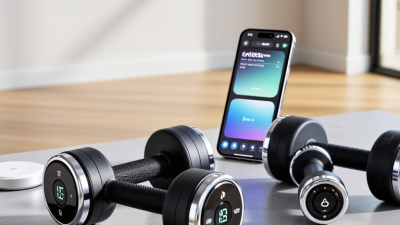
Dial systems let you turn a selector, often while the dumbbell rests in its cradle. Internal parts then connect the handle to the selected plates. Listen and look for clear engagement, and keep the handle aligned during changes. Very quick. Still, a smooth dial is not proof that every plate is secured; check the setting before each lift.
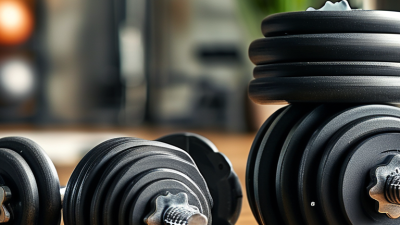
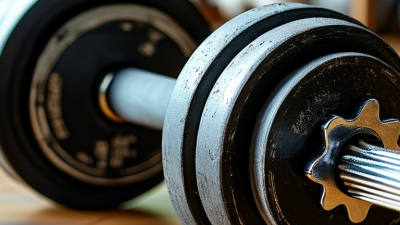
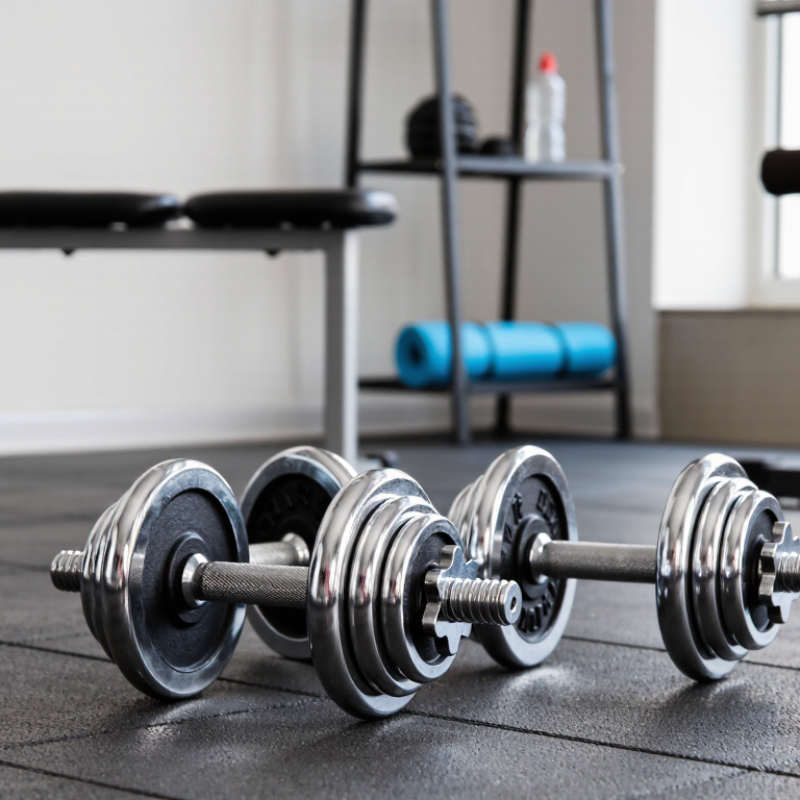
Plate-lock systems rely on collars or locks that you tighten by hand. They take longer to adjust, but the process makes each plate’s retention visible. Check that locks are snug and plates sit evenly, especially after moving the dumbbell. One easily missed trade-off is that speed can encourage rushed checks. Try the mechanism at a light setting first, and notice whether it feels secure without forcing parts into place.
| Rank | Adjustable Dumbbell Type | Typical Load per Dumbbell | How Weight Is Selected | Typical Adjustment Pattern | Main Advantages | Important Trade-Offs | Best Suited For |
|---|---|---|---|---|---|---|---|
| 1 | Selector-pin system | Often about 5–50 lb (2.3–22.7 kg); capacity varies by model | A pin is moved to the position marked for the desired load, engaging the selected plates. | Commonly 5 lb (2.3 kg); some designs offer smaller increments. | Clear selection process and relatively quick weight changes. | The pin must be fully seated before lifting; the handle generally needs to be returned to its tray for adjustment. | Home workouts with frequent changes between moderate loads. |
| 2 | Dial-and-tray selector system | Common examples span roughly 5–50 lb (2.3–22.7 kg) | A dial selects a load, and the handle is lifted with the matching plates retained. | Often 2.5–5 lb (1.1–2.3 kg), depending on the plate arrangement. | Convenient, fast selection without manually adding individual plates. | Requires careful docking; the dial and internal plate-engagement parts need to remain unobstructed. | Users who prioritize quick transitions and a compact storage footprint. |
| 3 | Twist-handle selector system | Common configurations are around 5–50 lb (2.3–22.7 kg) | Rotating the handle or a handle-end selector engages a chosen plate combination. | Often 2.5–5 lb (1.1–2.3 kg). | Weight can often be changed with a simple turning motion. | Selection may be limited to specific handle positions; the dumbbell usually needs to sit in its base while changing weight. | Training sessions that use several loads and benefit from straightforward adjustment. |
| 4 | Fine-increment dial selector | Varies by design; many compact systems top out near 50 lb (22.7 kg) per hand | A dial or selector combines the main plates with smaller incremental weights. | May include 2.5 lb (1.1 kg) steps or other small increments. | Allows more gradual load increases than systems with larger fixed jumps. | More selection positions can make the mechanism more involved; fine steps do not guarantee a higher maximum load. | Progressive strength training where smaller weight increases are useful. |
| 5 | Selector pin with expanded plate stack | Some configurations reach approximately 70–90 lb (31.8–40.8 kg) per dumbbell | A pin or selector engages a larger stack of plates housed in a base. | Often 5 lb (2.3 kg), with increments dependent on the plate stack. | Provides a higher potential load while retaining a selector-style adjustment. | The unit and base can be larger and heavier; verify that the chosen setting is fully engaged before use. | Experienced lifters seeking heavier selectable loads at home. |
| 6 | Plate-lock collar system | Depends on handle length and plate selection; loadable handles commonly support a broad range | Weight plates are placed on the handle and secured with locking collars. | Flexible; load changes depend on the plates available. | Simple mechanical design and freedom to choose compatible plates. | Changing weight takes longer, and collars must be tightened and checked regularly. | Users who value a straightforward, serviceable setup over rapid changes. |
| 7 | Threaded spinlock handle | Varies with handle and plate capacity; many home sets are adjustable to several dozen pounds per hand | Plates slide onto a threaded handle and are retained by screw-on collars. | Flexible, based on available plate sizes. | Mechanically simple, with many compatible plate options in standard formats. | Requires turning collars during each change; collars need to be secure before lifting. | Budget-conscious home gyms and slower-paced workouts. |
| 8 | Quick-lock collar handle | Depends on handle design and compatible plates | A cam, clamp, or other quick-release collar secures plates on the handle. | Flexible, based on the plates used. | Can make plate changes faster than a traditional threaded spinlock. | Collar compatibility and secure locking are essential; check the lock before every set. | Plate-based training where faster changes are desirable. |
| 9 | Loadable short-bar handle | Capacity depends on the handle’s rated limit, sleeve length, and plates | Standard-format plates are loaded onto short bar-style handles and secured with collars. | Flexible; the smallest increase is determined by the available plates. | Offers broad load flexibility and can suit users who already own compatible plates. | Longer plates or sleeves can affect balance and clearance; confirm the handle’s rated capacity. | Heavy training and home gyms with existing plate inventory. |
| 10 | Compact selector system with low starting load | Often starts around 2.5–5 lb (1.1–2.3 kg); maximum load varies by model | A pin or dial selects a small plate combination from a compact base. | May offer small early increments, depending on the design. | A lower starting weight can be useful for lighter exercises and gradual progression. | Compact designs may have a lower maximum load or a handle shape that feels different from a fixed dumbbell. | Beginners, lighter accessory exercises, and space-limited training areas. |
Note: Load ranges and increments are representative examples, not standardized specifications. Actual capacity, adjustment steps, and operating instructions vary by design. Always follow the unit’s instructions and confirm that pins, dials, or collars are fully secured before lifting.