Leave Your Message

Who Are the Top Gym Dumbbell Manufacturers in China?

Choosing the right Gym Dumbbells manufacturer in China involves more than comparing prices. Buyers need to consider product consistency, materials, finish, available weight ranges, and how well a supplier communicates. A low quote may look attractive, but details such as coating durability and handle knurling matter after months of regular use.

This guide explores what makes a manufacturer worth considering and how to compare suppliers with practical criteria. Look for clear product specifications, quality-control procedures, customization options, and responsive support. Ask how weights are checked, what packaging protects dumbbells during shipping, and whether samples are available for evaluation. These details help turn broad claims into questions a buyer can actually verify. Small details matter.

“Top” does not always mean the same thing. A gym equipment distributor may value stable bulk supply, while a boutique fitness brand may prioritize custom colors and packaging. Public company profiles and product catalogs can offer useful clues, but they cannot replace direct checks or sample testing. That limitation deserves attention.

The sections ahead provide a framework for assessing Chinese gym dumbbell manufacturers without treating any single supplier as the automatic best choice. Compare evidence, confirm specifications, and consider how each factory’s capabilities fit your intended market. Even a careful shortlist can miss something. A good decision comes from asking precise questions and checking the answers against the product in hand.
Who Are the Top Gym Dumbbell Manufacturers in China?

China’s Gym Dumbbell Manufacturing Industry

China’s gym dumbbell industry is part of a much larger sports manufacturing base. The General Administration of Sport of China’s Statistical Bulletin on the 2023 National Sports Industry puts total industry output at RMB 3.67 trillion, with value added of RMB 1.49 trillion. These figures cover the whole sports economy, not dumbbells alone. That distinction matters.

Production often involves several stages: casting or forging, machining, surface coating, assembly, and packing. Small differences in handle diameter or weight can affect how a set feels in use. Buyers should check weight tolerances, coating adhesion, and carton protection with sample inspections. A polished finish alone proves little. Still, factory claims and sample results may not match perfectly, so repeat checks are sensible.

The bulletin shows the scale of China’s wider sports sector, but it does not break out dumbbell production or export values. That is a real data gap. For sourcing decisions, combine official sector statistics with factory-level evidence: batch inspection records, material specifications, and production capacity during peak orders. A detailed audit takes time, yet it can reveal issues that a catalogue cannot.
Criteria for Identifying Leading Dumbbell Manufacturers

Choosing a leading gym dumbbell manufacturer takes more than comparing catalog prices. Inspect the product itself: handle knurling, grip diameter, and the balance between handle and heads. A dumbbell should feel stable when lifted, not rotate unexpectedly. Small details matter. Ask for material specifications, including core composition and coating thickness, rather than accepting broad terms such as “commercial grade.”

Production control is equally important. Request a sample from a normal production run, then check several pairs with a calibrated scale. Examine seams, sharp edges, coating bubbles, and whether end caps stay secure after repeated handling. Ask how incoming steel, machining, finishing, and final inspection are recorded. Clear inspection records are stronger evidence than polished factory photos. If you review third-party test reports, confirm their methods match the dumbbell design and intended use.

A capable supplier should explain minimum order quantities, lead times, packaging, and how defects are handled. Specific answers help. Compare promised capacity with equipment, staffing, and recent output; a large facility does not guarantee consistent batches. Communication matters too: can the team clarify dimensions and address a sample issue without vague replies? No checklist is perfect. A rushed audit may miss problems, and one good sample cannot prove every shipment will match. Keep agreed specifications in writing and check incoming goods.

Notable Gym Dumbbell Manufacturers in China

Who Are the Top Gym Dumbbell Manufacturers in China?

Notable Gym Dumbbell Manufacturers in China

China’s dumbbell suppliers range from high-volume factories to specialist producers. Their differences show in material choices, finish consistency, and order flexibility. Some offer cast-iron or steel weights, rubber coatings, and custom handles. Others focus on repeatable standard sets for gyms and distributors. The ACSM’s 2025 Worldwide Survey of Fitness Trends ranked traditional strength training fifth. That signals lasting interest in strength equipment, but it does not rank manufacturers or verify product quality.

A useful shortlist starts with production evidence, not polished catalog photos. Ask about weight tolerances, coating adhesion, handle knurling, and inspection records. Request samples from more than one production batch. Check how packaging protects edges and handles during shipping; small dents can become costly complaints. Export experience and clear communication matter, too. Yet factory audits can miss daily variation. A tidy showroom proves little.

Tips: Compare sample weights on a calibrated scale. Ask for test reports tied to the exact product and finish. Confirm lead times in writing. Look closely at welds, seams, and coating around the handle.

Dumbbell Product Types and Manufacturing Capabilities

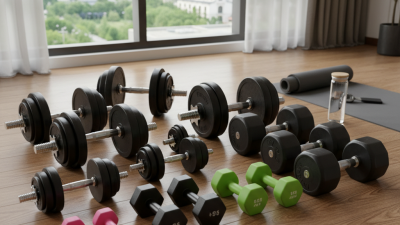
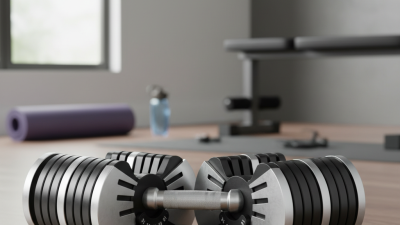
China’s dumbbell manufacturers typically produce fixed, adjustable, and studio models. Fixed dumbbells include cast-iron, rubber-coated, and urethane options. Buyers can inspect the handle knurling, end-cap fit, and coating around each head. These details affect grip, noise, and floor protection. Adjustable designs require close tolerances in plates, locks, and selector mechanisms. Small gaps can cause rattling. A useful supplier audit checks drawings, sample weights, surface finish, and repeatability across production batches.

Manufacturing capabilities vary. Some factories cast or forge heads, then machine and coat them in-house. Others buy components and focus on assembly, packaging, and export orders. Ask which steps are performed on site. Request material specifications, weight-tolerance records, and tests for coating adhesion and handle strength. Grand View Research valued the global fitness equipment market at USD 16.04 billion in 2022 and forecast a 5.3% compound annual growth rate from 2023 to 2030. This broad category is not a dumbbell-only measure, so it cannot verify supplier performance. Still, it signals a competitive equipment market where product consistency matters. A factory’s catalogue may look extensive; production samples can tell a less polished, more useful story.

How to Evaluate and Select a Chinese Dumbbell Manufacturer

Selecting a Chinese dumbbell manufacturer takes more than comparing unit prices. Ask for the exact material grade, coating process, handle diameter, weight tolerance, and packaging details. A written specification helps prevent a 10 kg sample from becoming a different production item. Request recent inspection records and confirm how each batch is weighed. Useful evidence. During a video call or factory visit, examine calibration tools, machining areas, and finished-goods storage. Dust, mixed labels, or unexplained rework deserve questions, not instant rejection. No single photo proves production capacity.

Order samples in several weights, then check balance, grip texture, coating thickness, and sharp edges. Test the packaging too; a damaged carton can leave the product dented. Ask who checks incoming materials, production stages, and finished goods, and request defect criteria in writing. Compare promised lead times with actual production schedules, not sales estimates alone. References from comparable orders can add useful context. Compare quotations line by line, including tooling, cartons, and shipping terms. Cheap is not always efficient. I would allow some margin for delays, though that may be overly cautious. Agree on a corrective-action process before paying a deposit, and keep approved samples as production references.

Who Are the Top Gym Dumbbell Manufacturers in China? — How to Evaluate and Select a Chinese Dumbbell Manufacturer

Use this comparison framework to assess prospective manufacturers. The suggested weights are a buyer’s evaluation model, not a ranking of named companies or a claim about any particular factory.

Evaluation Dimension Suggested Weight What to Request How to Verify Strong Evidence
Product range and construction 15% Specifications and samples for the required dumbbell types, such as cast-iron, rubber-coated, urethane-coated, or adjustable models. Compare the sample with the written specification. Check dimensions, finish, handle design, and how securely the head is attached. A clear product specification identifies materials, dimensions, weight options, finish, and construction method for each model.
Weight and dimensional consistency 15% The manufacturer’s stated weight tolerance, measurement method, inspection frequency, and acceptance criteria. Weigh a representative sample from a production run using a calibrated scale; compare the results with tolerances agreed in the purchase specification. Documented inspection records and written, order-specific acceptance limits. There is no single tolerance that buyers should assume for every dumbbell product.
Materials and finish quality 12% Material descriptions, coating details, and information about corrosion, adhesion, or durability checks relevant to the product. Inspect samples for visible defects, coating coverage, sharp edges, handle finish, and signs of corrosion. Confirm any test claims and test conditions in writing. Traceable material and inspection records, supported by samples that match the approved production specification.
Quality management and production control 15% Quality procedures, incoming-material checks, in-process inspections, final inspection records, and details of how nonconforming products are handled. Review relevant records and, where practical, conduct a factory audit or use an independent inspection service. Verify any claimed certification with its issuer. Consistent, current records that cover the actual production site and product process. A certificate should not be treated as proof that every product meets buyer specifications.
Safety and applicable requirements 12% Product risk information, intended-use guidance, warnings, and any test reports or conformity documents required for the destination market. Confirm applicable requirements with the importer or qualified compliance professional. Check that reports identify the tested model, test method, and issuing laboratory. Product-specific documentation and clear communication about the limits and scope of each test or certificate. Requirements vary by product and destination market.
Production capacity and lead-time planning 10% Available production capacity, order scheduling process, sample timeline, production lead time, and peak-season planning assumptions. Ask for a dated production plan and confirm milestones for sample approval, production, inspection, and shipment. Compare the plan with past order records where available. A realistic written schedule with defined milestones and early notice procedures for delays. Lead times depend on order size, customization, and production conditions.
Packaging and shipment protection 8% Packaging specifications, carton information, palletization details if applicable, and a plan to protect heavy items in transit. Review a packed sample or packaging photos. Check carton strength, internal separation, labeling, and whether the packing method suits the selected shipping route. Packaging approved against the buyer’s shipping and handling requirements, with clear carton and shipment details.
Quotation, order terms, and communication 8% An itemized quotation covering product specifications, tooling or customization charges, minimum order quantity, payment terms, and quoted delivery terms. Check that the quotation, sample approval, purchase order, and final specification describe the same product. Clarify responsibilities for defects and rework in the contract. Consistent written documents, transparent cost breakdowns, and a named contact who responds clearly to technical and commercial questions.
Customization and after-sales support 5% Available options for branding, color, packaging, and product changes, plus the process for handling quality claims and replacement parts. Request a customized sample where relevant. Confirm approval steps, change control, claim deadlines, and the evidence required for a claim. Documented approval and claim procedures, with customization details recorded in the final order documents.
Suggested total weighting: 100% Score each supplier against the same written requirements and compare samples, documents, and inspection results. Treat the weighted score as a decision aid rather than a substitute for product testing or contract review.