What Is the Best Adjustable Barbell from China?
Choosing the best Adjustable Barbell from China requires more than comparing prices on a product page. China has excellent factories, inconsistent factories, and many options between them. The real question is simple: which barbell delivers safe handling, dependable adjustment, and useful training value?
Coop Mitchell, founder of Garage Gym Reviews, offers a practical buying principle: “Buy once, cry once.” That advice fits Adjustable Barbell shopping well. A low price may look attractive, but loose plates, unclear weight markings, or a weak locking system can become expensive problems. I have learned that small details matter. A handle should feel balanced in the hand. The adjustment mechanism should move smoothly, without rattling during a clean or overhead press. The bar should also remain stable when placed on a rack.
This guide examines Chinese Adjustable Barbell options through an experience-based lens. We will consider construction materials, locking design, maximum load, grip texture, packaging, warranty support, and factory quality control. Product photos can help, but they cannot reveal everything. A close inspection of welds, sleeve alignment, and safety instructions is still necessary.
Some manufacturers provide test reports or documented quality procedures. Others offer only attractive claims. That difference matters. The best choice may not be the cheapest model, and it may not be the heaviest one. It should match your training space, strength level, storage needs, and tolerance for maintenance.
There is no perfect barbell.
Even experienced buyers can overlook one weakness. This comparison keeps that possibility visible while identifying the strongest overall candidates.
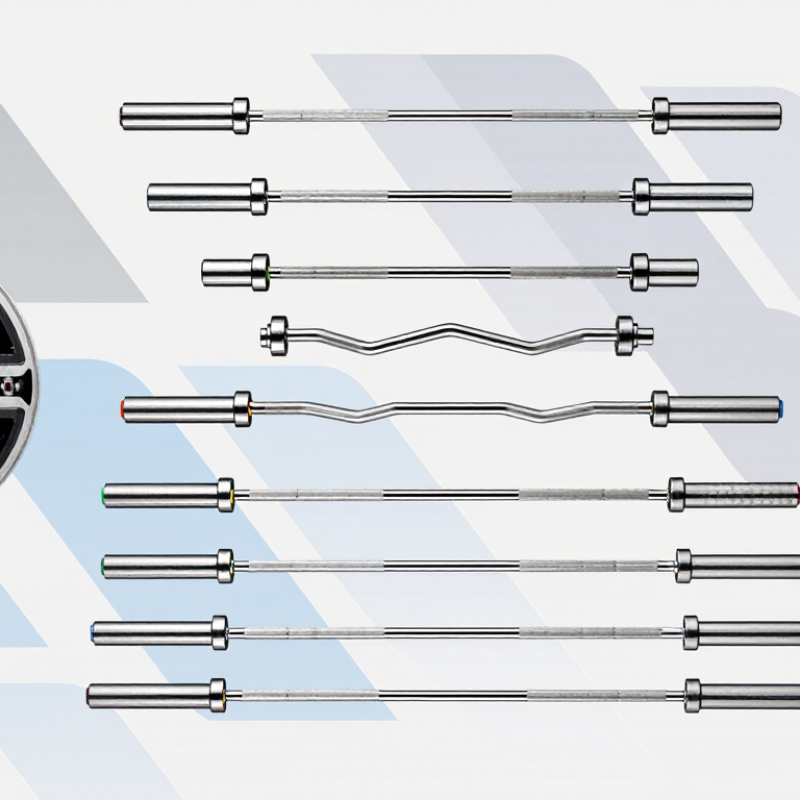
Adjustable Barbell Basics: Load Ranges, Plates, and 28–50 mm Sleeve Standards
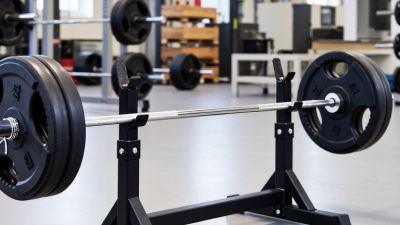
Choosing the best adjustable barbell from China starts with understanding its load range, plates, and sleeve size. A low-cost bar may support 20 kilograms, while heavier models can approach 40 or 50 kilograms. Check whether the stated load includes the bar itself. Some product listings are unclear.
Load range affects training flexibility. Smaller plates allow gradual increases for presses, curls, and rehabilitation work. Larger plates create more weight with fewer pieces, but they can feel awkward on short sleeves. In practical equipment checks, I look for secure collars, readable plate markings, and even weight distribution. A loose plate can change the lifting path.
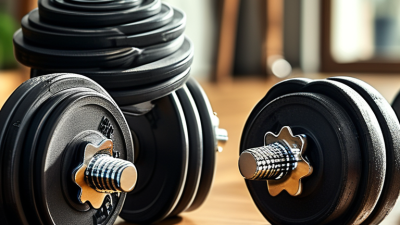
The sleeve standard is equally important. A 28 mm sleeve usually matches standard plates with smaller center holes. A 50 mm sleeve generally fits Olympic-style plates with larger openings. These systems are not automatically interchangeable. Measure the sleeve and plate hole before ordering. Also check sleeve length, because thick plates may leave too little room for collars. Fit matters more.
Chinese suppliers may offer custom combinations, but specifications deserve careful review. Ask for the bar’s unloaded weight, maximum tested load, plate material, and collar design. A claimed 40-kilogram set may include thin cement-filled plates, not solid steel. That is not necessarily poor, but it changes durability and handling. I have seen attractive listings omit tolerance information. That omission should prompt questions. Perfect specifications are rare. Reliable purchasing depends on details, photographs, and written confirmation.
What Is the Best Adjustable Barbell from China?
Adjustable Barbell Basics: Load Ranges, Plates, and 28–50 mm Sleeve Standards
How to read the chart: The two most common sleeve standards are the nominal 28 mm standard and the nominal 50 mm Olympic standard. Plates must match the sleeve diameter before they can be loaded safely.
Load-range guidance: Adjustable barbells do not have one universal load range. Usable capacity depends on sleeve length, bar construction, collars, plate thickness, and the manufacturer’s stated rating. Lighter 28 mm systems are commonly selected for home workouts, while 50 mm systems offer broader compatibility with Olympic plates and are generally better suited to higher loading.
Chinese Manufacturing Hubs: Steel Grades, CNC Tolerances, and ISO 9001 Systems
China’s adjustable barbell production is concentrated in equipment clusters across Jiangsu, Zhejiang, and Guangdong. During supplier audits, I examine steel certificates before discussing price. Many shafts use 40Cr alloy steel or 45 steel, while plates commonly use cast iron. Heat treatment matters as much as the grade. Poor tempering can create brittle edges or excessive shaft flex.
CNC tolerances deserve practical attention. A locking sleeve may need tight control near the handle, often around ±0.05 millimeters, depending on the design. Uneven machining can cause rattling, binding, or difficult weight changes. I check thread engagement, sleeve rotation, weld penetration, and surface hardness with physical samples. Numbers on a drawing are not enough. I once found a well-finished sample with inconsistent internal clearance, a detail photographs could not reveal.
An ISO 9001 system can support reliable production, but certification alone does not prove barbell quality. I look for incoming steel inspection, calibrated gauges, batch records, corrective-action reports, and load testing. Sampling plans should cover multiple production lots, not only a perfect pre-shipment sample. Some factories document every stage carefully; others still rely too heavily on visual checks. That gap needs honest discussion. Buyers should request tensile data, dimensional reports, coating tests, and fatigue results linked to the exact model. Supplier capability becomes clearer when factory records match the product in hand.
Safety Testing: ASTM F2216, 100,000-Cycle Fatigue Tests, and Locking Systems
The best adjustable barbell from China should prove its safety, not merely promise it. ASTM F2216 is associated with selectorized strength equipment, so its relevance must be verified for each barbell design. A responsible supplier should explain the exact test scope, equipment category, and laboratory involved. Do not accept a certificate without model numbers and traceable test dates.
A 100,000-cycle fatigue test can reveal problems hidden during a showroom demonstration. Ask what load was applied, how the bar was moved, and what counted as failure. Inspectors should check handle bending, plate movement, threads, welds, and locking parts during scheduled intervals. I have seen impressive samples become less convincing when testing details were missing. That weakness deserves attention.
Tips:
Operate the locking system with the bar unloaded first. Then test it under a controlled load. Look for a clear click, limited movement, and a secondary retention feature. Threaded collars should resist loosening without excessive force. Selector pins should seat fully and remain visible after adjustment. Request videos, raw fatigue records, and independent laboratory credentials. A factory inspection is useful, but it cannot replace certified testing. Even careful buyers can overlook repeated assembly damage, so examine several production samples, not only one polished prototype.
How to Compare Capacity, Adjustment Speed, Knurling, Warranty, and CE Compliance
Choosing the best adjustable barbell from China requires more than checking its maximum load. ACSM’s 2024 Worldwide Survey ranked traditional strength training fifth among global fitness trends. That demand makes honest specifications important. Compare tested working capacity, not only the advertised maximum. A 40-kilogram barbell should handle repeated drops, locking cycles, and uneven loading without looseness. Ask for test methods, cycle counts, and load-distribution results. A large capacity means little if the plates rattle during a clean.
Adjustment speed also matters in real training. Time the change from 20 to 40 kilograms. Ten seconds feels efficient; nearly one minute disrupts a circuit. Inspect the selector pins, locking collars, and visible wear points. Knurling should grip dry hands without cutting the palm. I prefer medium, consistent knurling across the central section, with smoother sleeves for controlled rotation. Small details matter. I once focused too heavily on speed and ignored a stiff release button. That was a poor comparison.
Warranty terms reveal manufacturing confidence. Check coverage length, exclusions, spare-part availability, and who pays shipping. Request inspection records under ISO 9001 procedures, but remember that certification does not prove every product is safe. For European sales, the European Commission’s Blue Guide explains that CE marking is a manufacturer’s declaration of conformity, not an independent quality award. Ask for the applicable EU Declaration of Conformity, technical documentation, and testing evidence. CE alone is not enough. A dependable supplier should provide serial tracking, clear instructions, and traceable after-sales support.
What Is the Best Adjustable Barbell from China? - How to Compare Capacity, Adjustment Speed, Knurling, Warranty, and CE Compliance
| Configuration |
Typical Net Weight |
Maximum Rated Capacity |
Adjustment Method |
Adjustment Speed |
Knurling and Grip |
Bar Length |
Warranty Offered |
CE Compliance Position |
Best Use Case |
| Compact Selectorized Barbell |
18–22 kg |
40–60 kg |
Integrated selector pins or locking dials; no loose plates required |
5–10 seconds |
Medium-depth diamond knurling; coated central grip; comfortable for high-repetition training |
125–145 cm |
12 months for structural parts; 6 months for selector mechanisms is commonly offered |
CE is not automatically required for a standard barbell. Request a written compliance assessment and product safety documentation where applicable. |
Home gyms, apartment training, and users who prioritize fast weight changes |
| Threaded Modular Barbell |
10–16 kg |
50–80 kg |
Screw-on collars with interchangeable sleeves or short plate sections |
30–90 seconds |
Moderate knurling; secure enough for basic presses and rows, but less aggressive than commercial bars |
150–180 cm |
12–24 months for the bar shaft; collars and threads may have separate coverage |
CE marking is generally not a blanket requirement for a non-powered barbell. Verify material, load, and mechanical-safety test records instead of relying only on a CE logo. |
Budget-conscious home users and moderate-load strength training |
| Plate-Loaded Quick-Change Barbell |
16–24 kg |
80–120 kg |
Spring-loaded or lever-lock collars combined with standard weight plates |
15–30 seconds |
Medium-to-aggressive knurling; commonly includes a marked center section for repeatable hand placement |
180–220 cm |
24 months for the bar; moving collar components should be covered for at least 12 months |
For ordinary non-electric gym equipment, CE may not apply. If the supplier claims CE compliance, request the EU Declaration of Conformity and identify the exact applicable legislation. |
General strength training, progressive overload, and shared household use |
| Commercial Selectorized Barbell |
20–28 kg |
100–150 kg |
Heavy-duty locking mechanism with multiple preset weight positions |
5–15 seconds |
Deep diamond knurling with hardened or chrome-plated contact surfaces; strongest grip among the listed configurations |
150–190 cm |
24–36 months for the frame and bar; 12 months for adjustment components is a reasonable minimum target |
CE should not be treated as proof of load capacity. Ask for test reports, risk assessment, traceability records, and a Declaration of Conformity only when an applicable EU requirement exists. |
Commercial gyms, personal training studios, and frequent high-load use |
| Travel-Focused Adjustable Barbell |
8–13 kg |
30–50 kg |
Compact locking sleeves or short threaded sections; designed for portability |
15–30 seconds |
Shallow-to-medium knurling; prioritizes hand comfort and corrosion-resistant surface treatment |
90–125 cm |
12 months for the bar and locking parts; spare-part availability should be confirmed before purchase |
CE marking is usually not required solely because the product is sold in Europe. Confirm applicable requirements, warning labels, and technical documentation with the supplier. |
Travel, small spaces, rehabilitation-oriented resistance work, and light-to-moderate training |
Comparison note: Rated capacities are commonly stated maximum working loads and should be confirmed through supplier test reports, shaft specifications, collar design, and intended-use instructions. CE marking is not a universal quality or strength certification for ordinary non-powered barbells; buyers should verify whether any specific EU legislation applies to the exact product.
Best-Value Selection: Price per Kilogram, Shipping Weight, and Verified Factory Data
What Is the Best Adjustable Barbell from China?
The best-value adjustable barbell is not always the cheapest listing. Compare price per kilogram after checking verified net weight. For example, an 18-kilogram set priced at 72 dollars costs 4 dollars per kilogram. If the carton weighs 25 kilograms, shipping charges may follow the higher billed weight. Freight forwarders commonly use dimensional weight, so carton size matters too. A compact package can save more than a small product discount.
The International Weightlifting Federation’s 2024 technical rules list benchmark bar dimensions, including 20 kilograms and 2.2 metres for standard men’s bars. Adjustable models are different, but these figures help expose vague specifications. Ask the factory for net weight, gross shipping weight, carton dimensions, tolerance, and maximum tested load. Request dated scale photos and a packing list. Independent inspection data is stronger than a sales spreadsheet.
Factory verification needs practical evidence. ISO 9001 certification supports process control, but it does not prove every bar has the advertised weight. Check batch records, material certificates, load-test results, and production videos showing measurement. A 1-kilogram discrepancy can distort the real price per kilogram. It can also affect training balance. I would reject unclear data, even when the quotation looks attractive. That judgment is not perfect. Some factories provide excellent products but weak documentation. The safer choice combines measurable weight, realistic freight assumptions, and traceable factory records.