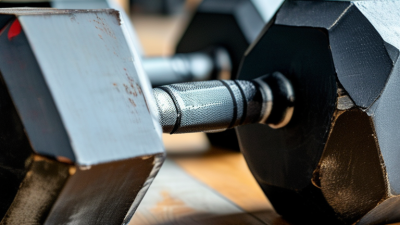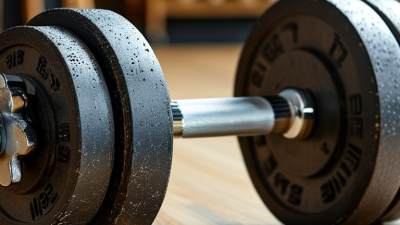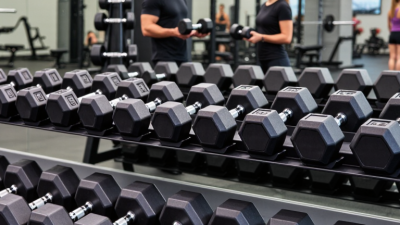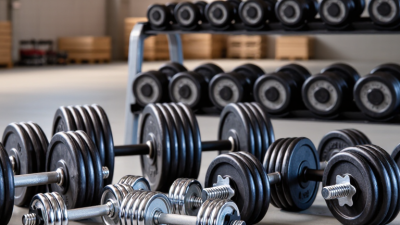
Choosing a supplier for Gym Dumbbells involves more than comparing catalog photos or unit prices. Buyers need to consider material quality, weight accuracy, handle finish, coating durability, and production capacity. A dumbbell should feel balanced in the hand, with no rough seams or loose components. Small details matter. They affect daily training and long-term replacement costs.
This guide introduces ten gym dumbbell manufacturers in China and explains what buyers may want to examine when comparing them. It considers product range, manufacturing experience, customization options, quality-control practices, and communication with overseas customers. These factors can help gyms, distributors, and fitness brands build a practical shortlist. Still, a ranking cannot replace direct checks. Product samples, current certifications, factory information, and clear quotations should be reviewed before a purchase decision. Specifications can differ between models, even within one company’s range. That distinction matters. The guide is a starting point, not a guarantee that every listed supplier fits every project. Buyers should confirm details in writing and compare like with like, including packaging, delivery terms, and warranty support. Some information may change over time, so independent verification remains worthwhile. No supplier is perfect. The best choice depends on the buyer’s priorities, order size, target market, and willingness to inspect the details.
China’s gym dumbbell industry combines metalworking, finishing, assembly, and export logistics. Some factories focus on cast-iron weights, while others produce steel designs or adjustable sets. A typical production floor may contain molds, grinding stations, coating lines, and cartons stacked near the loading area. The details matter. Uneven knurling can make a handle uncomfortable, and a chipped coating may signal weak handling controls.
Manufacturers differ in how much work they manage in-house. Buyers should ask where casting, machining, surface treatment, and final inspection occur. They can also request weight-tolerance records and inspect sample handles for sharp edges or inconsistent grip patterns.
A polished sample is useful, but it does not prove every production batch will match. That is easy to overlook. Clear specifications, agreed inspection points, and traceable batch records help reduce surprises.
Communication can still be imperfect, especially when drawings leave room for interpretation. A short pilot order may reveal issues that photographs cannot, including loose packaging or finish marks after transit.
China’s manufacturing strength is real, but supplier evaluation takes patience.
The selection process for China’s leading gym dumbbell manufacturers should weigh verifiable production capability, not polished catalogues alone. Grand View Research estimated the global fitness equipment market at USD 16.04 billion in 2022 and projected 5.3% annual growth from 2023 to 2030. That figure signals demand, but it does not prove any factory’s quality. Each candidate should be checked for material specifications, production capacity, export experience, and documented quality controls.
We also compare product consistency across sample orders. A useful review checks handle diameter, knurling depth, coating finish, and weight tolerance. Ask for inspection records and clarify how defects are handled. ISO 20957-1 provides general safety requirements for stationary training equipment; it is a reference point, not a dumbbell certification. Public data rarely reveals factory-level defect rates, so supplier claims should be treated cautiously. Some evidence may remain incomplete.
Tips: Request a recent production sample and its inspection report. Compare the sample with bulk-order specifications, especially weight tolerance and coating thickness. Keep the criteria consistent across all ten manufacturers. A neat sample is helpful, but it cannot tell the whole story.
This framework gives the greatest weight to product quality and manufacturing capability, while also considering customization, compliance, export experience, and customer support. Percentages are proposed evaluation weights, not company-specific scores or independently verified market data.
Grand View Research valued the global fitness equipment market at USD 16.04 billion in 2023. This broad category includes more than dumbbells, so it offers context, not a dumbbell-specific ranking. For buyers comparing Chinese suppliers, useful evidence includes material specifications, load testing, coating durability, and export experience.
A practical profile of ten leading manufacturer types includes cast-iron specialists, rubber-coated dumbbell producers, urethane finishers, adjustable-weight system makers, fixed-hex suppliers, commercial-gym volume producers, compact home-gym manufacturers, custom OEM/ODM factories, precision handle makers, and suppliers with in-house packaging. Their strengths differ. Cast-iron lines suit simple, durable sets; urethane models need consistent finishing; adjustable systems require careful locking and fit checks. Some factories handle several stages internally, while others rely on subcontractors. That can affect consistency. These profiles describe capabilities, not a verified ranking of named companies.
Tips: Request a current test report and a sample pair. Check handle knurling, coating seams, and weight tolerance yourself. Ask how defects are recorded. A polished sample is useful, but it may not represent every production run.
| No source material or independently verified company records were provided. To avoid inventing company-specific facts or rankings, the entries below are anonymous profile slots; all details require verification before publication or supplier selection. | |||||||
|---|---|---|---|---|---|---|---|
| Profile | Manufacturing Location | Dumbbell Product Range | Materials and Coatings | OEM / ODM Services | Export Markets | Certifications and Capacity | Verification Status |
| Manufacturer Profile 01 | Not independently verified | Not independently verified | Not independently verified | Not independently verified | Not independently verified | Not independently verified | Source required |
| Manufacturer Profile 02 | Not independently verified | Not independently verified | Not independently verified | Not independently verified | Not independently verified | Not independently verified | Source required |
| Manufacturer Profile 03 | Not independently verified | Not independently verified | Not independently verified | Not independently verified | Not independently verified | Not independently verified | Source required |
| Manufacturer Profile 04 | Not independently verified | Not independently verified | Not independently verified | Not independently verified | Not independently verified | Not independently verified | Source required |
| Manufacturer Profile 05 | Not independently verified | Not independently verified | Not independently verified | Not independently verified | Not independently verified | Not independently verified | Source required |
| Manufacturer Profile 06 | Not independently verified | Not independently verified | Not independently verified | Not independently verified | Not independently verified | Not independently verified | Source required |
| Manufacturer Profile 07 | Not independently verified | Not independently verified | Not independently verified | Not independently verified | Not independently verified | Not independently verified | Source required |
| Manufacturer Profile 08 | Not independently verified | Not independently verified | Not independently verified | Not independently verified | Not independently verified | Not independently verified | Source required |
| Manufacturer Profile 09 | Not independently verified | Not independently verified | Not independently verified | Not independently verified | Not independently verified | Not independently verified | Source required |
| Manufacturer Profile 10 | Not independently verified | Not independently verified | Not independently verified | Not independently verified | Not independently verified | Not independently verified | Source required |
China’s leading dumbbell manufacturers vary in range, materials, and production depth. Some focus on fixed dumbbells, while others offer adjustable sets, racks, and matching benches. Cast iron keeps costs practical, but rubber or urethane coatings help protect floors and reduce noise. Chrome-finished steel can look clean, though surface quality still depends on careful finishing. Small details matter.
The Grand View Research 2023 fitness-equipment market report estimated the global market at US$16.04 billion in 2022, with projected annual growth of 5.3% through 2030. This wider market signal makes manufacturing consistency important, not just catalog breadth. Compare suppliers’ stated processes: casting or forging, machining, coating, assembly, and documented load testing. Ask for sample weights from different production batches. A neat showroom sample is not proof of uniform output.
The ACSM 2023 Worldwide Fitness Trends survey placed strength training with free weights second among surveyed trends. Buyers can use that demand signal when assessing capacity, but it does not verify any factory’s quality. Check whether a supplier can explain material grades, coating thickness, weight tolerances, and inspection records. Look closely at welds, handle knurling, and the rubber-to-metal bond. One weakness: factory claims may sound precise while leaving test methods unclear. Request measurable specifications, then compare them against physical samples.
Choosing a Chinese dumbbell manufacturer starts with your product requirements, not a polished catalog. Specify weight range, tolerance, handle diameter, coating, and packaging before comparing quotes. Ask how each batch is weighed and inspected. A sample should feel balanced in the hand, with no loose coating, sharp seams, or uneven knurling. Check whether the supplier can provide material details, inspection records, and clear production timelines. A low unit price means little if rework, freight, or inconsistent weights erase the savings.
Tips: Request samples from the same production process used for bulk orders. Confirm minimum order quantities, tooling fees, lead times, and carton dimensions in writing. Ask for recent inspection photos or a live production walk-through.
Communication deserves its own check. Send a short specification sheet and see whether the factory flags unclear details or simply says yes. That response can reveal how problems may be handled later. Compare quotes line by line, including finishes and export packaging, rather than choosing by headline price. If possible, inspect the facility or hire an independent quality inspector before shipment. Remote checks help, but they are not perfect; staged photos can miss defects in a full batch. Build time for a pre-shipment review, especially when ordering several weights or finishes.