

News
Adjustable dumbbell strength factory
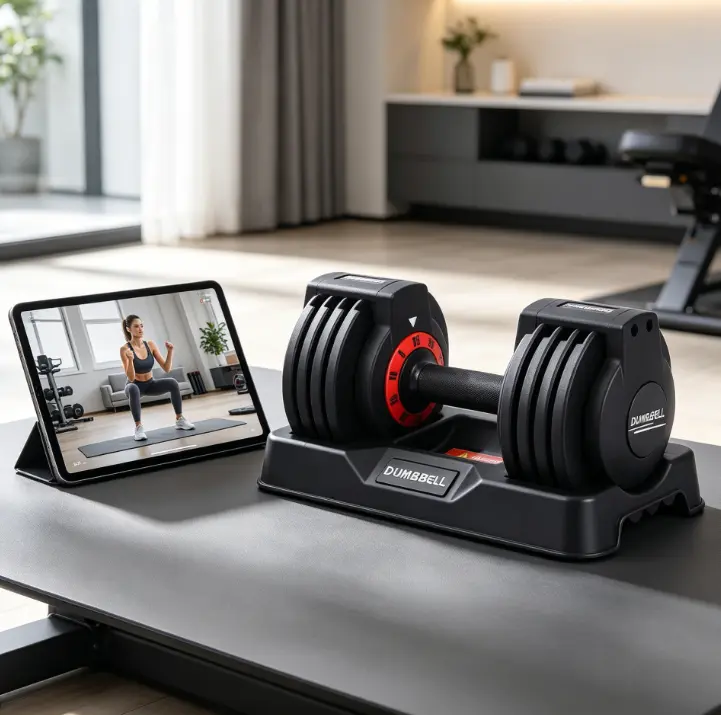
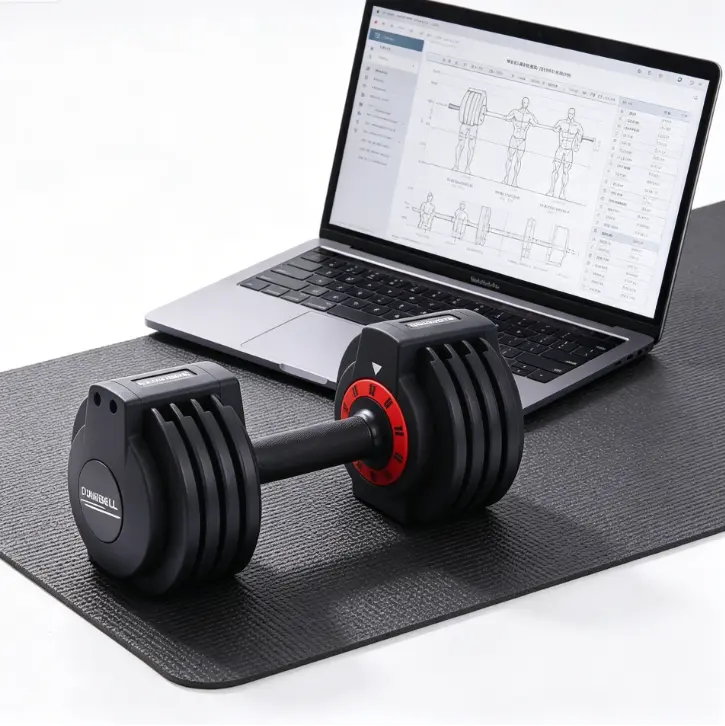


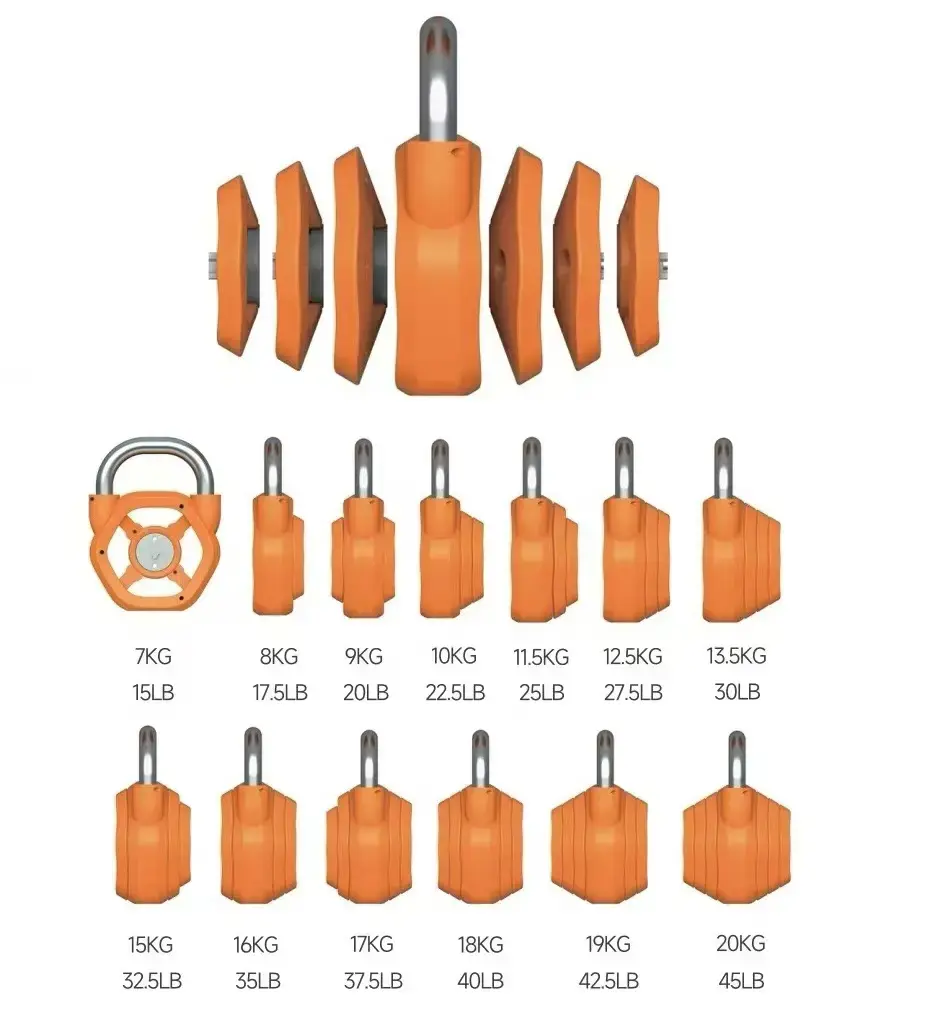
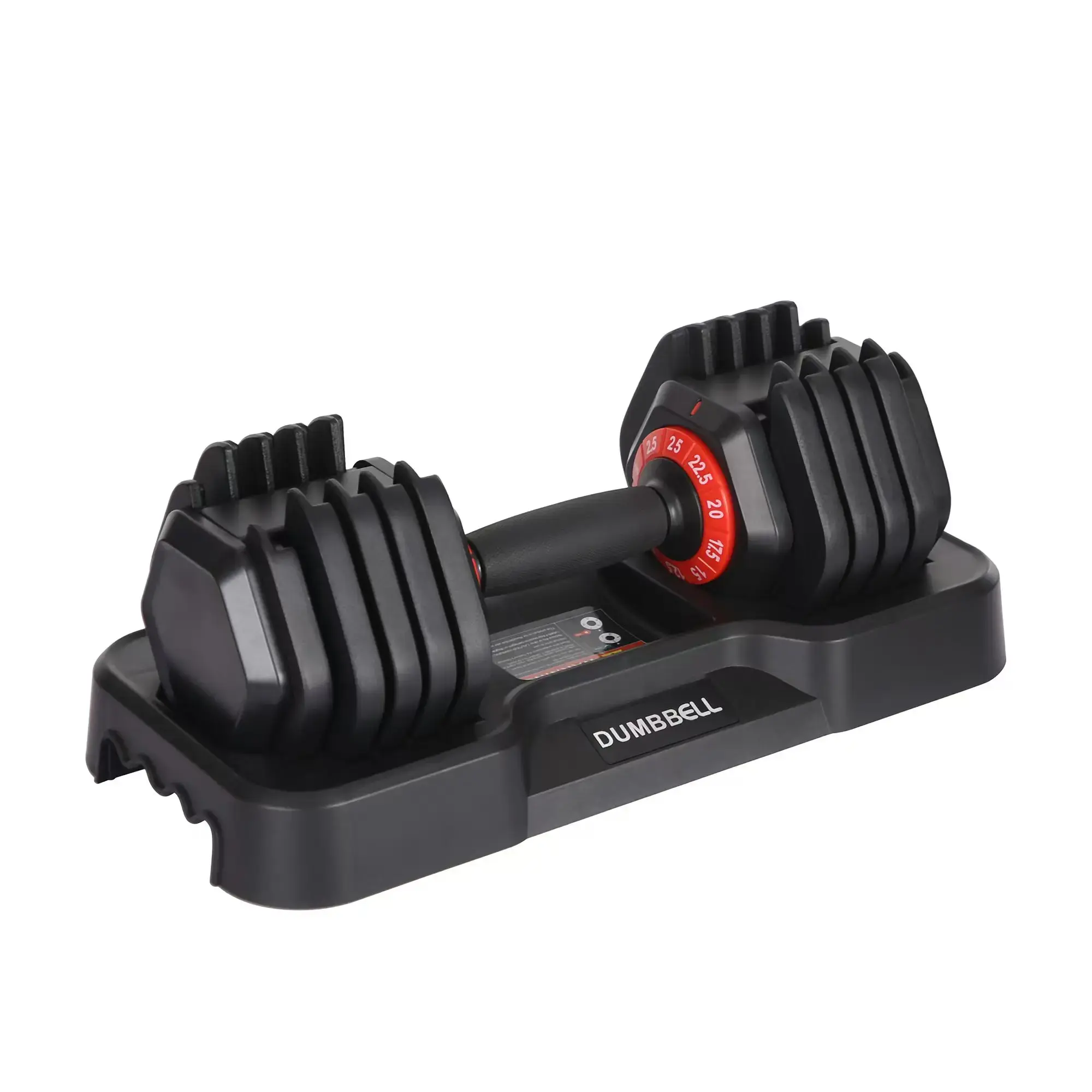
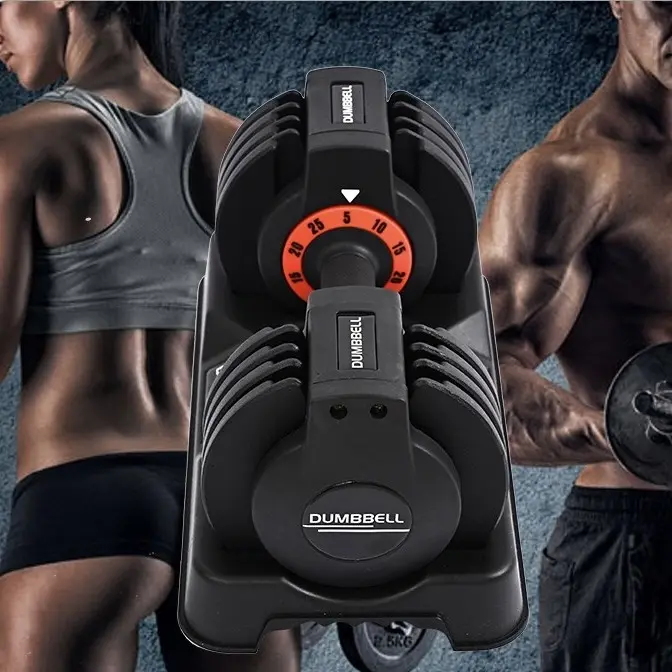
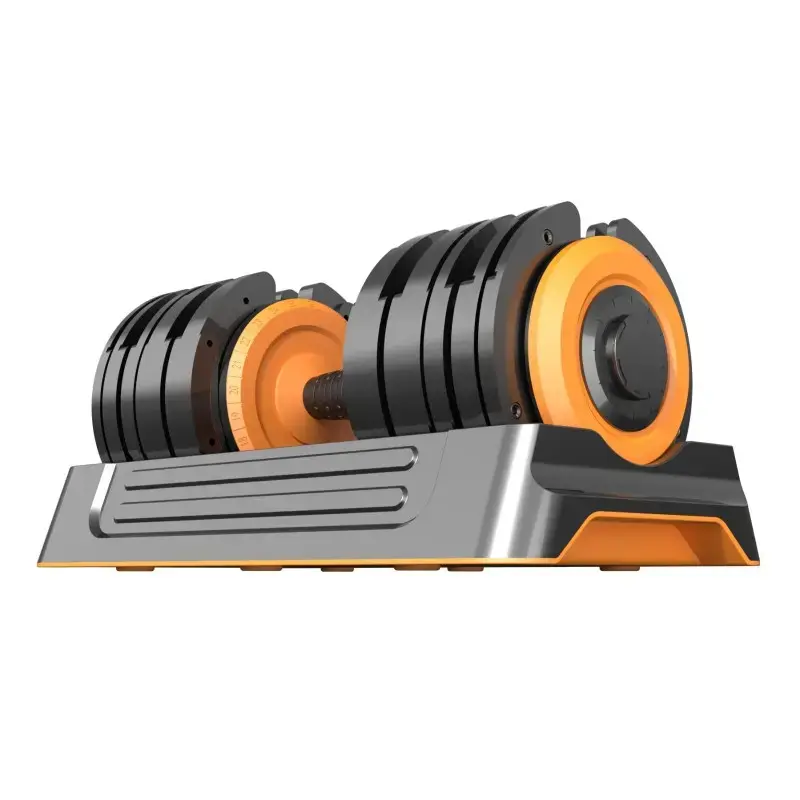
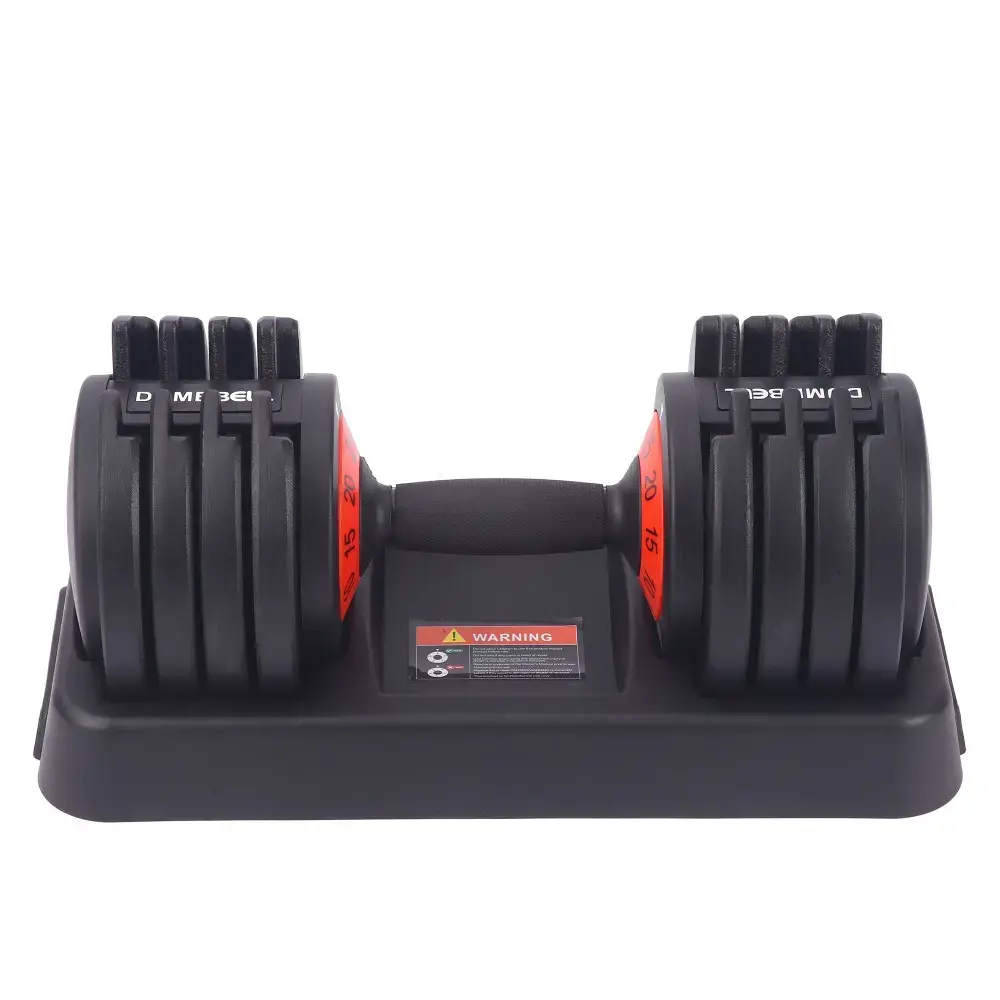
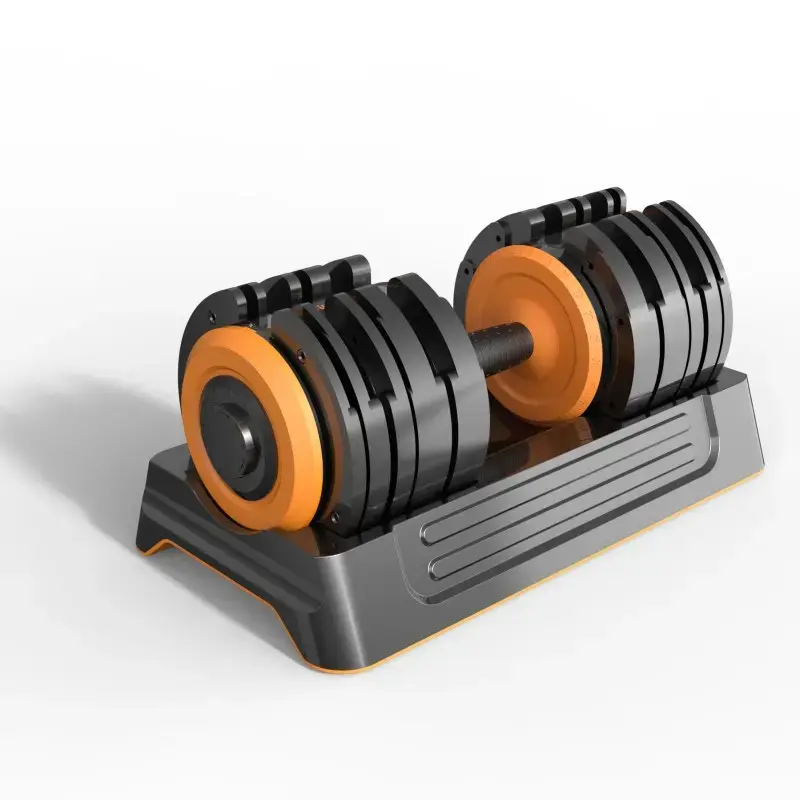
3-in-1 Multifunctionality: A Comparison of Training Experience Between Kettlebell Mode & Dumbbell Mode
2026-06-01
As home gym spaces become increasingly compact and commercial personal training studios pursue maximum efficiency, multifunctionality has become a core consideration in fitness equipment sourcing. Among them, the 3-in-1 multifunctional dumbbell – an adjustable weight system integrating dumbbell, kettlebell, and even barbell functions – is rapidly gaining popularity in the global market. For B2B buyers, understanding the essential differences in training experience between its two core modes, kettlebell mode and dumbbell mode, is the key to accurately positioning products and optimizing inventory structure.
This article deeply analyzes the differences between these two modes in ergonomics, mechanical paths, and training goals, helping you provide professional advice for clients with diverse needs.
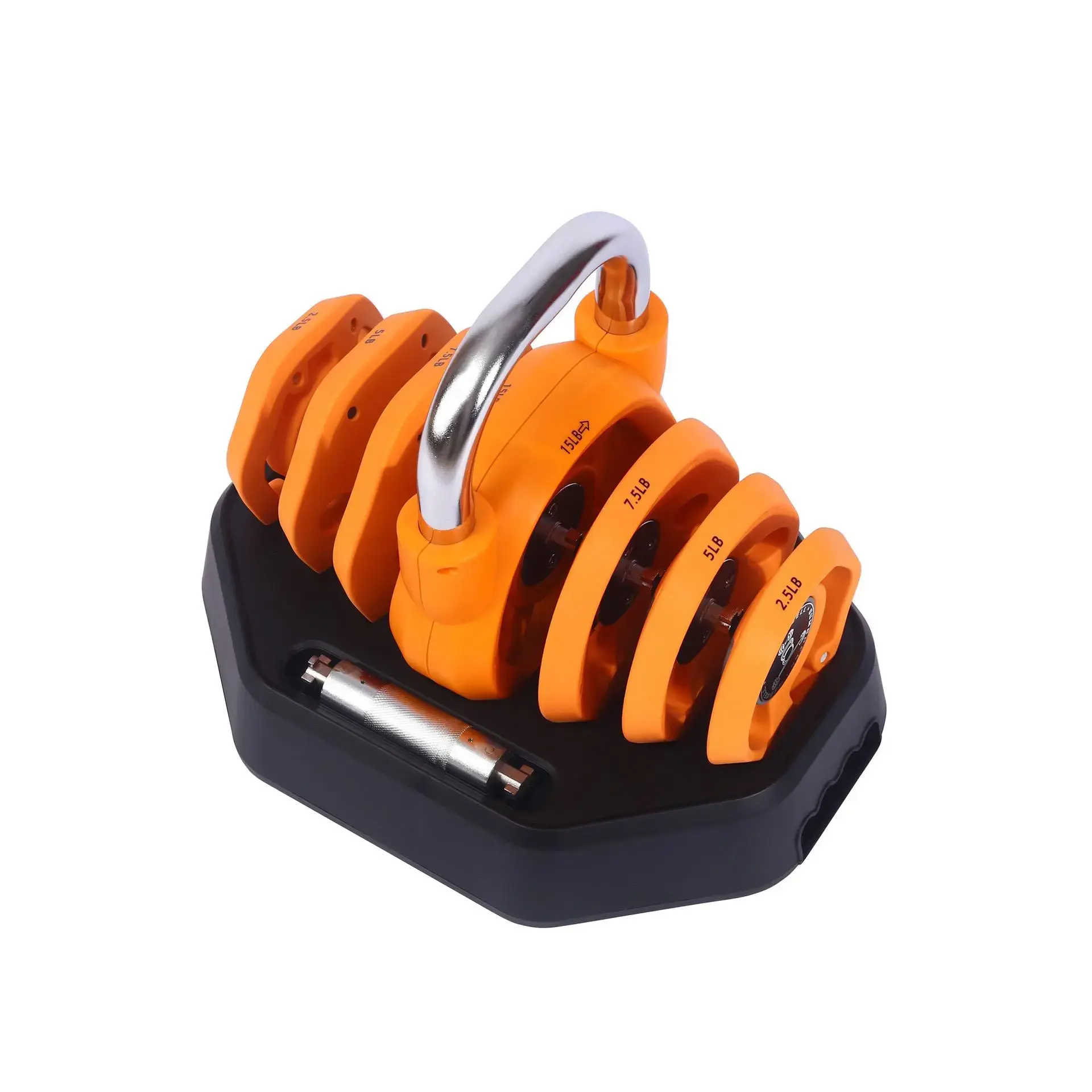
Dumbbell Mode: The Foundation of Stability & Isolation Training
When the 3-in-1 unit is switched to dumbbell mode, its center of gravity sits directly above or close to the handle. This structure defines the core training experience as control and precision.
Mechanical Characteristics: Neutral Center of Gravity & Linear Path
Movements in dumbbell mode mostly include pushing, pulling, pressing, and lifting, with relatively simple and linear trajectories (vertical or horizontal). With the center of gravity close to the body, users can easily maintain a neutral wrist and torso position, making this mode ideal for high-repetition, high-precision muscle isolation training.
Training Goals: Muscle Hypertrophy & Unilateral Correction
Dumbbell mode is irreplaceable for users pursuing muscle growth (hypertrophy) or physical rehabilitation. It allows targeted stimulation of specific muscle groups such as side delts, pectoralis major, and biceps. Additionally, since the left and right sides carry independent loads, this mode effectively identifies and corrects muscle imbalances between limbs – an advantage unmatched by fixed-path machines.
Ideal Users
- Home users: Regular fitness enthusiasts pursuing full-body shaping and basic strength maintenance.
- Rehabilitation users: Physiotherapy clients requiring low-load, high-control training.
- Bodybuilding enthusiasts: Advanced trainers focused on muscle definition and size.
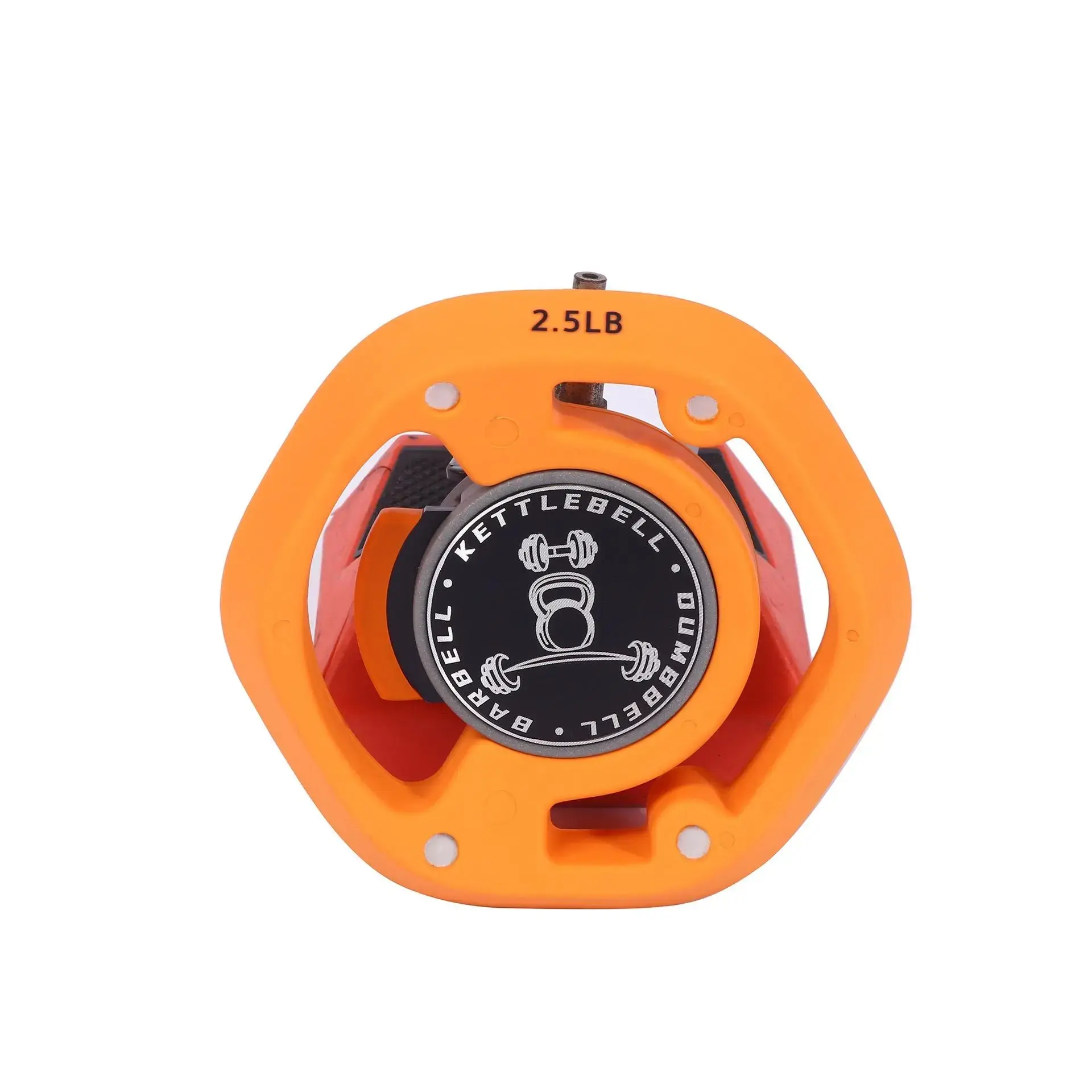
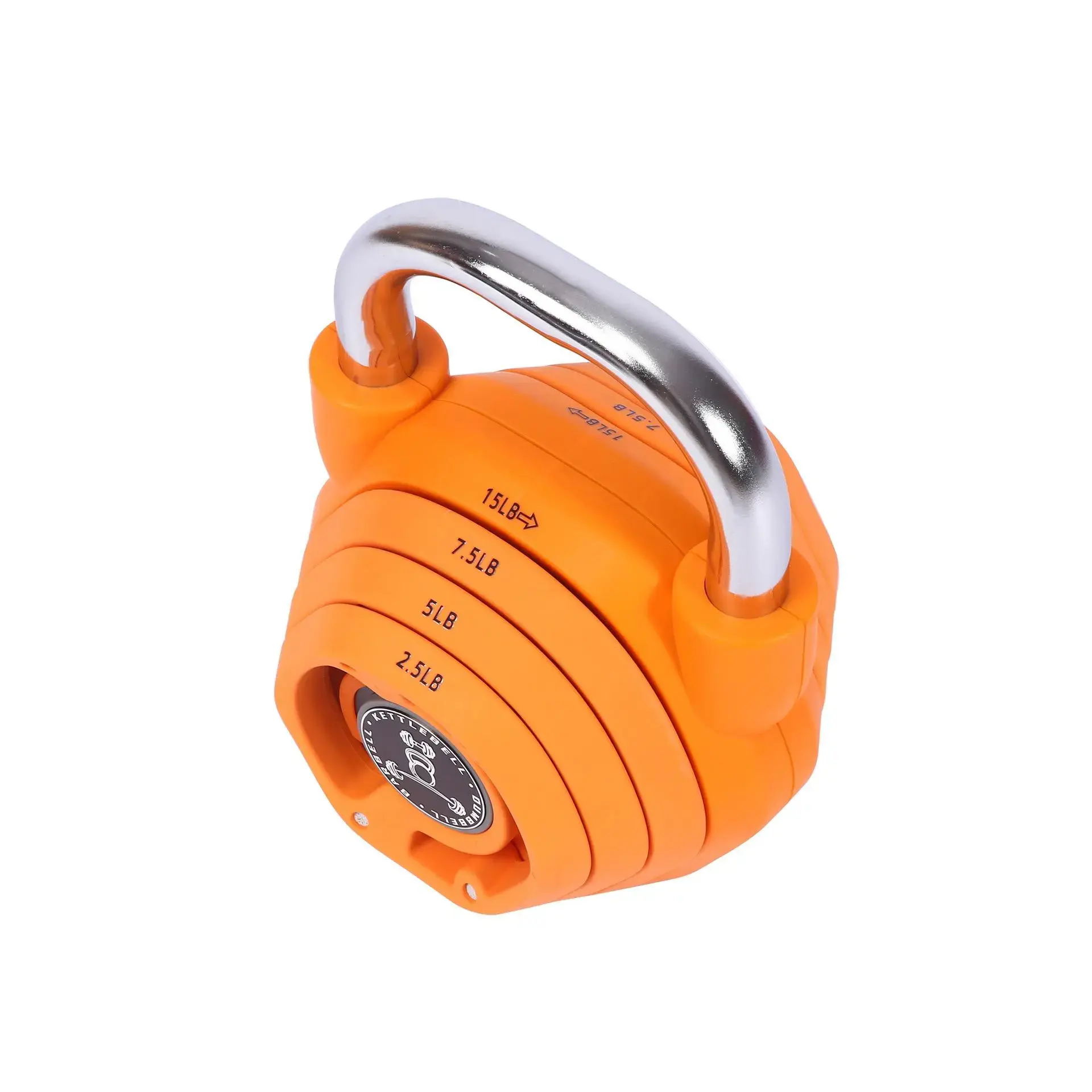
Kettlebell Mode: The Engine of Kinetic Chain & Explosive Power
When converted to kettlebell mode, the center of gravity shifts significantly away from the handle, extending forward from the hand. This unique offset center of gravity design completely changes the mechanical logic, shifting focus from isolation to full-body integration.
Mechanical Characteristics: Offset Center of Gravity & Swing Dynamics
The core of kettlebell mode lies in generating momentum through gravity-driven swings (such as kettlebell swings). This type of training requires users to engage the entire body as a unified kinetic chain, transferring force from the feet through the ankles, knees, hips, and core to the arms. This non-linear, fluid movement greatly improves neuromuscular coordination.
Training Goals: Cardio Endurance & Posterior Chain Activation
Unlike dumbbell training that emphasizes anterior pushing muscles, kettlebell mode focuses on activating the body’s posterior chain – glutes, hamstrings, and lower back. It serves as an excellent full-body metabolic conditioning tool that quickly elevates heart rate, combining strength and cardio (often called strength cardio). For users seeking functional strength and efficient fat loss, kettlebell mode outperforms traditional cardio equipment.
Ideal Users
- HIIT enthusiasts: Users aiming for full-body fat burning in limited space.
- Functional trainers: CrossFit athletes, combat athletes, and anyone seeking improved explosive power and coordination.
- Fitness coaches: Professionals designing efficient, time-saving workout programs.
Buyer’s Sourcing Strategy: Balancing Demand for Both Modes
When planning your product line of 3-in-1 multifunctional dumbbells, we recommend differentiated layouts based on consumption habits in your target markets to maximize return on investment.
Prioritize Easy Conversion Mechanisms
Market research shows that overly complicated mode switching is a major cause of low user retention. When sourcing, focus on the product’s conversion structure:
- Can it switch between dumbbell and kettlebell in under 30 seconds?
- Does it feature a snap-on or quick-release design? A seamless experience is critical for consistent, frequent use.
Targeted Weight Range Configuration
- European & American mass markets: Prefer wide weight ranges. We recommend models adjustable from 5–50 lbs (2.5–25 kg), satisfying women’s shaping needs (dumbbell mode) and men’s basic explosive training (kettlebell mode).
- Asian & female-focused markets: Emphasize fine incremental adjustments. Choose models with 0.5 kg or 1 lb increments, suitable for weight-sensitive, detailed shaping training.
Durability & Safety Testing
Kettlebell swings exert strong centrifugal force on handles and connectors. Buyers must require suppliers to provide fatigue test reports, ensuring adjustment knobs do not loosen and outer casings do not crack under long-term swing training. For dumbbell mode, verify stability when placed flat to prevent rolling or falling.
Conclusion
The emergence of 3-in-1 multifunctional dumbbells fundamentally solves the pain point of space efficiency in modern fitness environments. As a buyer, the core value you communicate to clients should not be the cheap impression of “one piece replacing three”, but the professionalism of precisely switching training modes based on demand.
By fully understanding the differences between the precision isolation of dumbbell mode and the full-body kinetic chain of kettlebell mode, you can better match suitable product configurations for different segments – home gyms, personal training studios, hotel fitness centers, and more – helping you gain a strong position in the highly competitive global fitness equipment market.