
News
Adjustable dumbbell strength factory


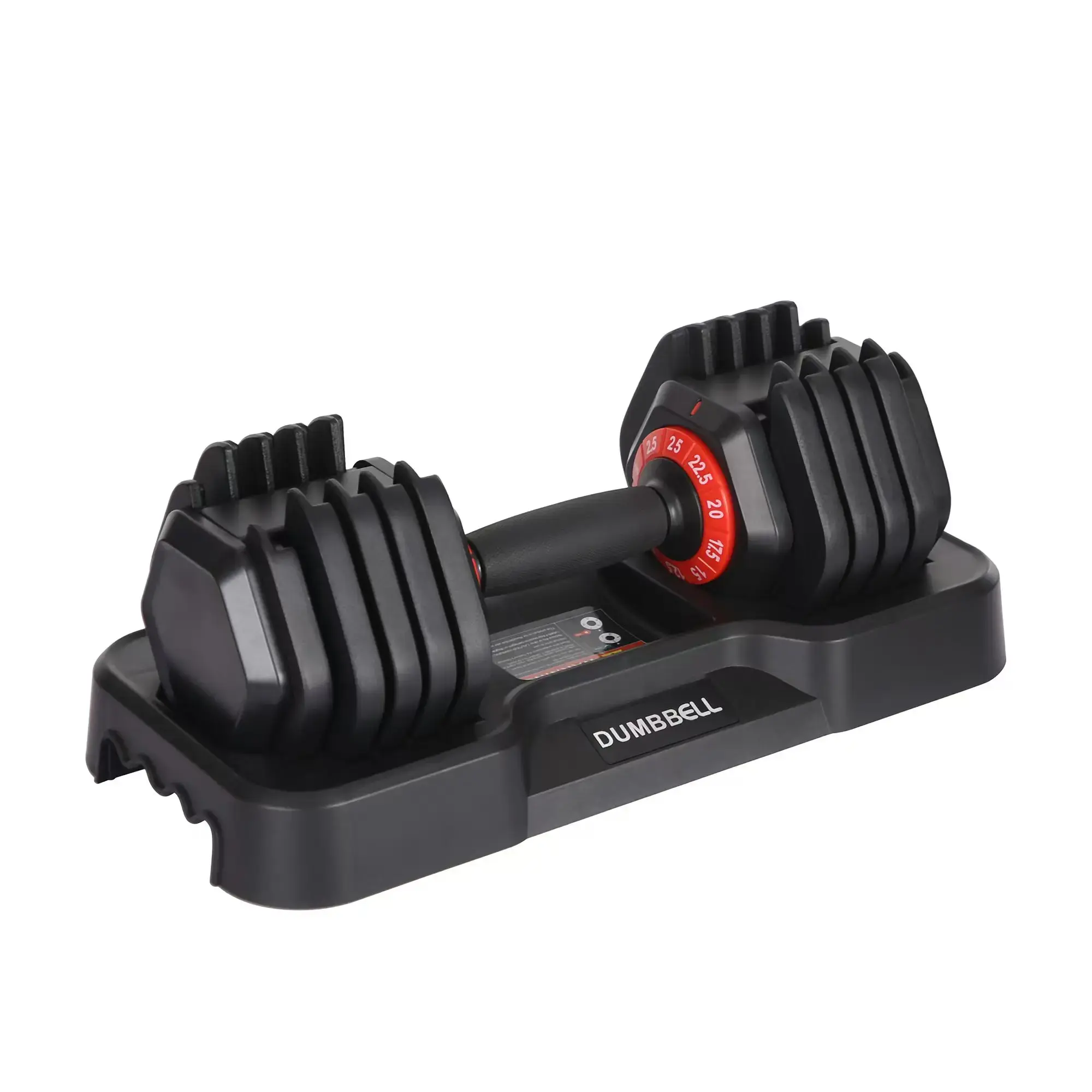
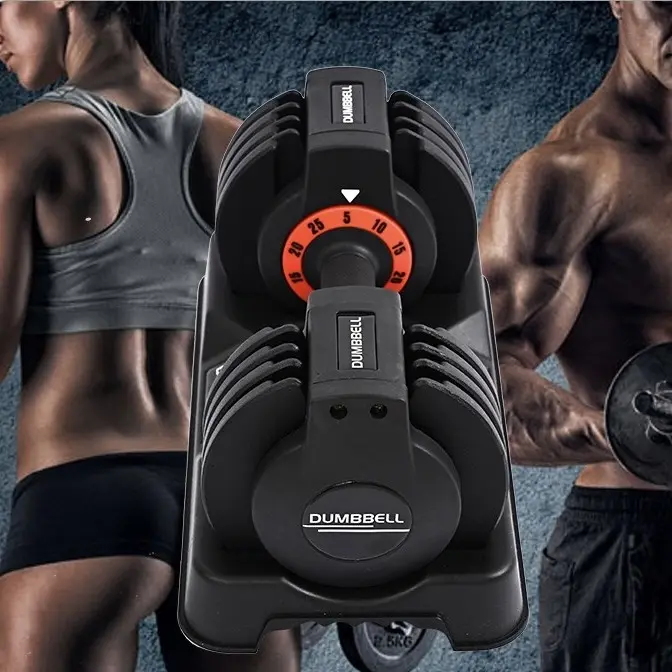
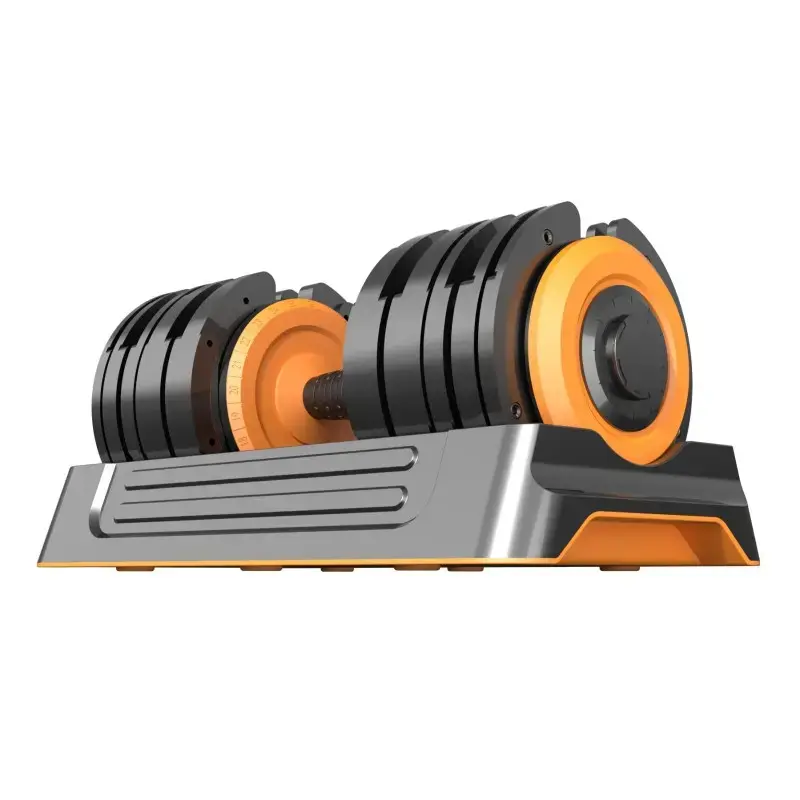
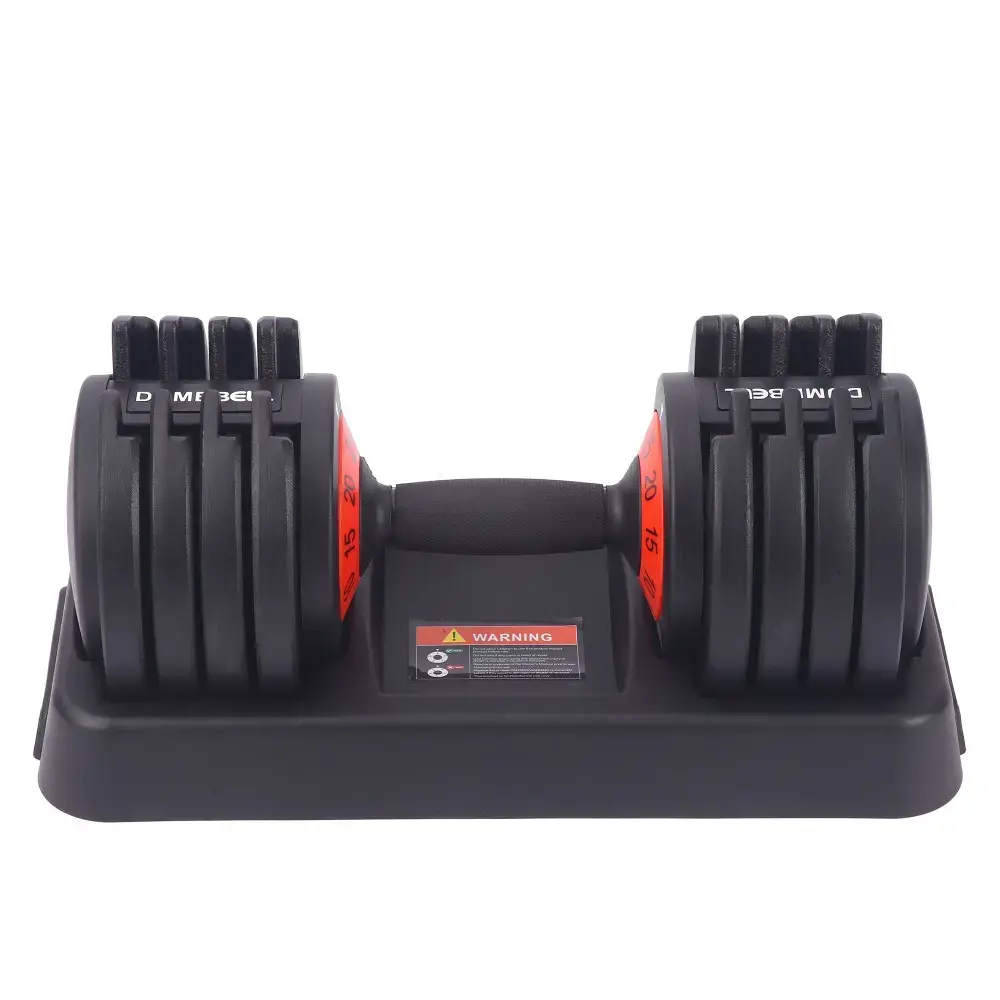
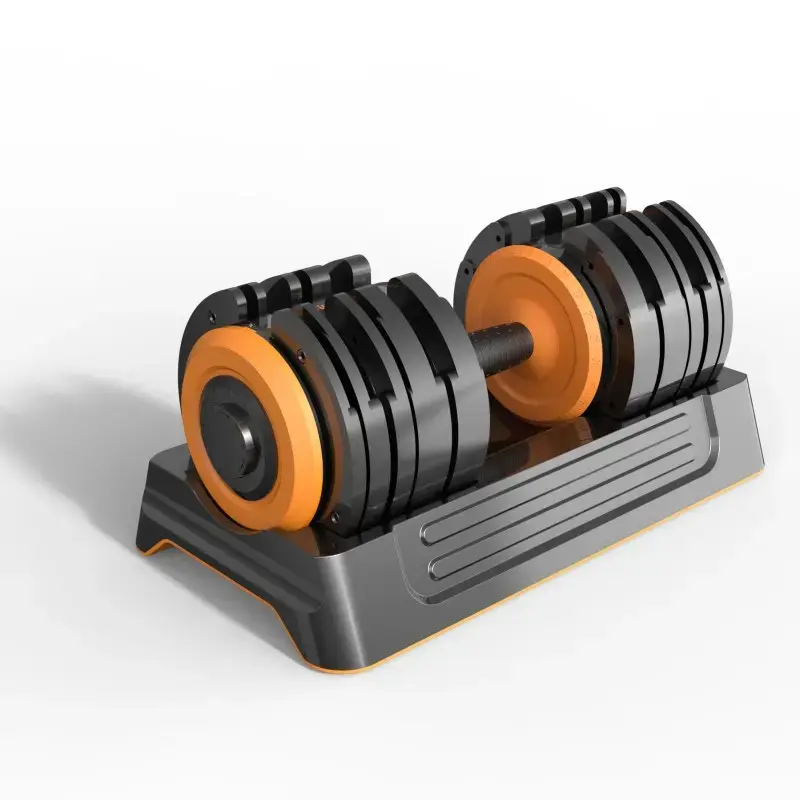
Why China Leads Global Production of 25kg/55lbs Adjustable Dumbbells
2026-07-13
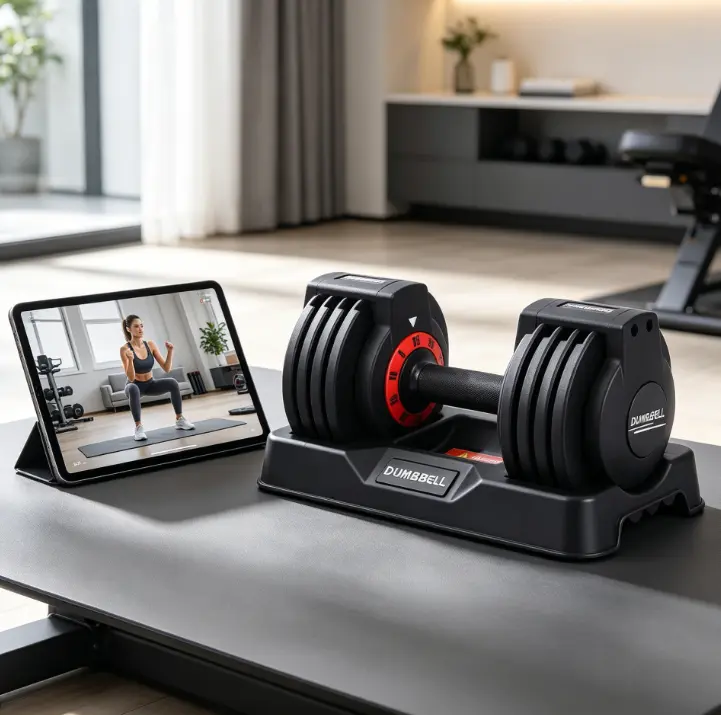
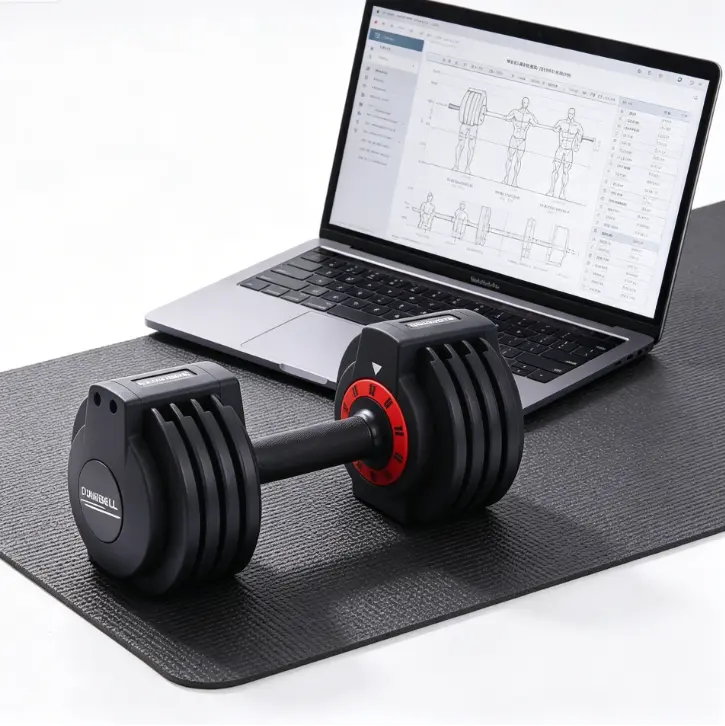
In the global landscape of fitness equipment procurement, the 25kg/55lbs category — a core segment of heavy duty Adjustable Dumbbells — sees most of the world’s production capacity highly concentrated in one region. For international buyers, understanding the logic behind this industrial cluster helps make more rational supply chain decisions during global sourcing of fitness equipment. This article objectively analyzes the core drivers behind the region’s dominance in global 25kg 55lbs adjustable dumbbell production from the perspectives of raw materials, manufacturing processes, industrial chain support, and compliance capabilities.
Synergistic Effect of High-Density Weighting & Material Supply Chain
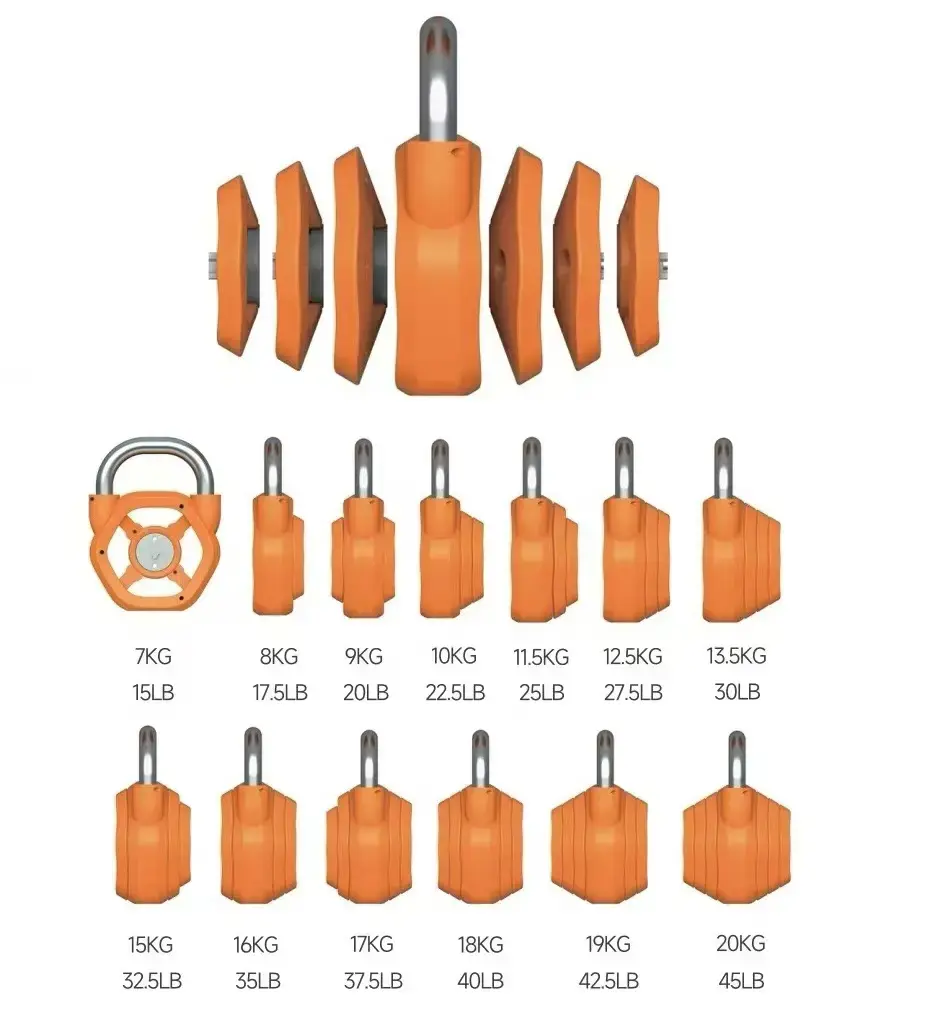
25kg / 55lbs adjustable dumbbell systems fall into the high-weight category. They require multiple high-density weight plates (cast iron, steel ingots, or cement composite cores) integrated within a compact volume, demanding extremely high standards for raw material purity, density consistency, and surface treatment.
This region hosts the world’s most mature cast iron and steel supply chain for gym equipment, with high vertical integration spanning iron smelting, steel rolling, and precision casting. Buyers can source base materials meeting ISO 9001 and ENM standards at lower logistics costs, supported by stable large-scale supply. By contrast, other regions often rely on imported steel, keeping raw material cost for Heavy Dumbbells high and making affordable mass production of high-weight adjustable dumbbells difficult.
Matching of Complex Mechanical Structures & Precision Manufacturing Capabilities
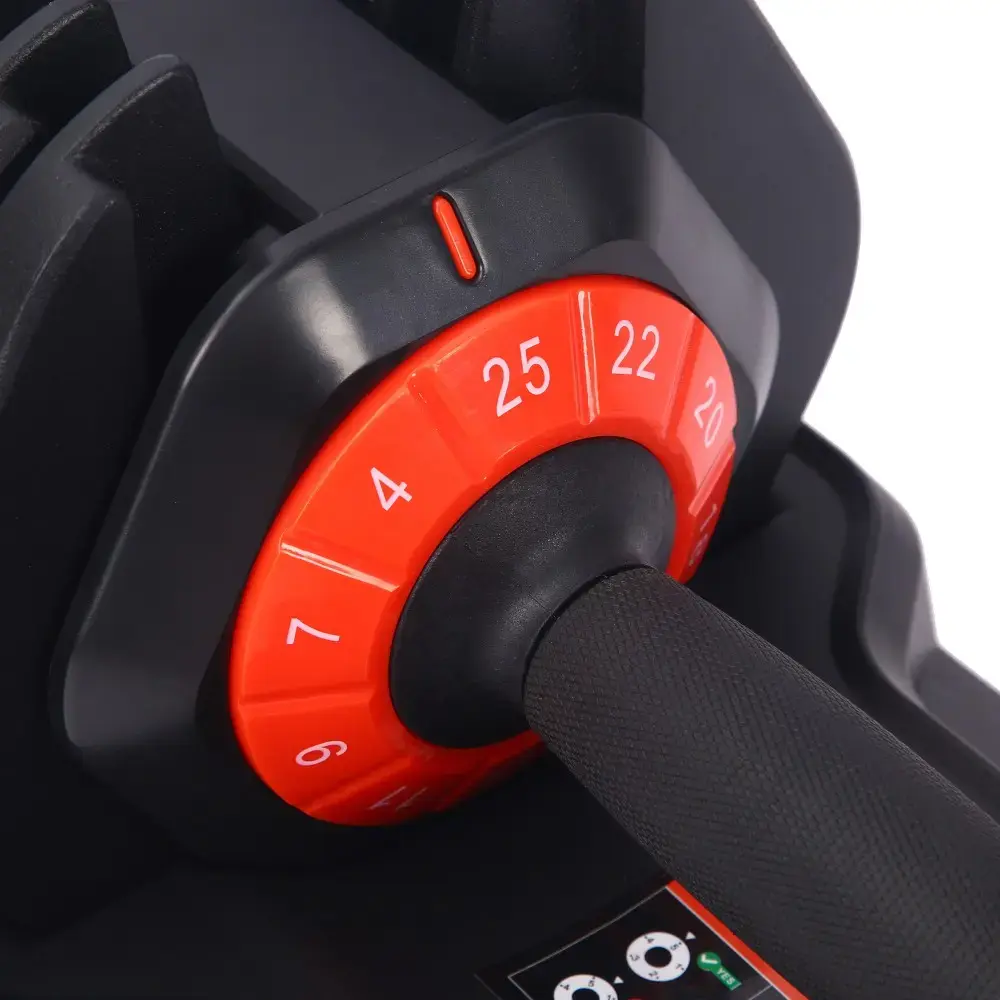
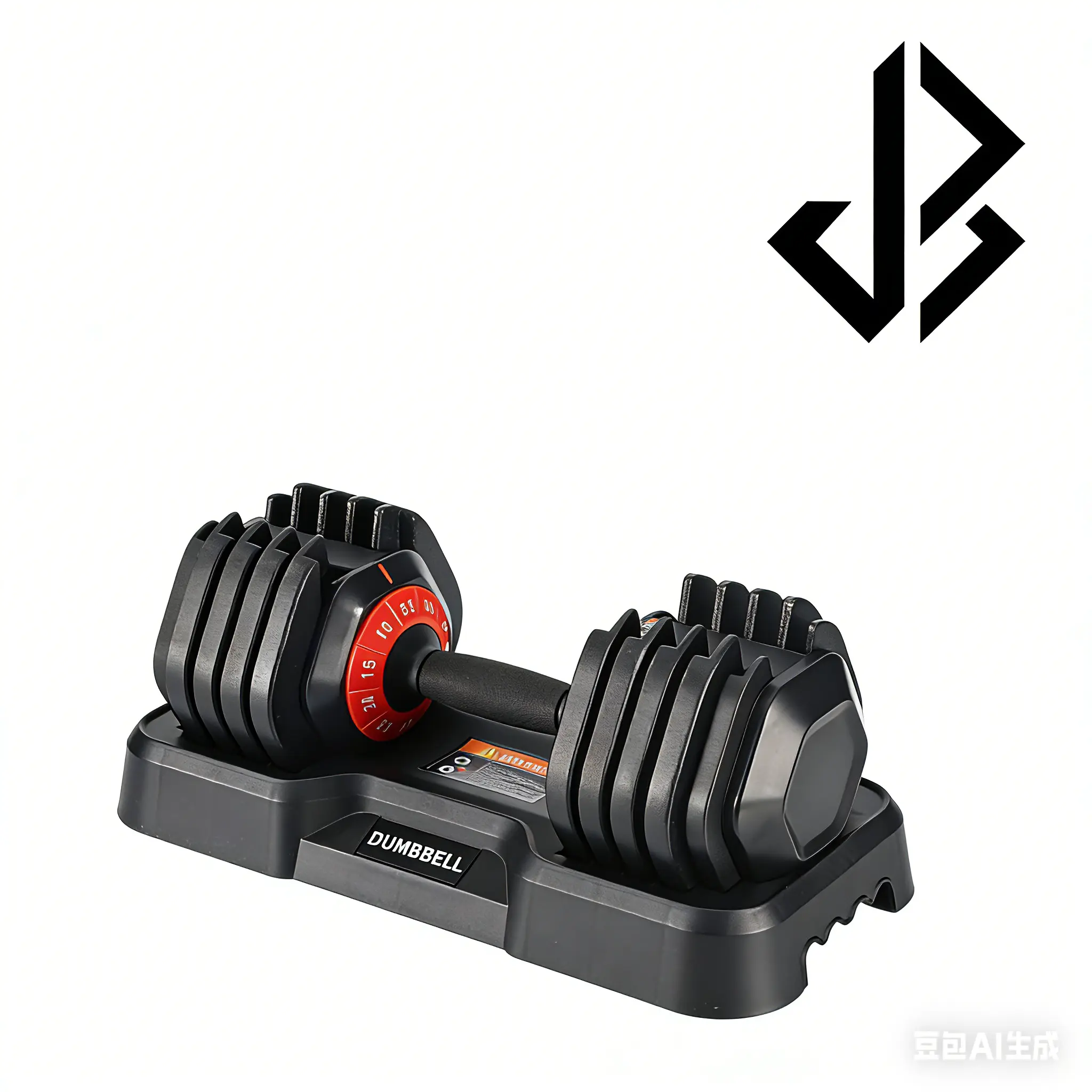
25kg/55lbs adjustable dumbbells are more than just weight-training tools — they are precision mechanical assemblies featuring dials, pins, locking gears, or magnetic suction systems. Under heavy loads, internal connecting structures endure repeated impact and torsion, imposing strict requirements on CNC machining tolerance, heat treatment hardness, and fatigue resistance of engineering plastics such as nylon, ABS, and PP.
Factories in this region have invested heavily in metal injection molding, die casting, and automated assembly lines, accumulating decades of experience in strength training equipment manufacturing. Whether in knob-type, slide rail, or quick-adjust automatic designs, they achieve micron-level fitting and minimize weight plate wobbling. This process expertise cannot be replicated in the short term, forming a core barrier for high-end adjustable weight dumbbell OEM.
Testing, Certification & Compliance Systems for High-Weight Products
Export-oriented 25kg/55lbs adjustable dumbbells must meet international standards including CE, RoHS, REACH, FCC (for smart models), and EN 957. High-weight products show much higher failure rates in drop test, load endurance test, and salt spray test resistance than lightweight versions.
Leading production zones here feature fully equipped in-house testing laboratories, capable of simulating tens of thousands of adjustment cycles and overload drops. They also maintain long-term cooperation with third-party authorities such as SGS, TUV, and Intertek. This mature quality control system for fitness equipment allows international brands to obtain compliance documents and factory audit support at lower verification costs during private label dumbbell sourcing, accelerating time-to-market.