
knowledge
Adjustable dumbbell strength factory


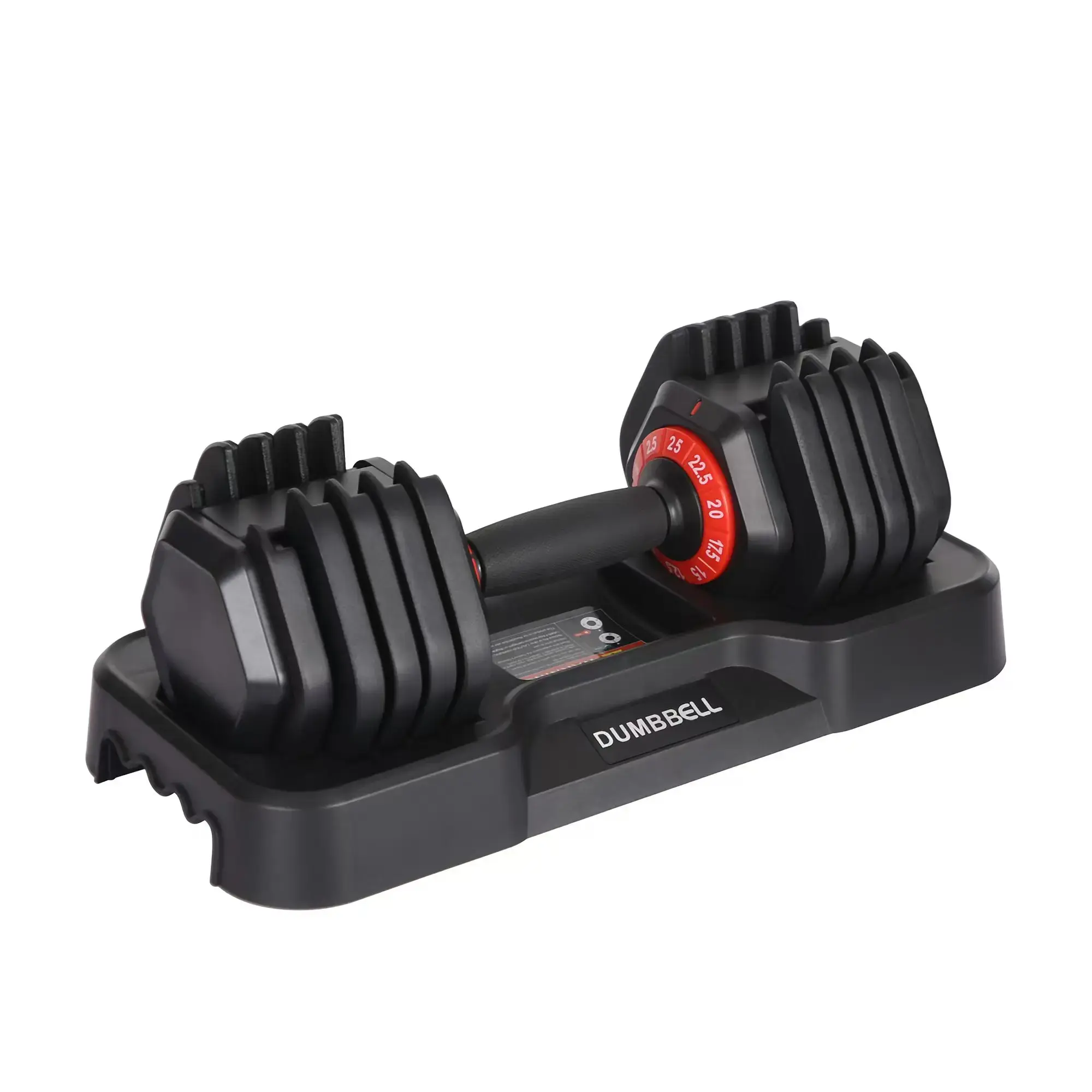
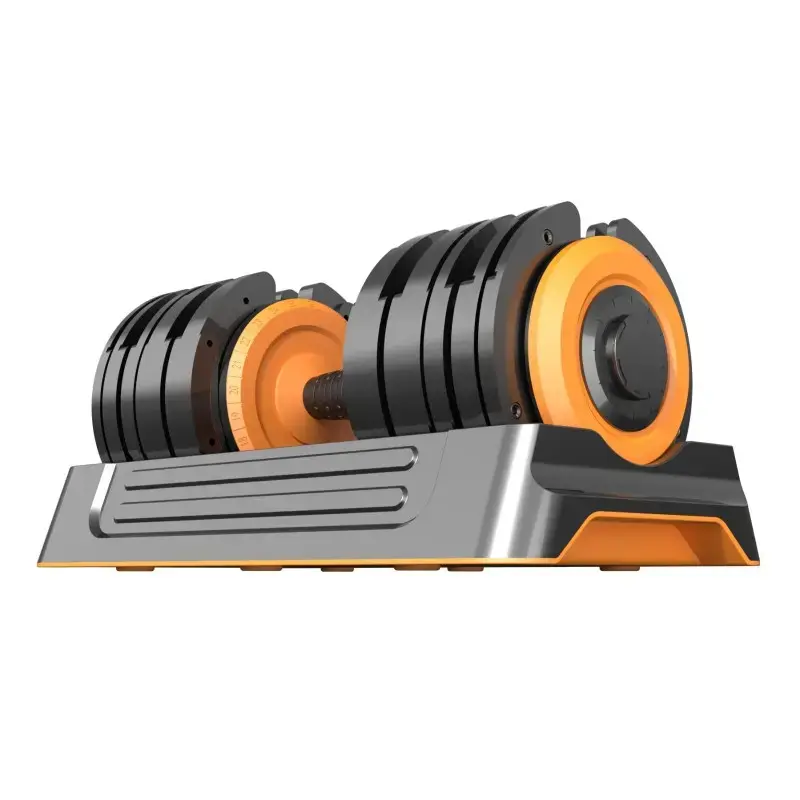
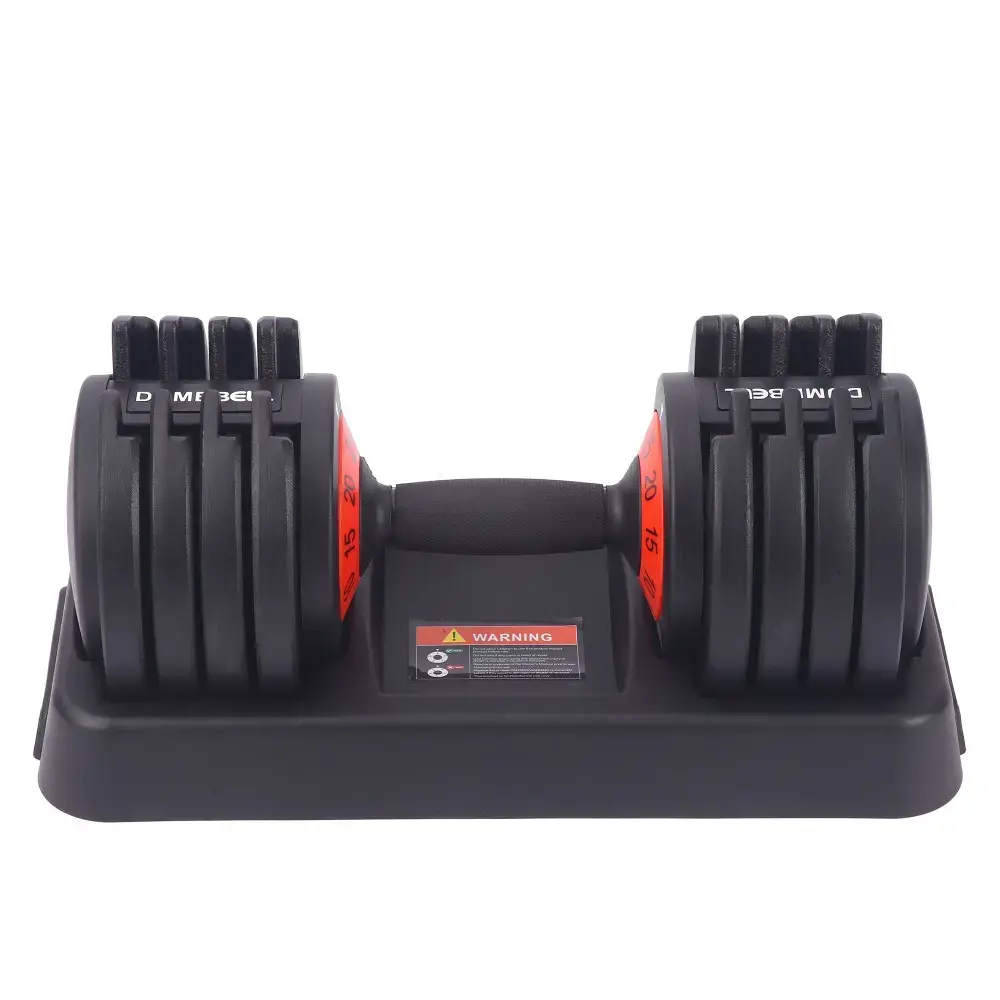
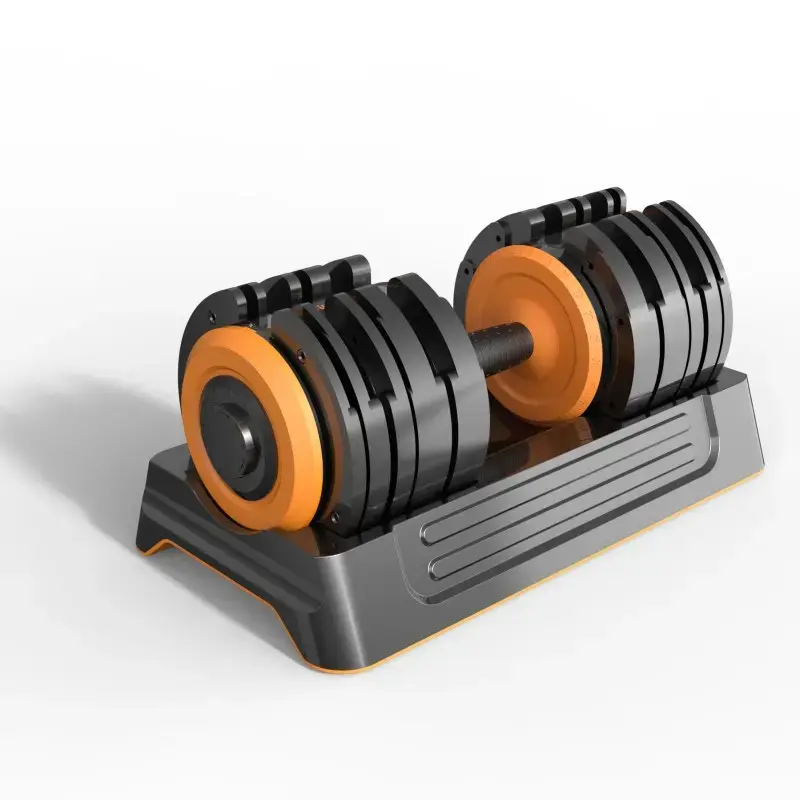
How to Interview Adjustable Dumbbell Suppliers Before Bulk Purchasing
2026-07-15
Against the backdrop of surging global demand for fitness equipment, Adjustable Dumbbells have become a top choice for home gyms and commercial fitness facilities due to their space-saving design and flexible weight settings. For B2B buyers, conducting an in-depth supplier interview before placing bulk orders is critical to avoiding quality risks and ensuring smooth long-term cooperation. From a buyer’s perspective, this article provides a systematic supplier evaluation framework to help you make data-driven purchasing decisions.
1. Identify Supplier Types: Manufacturers vs. Trading Companies
When screening suppliers, the first step is to distinguish between actual manufacturers and trading companies. This distinction directly shapes your expectations for pricing, quality control, and communication efficiency.
Manufacturers
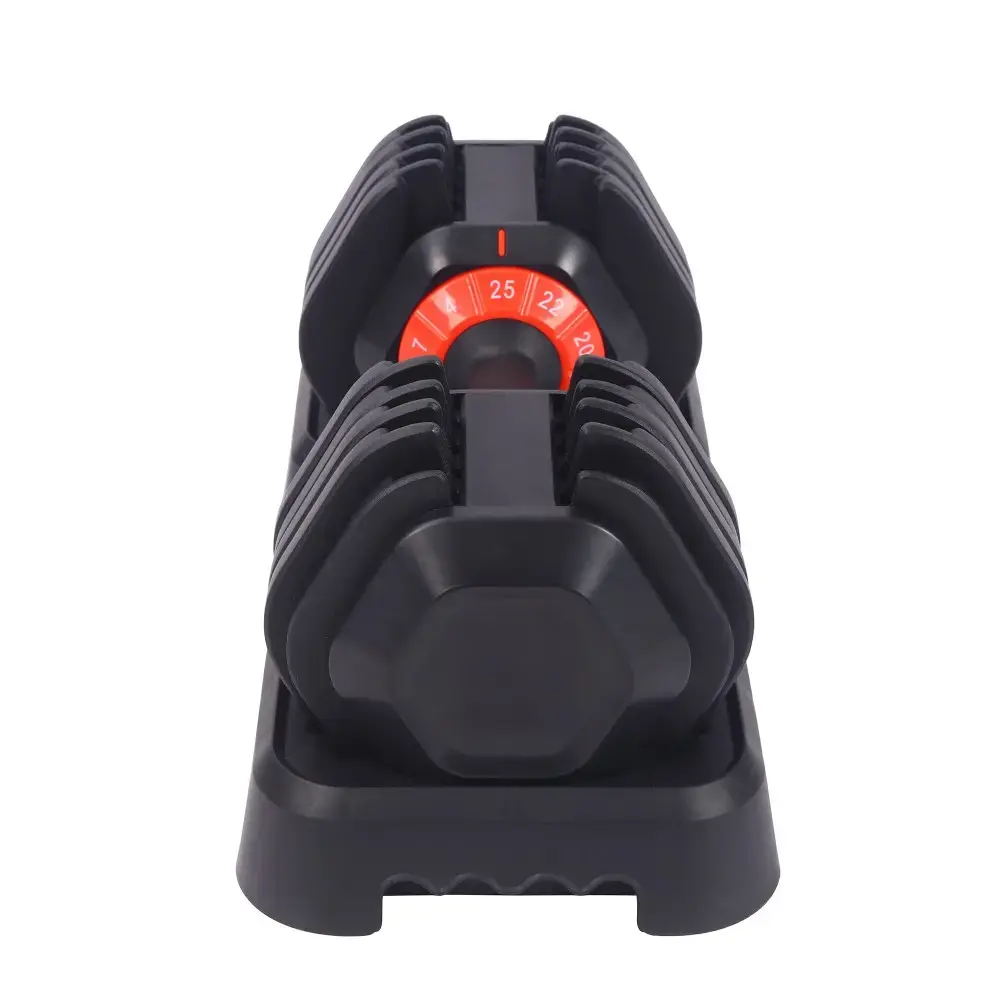
Manufacturers operate their own production lines, giving them stronger control over product quality, lead times, and R&D. They are ideal for OEM/ODM cooperation and can customize product details such as color, weight scale design, or handle material to meet your requirements. For example, many factories in Zhejiang, Hebei, and other regions in China maintain fully integrated production lines from casting to painting, offering high vertical integration capabilities.
Trading Companies
Trading companies source products from multiple factories, with advantages including a wider product portfolio and more flexible minimum order quantities (MOQ). However, buyers lack direct oversight of the actual production process. During interviews, require suppliers to clearly state their business nature; if they are a trader, ask for background and qualification details of their partnered factories.
2. Core Interview Focus: Production Capacity & Quality Control System
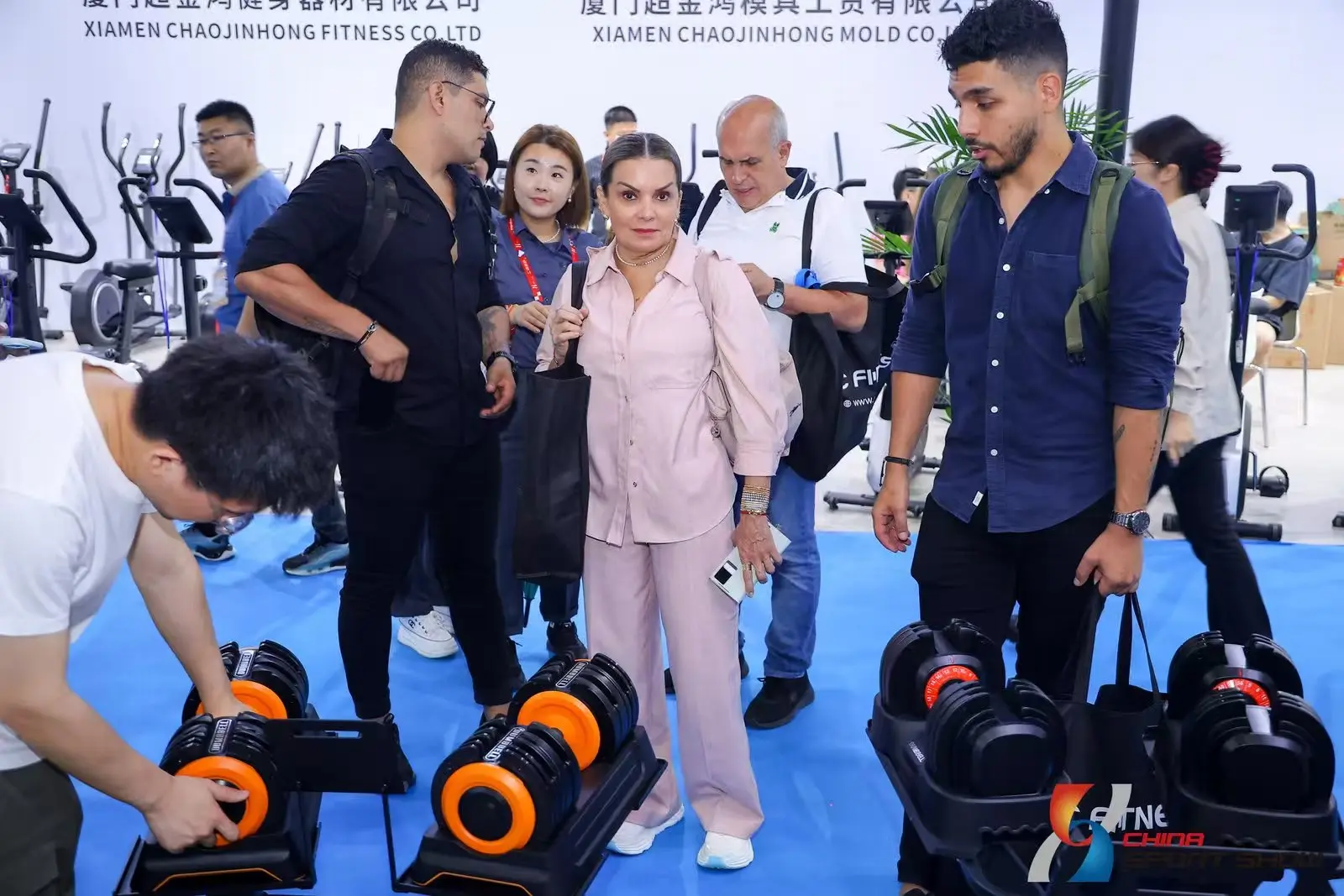
Supplier assessment should move beyond paperwork to on-site verification. A physical factory audit is ideal whenever possible; if travel is not feasible, conduct a virtual audit via video call.
Use the industry-standard evaluation framework below to structure your questions and observations:
2.1 Production Facilities & Scale
- Equipment Capability: Check whether the supplier is equipped with precision equipment such as CNC machining centers. High-precision machining (e.g., tolerance control of ±0.05mm) directly determines the smooth operation of the dumbbell adjustment mechanism and the tight fit of weight plates.
- Capacity Matching: Inquire about factory area, number of employees, and monthly production capacity. For reference, some leading factories cover over 10,000 square meters with a monthly capacity of more than 5,000 units, helping you judge whether they can handle your order volume.
2.2 Quality Management System Certifications
- Basic Certification: Verify whether the supplier holds ISO 9001 certification, a fundamental benchmark for management standardization.
- Product Safety Compliance: For export markets, confirm compliance with target market standards:
- EU market: CE certification and compliance with EN 957 series standards for stationary training equipment.
- US market: Compliance with relevant ASTM standards. In addition, the group standard Quick-Adjustable Dumbbells (T/CASME 946-2023) issued in 2023 specifies product structure, adjustment methods, and technical requirements, which can serve as a reliable inspection reference.
3. On-Site Verification of Key Product Performance Indicators
The core value of adjustable dumbbells lies in their adjustment mechanism, which directly affects user experience and product lifespan. When evaluating samples or touring production lines, prioritize testing these critical indicators:
- Adjustment Mechanism Durability: Ask whether the supplier performs fatigue testing on the adjustment system. Require test reports proving the locking mechanism remains stable, jam-free, and fully functional after more than 50,000 adjustment cycles.
- Weight Accuracy: Request factory calibration data. High industry standards require weight error ≤ ±1% for a single weight plate and ≤ ±2% for the complete set. Inaccurate weights undermine training effectiveness.
- Drop & Impact Resistance: Dumbbells are prone to accidental drops during use. Confirm the product passes standardized drop tests (e.g., falling from 0.9 meters onto concrete) without structural damage, loose weight plates, or large-area coating peeling.
- Materials & Finishes: Review materials for core weight plates (e.g., ASTM A48 Class 30 cast iron) and surface treatments such as anti-slip handle design and coating processes (electroplating or powder coating), which determine durability and rust resistance.
4. Analyze Supplier Performance Metrics
During interviews or background checks, requesting key performance indicators (KPIs) is an efficient evaluation method. Here’s how to interpret core data:
- On-Time Delivery Rate: Target suppliers with a rate of ≥95%. Top suppliers often achieve 100% on-time delivery, greatly reducing your inventory and sales risks.
- Reorder Rate: A leading indicator of customer satisfaction. A reorder rate above 15% generally reflects strong approval from existing clients; elite suppliers may exceed 60%.
- Response Time: A business team that responds to inquiries or issues within 4 hours signals efficient service and a mature operational system.
5. Balancing Price and Value
The lowest price is rarely the best choice. Purchasing decisions must account for total cost of ownership, including potential return losses, customer complaint handling expenses, and brand reputation damage.
For a typical pair of 5–50 lb adjustable dumbbells, FOB quotes from mainland Chinese factories usually range from $28 to $42 per set.
- Prices below $27 may indicate compromises in material cost or quality inspection.
- Prices above $45 typically reflect investments in smoother mechanisms, premium surface finishes, and stricter quality control.
During interviews, clarify what the quote includes: packaging standards, spare parts (e.g., replacement handle grips), and warranty terms. For example, does the supplier provide at least a 1-year warranty on the adjustment mechanism? This directly impacts after-sales risk.
6. Build Your Custom Supplier Interview Checklist
Finally, compile the following questions into a structured checklist to confirm item by item during communication:
- Basic Information: Are you a factory or a trading company? What is your total factory area and employee count?
- Quality System: Please provide certificates for ISO 9001, CE, EN 957, etc. Can you share recent third-party test reports from SGS, TÜV, or similar agencies?
- Production & QC: How many durability test cycles has the adjustment mechanism undergone? What is the tolerance range for weight calibration? Do you provide material traceability reports for key components such as cast iron weight plates?
- Performance Data: What were your on-time delivery rate and customer reorder rate over the past year?
- Commercial Terms: What is the MOQ for this dumbbell model? What is the standard lead time from sample approval to mass production shipment?
- Sample Policy: Do you offer paid samples? Is the sample fee refundable against future orders?
Through this structured supplier interview process, buyers can evaluate partners beyond pricing — covering operations, technology, quality, and financial stability — laying a solid foundation for long-term, reliable supply chain partnerships.