
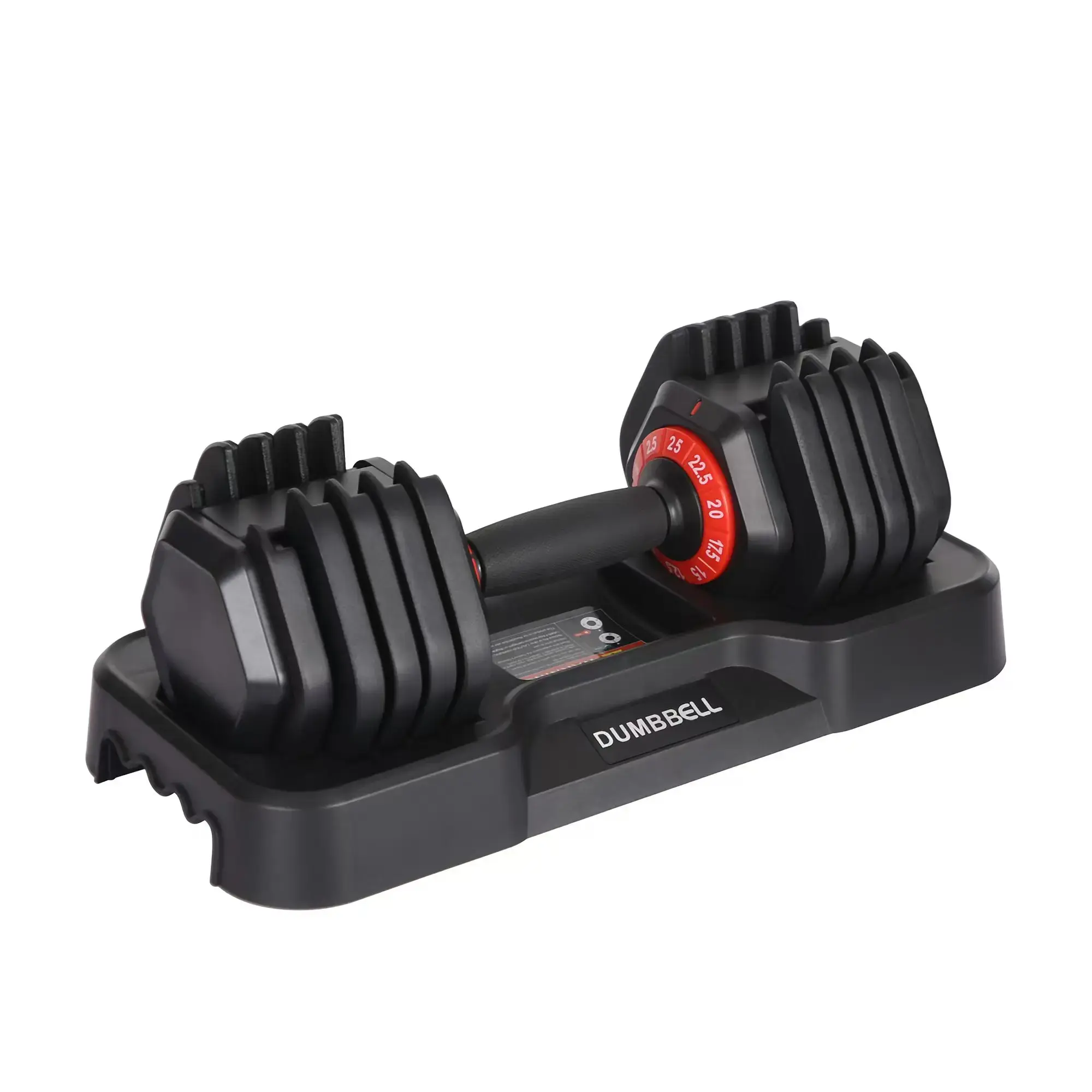
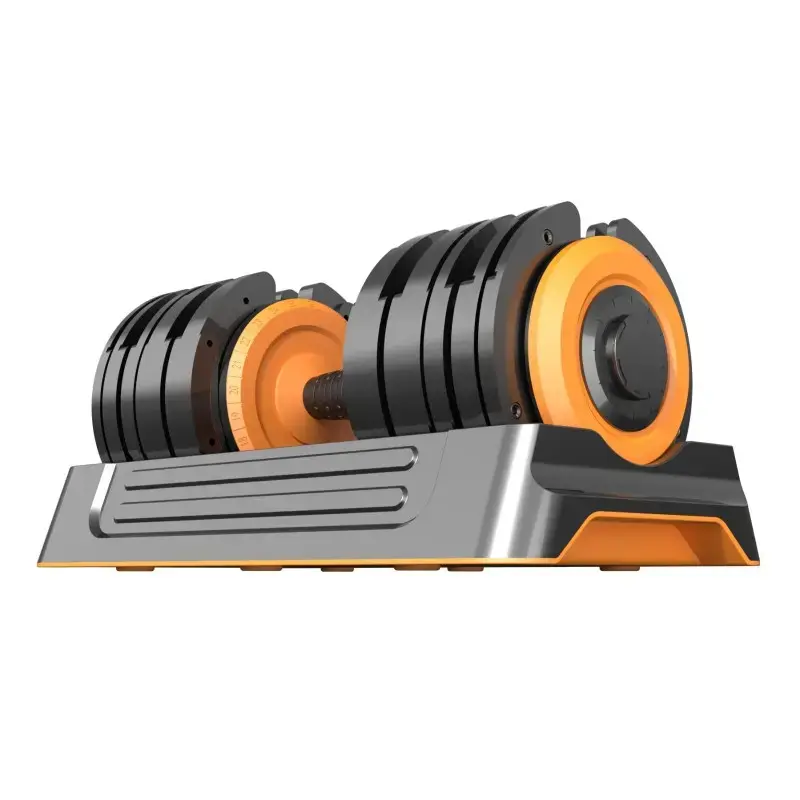
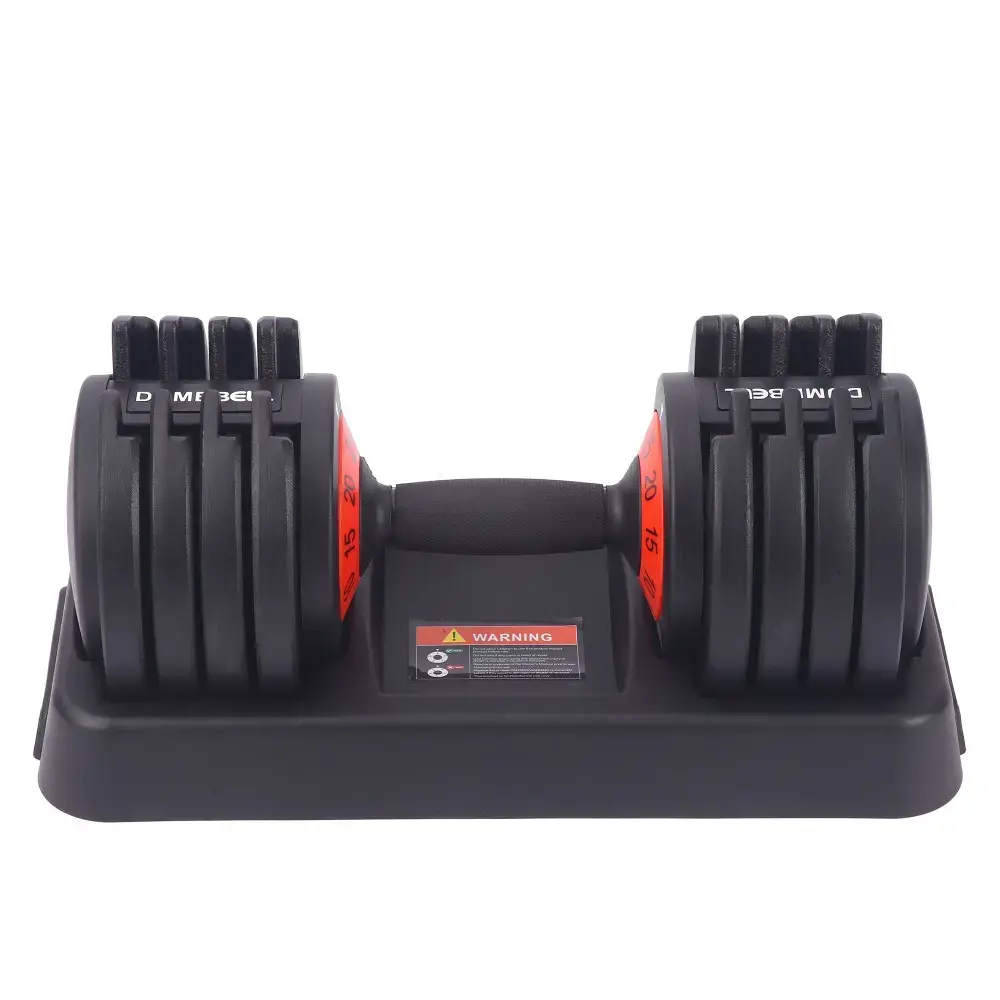
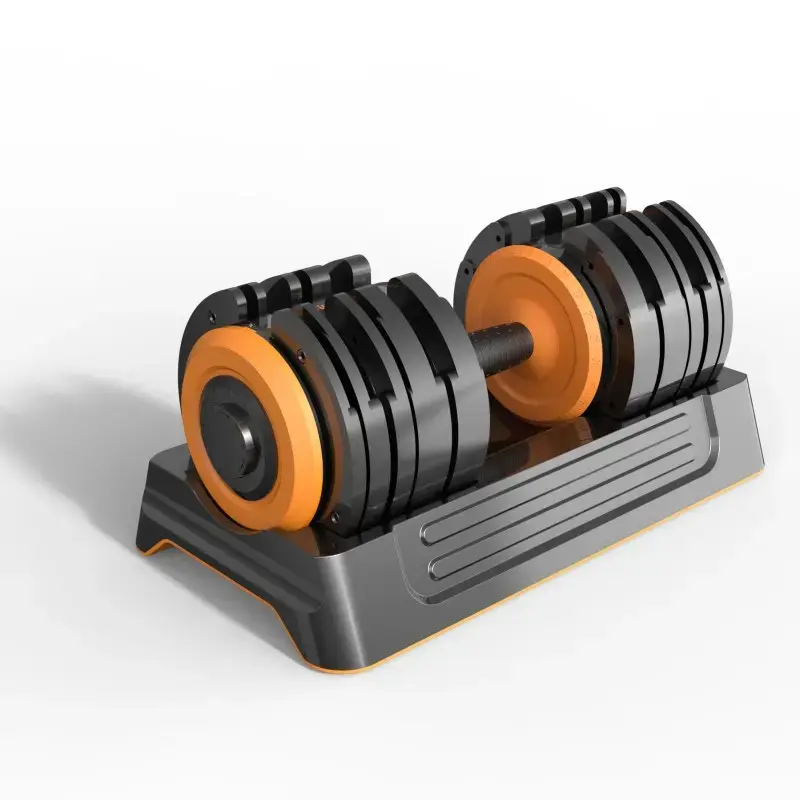
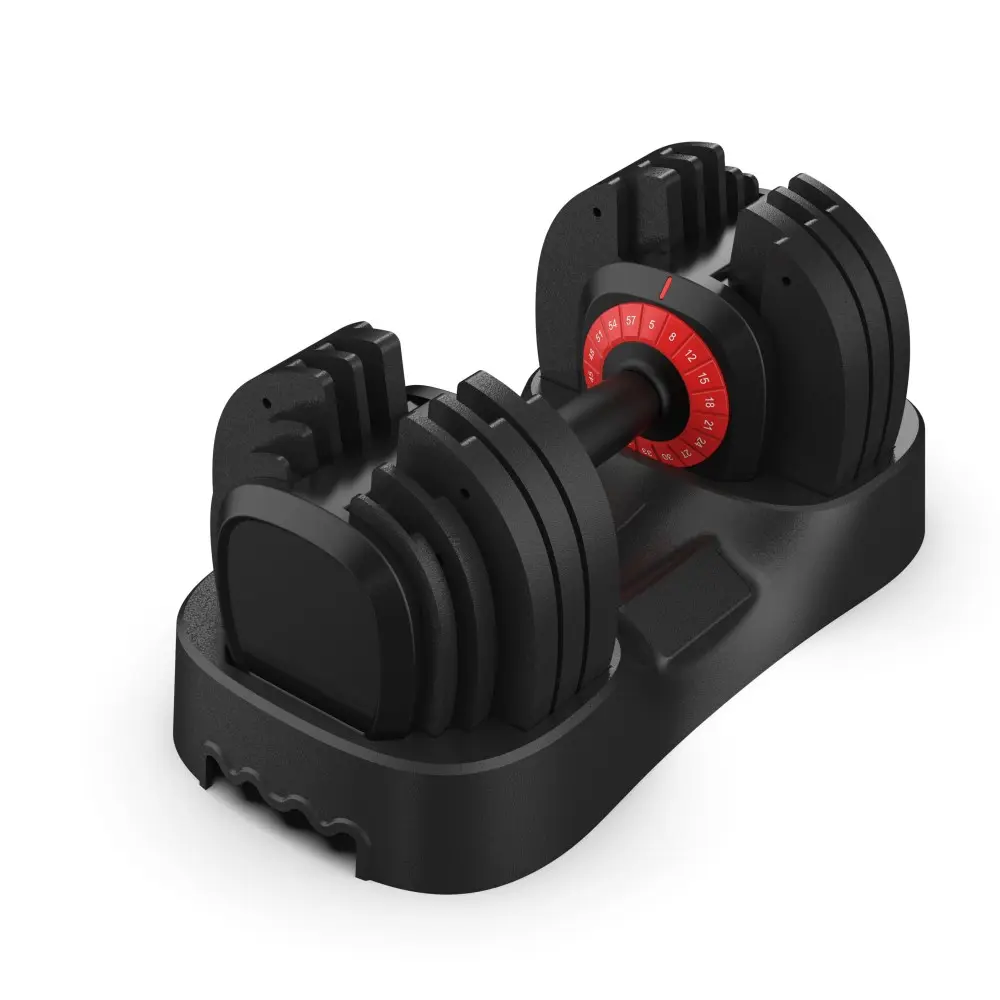
Adjustable dumbbell strength factory
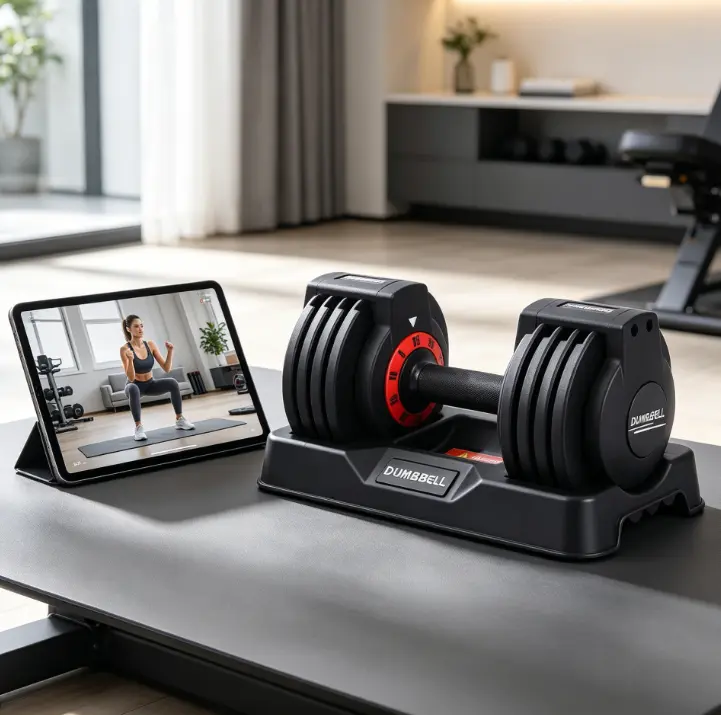
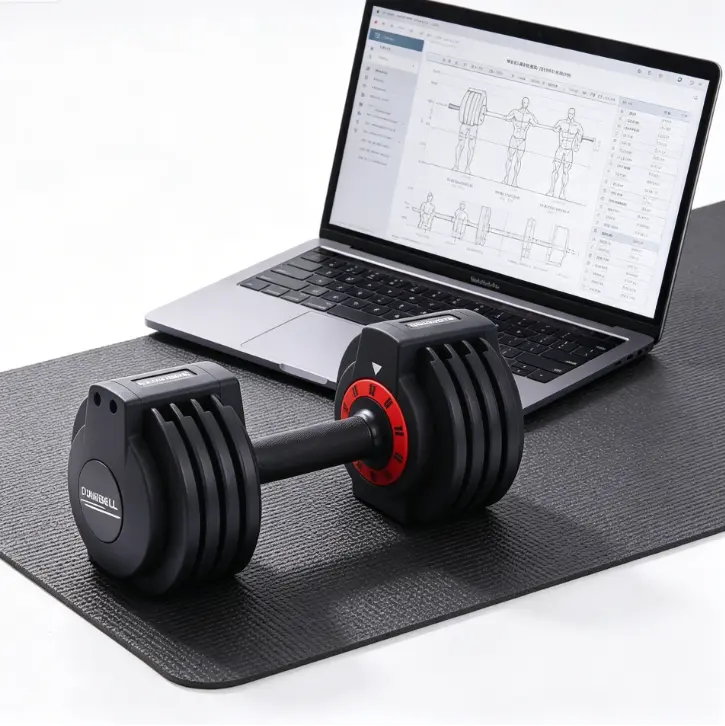


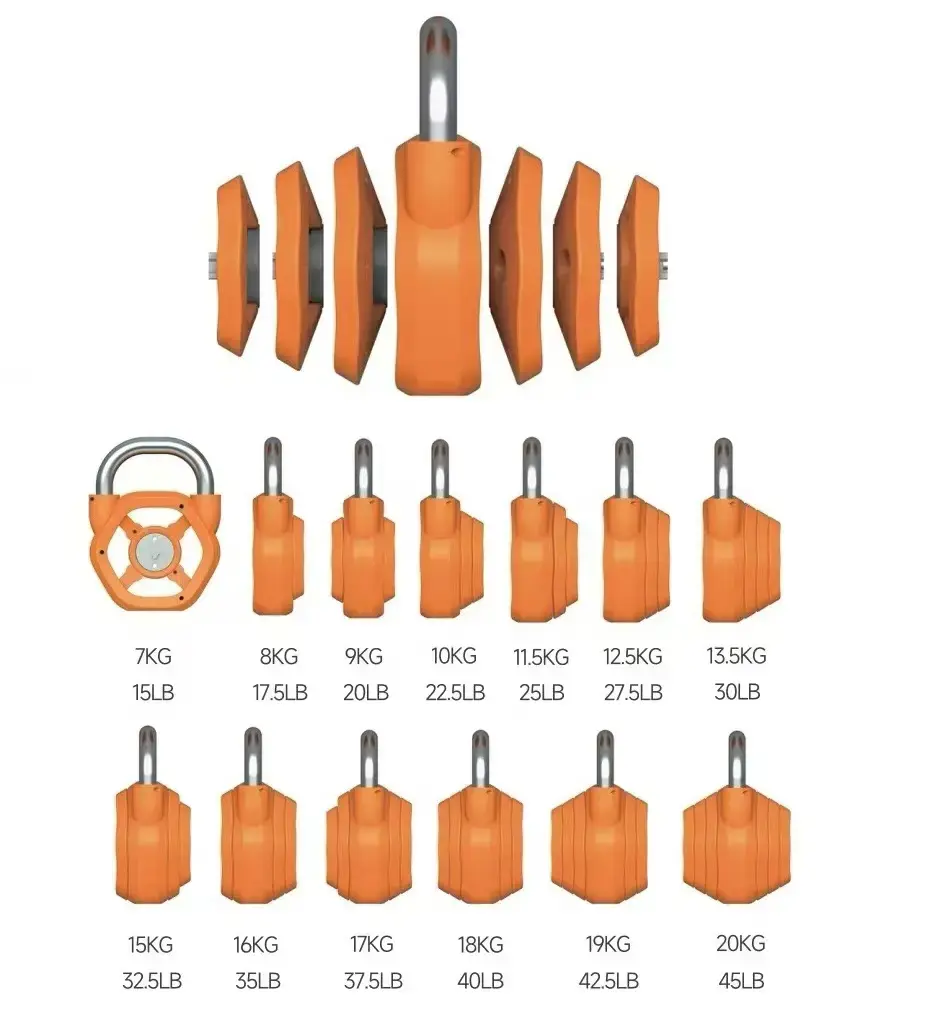
How to Check Supplier Production Capacity for Big Container Orders
Whether you are a first-time buyer or a seasoned importer, understanding check supplier production capacity for big container orders requires more than browsing a catalog. Material grades, manufacturing tolerances, certification standards, and supplier capabilities all play a role. This guide explains each factor in plain language.
What This Guide Covers
If you have ever felt overwhelmed by the number of check supplier production capacity for big container orders options on the market, this guide is for you. We will walk through the entire process, from understanding what matters most, to evaluating suppliers, to placing your first order with confidence.
The fitness equipment market is full of choices, and not all of them are created equal. By the end of this article, you will have a clear framework for making a purchasing decision that fits your budget, timeline, and quality requirements.
Key Concepts You Need to Know
Every industry has its own vocabulary, and fitness equipment is no exception. Understanding terms like tolerance, finish grade, load rating, and certification compliance will help you communicate effectively with suppliers and avoid costly misunderstandings.
Think of this section as your cheat sheet. Bookmark it, refer back to it during supplier conversations, and use it to verify that the factory you are talking to actually knows what they are doing, not just selling.
Step-by-Step Process
Here is the step-by-step process that experienced buyers follow when sourcing check supplier production capacity for big container orders:
1. Research the market. Understand typical price ranges, common materials, and standard certifications for check supplier production capacity for big container orders in your target market.
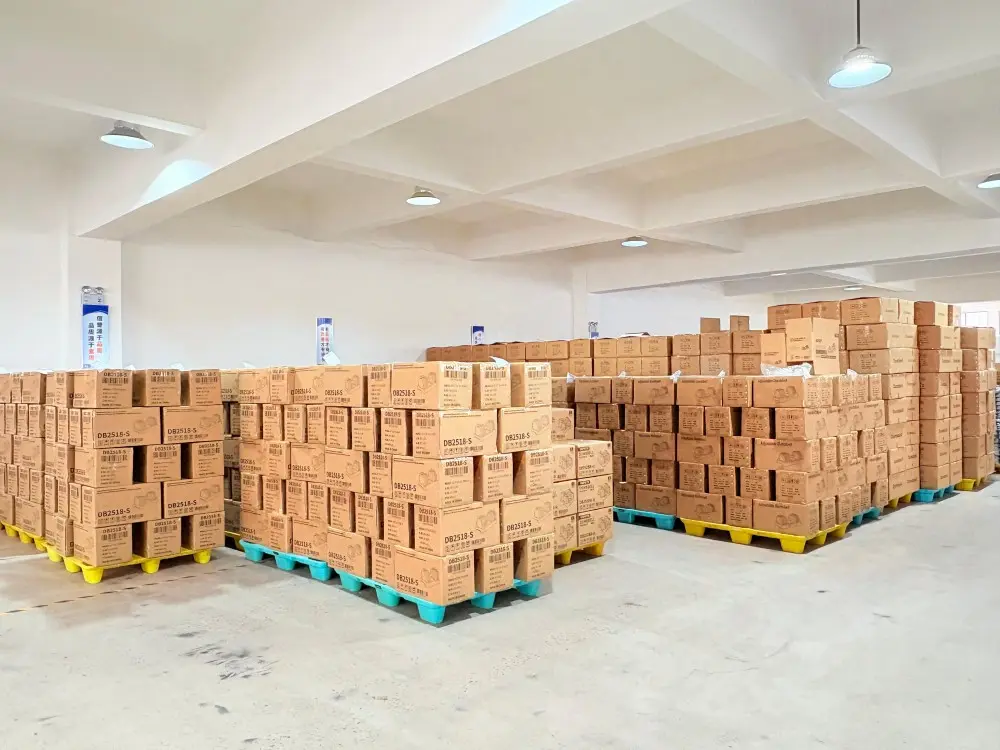
2. Identify potential suppliers. Look for manufacturers with proven export experience to your region. Check their years in business, production capacity, and client reviews.
3. Request samples. Always order samples before committing to a bulk order. Evaluate build quality, finish, and packaging.
4. Negotiate terms. Discuss MOQ flexibility, payment structure, and delivery timelines. Get everything in a written contract.
5. Arrange quality control. Hire a third-party inspection agency to check the first production run. This single step can save you thousands of dollars.
Expert Tips for Better Results
Start small and scale up. Place a trial order before committing to large volumes. This lets you test the supplier's reliability without risking too much capital.
Ask for references. A reputable supplier should be willing to put you in touch with existing customers, especially those in your market.
Understand the total cost. Factor in not just unit price but also shipping, duties, inspection fees, and potential return costs. The cheapest unit price is not always the cheapest landed cost.
Common Mistakes to Avoid
Choosing based on price alone. The lowest quote often comes with hidden costs: lower material grades, thinner walls, cheaper packaging, or skipped quality steps.
Skip the sample phase. Ordering directly without seeing a sample is the most common, and most expensive, mistake first-time buyers make.
Ignoring certification requirements. If your destination market requires CE, FCC, or FDA compliance, make sure the supplier can provide valid documentation before you pay.
Recommended Products
Explore our curated selection of products related to check supplier production capacity for big container orders. Each link below takes you to a dedicated product page with full specifications:
Product Catalog:
Sourcing Notes
Incoterms clarity: FOB gives you control over freight and insurance. DDP shifts responsibility to the supplier but often includes a hidden margin. Choose based on your logistics capability.
Certificate verification: Always cross-check supplier certificates against the issuing body's database. Expired or mismatched certificates are a common cause of customs rejection in regulated markets.
Frequently Asked Questions
Q1: How can I ensure consistent quality across orders?
Use AQL sampling inspection (Level II, AQL 2.5) for every shipment. Document quality baselines with your first order and compare subsequent batches against them. If quality drifts, address it with the supplier immediately.
Q2: What certifications do I need for my market?
For Europe: CE marking and RoHS compliance. For the US: FCC (electronics), FDA (food contact), and applicable ASTM standards. For fitness equipment specifically, look for CE, RoHS, ISO 9001. Always request actual certificate copies.
Q3: What happens if the products are defective?
Your purchase contract should specify defect thresholds, AQL levels, and remediation procedures. If defects exceed agreed limits, the supplier should rework, replace, or credit the defective units. Third-party inspection reports support your claim.
Q4: How do I calculate the total cost of importing?
Add: unit price + tooling (if applicable) + packaging + inland freight to port + sea/air freight + customs duties + inspection fees + insurance. Many importers underestimate total cost by 20-30% because they only look at the unit price.
Q5: What is the best way to communicate with Chinese suppliers?
Email for formal communication and documentation. WeChat or WhatsApp for quick questions. Video calls for factory tours and relationship building. Always follow up verbal agreements with written confirmation to avoid misunderstandings.
Conclusion
The difference between a smooth sourcing experience and a costly disaster is almost always preparation. Know what you need, know who you are buying from, and document everything. When you are ready to move forward, browse our complete product range and request a sample to verify quality firsthand.