
Adjustable dumbbell strength factory



Why Adjustable Dumbbells Come Back: Reading Return Reasons and Fixing Them Before the Next Container
How a 9.4 Percent Return Rate Ate a Quarter of Margin
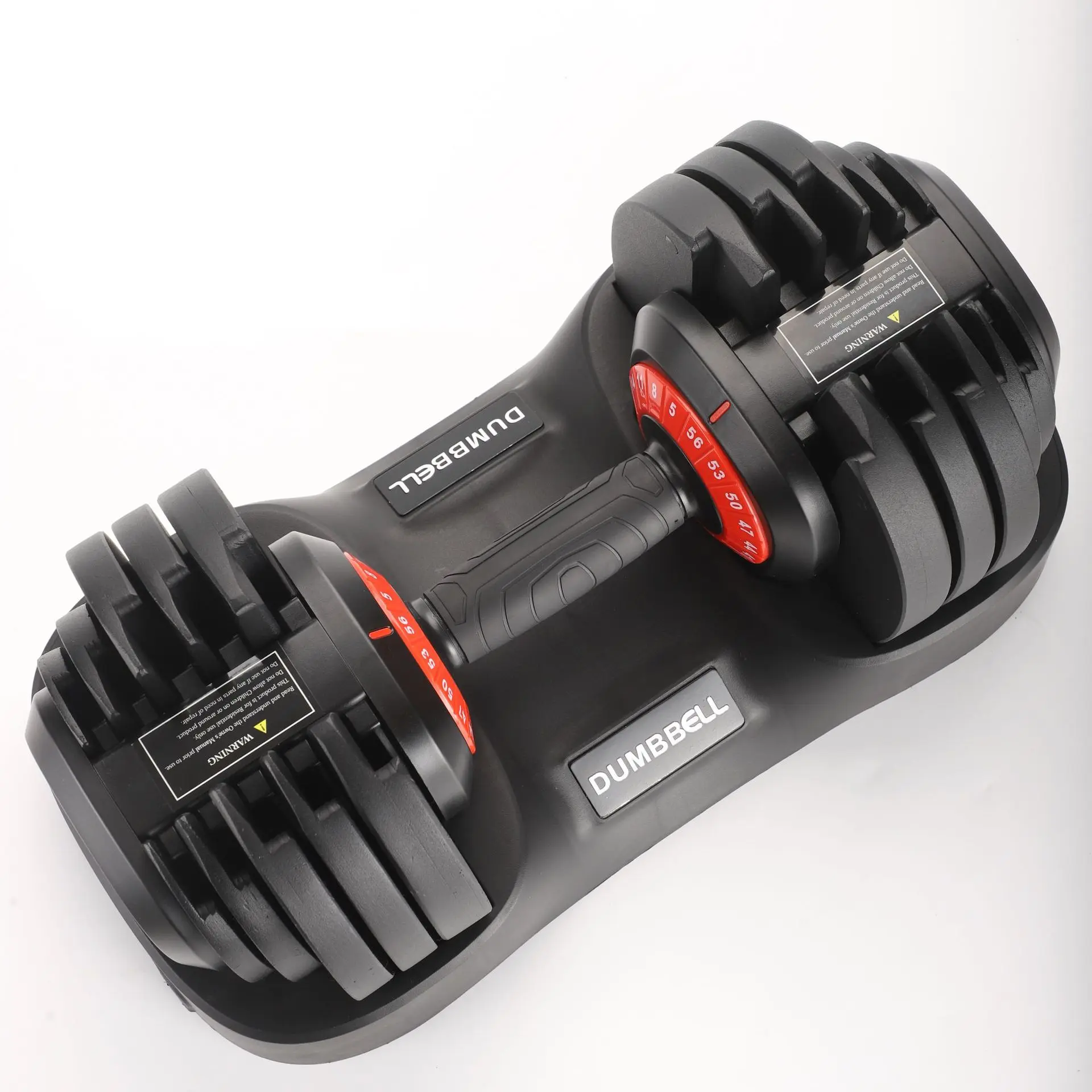
A US third-party seller shipping a 25 kg Adjustable Dumbbell SKU from a Ningbo warehouse shipped 4,000 units in one quarter and took back 376 returns at a 9.4 percent rate. The top reason was not damage or defect but not as described on weight feel and adjustment at 38 percent, with missing small parts at 19 percent. Each return cost USD 11 in handling and inspection plus an unsellable unit, so the quarter burned roughly USD 16,200 in pure return cost. The damage to the listing was worse, as negative reviews cut conversion by an estimated 12 percent on the next batch.
What a Healthy Return Rate Actually Looks Like
Return rates vary sharply by channel, so the target must match where you sell. On a marketplace such as Amazon or eBay a healthy rate sits at 4 to 6 percent because buyers cannot feel the product first. On an own Shopify or brand site the bar is tighter at 2 to 4 percent, since the buyer chose you directly. Selling to a gym chain or retail buyer should land at 1 to 3 percent under contract inspection. A 9.4 percent rate is roughly double a marketplace ceiling and signals a fixable listing or packing problem rather than a bad product. A wrong target lets a 9 percent rate pass as normal and hides the real fix. Set the return-rate target by channel before judging any batch.
The Usual Return-Reason Stack and Its Shares
Most adjustable dumbbell returns fall into a predictable stack with stable shares. The common split is:
- Perceived weight discrepancy or wrong expectation at about 34 percent of all returns.
- Adjustment mechanism confusion at about 18 percent of returns.
The rest splits as in-transit damage 16 percent, coating smell or oil 12 percent, missing knobs and trays 11 percent, and genuine defects 9 percent. The lesson is clear: more than half of returns are expectation or information failures, not factory faults. A correct listing and a clear quick-start card prevent most of them before the box leaves the factory. Track the share of each reason every month so the trend is visible.
Fixing Each Reason at the Source
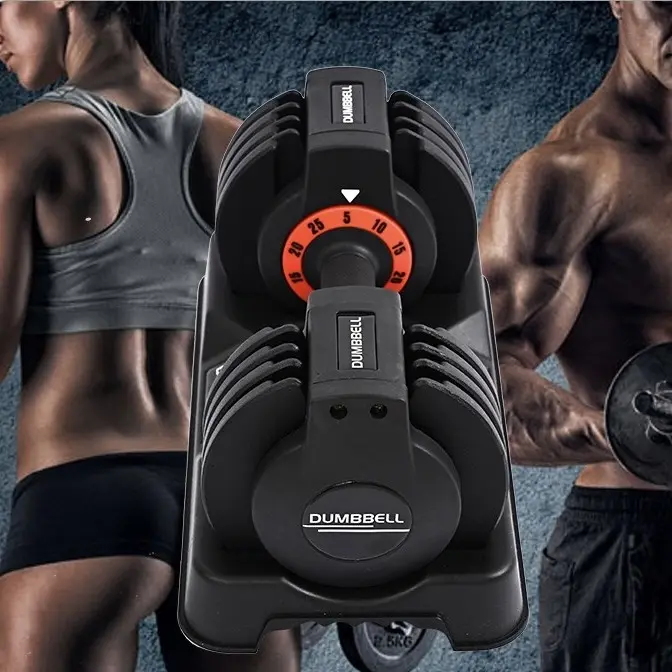
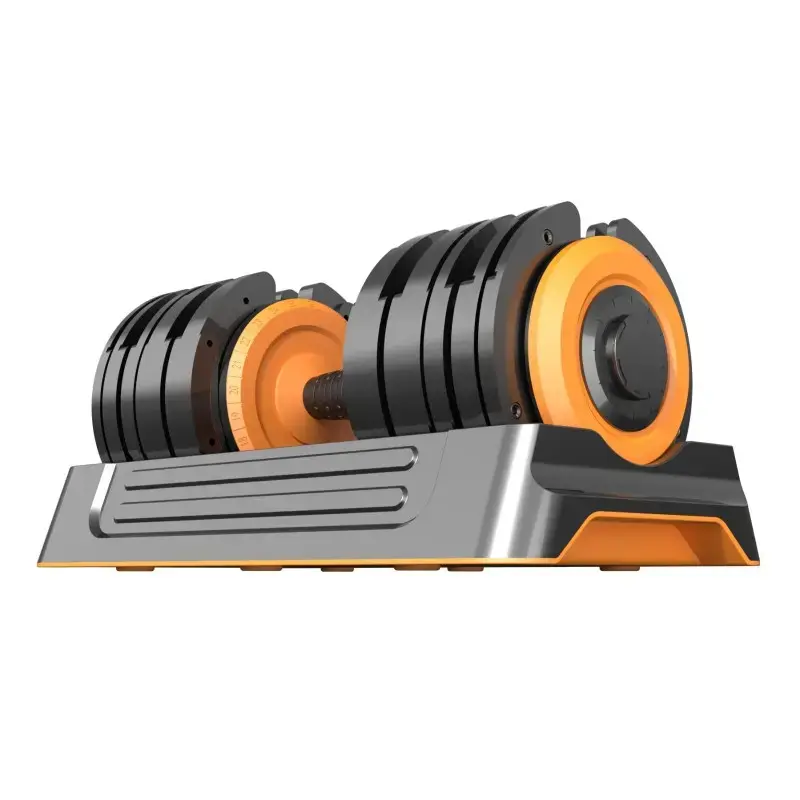
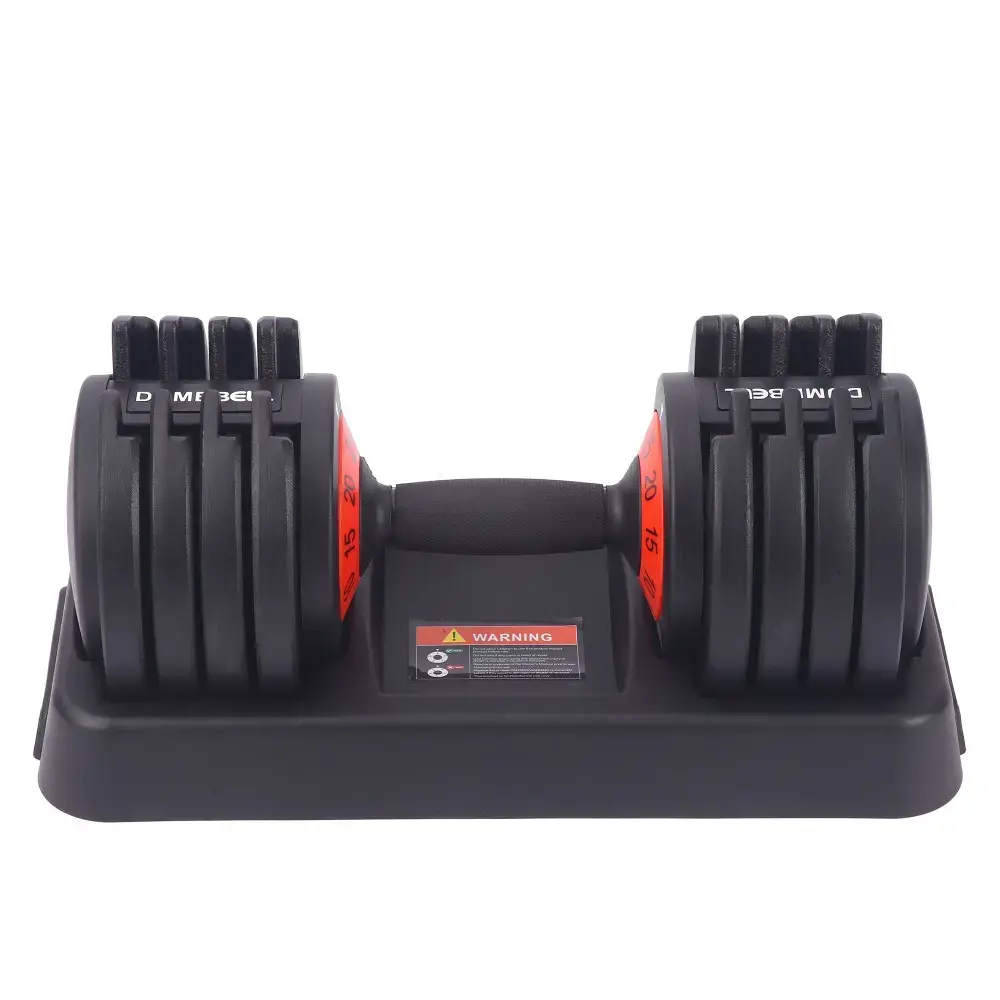
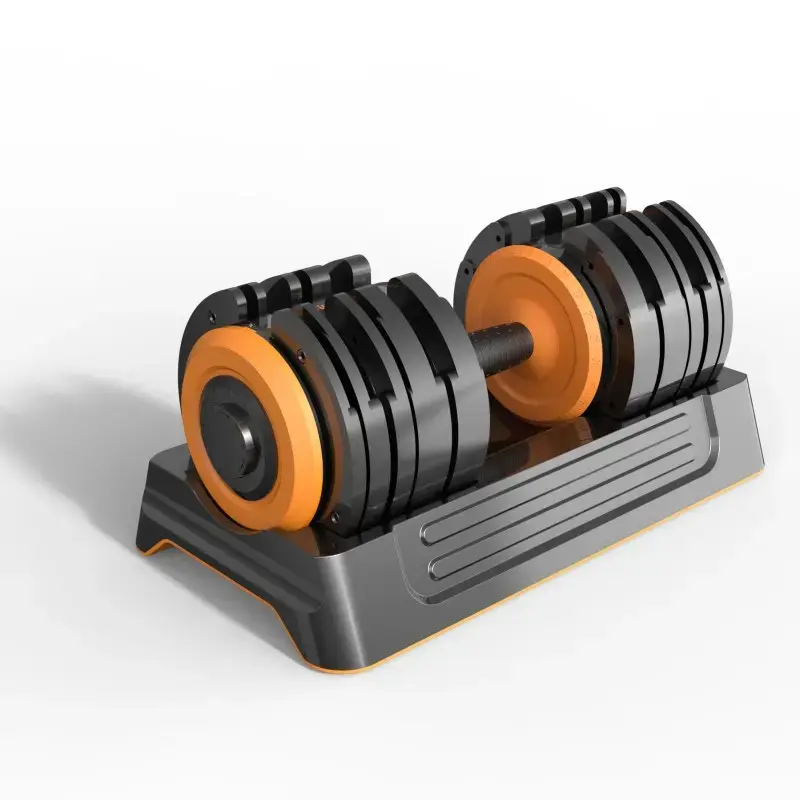
Each reason has a cheap source fix. List the exact weight per hand and every included part so buyers know what arrives, and ship a one-card quick-start guide plus a QR video for the adjustment step. Protect cartons with end-cap and corner guards signed off after a drop and vibration test to cut transit damage. Control coating cure and odour before packing so units do not smell of oil on arrival. Ship a bagged hardware kit with a visible checklist so no knob or tray is missing, and run a first-article and AQL inspection focused on those five failure points. The 25 kg adjustable dumbbell for home gym ships cleanest when this checklist is enforced at the line.
The Returns Data Loop That Pays for Itself
A return reason is only useful if it is coded and read. At the warehouse, code every return against a fixed reason list and stamp the batch and factory on the card. Review the stack monthly against batch and factory records so a bad batch is caught before the next container sails. A spike in missing trays from one batch points to a packing-line slip, not a design flaw. Close the loop by feeding the top reason back to the factory as a corrective action with a due date. This discipline prevents the next container from repeating the error at almost no cost. Importers using the adjustable cast iron dumbbell set 25 kg should demand this coded loop in the supply contract.
Warranty and Spare Parts Beat a Return
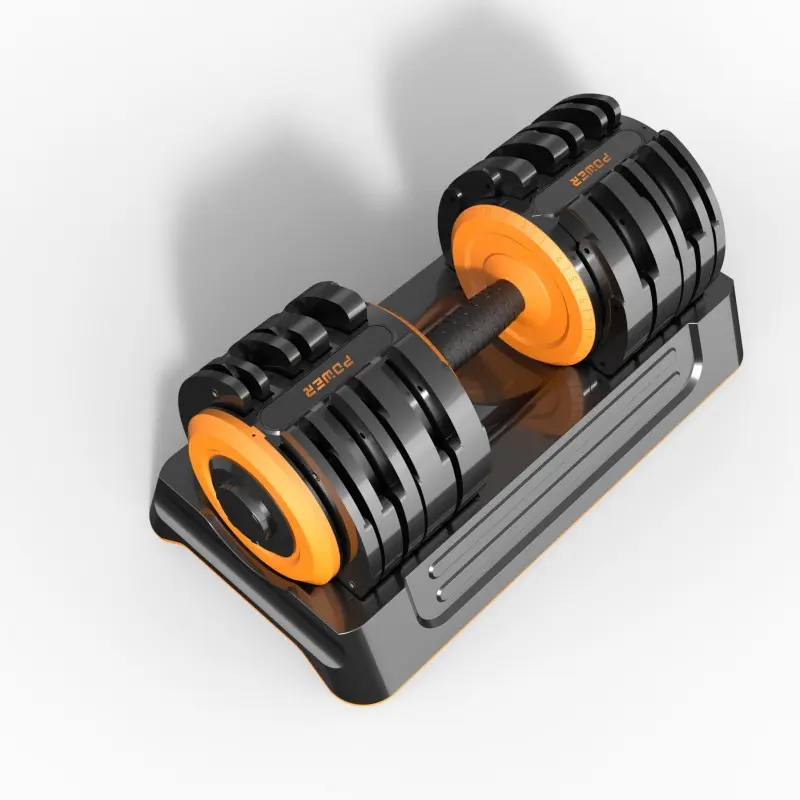
Many returns are really requests for a missing part or a stuck selector. A spare-part kit and a clear warranty answer the buyer without a full return, which protects both margin and the listing. Stock knobs, trays and selector pins at the destination warehouse so a replacement ships in two days, not two weeks. A returned and restocked unit loses 30 to 50 percent of value, while a USD 3 spare part keeps the sale whole. The 25 lb automatic quick change dumbbell benefits most from a fast selector-pin spares program because the pin is the common wear item.
The Pre-Shipment Checklist to Halve the Next Rate
An importer can cut the next return rate roughly in half with a fixed gate. Before the container loads, confirm the listing states weight per hand and full contents, the quick-start card and QR video are in the carton, and the hardware kit is bagged with a checklist. Verify coating cure and odour pass and the packing passed drop and vibration checks. Run the AQL inspection on the five failure points and log the result to the batch. The home adjustable dumbbells fitness equipment line should never sail without this gate signed, because the return maths punishes every skip.
The Bottom Line
A 9.4 percent return rate is a listing and packing problem, not a product failure, because most returns are expectation and missing-part issues. Fix them at the source with accurate listings, a quick-start card, a bagged hardware kit and an AQL gate, then close the loop with coded return reasons and cheap spares. Importers who run the pre-shipment checklist before every container typically halve their return rate and protect both margin and the listing rating. A single corrected batch can recover the lost USD 16,200 and rebuild listing conversion within one quarter.