

Adjustable dumbbell strength factory
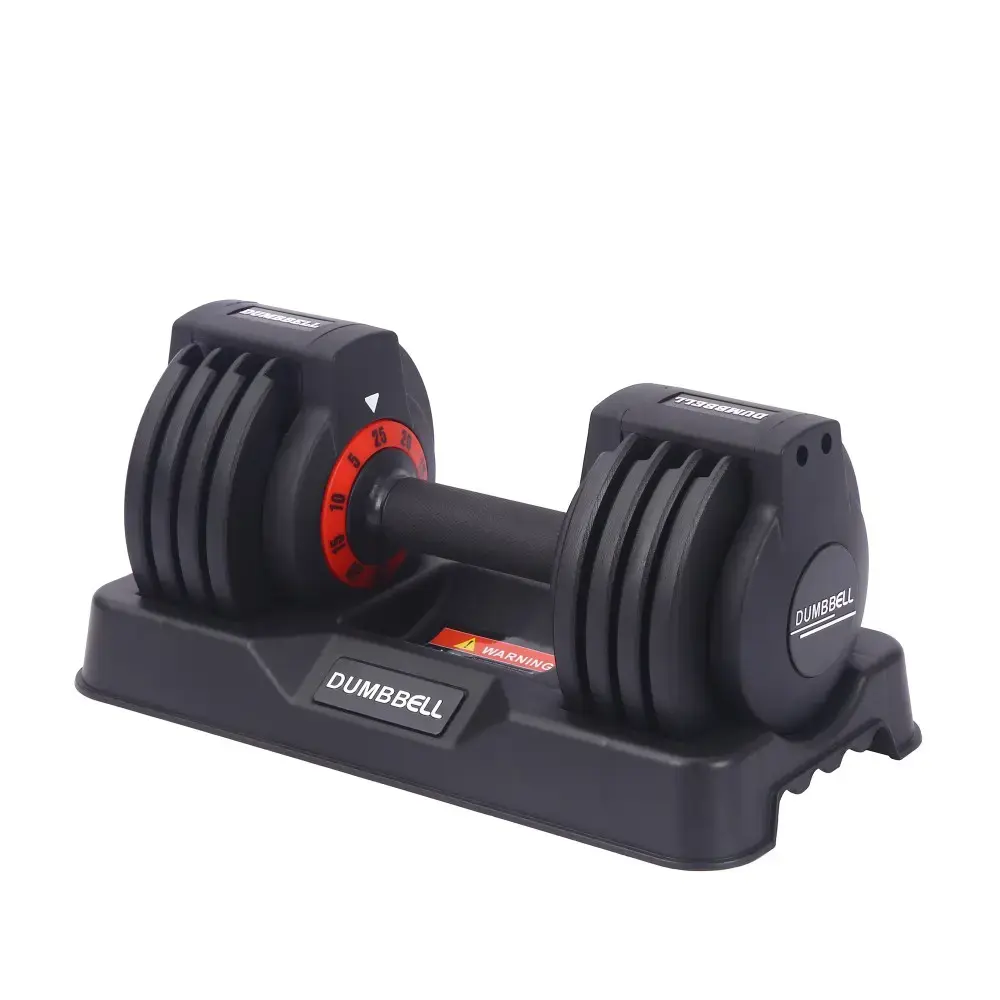
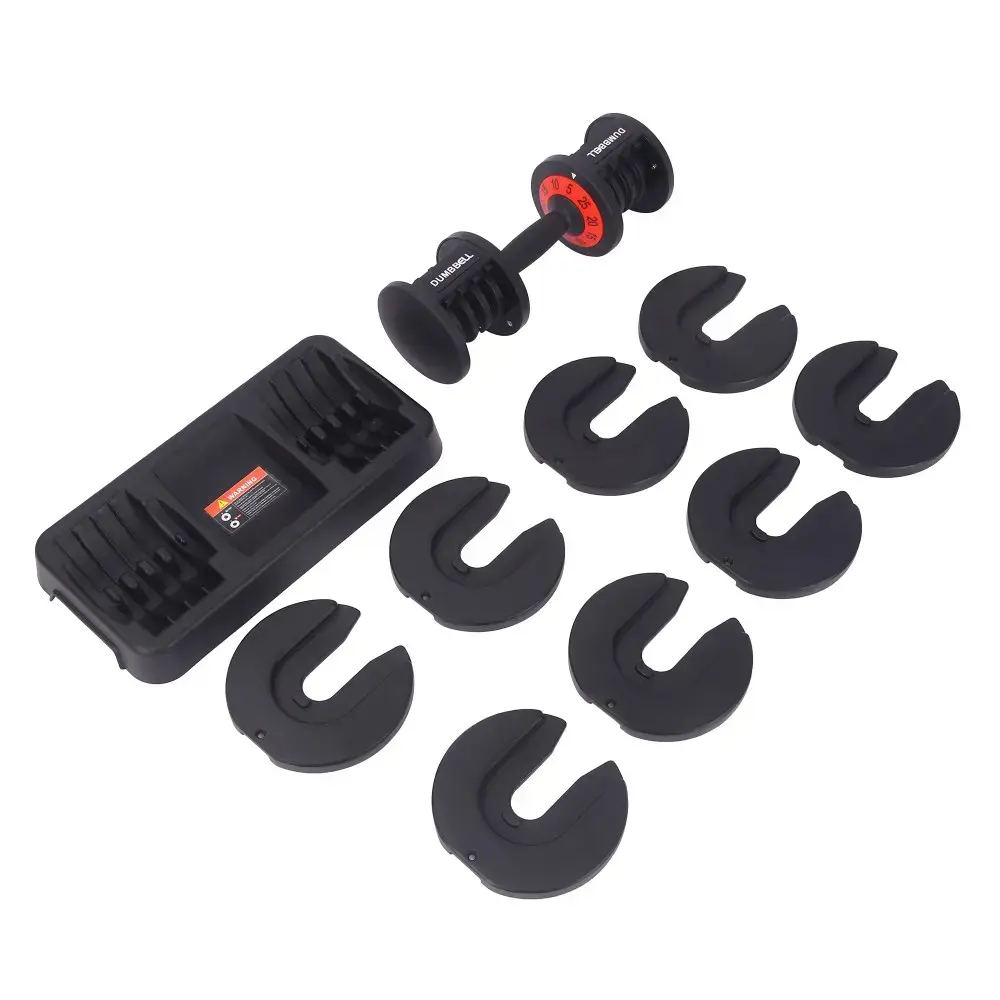
Freight Cube, Carton Drop Test and Landed Cost: How Adjustable Dumbbell Importers Protect Margin Before the Container Sails
The Container That Cost 32 Per Cent More Than Planned
A Chilean importer ordered 1,200 sets of 25 kg adjustable Cast Iron Dumbbells in March against a landed budget of USD 1.62 per kg. The container cleared at USD 2.14 per kg, a 32 % overrun that erased USD 13,800 of gross margin. Nothing had changed in the product. The cartons were simply taller than the quote assumed.
His 40HQ held 480 sets, not the 720 in his model, because real cube was 0.041 m3 per set against the 0.027 m3 on the proforma. Freight was billed on measurement rather than weight, so the shortfall nearly doubled per-unit ocean cost. He found out at the destination terminal, which is the worst possible moment to learn it.
Start With Cube, Not With Weight
Before negotiating a cent, get three numbers in writing: carton dimensions in millimetres, gross weight per carton, and sets per carton. Multiply to cube per set, then divide usable capacity by it. A 40HQ gives about 68 m3 floor-loaded and nearer 58 m3 on pallets; a 20GP returns roughly 28 m3 usable.
Pallets cost money twice over. A 1,100 x 1,100 mm pallet consumes about 0.15 m3 of paid space per layer and adds 20 kg of tare, yet floor-loading a dense iron product risks crushed cartons at the bottom. The workable compromise is slip sheets and stretch wrap below 30 kg per carton, and palletising anything heavier.
Two Freight Bases, One Number That Matters
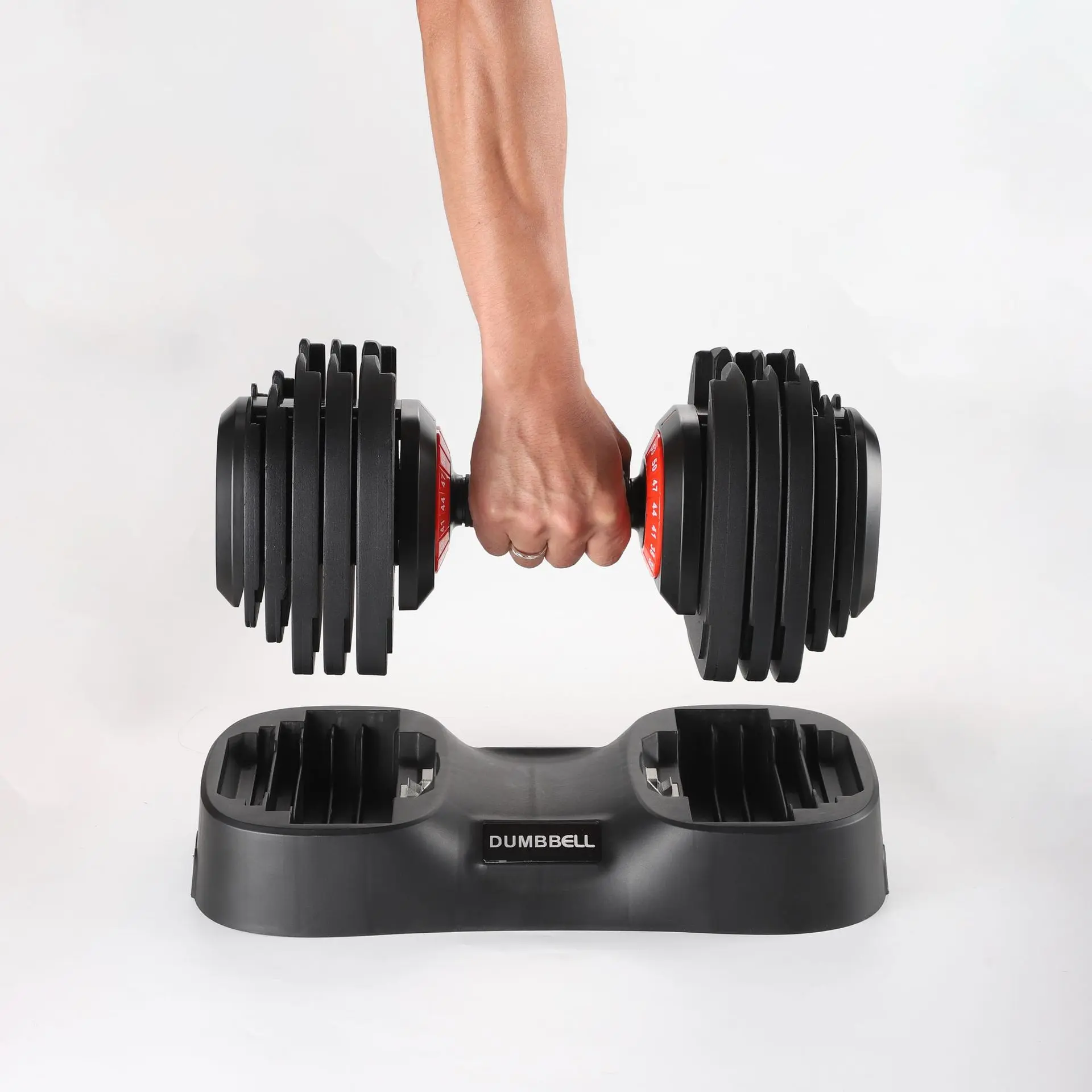
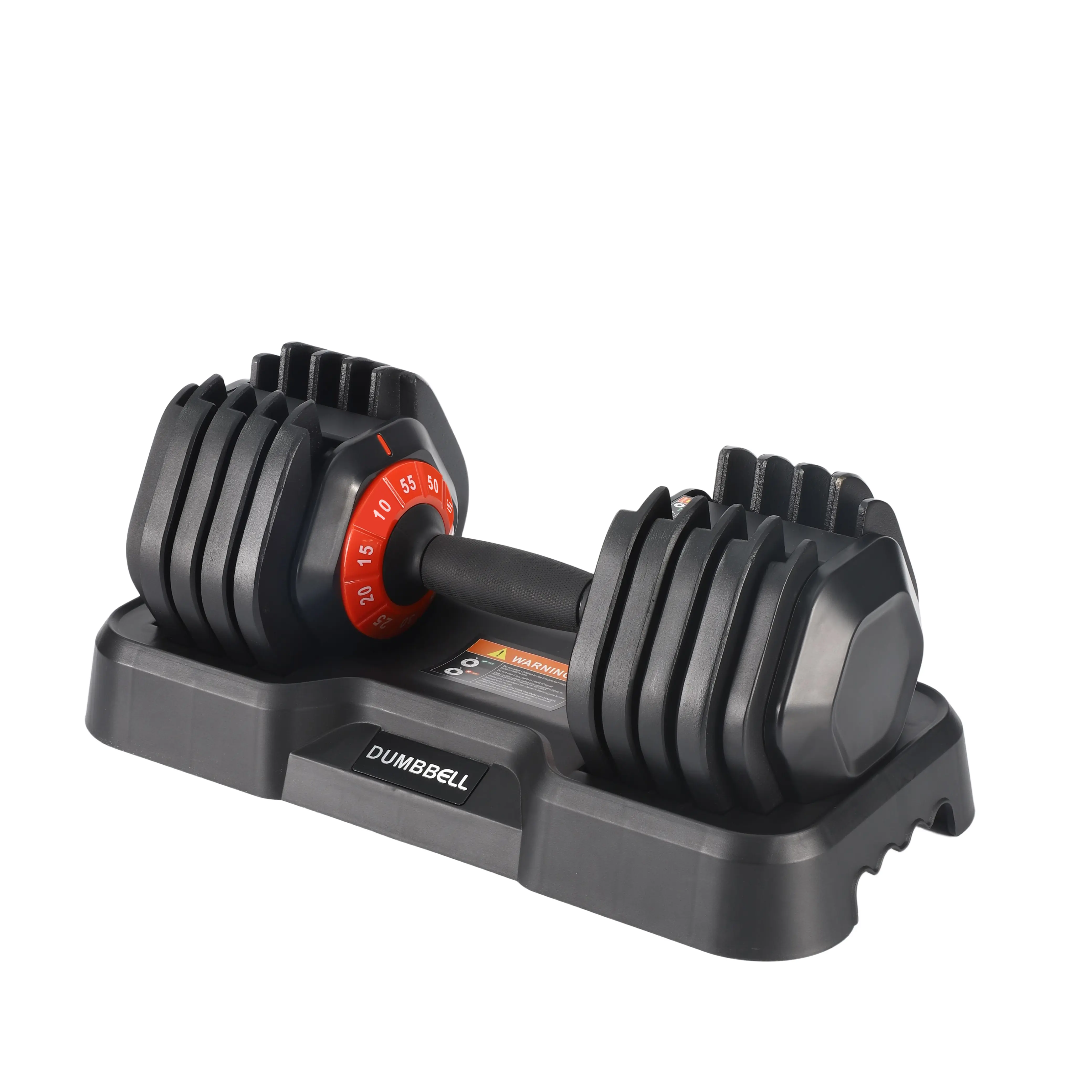
Ocean freight is billed on a weight or measurement basis, whichever earns the carrier more. Iron sit right on the boundary: at 1,000 kg per cubic metre the two bases are equal, below it you pay on cube. A 25 kg set in a bulky carton lands at 450 to 600 kg per m3, so a 25 kg adjustable dumbbell for home gym order is always billed on volume.
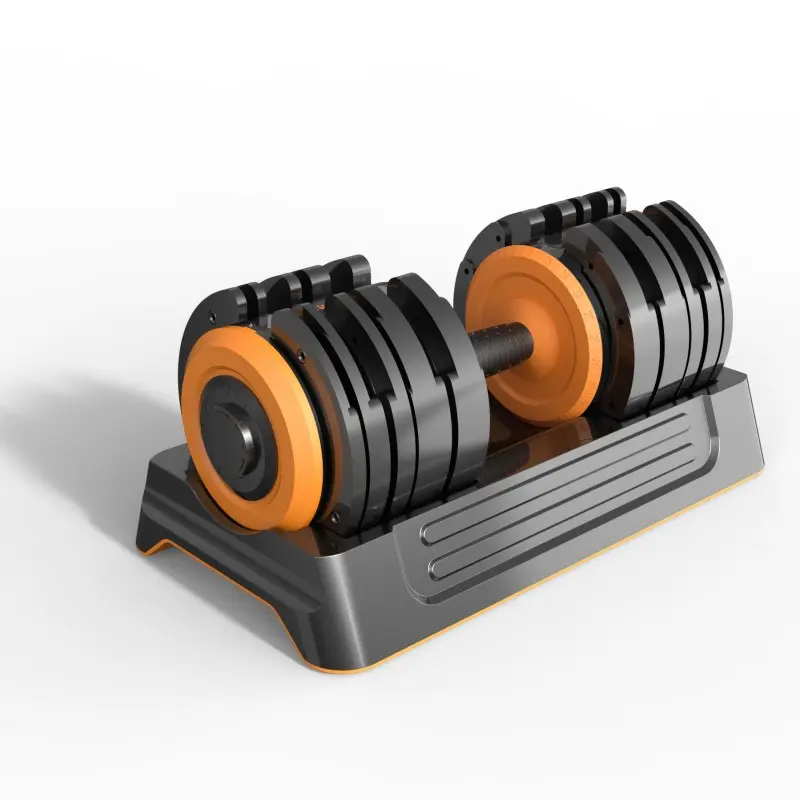
Model landed cost in four lines and refuse to sign without them: FOB unit price, ocean and THC per container, duty by HS code, and last-mile cost per carton. Divide by sets actually loaded, not sets ordered. A adjustable cast iron dumbbell set quoted at 41 USD FOB reaches 52 USD landed when the load falls 30 % short of plan.
Carton Engineering for a Dense Product
Cast iron does not compress, so the carton carries every shock. Specify a five-ply BC flute board for sets to 30 kg and seven-ply above that, with burst strength over 1,400 kPa. Inside, EPE foam at 20 to 25 kg/m3 keeps plates apart; cheaper 12 kg/m3 foam bottoms out in transit and lets metal touch metal.
Edge protection is the cheapest insurance available. Four 3 mm paper corner boards cost under 0.20 USD and prevent the corner crushing behind most claims. Wrap with at least five film layers and strap using 16 mm PET strapping, since polypropylene creeps under load and stacks arrive leaning.
Transit Drop Test: One Corner, Three Edges, Six Faces
Transit drop testing protects the carton, which is a different question from product durability. ISTA 1A defines the sequence: one corner, three edges, six faces, ten drops. Height scales with weight: 760 mm up to 21 kg, then 610 mm from 21 to 41 kg. Demand the video and a signed report, never a verbal assurance.
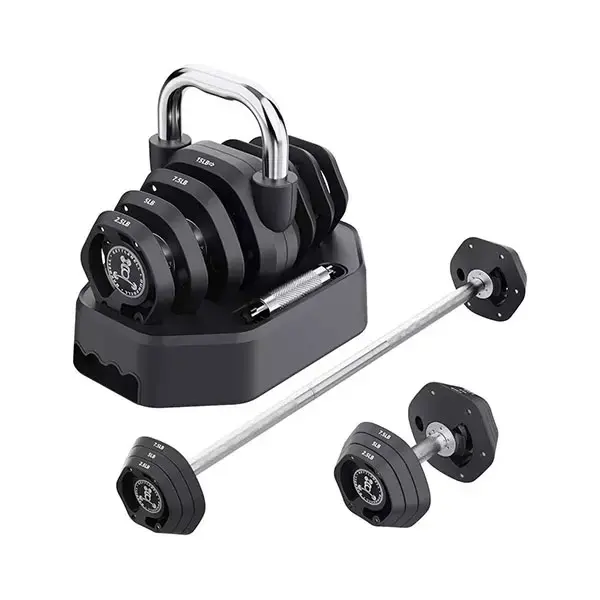
Heavy configurations need a different protocol. A 125 kg adjustable dumbbell ships in a carton that exceeds every courier weight cap, so it moves on a pallet under ISTA 3E. Keep criteria blunt: no plate exposure, no split seams, and corner deformation under 10 mm after the last drop.
Marketplace and FBA Packaging Rules
Stock going direct to a marketplace faces different rules. Amazon caps carton weight at 22.5 kg unless palletised, requires a scannable barcode on two adjacent faces, and rejects staples, string and loose strapping on the outer box. Poly bags over 5 litres need a printed suffocation warning.
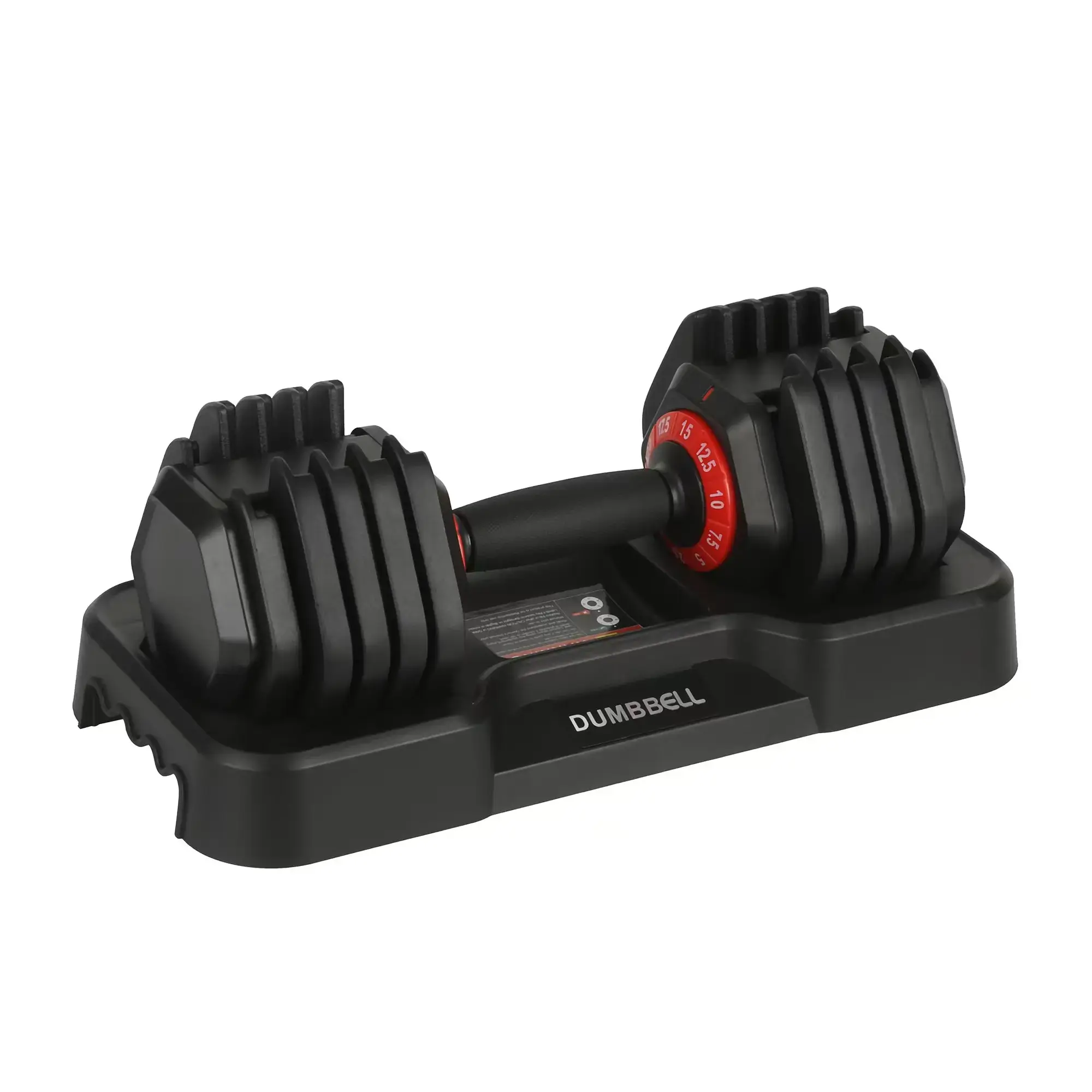
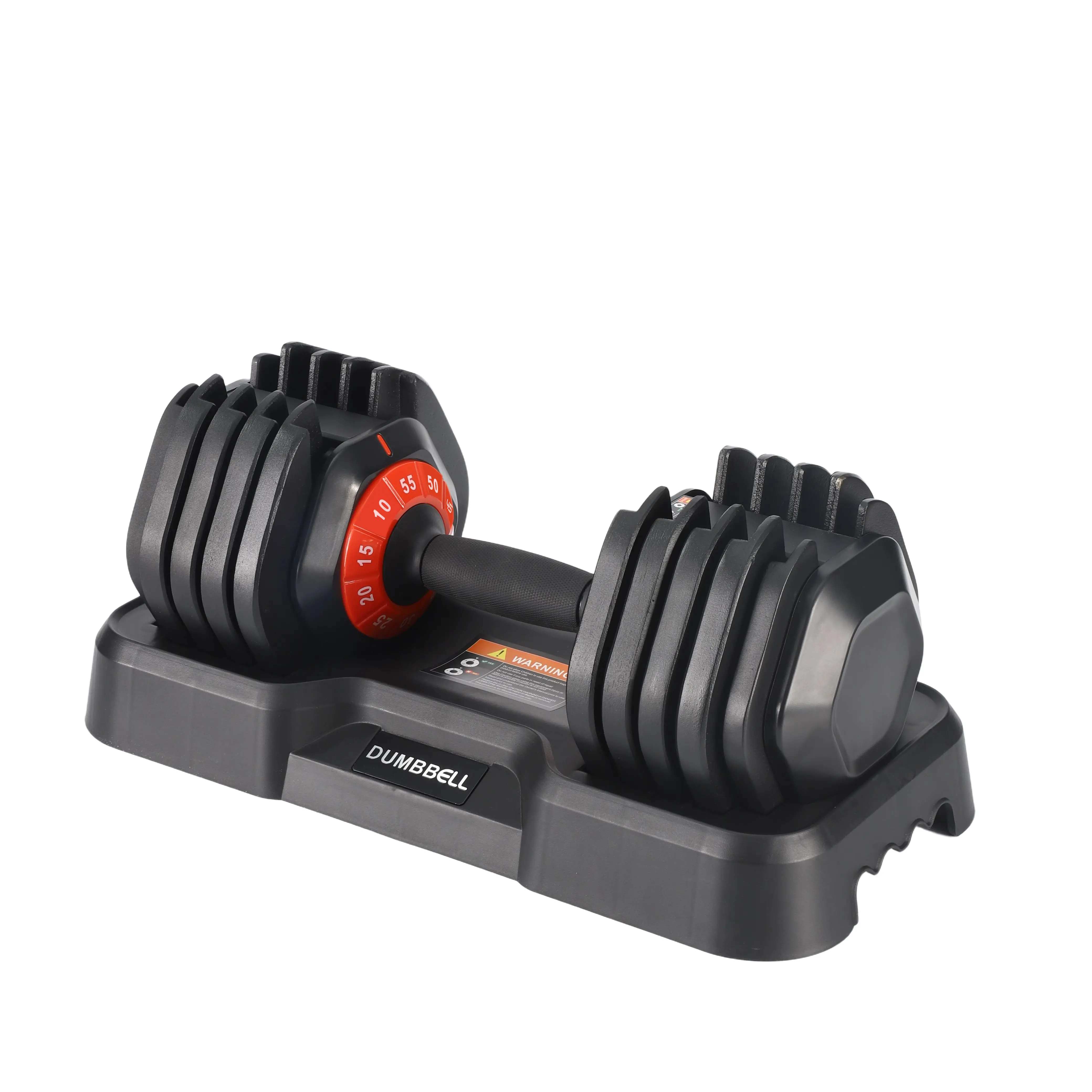
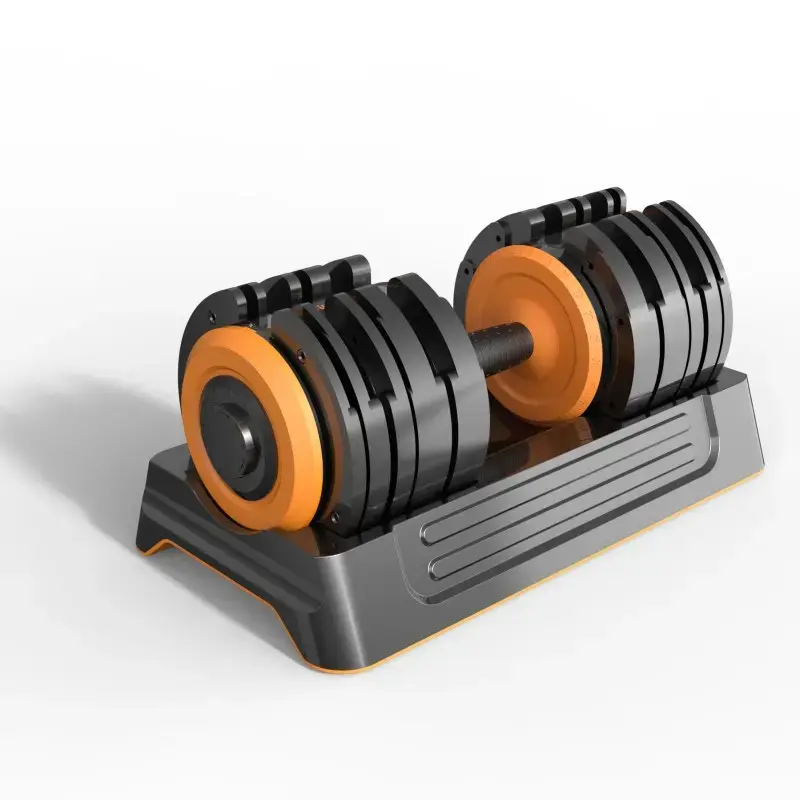
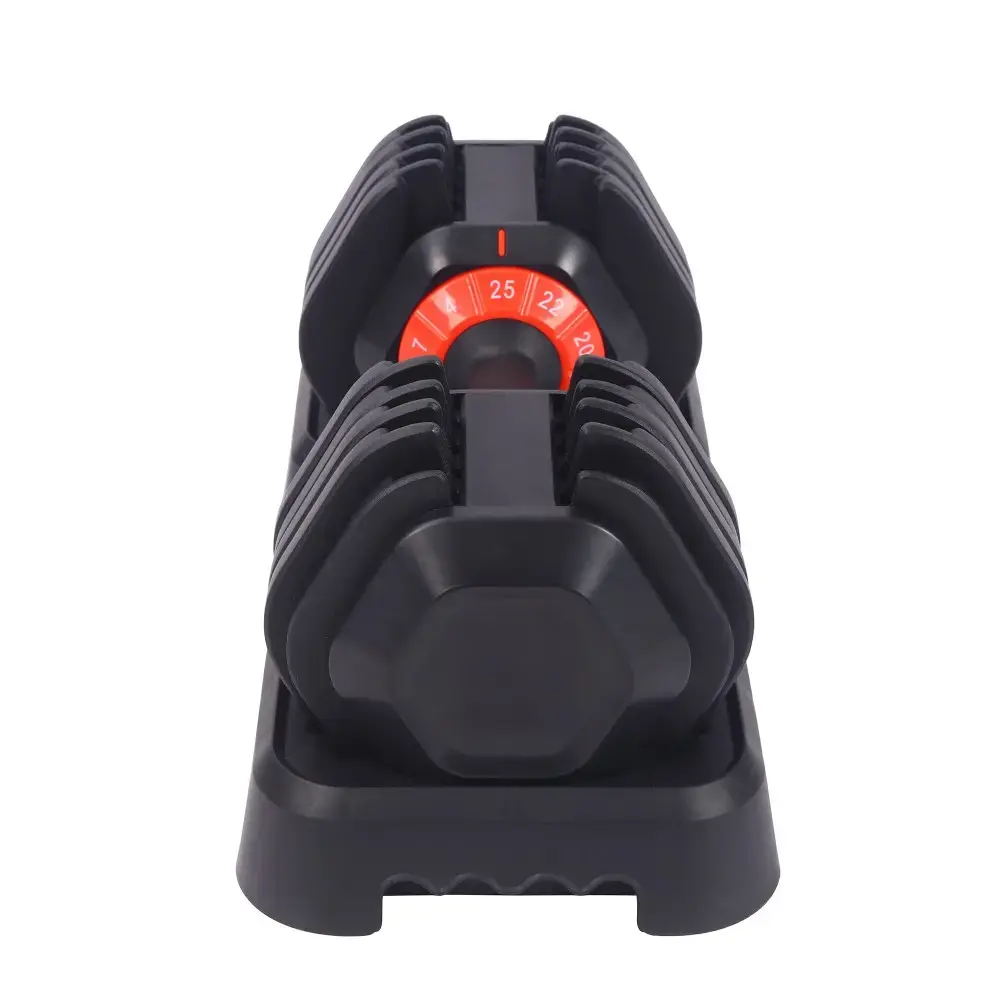
Splitting heavy sets across two cartons to meet the cap is normal, but it raises cube by 8 to 12 % and adds pick and pack labour, so model it before promising dates. Retail-ready formats such as an automatic quick change adjustable dumbbell often skip the repack step entirely.
Packing and Damage Clauses to Lock Down
Attach a packing specification annex to the order covering board ply and grade, foam density, corner boards, strapping type and pallet height limit. Require photographs of the first packed pallet before the balance runs. Without that annex, a crushed carton is your problem, not the factory's.
Then settle the commercial terms: a pre-shipment load plan with set count, a short-load remedy when the container holds less than planned, and a 14-day damage claim window from delivery, evidenced against the pack list. Cap liability for consequential loss, because no supplier accepts open-ended exposure on home adjustable dumbbells or any other heavy line.
Container Loading and Packing Checklist
Run this in the week before booking. It takes an hour.
- Confirm carton dimensions by tape measure, not by datasheet, and recalculate cube per set.
- Book against the load plan after the factory confirms sets actually stowed.
- Verify board ply, foam density and corner boards on one cut-open sample carton.
- Reject any carton over 22.5 kg destined for marketplace fulfilment without a pallet plan.
- Photograph the first pallet and the sealed container, then file both with the pack list.
The Bottom Line
Freight cube is a design decision taken months before the booking, not a shipping detail. Get carton dimensions in writing, model landed cost on sets actually loaded, engineer board and foam to the drop height your weight class demands, and bolt the packing spec into the contract. Miss any one of these and you will pay for it in the last mile rather than the first.