

News
Adjustable dumbbell strength factory


Global Fitness Industry Sees Surge in Dumbbell Procurement
2026-05-28
The global fitness industry is undergoing a structural shift from the home fitness boom to a hybrid fitness ecosystem. This transition has not only driven significant growth in market size but also profoundly reshaped the procurement logic of dumbbells as core strength training equipment. For B2B buyers, understanding the structural drivers behind this recovery is key to optimizing inventory and capturing high-growth market segments.
I. Market Recovery Tone: From "Panic Buying at Home" to "Structural Growth"
Market Size and Growth Projections
According to industry data, the global dumbbell market reached approximately $3.94 billion in 2024** and is projected to expand to **$6.52 billion by 2032, with a compound annual growth rate (CAGR) of around 6.5%. This growth rate notably outpaces the average for traditional sporting goods, indicating that the dumbbell category has transitioned from pandemic-driven "pulse demand" to a stage of sustained growth fueled by rising health awareness.
Dual Engines of Recovery
The ongoing recovery is not a one-dimensional rebound, but is powered by two complementary forces: commercial gym restocking and residential high-end upgrading.
- Commercial Side (B2B): As global gym memberships rebound, chain gyms and boutique studios have entered a cycle of equipment renewal. Unlike 2020–2022, current purchasing decisions prioritize durability and user experience over low-cost bulk restocking.
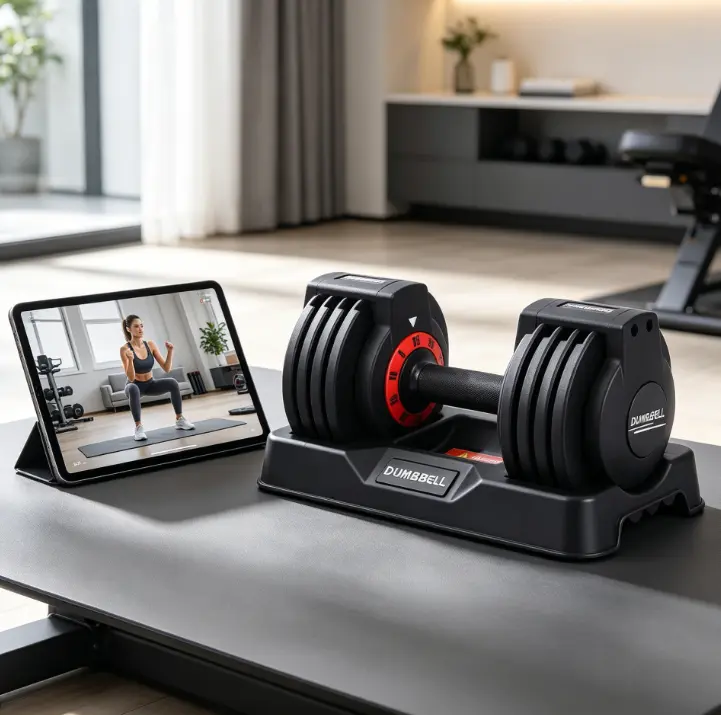
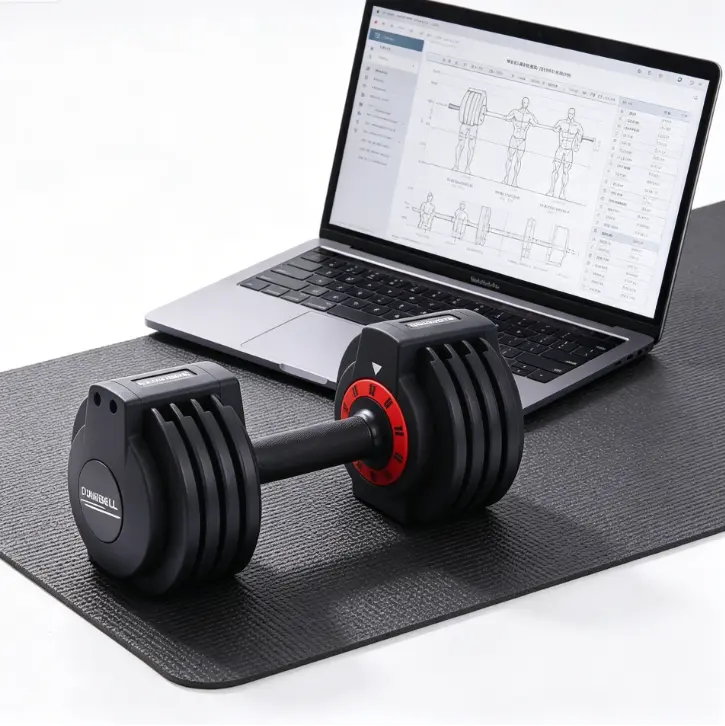
- Residential Side (B2C): Home fitness has evolved from a temporary alternative to a permanent lifestyle. Consumers are no longer satisfied with basic models and are increasingly seeking space efficiency (e.g., Adjustable Dumbbells) and smart connectivity (e.g., app-integrated Smart Dumbbells).
II. Three Core Dimensions Driving Procurement Volume
1. Category Segmentation: Adjustable Dumbbells Become the Growth Engine
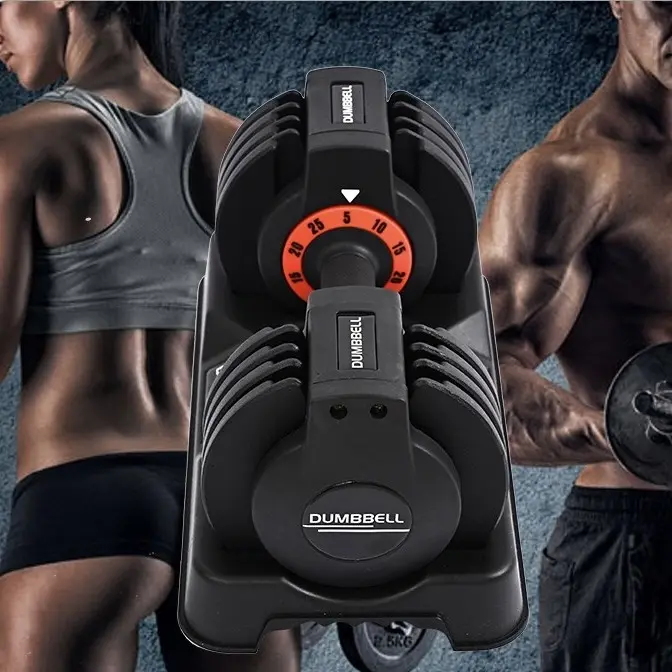
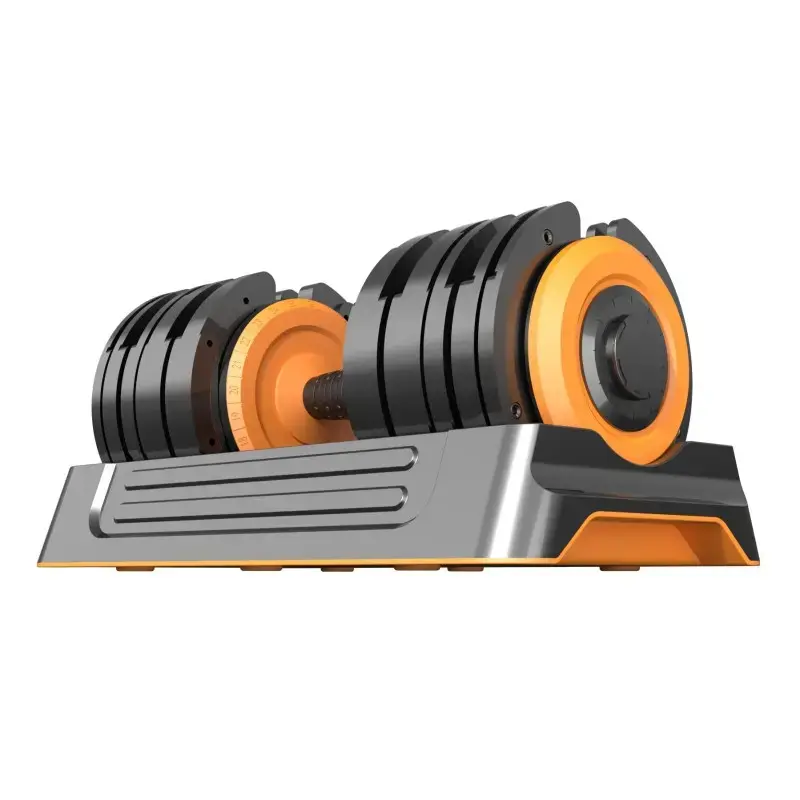
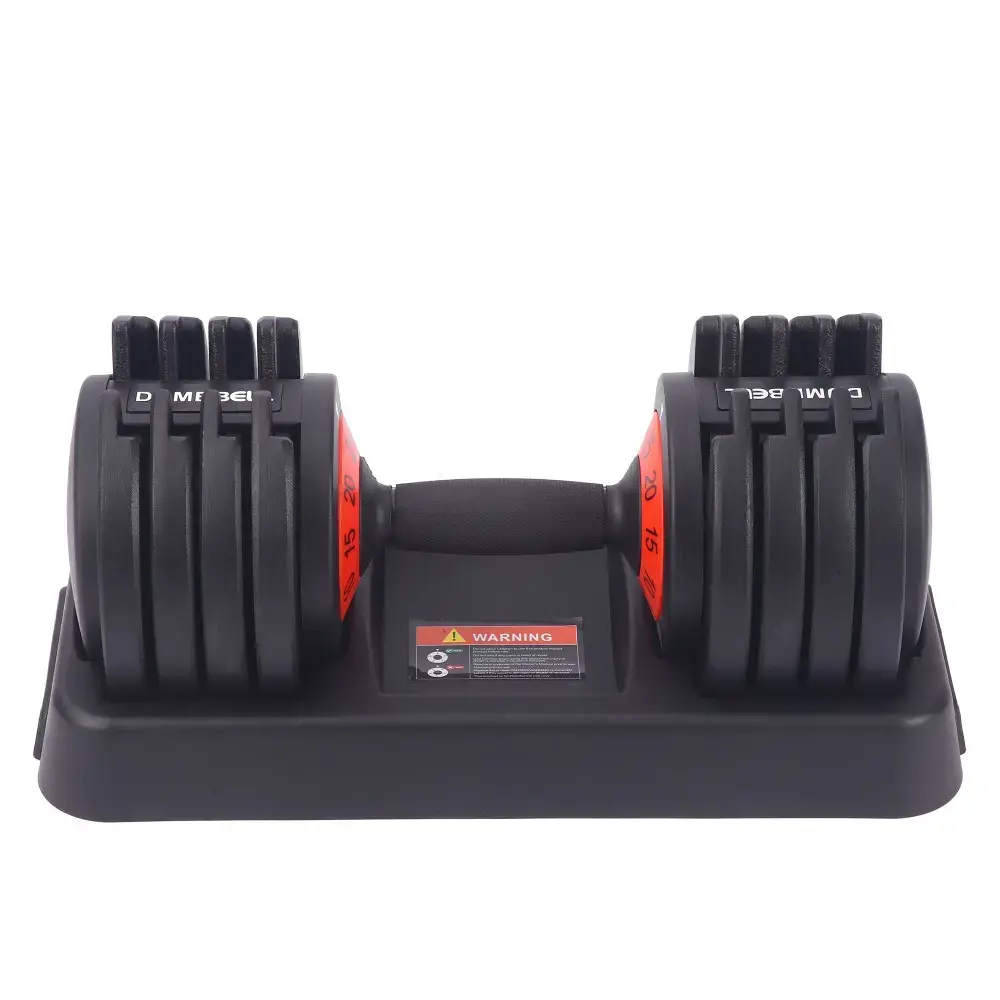
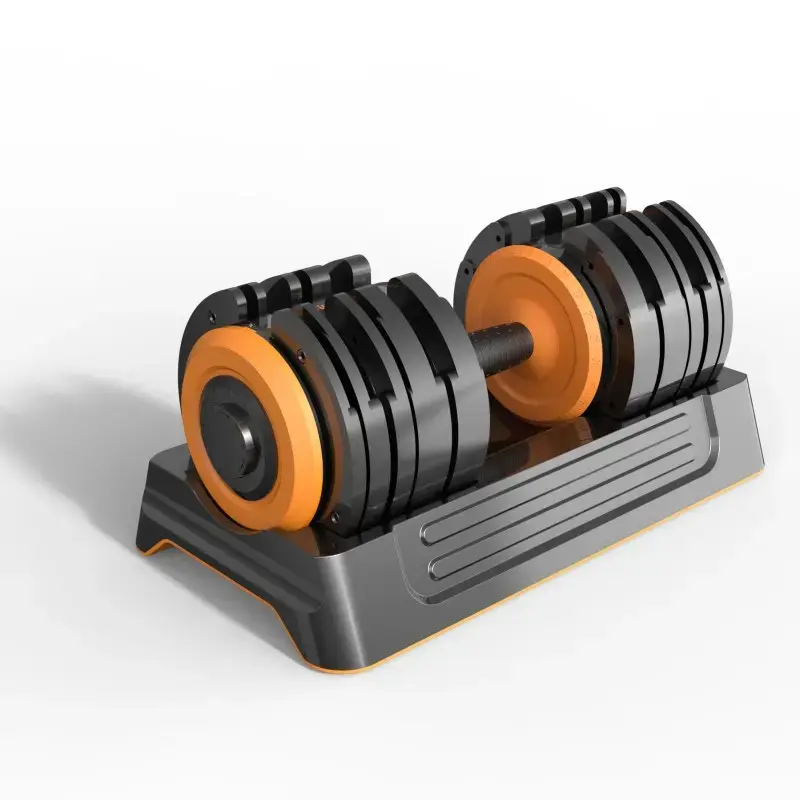
Within the dumbbell category, adjustable dumbbells are growing far faster than fixed-weight dumbbells. Data shows the global adjustable dumbbell market reached approximately $1.24 billion in 2024** and is expected to double to **$2.18 billion by 2033 (CAGR 6.4%).
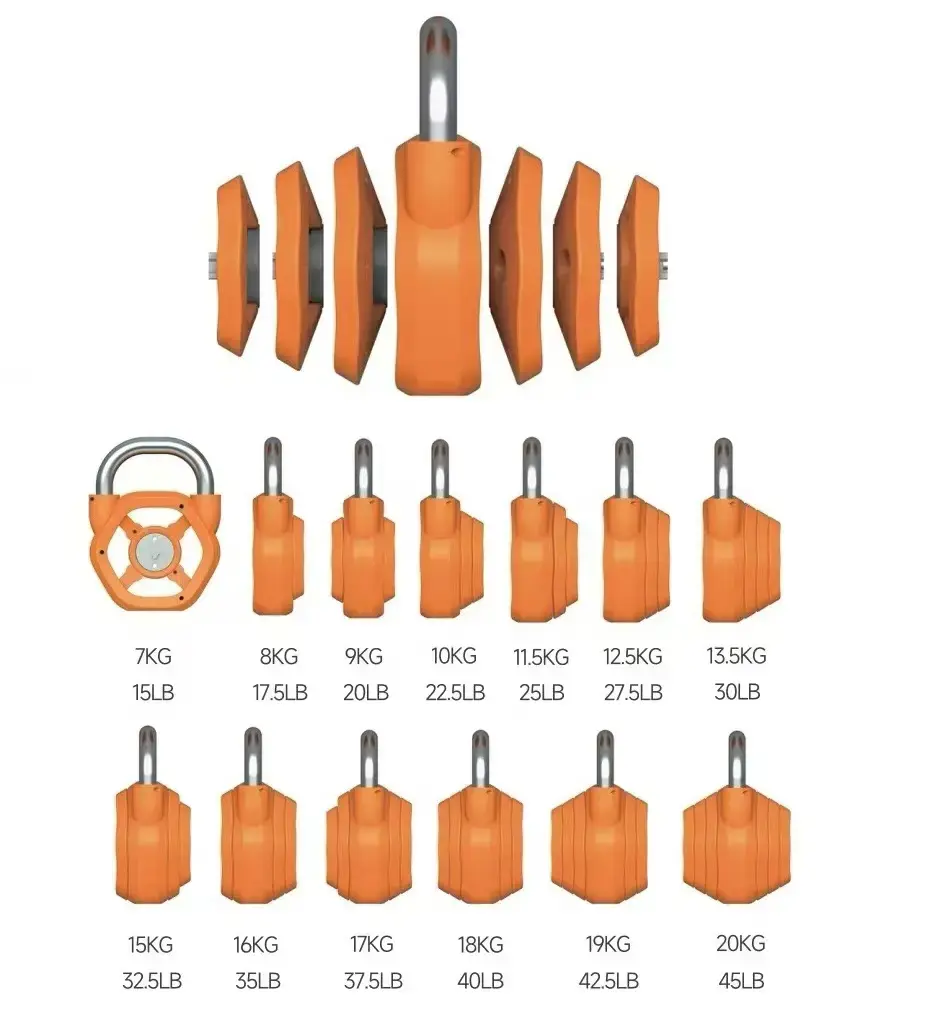
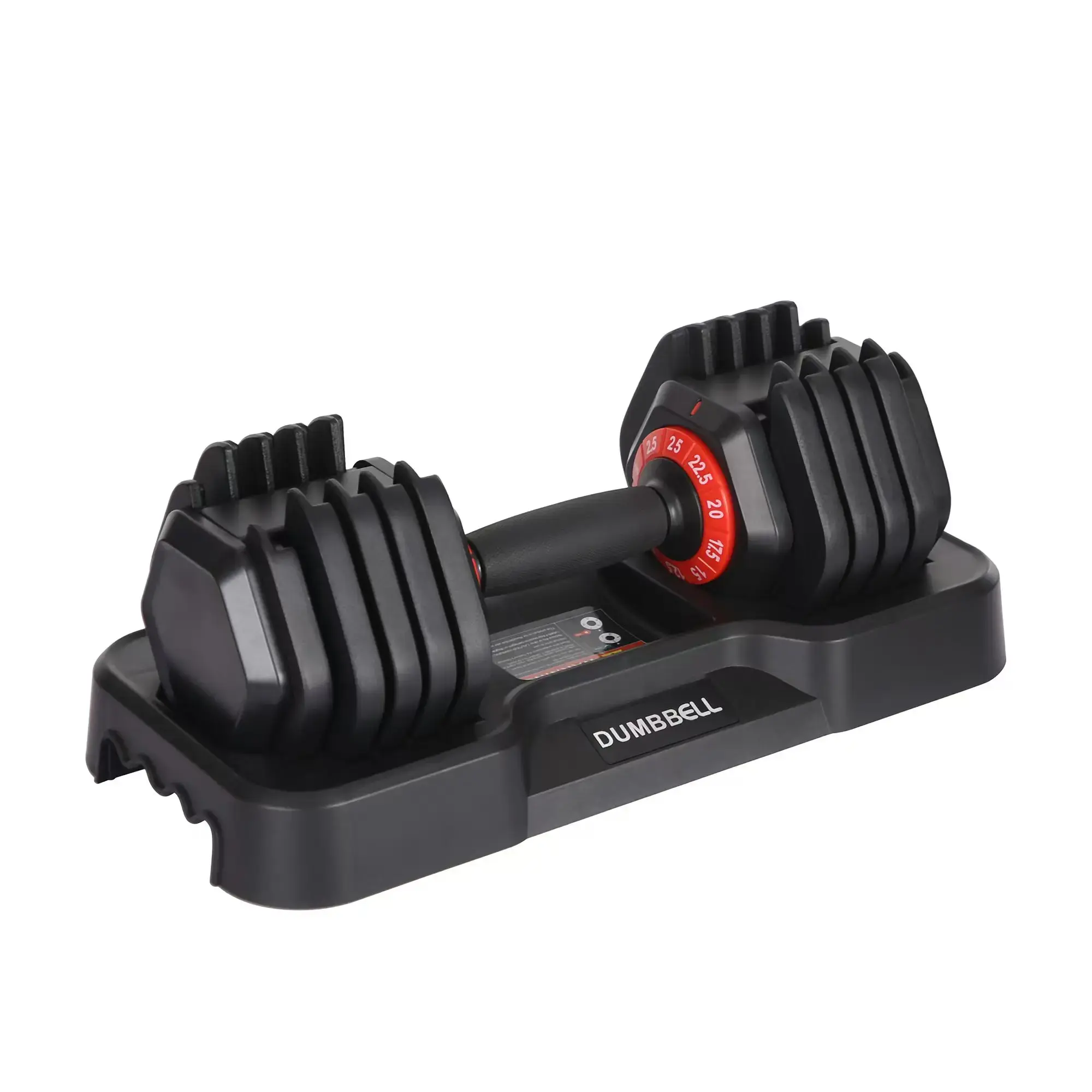
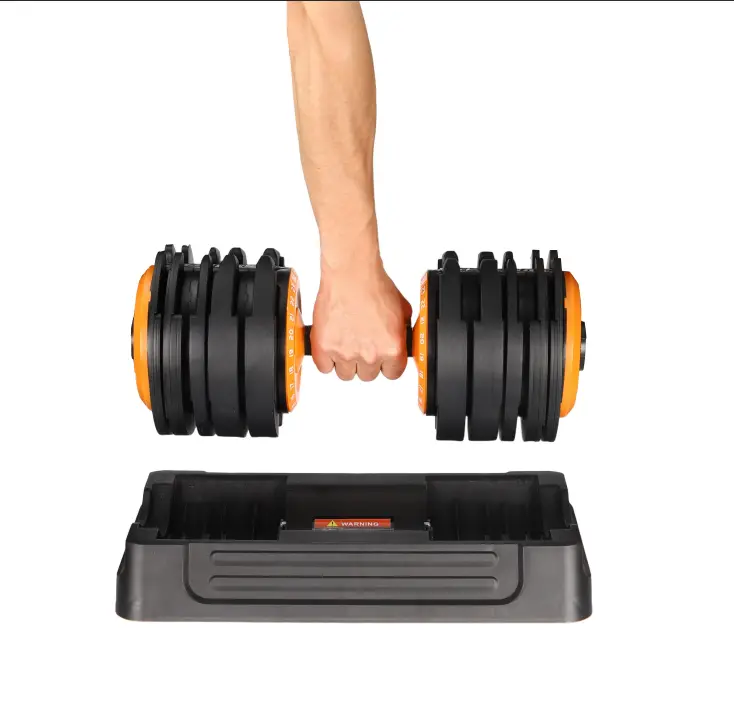
Procurement Logic: For home users and space-constrained gyms, a single set of adjustable dumbbells (e.g., 5–25kg) can replace 10–15 sets of fixed dumbbells, greatly improving space utilization and return on investment (ROI). Buyers should focus on the stability and durability of quick-adjustment mechanisms such as dial-type and selector-type systems.
2. Weight Range Preferences: Medium-Heavy Weights as the Core Market, Heavyweight Dumbbells Showing Fastest Growth
- Medium-Heavy Weight Range (10–50 lbs / 4.5–22.5 kg): This segment holds the largest market share, covering most users from beginners to intermediate trainers. Buyers should allocate this weight range as core inventory, with emphasis on rubber-coating technology (shockproof, silent) and grip comfort.
- Heavyweight Range (50+ lbs / 22.5kg+): Driven by the popularity of strength training and functional fitness, demand for Heavy Dumbbells is growing at the fastest rate. Most procurement comes from professional gyms and CrossFit facilities, which require extremely high structural strength and balance.
3. Material and Design Upgrades: The Rise of PU Dumbbells
Traditional cast-iron dumbbells still dominate the market, but Polyurethane (PU) dumbbells are rapidly gaining share in commercial procurement due to superior durability and floor-friendly performance.
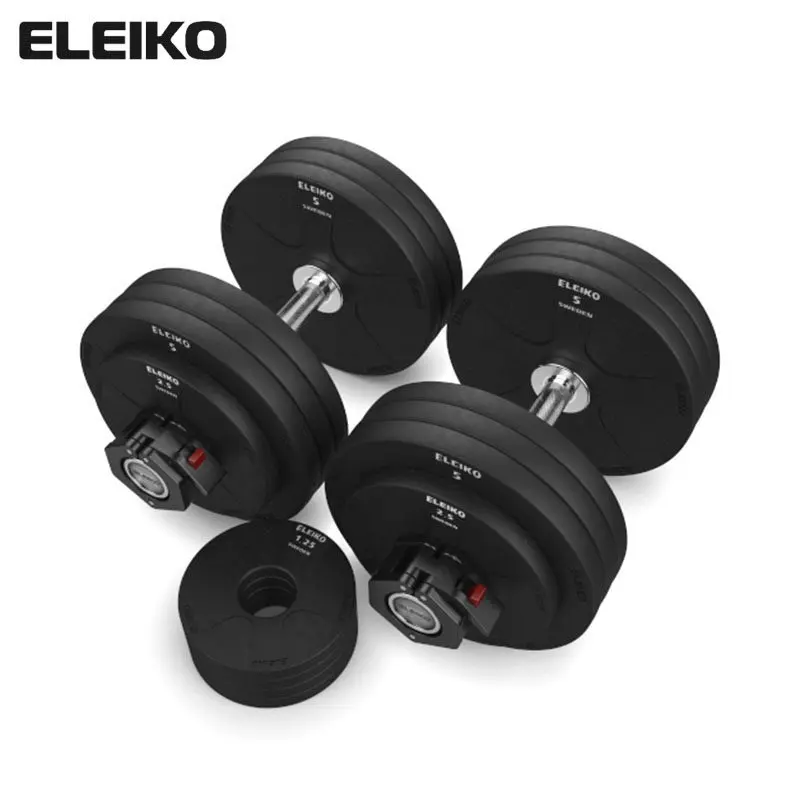
Key Advantages: PU material is shatter-resistant, corrosion-proof, colorfast, and minimally damaging to gym flooring. For high-end hotel gyms and boutique studios, PU dumbbells are the preferred choice for their premium appearance and low maintenance costs.
III. Regional Market Recovery Characteristics and Procurement Strategies
| Region | Recovery Characteristics | Recommended Procurement Strategies |
|---|---|---|
| North America | Leads the global recovery with the most mature fitness culture and high home gym penetration. Strongest adoption of adjustable and smart dumbbells. | Focus on mid-to-high-end adjustable dumbbells; prioritize compatibility with platforms such as Apple Fitness+ and Peloton. |
| Europe | Steady growth with strong emphasis on environmental protection and durability; strict regulatory compliance (e.g., REACH). | Prioritize eco-certified PU or Rubber Dumbbells; material certifications such as RoHS are critical for market access. |
| Asia-Pacific | Fastest-growing region driven by expanding middle class and rising home fitness awareness. | Cost-effective fixed-weight dumbbells still hold large potential; test lightweight adjustable dumbbells for emerging demand. |
IV. Actionable Recommendations for Buyers
- Optimize Inventory Structure: Adopt a 60/30/10 inventory model: 60% medium-heavy fixed or adjustable dumbbells for mainstream demand; 30% heavy fixed dumbbells for professional users; 10% smart or high-end dumbbells to support profit margins and brand positioning.
- Strengthen Supply Chain Resilience: Given volatile demand during the recovery phase, cooperate with suppliers capable of flexible production to quickly respond to restocking needs across different weight ranges and materials.
- Prioritize Product Certifications: Commercial buyers especially value ANSI or EN ISO certifications, which ensure product quality and limit after-sales liability.
The recovery of the global fitness industry essentially represents an upgrade in dumbbell procurement from quantity-focused to quality-driven. Buyers who capitalize on the three major trends — adjustability, material upgrading, and weight segmentation — will gain a competitive advantage in this growth cycle.