
News
Adjustable dumbbell strength factory


Home Dumbbell Procurement Guide: How Detachable Design Optimizes Logistics & Warehousing Efficiency
2026-05-26
For fitness equipment importers, chain store buyers, and OEM distributors, the criteria for selecting Home Dumbbells have long gone beyond meredurability. Against a backdrop of rising cross-border e-commerce logistics costs and increasingly compact urban living spaces, detachable and modular design has become a core dimension for evaluating product competitiveness. This design not only affects end-users’ storage experience but also directly determines buyers’ logistics costs, inventory turnover rates, and product damage rates.
1. Why Buyers Should Focus on Detachable Dumbbell Design
Traditional fixed-weight dumbbells have obvious shortcomings in the supply chain: low space utilization, high shipping costs, and large warehouse footprints. A complete set of household dumbbells (e.g., 5kg–25kg) usually requires 5–10 pairs of separate dumbbells, meaning large amounts of “empty air” are being transported.
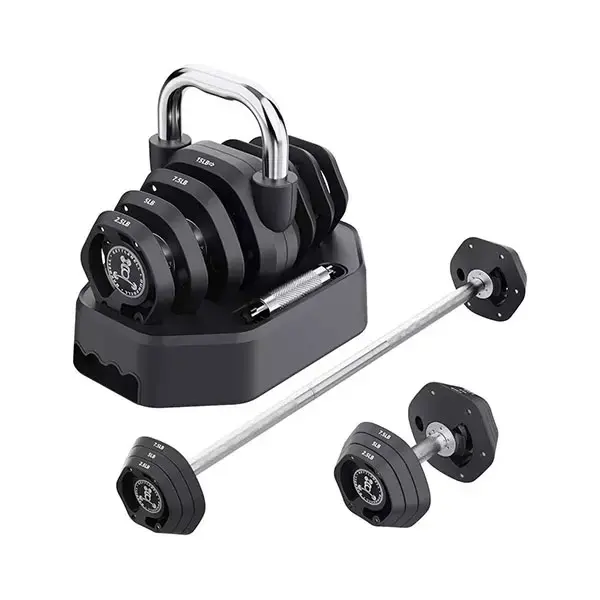
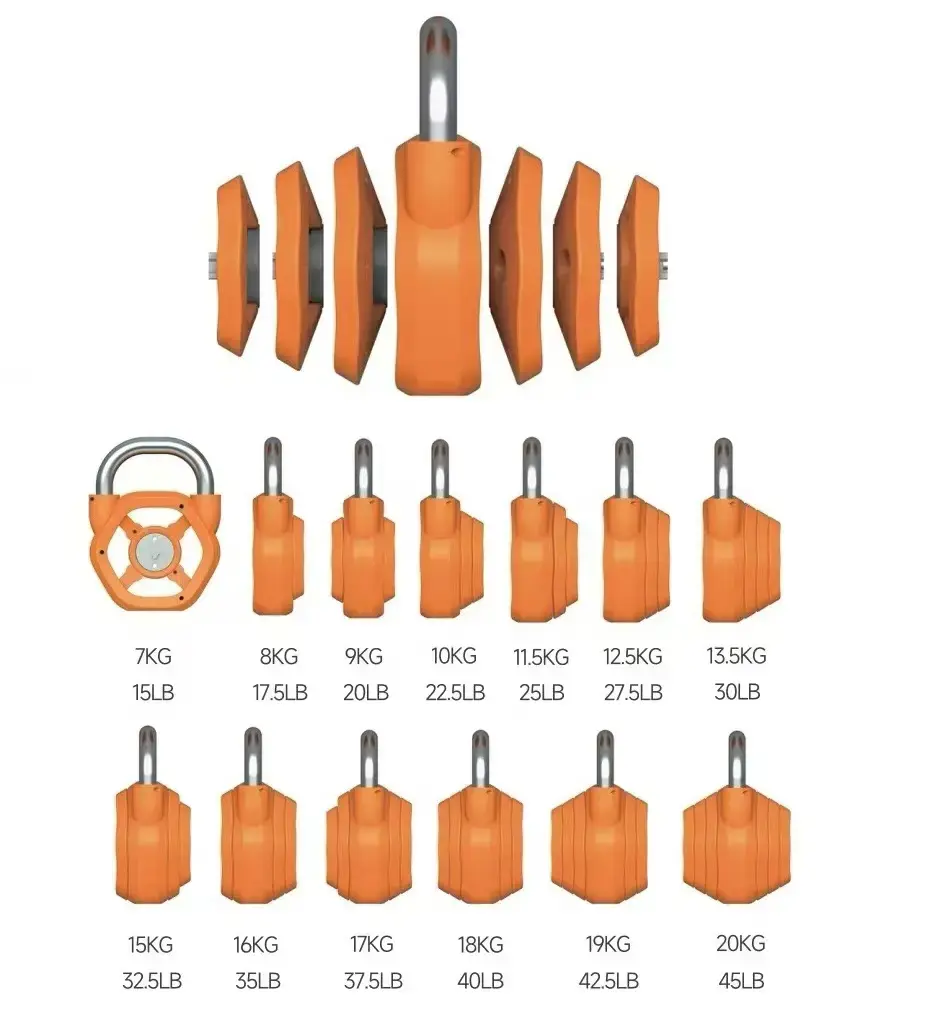
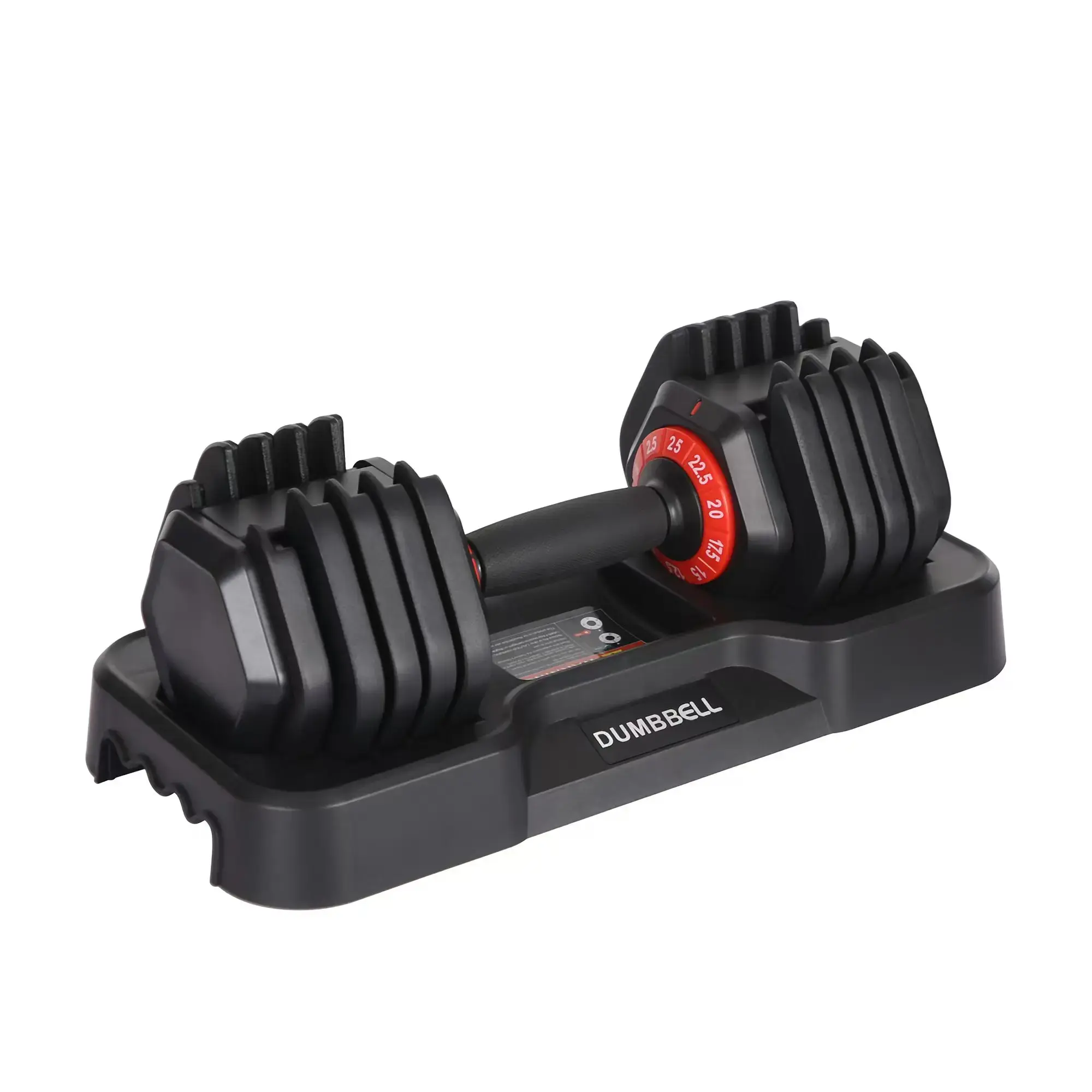
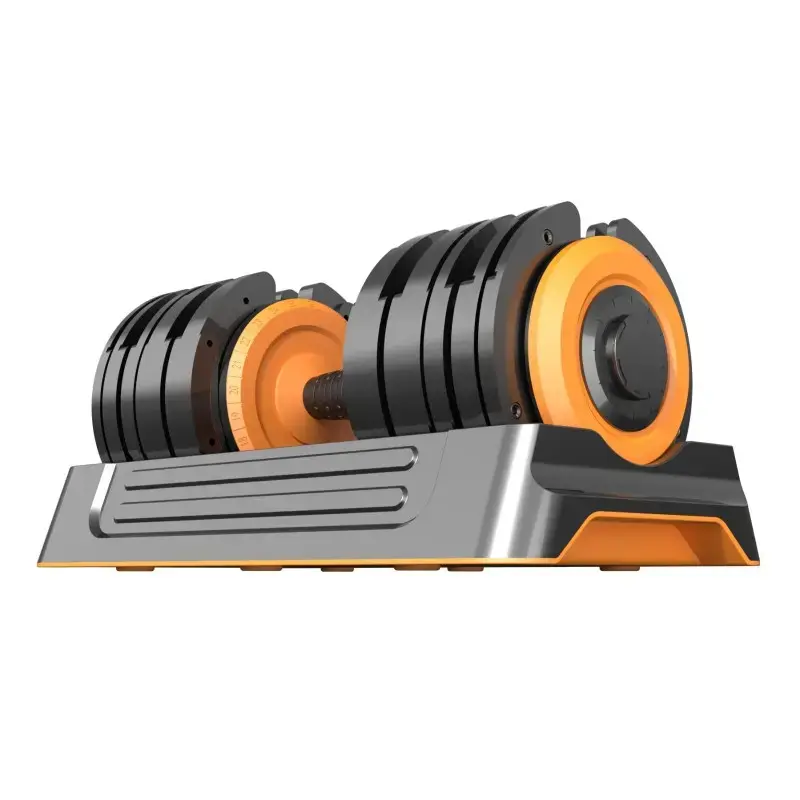
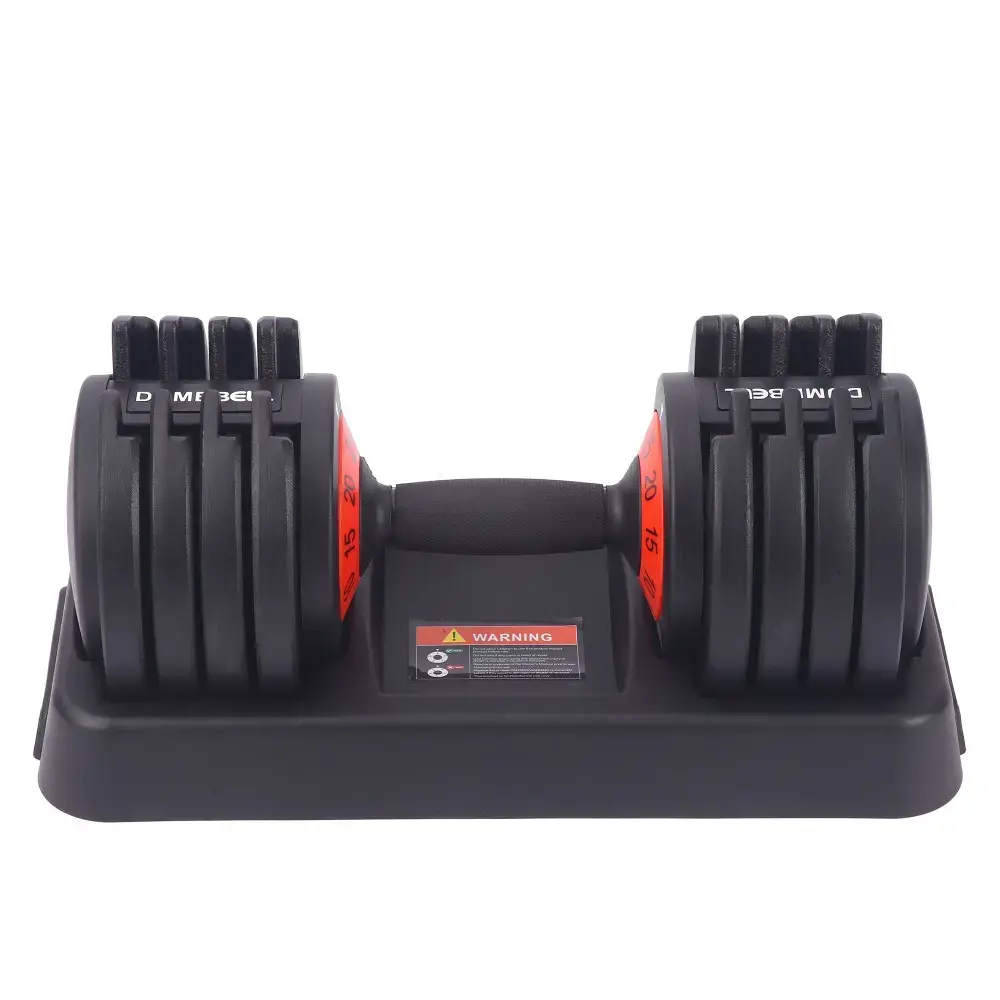
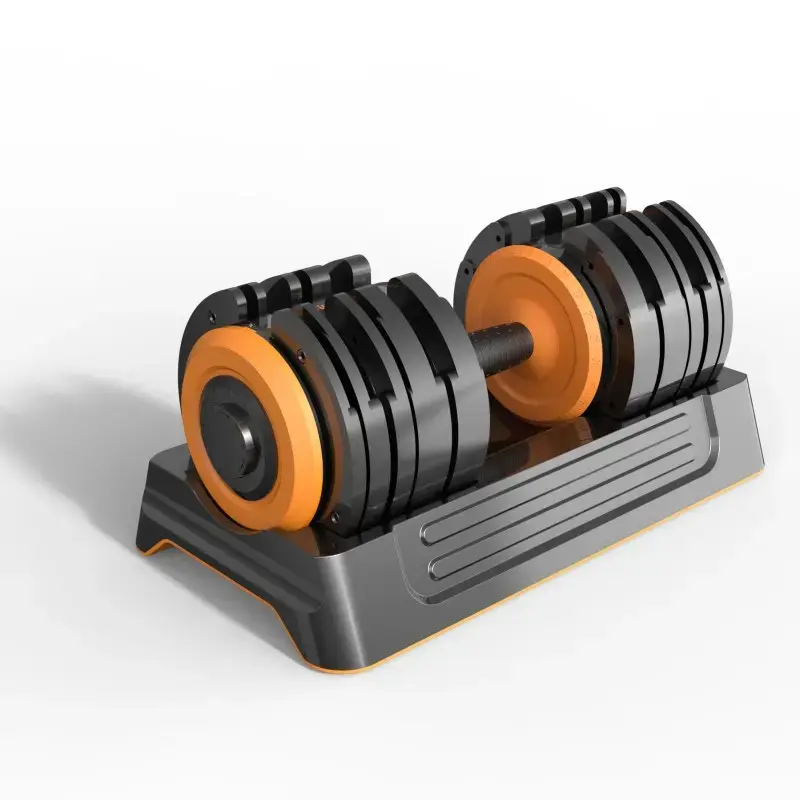
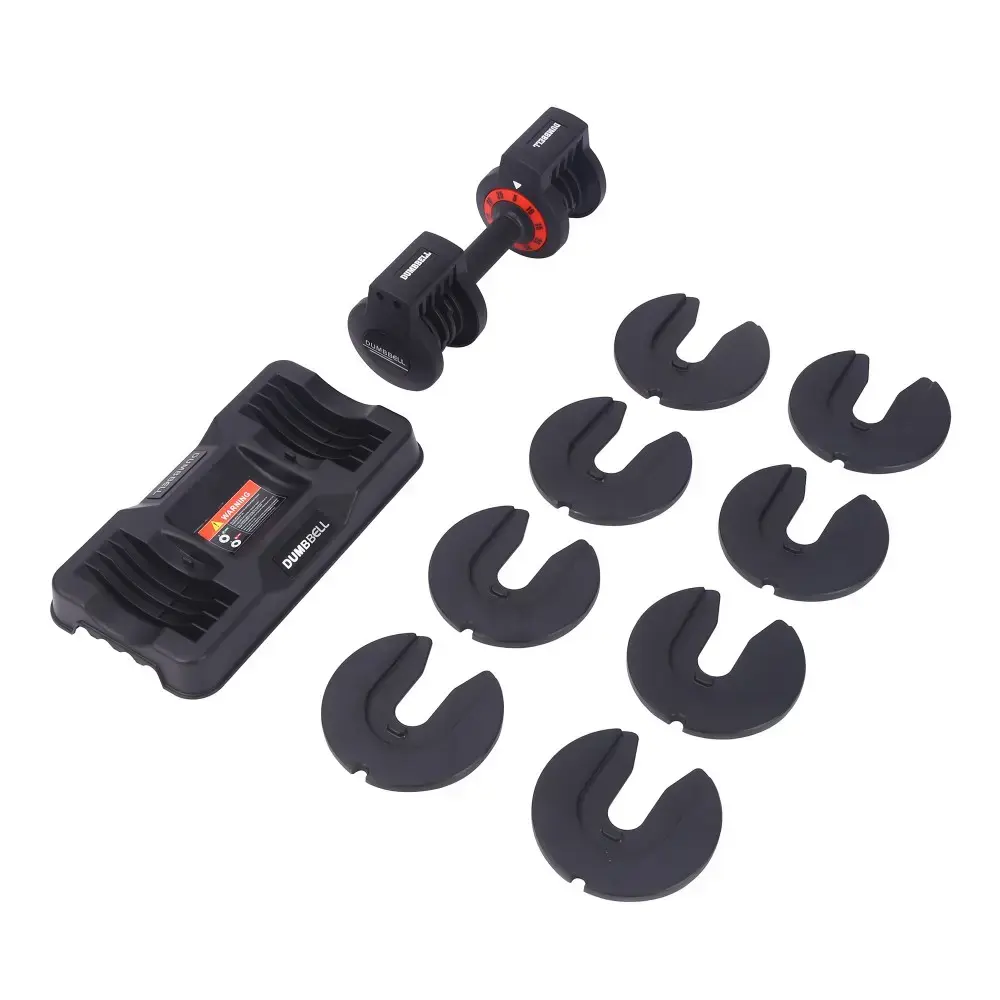
Detachable dumbbells adopt a modular “handle + weight plate” design, integrating the functions of multiple Dumbbell Sets into one kit. For buyers, this brings clear advantages:
- Lower Logistics Costs: Disassembled parts can be tightly stacked, greatly improving container loading efficiency and reducing per-unit ocean freight.
- Simplified Inventory Management: Only two SKUs (handles and weight plates) need to be managed, instead of dozens of individual dumbbells in different weights, greatly easing inventory pressure.
- Reduced Damage Risk: Regular-shaped weight plates are easier to pack and secure than irregular one-piece dumbbells, minimizing collision damage during transit.
2. Core Design Types & Procurement Evaluation Criteria
Not all “Adjustable Dumbbells” are suitable for bulk purchasing. Buyers should select the appropriate technical route based on user habits in target markets (e.g., North America prefers quick adjustment; Europe favors traditional sturdiness).
Thread-Locking Design
- Mechanism: Secures weight plates by rotating a star nut
- Procurement Benefits: Simple structure, low cost, strong parts compatibility
- Potential Risks: Slow weight switching; threads may strip (attention to material hardness required)
Quick-Release Pin Design
- Mechanism: Locks with a pin or circlip
- Procurement Benefits: Moderate switching speed, stable structure
- Potential Risks: Pins are wearable parts; verify supplier’s spare parts supply capacity
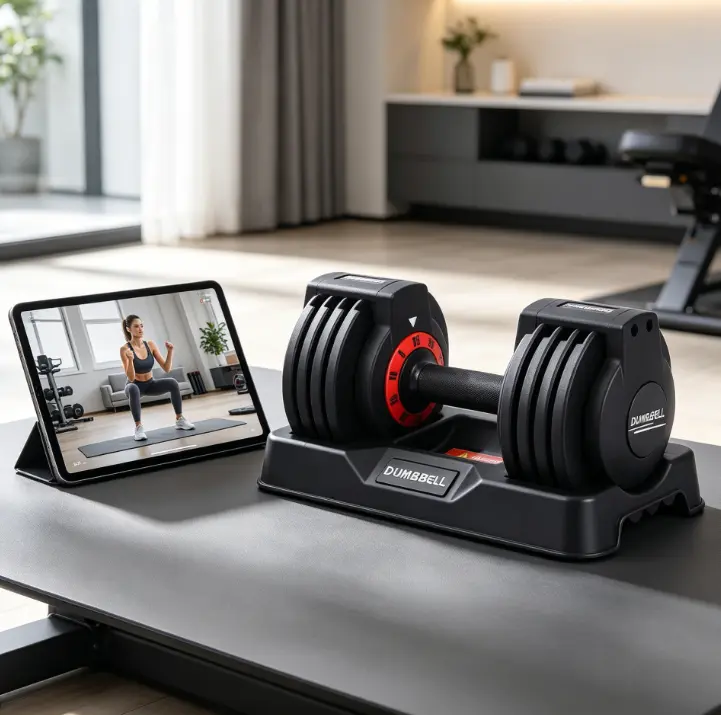
Dial-Type / Automatic Adjustment
- Mechanism: Internal mechanical structure auto-selects plates
- Procurement Benefits: Best user experience, time-saving
- Potential Risks: Complex structure, higher repair rate, higher unit purchase cost
Procurement Evaluation Checklist
- Locking Mechanism Reliability: Require suppliers to provide fatigue test reports (e.g., 10,000-time switching tests for pins/knobs) to ensure no loosening under frequent use.
- Parts Compatibility: Confirm weight plates from different production batches are compatible with handles, avoiding mismatched aftermarket parts due to slight mold adjustments.
- Protective Packaging Design: Due to high density, dumbbells can easily damage cartons during transit. Prioritize packaging with high-density EPE foam or honeycomb cardboard dividers to reduce friction and collision.
3. Efficiency Benefits in Logistics & Warehousing
Quantifiable Savings in Shipping Costs
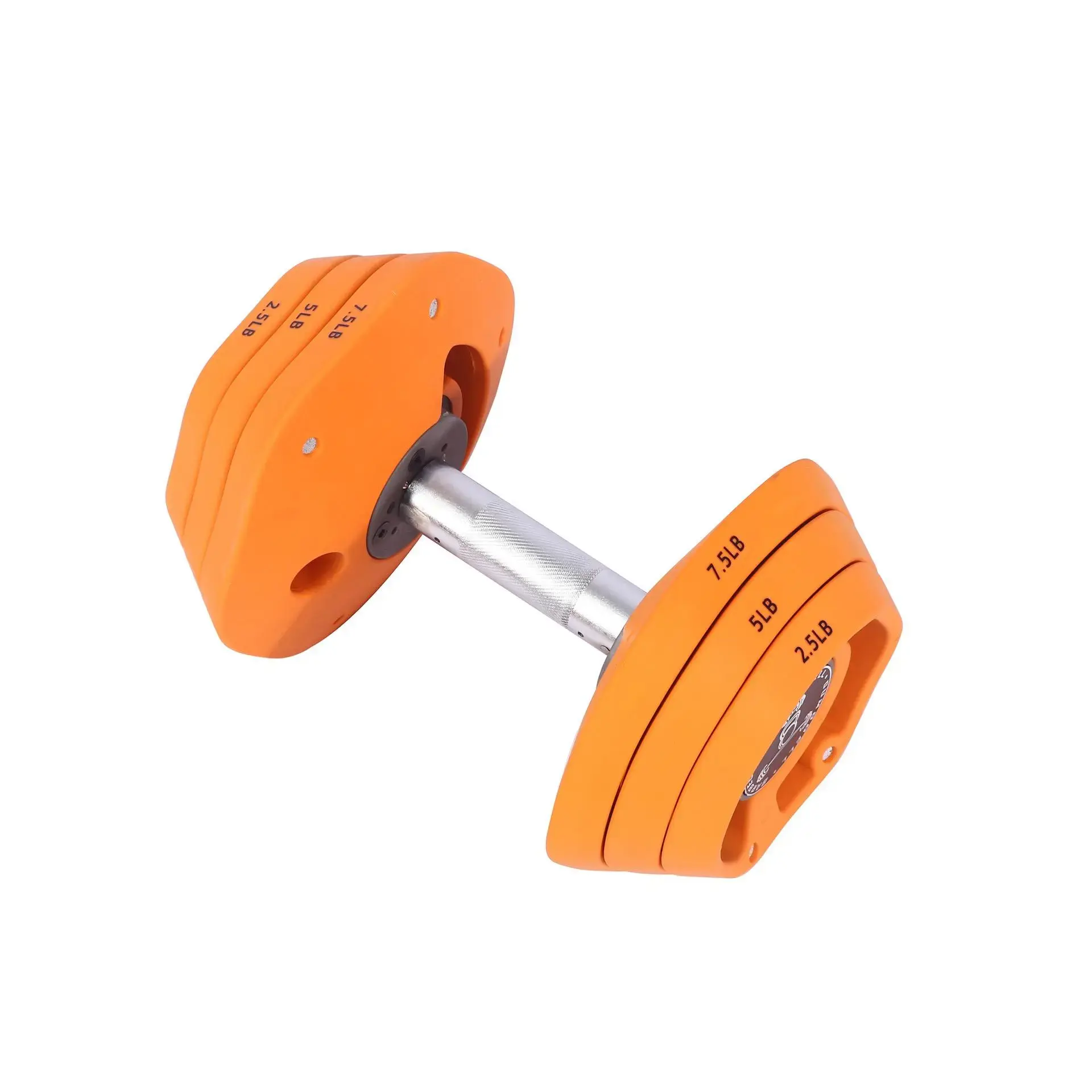
Detachable design allows dumbbellsto be shipped separated into handles and stacked weight plates. Taking a 40-foot high cube container as an example, the net weight utilization of Detachable Dumbbells can be15%–20% higher than fixed dumbbells, directly cutting per-unit freight expenses.
Storage Selling Point for End Markets
For end consumers, especially apartment dwellers, detachable dumbbells solve the pain point of “nowhere to store”. One adjustable set replaces 5–10 pairs of fixed dumbbells, saving approximately 70% of storage space. For buyers pitching to retailers, Space-Saving Design is a highly persuasive selling point.
4. Mitigating “Hidden” Risks in Procurement Decisions
- Material & Coating: Focus on weight plate material (usually cast iron) and surface finishing (rubber-coated, electroplated, or painted). Rubber-coated dumbbells reduce noise and floor damage, but low-quality rubber may stick or emit odors during high-temperature ocean shipping. Verify compliance with REACH or RoHS environmental standards.
- Weight Accuracy: Weight accuracy is essential for strength training equipment. Require weight tolerance data (usually error ≤ 3%) before ordering to avoid consumer complaints over inaccurate weights.
- Certification Compliance: For export to Europe and America, confirm products pass relevant safety certifications, such as the EN 957 standard under CE certification, especially mechanical safety tests for locking structures.
Conclusion
For fitness equipment buyers, choosing detachable dumbbells is not only following the home fitness trend but also upgrading supply chain efficiency. When evaluating suppliers, buyers should not only look at FOB prices but also comprehensively assess design stability, packaging protection, and spare parts supply capacity. A high-quality detachable dumbbell ensures safe training while delivering superior logistics efficiency and lower after-sales costs for buyers.