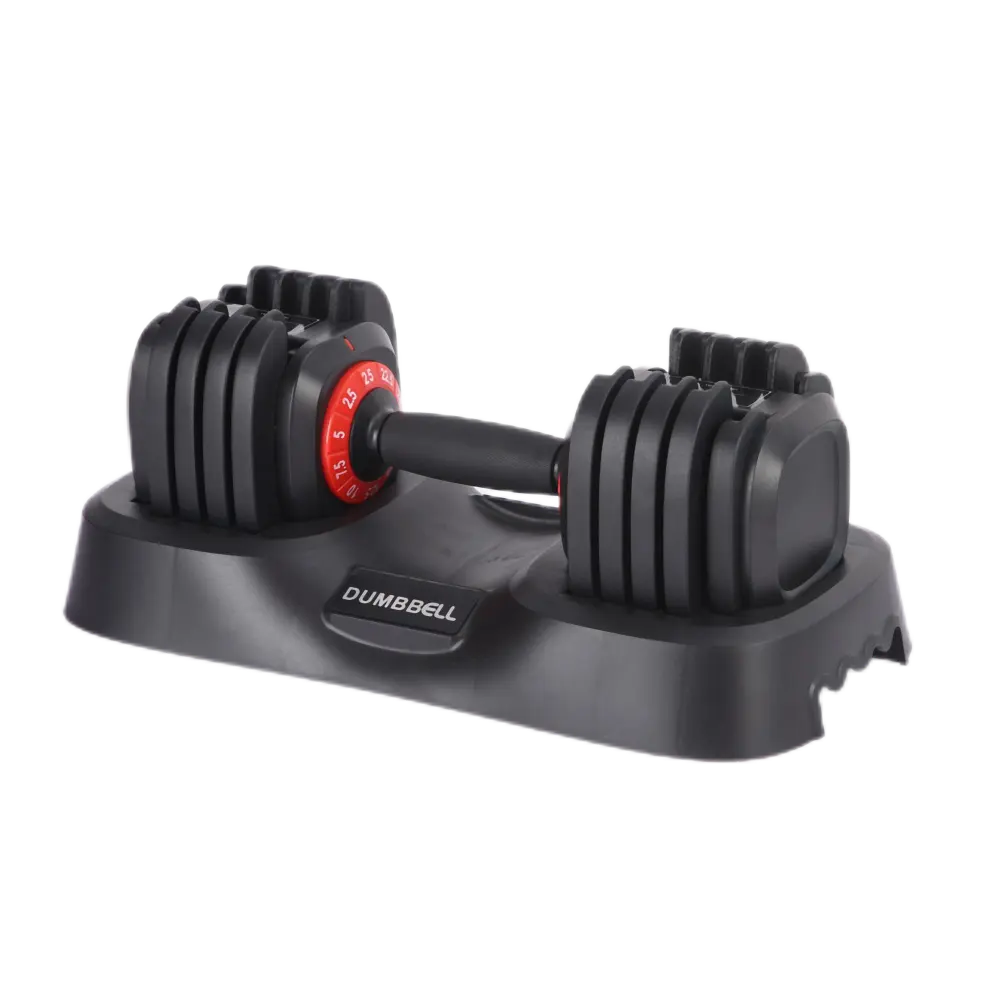
Adjustable dumbbell strength factory
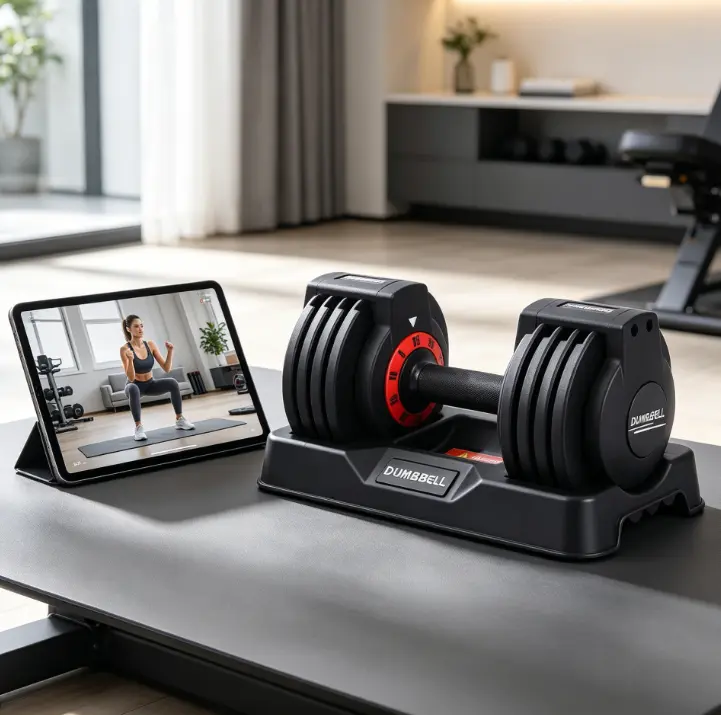
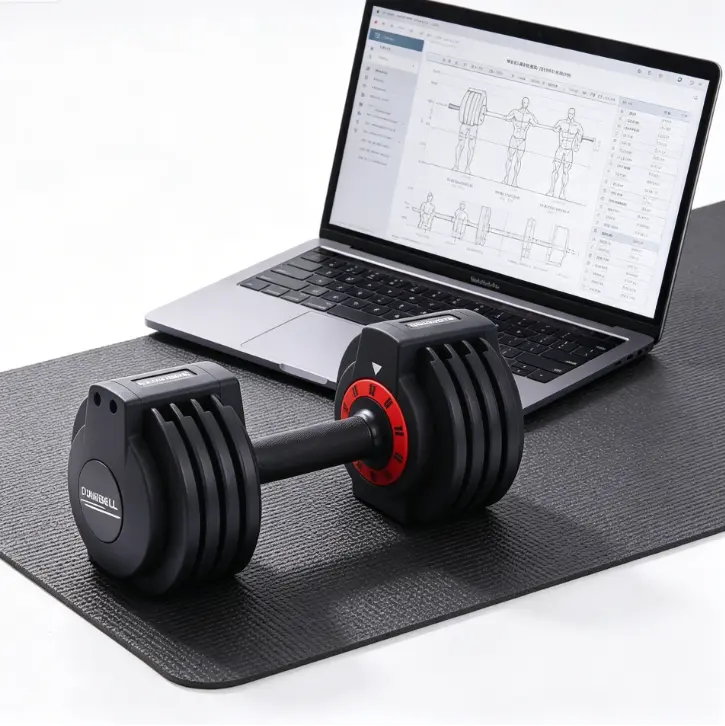


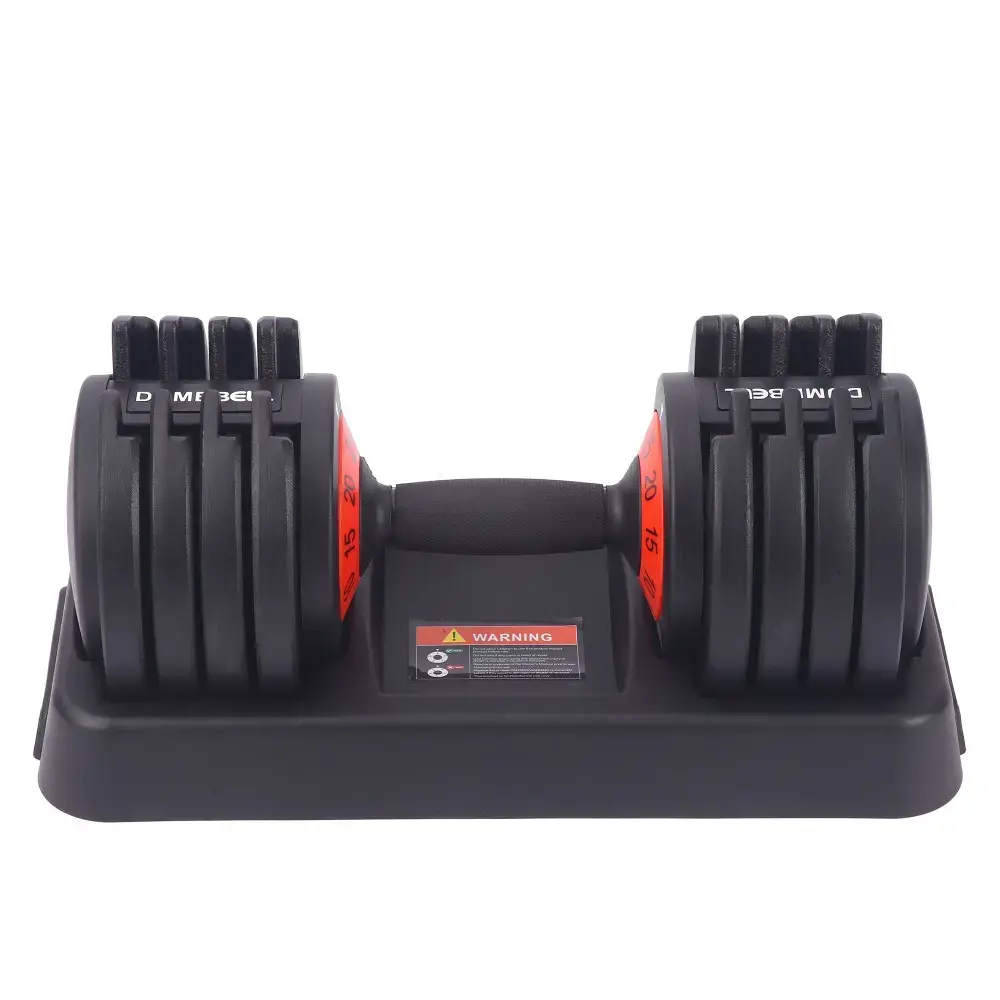
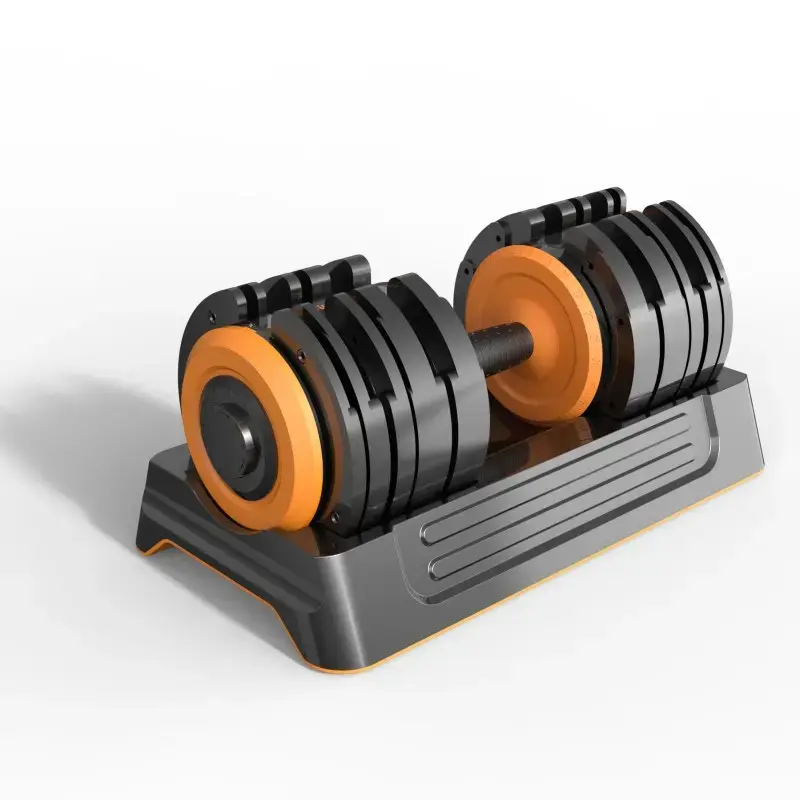
How to Verify Factory Certifications Before Placing Large Dumbbell Orders
If you are reading this, you probably need verify factory certifications before placing large dumbbell orders and want to get it right the first time. Good. This guide was written specifically for buyers who care about quality, value, and long-term supplier relationships, not just the lowest price on a spreadsheet.
What This Guide Covers
If you have ever felt overwhelmed by the number of verify factory certifications before placing large dumbbell orders options on the market, this guide is for you. We will walk through the entire process, from understanding what matters most, to evaluating suppliers, to placing your first order with confidence.
The fitness equipment market is full of choices, and not all of them are created equal. By the end of this article, you will have a clear framework for making a purchasing decision that fits your budget, timeline, and quality requirements.
Background: Why Verify Factory Certifications Before Placing Large Dumbbell Orders Matters
Verify Factory Certifications Before Placing Large Dumbbell Orders plays a more significant role in the fitness equipment supply chain than many buyers realize. A wrong decision here can cascade into quality issues, delivery delays, and customer complaints downstream.
The good news? Once you know what to look for, the evaluation process becomes straightforward. Let us break it down step by step.
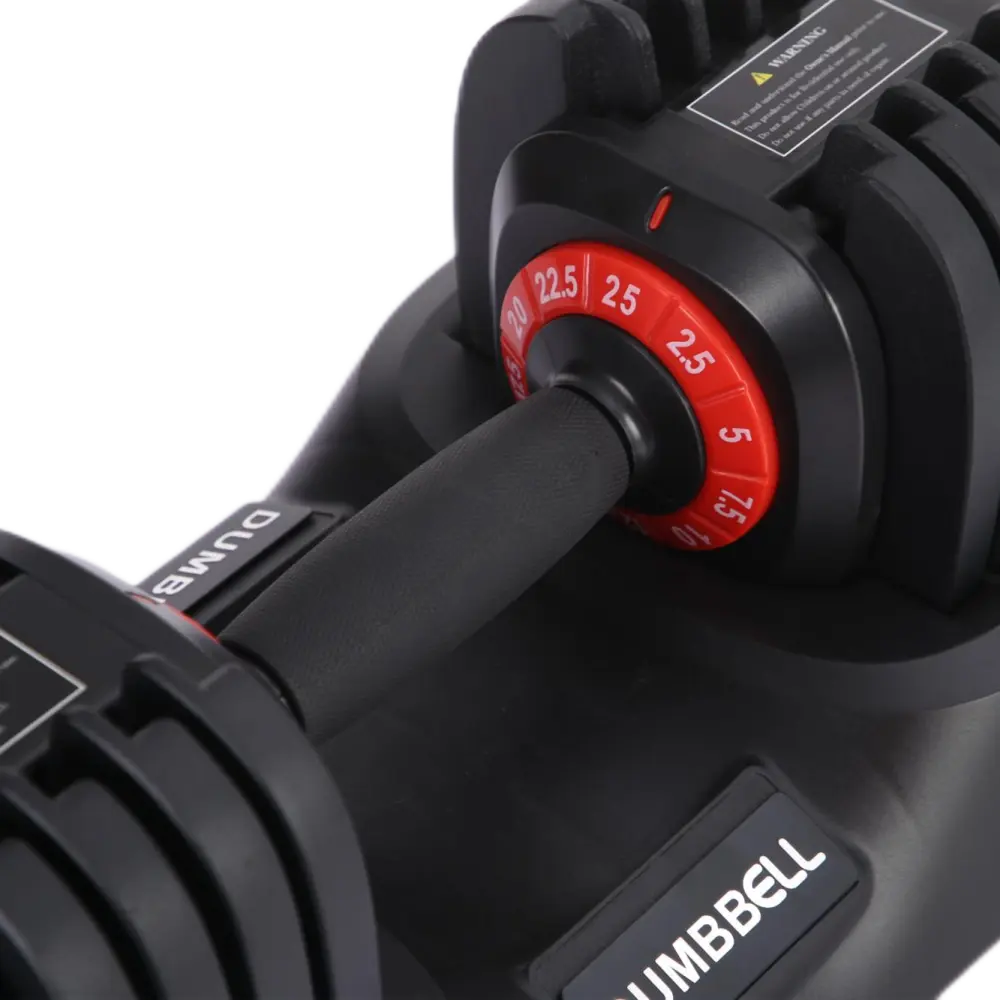
Step-by-Step Process
Here is the step-by-step process that experienced buyers follow when sourcing verify factory certifications before placing large dumbbell orders:
Phase 1: Preparation. Define what you need, set a realistic budget, and create a timeline. Include a 20% buffer for unexpected delays.
Phase 2: Supplier screening. Contact multiple factories, compare responses, and eliminate any that are slow to reply or evasive about details.
Phase 3: Sampling and testing. Order samples from your top 2-3 candidates. Test them under real-world conditions if possible.
Phase 4: Contract and deposit. Use a formal purchase contract that specifies quality standards, AQL levels, and remediation clauses.
Phase 5: Production and inspection. Stay in regular contact during production. Schedule inspection once 80% of the order is complete.
Expert Tips for Better Results
Align your specifications with industry standards. Custom specs that deviate from what a factory normally produces will cost more and take longer. Stick to standard options where possible.
Plan around Chinese holidays. Production slows significantly before and after Chinese New Year (January/February). Place orders well in advance to avoid delays.
Use escrow or trade assurance. Protect your payments by using trade assurance services or letters of credit for first-time orders.
Common Mistakes to Avoid
Choosing based on price alone. The lowest quote often comes with hidden costs: lower material grades, thinner walls, cheaper packaging, or skipped quality steps.
Skip the sample phase. Ordering directly without seeing a sample is the most common, and most expensive, mistake first-time buyers make.
Ignoring certification requirements. If your destination market requires CE, FCC, or FDA compliance, make sure the supplier can provide valid documentation before you pay.
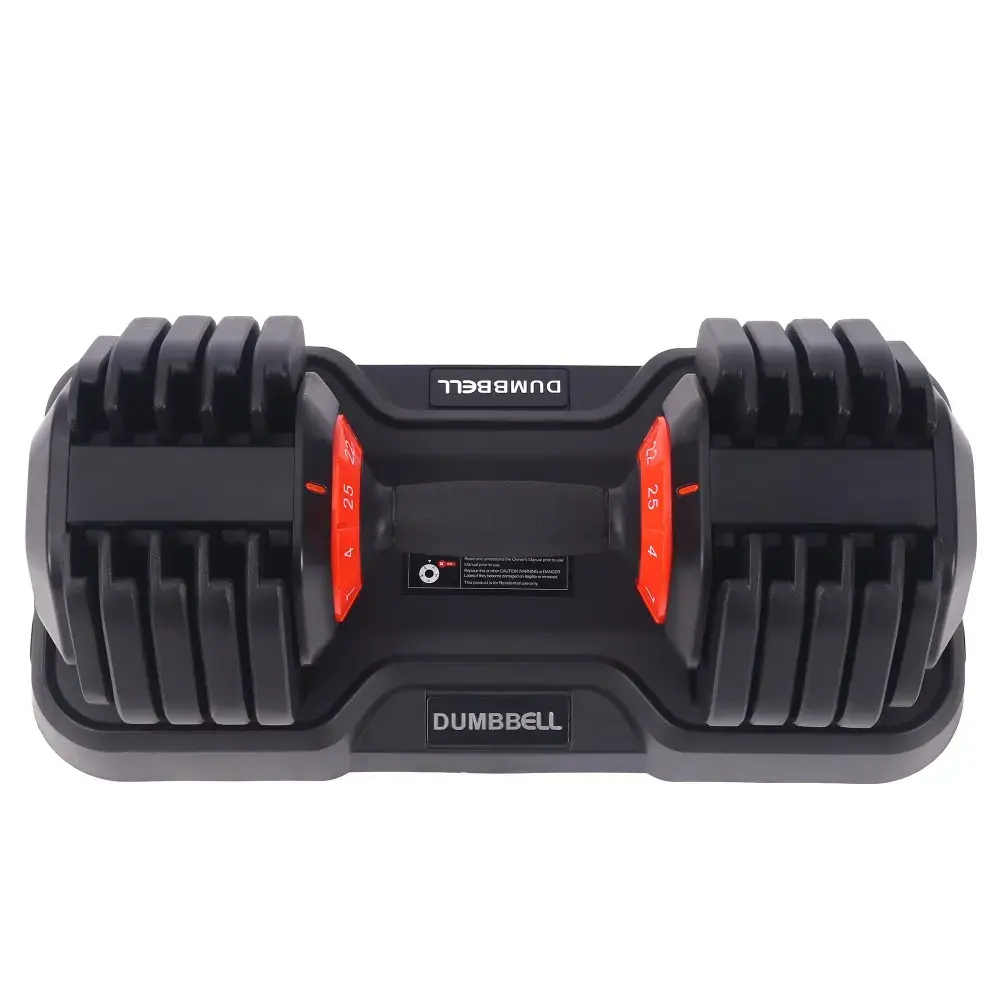
Recommended Products
Below are our recommended products for buyers interested in verify factory certifications before placing large dumbbell orders. Visit each product page for complete details, certification documents, and sample request options:
Product Catalog:
Sourcing Notes
Backup suppliers: Maintain at least one qualified backup supplier. Single-source dependency creates vulnerability during peak seasons, quality disputes, or unexpected factory closures.
Communication tools: Use email for formal documentation and WeChat or WhatsApp for quick clarifications. Always confirm verbal agreements in writing before production starts.
Frequently Asked Questions
Q1: What MOQ should I expect for verify factory certifications before placing large dumbbell orders?
Standard products typically have MOQs of 100-500 units. Custom-branded products usually require 500-1,000 units. Fully custom designs with new tooling may require 3,000-10,000 units. Many suppliers will negotiate lower MOQs for first orders.
Q2: How do I handle shipping and customs?
Use a licensed freight forwarder experienced in fitness equipment. They handle booking, documentation, and customs clearance. Choose FOB terms if you want to control shipping, or DDP if you want the supplier to handle everything. Always confirm Incoterms in the contract.
Q3: Are samples available before placing a bulk order?
Yes, most suppliers provide samples. Expect to pay $50-$200 per sample plus shipping. Some suppliers refund the sample cost if you proceed with a bulk order. Always evaluate samples before committing to production.
Q4: How do I protect my intellectual property when sourcing?
Have the supplier sign a bilingual NDA before sharing detailed designs. Register your trademarks and patents in China. Avoid sharing proprietary manufacturing processes, share only what the supplier needs to produce your product.
Q5: What are the main risks of sourcing from China?
Quality inconsistency, communication gaps, intellectual property concerns, and shipping delays are the most common. All are manageable with proper due diligence: sample testing, clear contracts, NDAs, and realistic timelines with buffers.
Conclusion
At the end of the day, successful sourcing is about building a relationship with a supplier who understands your needs and delivers consistently. Take the time to evaluate options, ask the hard questions, and trust verified data over sales pitches. Visit our online store to see specifications, or contact us directly for a tailored solution.