

News
Adjustable dumbbell strength factory


Sports Colleges: How to Meet High-Frequency Usage Needs in Teaching Scenarios?
2026-04-14
In today’s era of rapid development in global physical education and sports science, sports colleges are not only cradles for training professional athletes but also core bases for shaping future coaches, sports managers, and health industry elites. Their teaching scenarios — including training halls, strength rooms, multi-functional classrooms, and sports laboratories — have extremely special and stringent requirements for fitness equipment. Faced with the high-intensity, high-frequency use by students day after day, choosing the right equipment is directly related to teaching efficiency, student safety, and long-term return on investment. This article explores the challenges sports colleges face in equipment procurement, especially for core strength training equipment such as adjustable dumbbells, Dumbbell Racks, and kettlebells, and provides a solution framework to meet their unique needs.
1. Unique Challenges in Sports College Teaching Scenarios
Unlike commercial gyms or home fitness environments, teaching equipment in sports colleges must serve diverse, high-load group teaching tasks, presenting several core challenges:
Extremely High Frequency and Intensity of Use
Course schedules are dense, and the same set of equipment may be used dozens or even hundreds of times a day by students of different classes and levels, putting extreme tests on the durability, stability, and safety of the products. This high-frequency usage is a key pain point that distinguishes sports college equipment from consumer-grade fitness products.
Diverse Training Needs
Courses cover multiple modules such as basic strength training, sport-specific training, physical fitness testing, and rehabilitation training. Equipment must be flexibly adaptable to different training plans, from basic teaching for freshmen to sport-specific improvement for athletes. Adjustability and functional diversity are critical.
Space and Budget Efficiency Optimization
Teaching space is limited, and budgets usually need to be carefully managed. Colleges need to maximize the number of training stations per unit area and ensure that every investment serves as many students and courses as possible. This makes space-saving equipment a top priority for procurement decision-makers.
Safety and Management Convenience
Student mobility is high, and their operation levels vary. Equipment must be safe and intuitive to minimize the risk of incorrect use. At the same time, being easy to manage, maintain, and quickly reconfigure is crucial to ensuring smooth course progress.
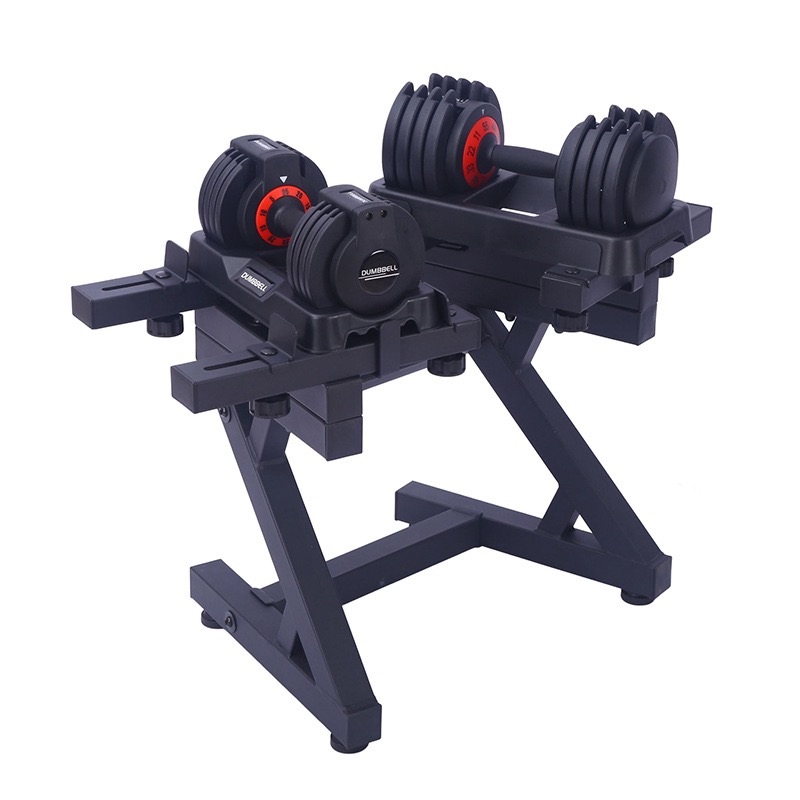
2. Core Solution: Professional Equipment Designed for High-Intensity Teaching Scenarios
To address the above challenges, professional, adjustable strength equipment designed for high-intensity use has become the ideal choice for sports colleges. These devices are far from simple enlargements of consumer-grade products; they are optimized for institutional use in engineering, materials, and design.
Adjustable Dumbbells: The Cornerstone of Efficiency and Flexibility
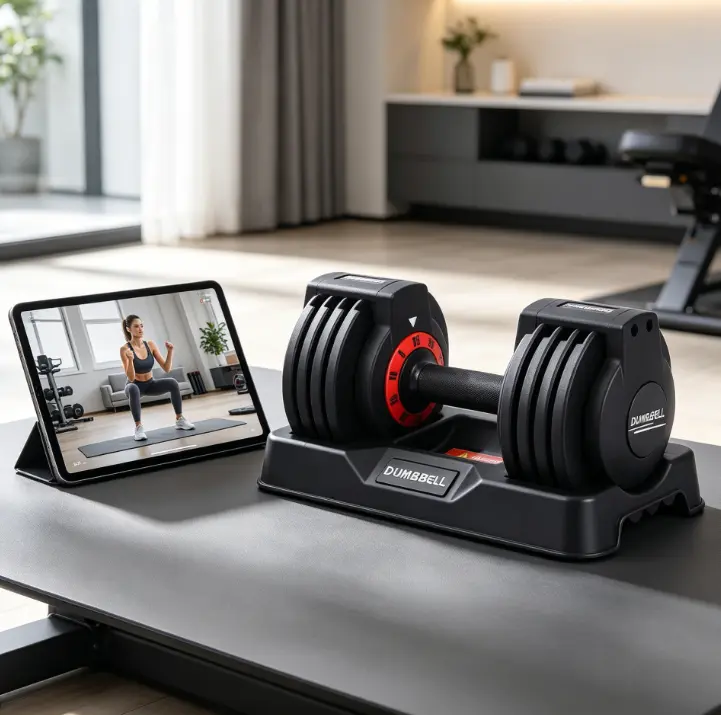
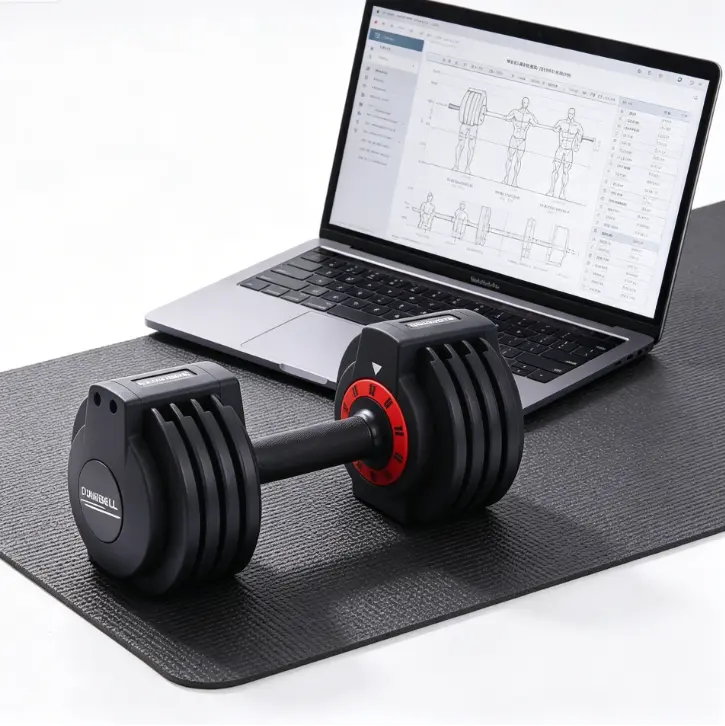
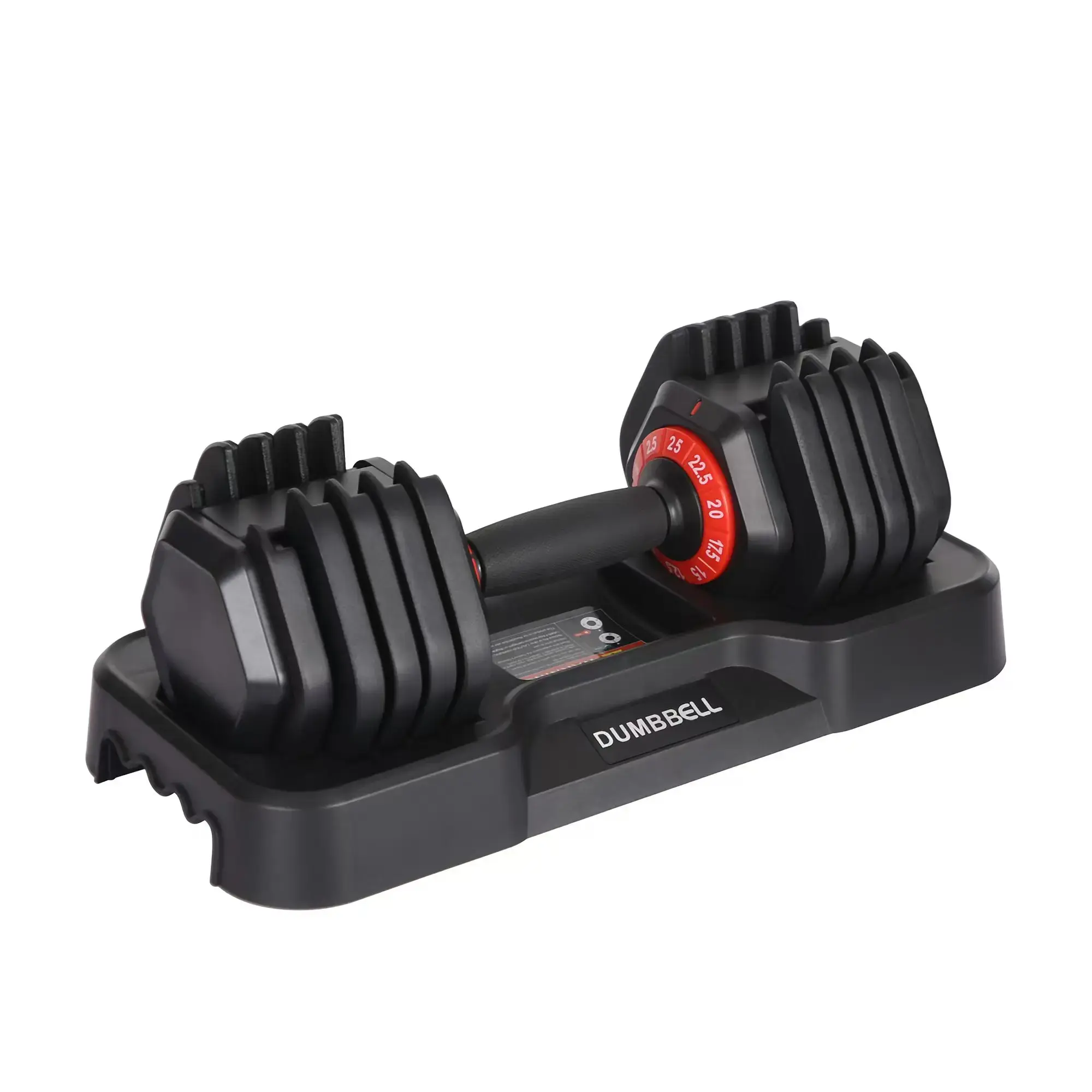
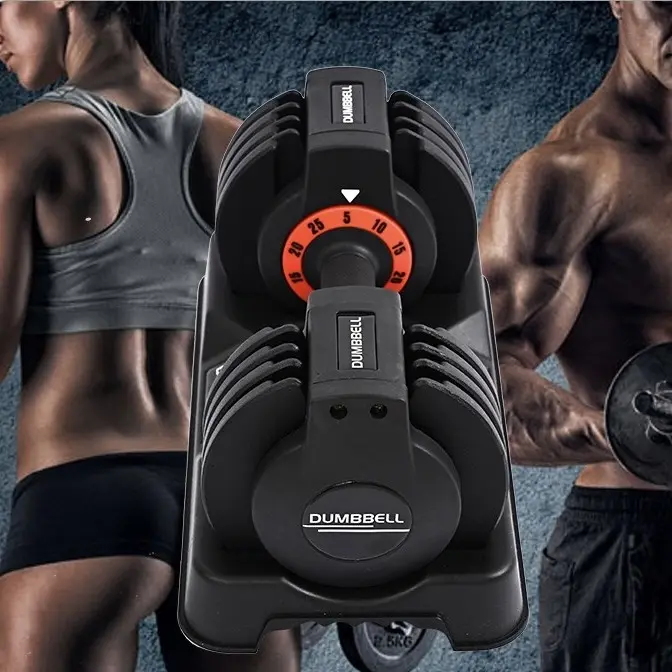
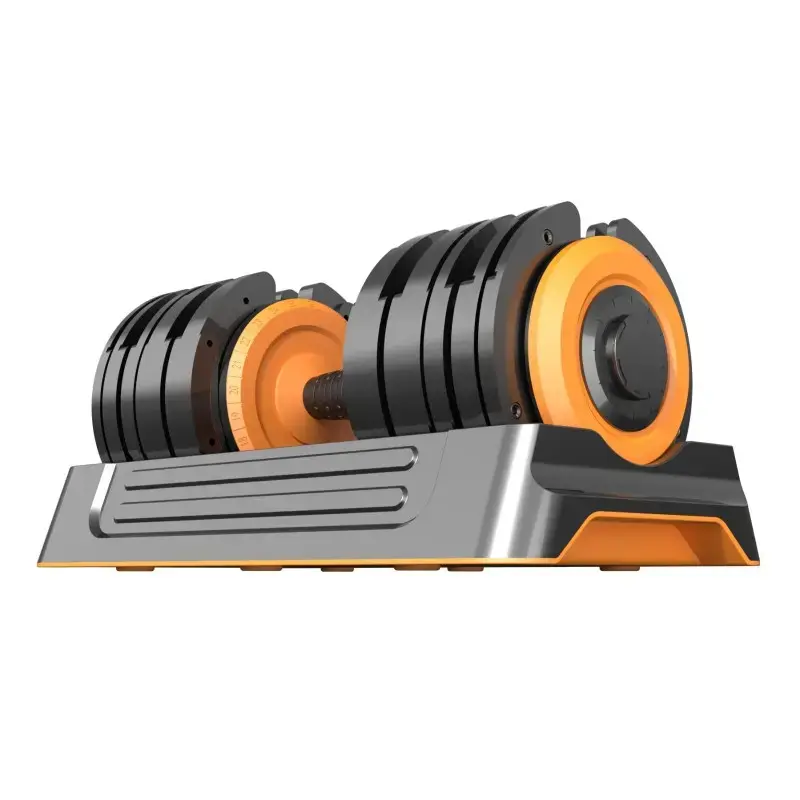
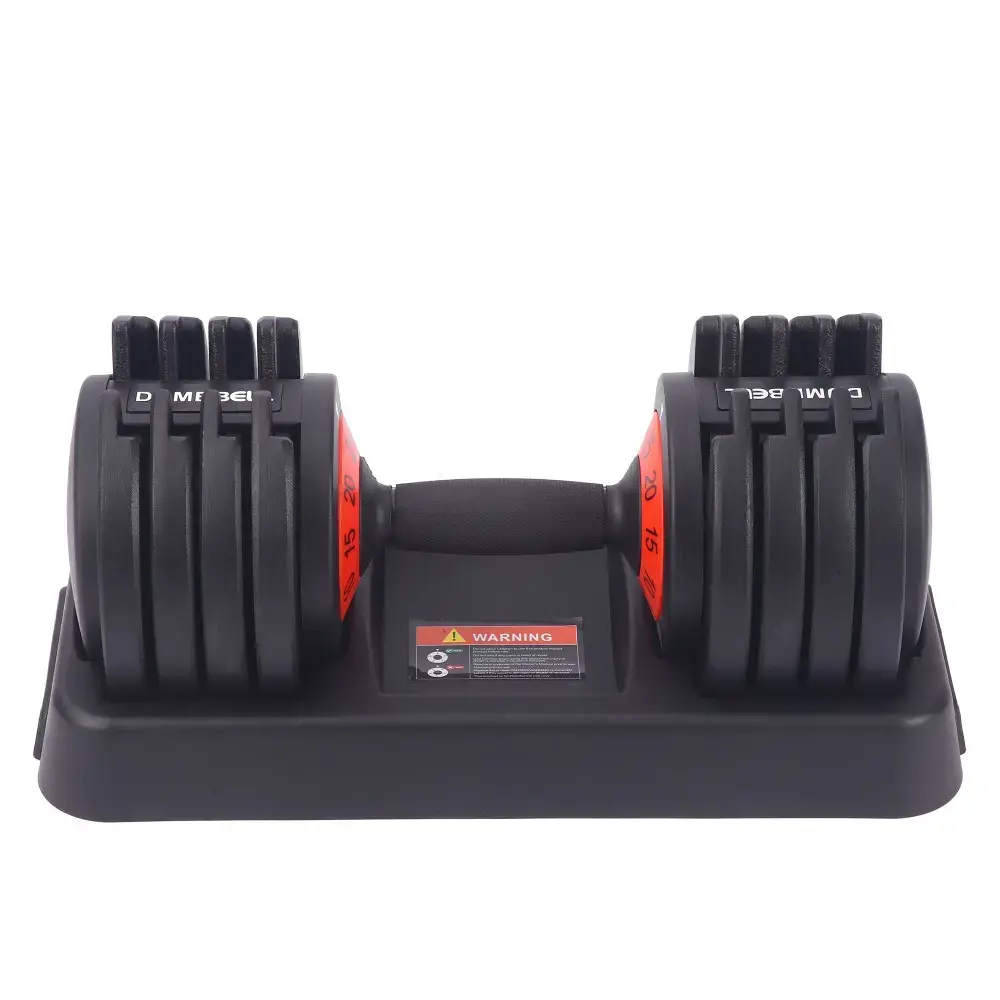
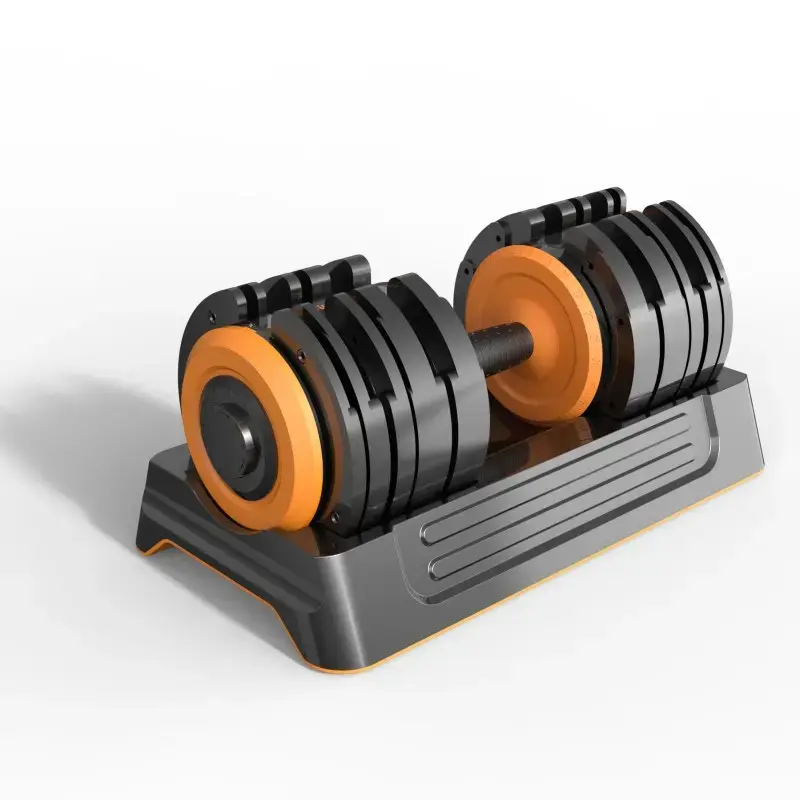
- Space and Cost Savings: A set of high-quality Adjustable Dumbbells can replace dozens of fixed-weight dumbbells, freeing up a lot of valuable space in the strength room and significantly reducing initial procurement and long-term management costs. This is a key value point for budget-constrained sports colleges.
- Quick Adjustment for Seamless Course Transition: Excellent institutional-grade adjustable dumbbells should have a quick adjustment mechanism, allowing students to safely and easily switch weights during short rest periods between sets, ensuring efficient flow of high-volume training courses. This is particularly important for circuit training and group teaching.
- Unmatched Durability: To cope with high-frequency, high-impact use, professional adjustable dumbbells adopt reinforced engineering plastics, metal internal structures, and wear-resistant coatings. Their adjustment mechanisms, locking systems, and handles are designed to withstand hundreds of thousands of operations, far exceeding household standards.
Professional Dumbbell Racks: Guarantee of Safety, Orderliness, and Durability
- Heavy-Duty Load Capacity and Stability: Iron adjustable mobile dumbbell racks for sports colleges need to use thickened steel and heavy-duty welding processes to ensure they remain stable as a rock even when fully loaded, preventing tipping risks. Stability is a non-negotiable requirement for high-traffic teaching environments.
- Mobility and Space Management: Dumbbell racks with silent heavy-duty casters allow coaches to quickly rearrange training areas according to course needs. Clear zoning design can accommodate multiple sets of adjustable dumbbells and supporting weight plates, keeping the training area clean and orderly and improving safety.
- Systematic Integration: The best practice is to choose professional dumbbell racks designed to match the brand of adjustable dumbbells, ensuring smooth access and stable storage, forming a complete, efficient, and safe training system.
Adjustable Kettlebells: A Comprehensive Solution for Functional Training
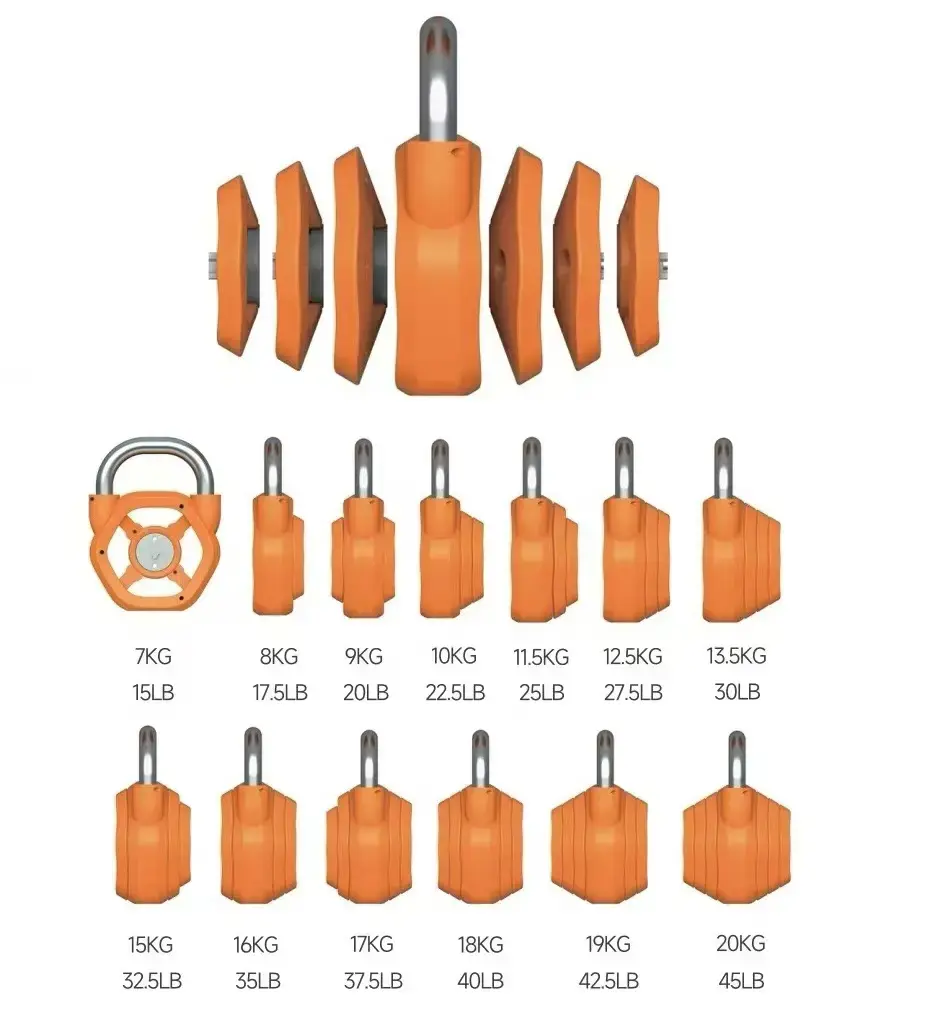
- Multi-Functional and Comprehensive Coverage: Adjustable weight kettlebells combine the training advantages of dumbbells and kettlebells. By quickly adjusting the weight, one unit can meet various functional training movements, from basic kettlebell swings and snatches to cleans and Turkish get-ups, perfectly matching sports performance training and physical fitness courses.
- Unified Training Experience: Using Adjustable Kettlebells ensures that students maintain consistent grip and center of gravity when performing progressive overload training, which is crucial for learning and consolidating technical movements.
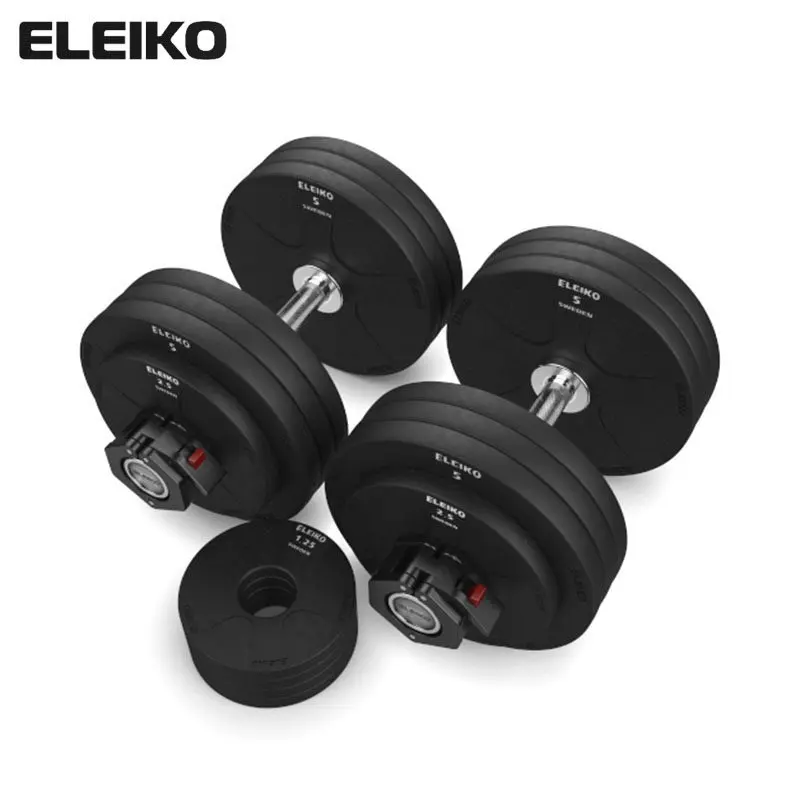
3. Core Value for Procurement Decision-Makers
For facility managers, department heads, and procurement committees of sports colleges, investing in professional adjustable training systems means:
Maximized Return on Investment (ROI)
A single set of equipment meets a wide range of weight needs from entry-level to advanced, reducing expenditures on repeated purchases of fixed-weight equipment to cover the full weight range, achieving higher equipment utilization and fund efficiency. This is a key consideration for sports colleges with limited budgets.
Improved Teaching Safety and Efficiency
Reducing scattered fixed-weight dumbbells lowers the risk of tripping. The quick adjustment function allows coaches to focus more on technical guidance rather than equipment management, making full use of class time.
Adaptability to Future Course Evolution
As sports science develops, training methods are constantly updated. A flexible adjustable system can easily adapt to new training concepts and curriculum settings, protecting the college’s long-term investment from obsolescence.
Establishment of a Professional Image
Providing students with durable, efficient, and professional training equipment reflects the college’s emphasis on teaching quality, helping to attract outstanding students and faculty.
4. Implementation Recommendations: Building an Ideal College Strength Training Center
- Demand Assessment: First, inventory existing curriculum settings, student numbers, maximum daily usage, and development plans for the next 5 years to clarify specific requirements for weight range, quantity, and durability level.
- Prioritize Durability and Warranty: In supplier evaluation, focus on structural strength, material reports, adjustment mechanism life tests, and long-term warranties and localized service support for educational institutions, rather than just comparing initial prices. Durability directly affects long-term cost control.
- Pilot and Feedback: Before large-scale procurement, consider introducing a small number of units for trial use in different scenarios (such as undergraduate public courses, school team training) and collect actual usage feedback from coaches and students.
- Systematic Procurement: Consider planning and purchasing adjustable dumbbells, supporting dumbbell racks, adjustable kettlebells, and even Adjustable Barbells as a complete "adjustable training system" to ensure compatibility between equipment and optimization of space layout.
Conclusion
The strength training environment of sports colleges is a professional field with extremely strict requirements for equipment. Meeting their high-frequency, diverse, and high-intensity teaching needs cannot rely on products designed for home or ordinary gym use. Investing in durable adjustable dumbbell systems, stable adjustable mobile dumbbell racks, and multi-functional adjustable kettlebells designed specifically for institutional scenarios is a wise strategy from multiple dimensions such as cost, space, safety, and teaching effectiveness. This is not just purchasing equipment, but building an efficient, safe, and potential-stimulating basic training platform for future generations of sports professionals.