Adjustable dumbbell strength factory
Specifying Adjustable Dumbbells for Commercial Gym Duty: Duty Class, Cycle Testing and the Evidence Buyers and Insurers Ask For
A regional gym chain preparing to fit out 14 high-traffic floors just rejected a home-grade Adjustable Dumbbell after its selector jammed on week 3 of a paid trial. That failure is exactly why a commercial buyer must treat duty class, not price, as the first line of the specification. The phrase adjustable dumbbell covers products engineered for two completely different worlds, and the gap shows up on the gym floor rather than on the showroom shelf. A home-use mechanism rated for 2,000 cycles will not survive a commercial floor that logs 300 changes per day. Buyers who skip the duty conversation end up replacing entire sets inside 6 months and arguing with insurers over whether the equipment was fit for purpose. A commercial procurement team protects its floor by writing the duty requirement before requesting quotes.
Why a Commercial Floor Breaks a Home-Use Adjustable Dumbbell
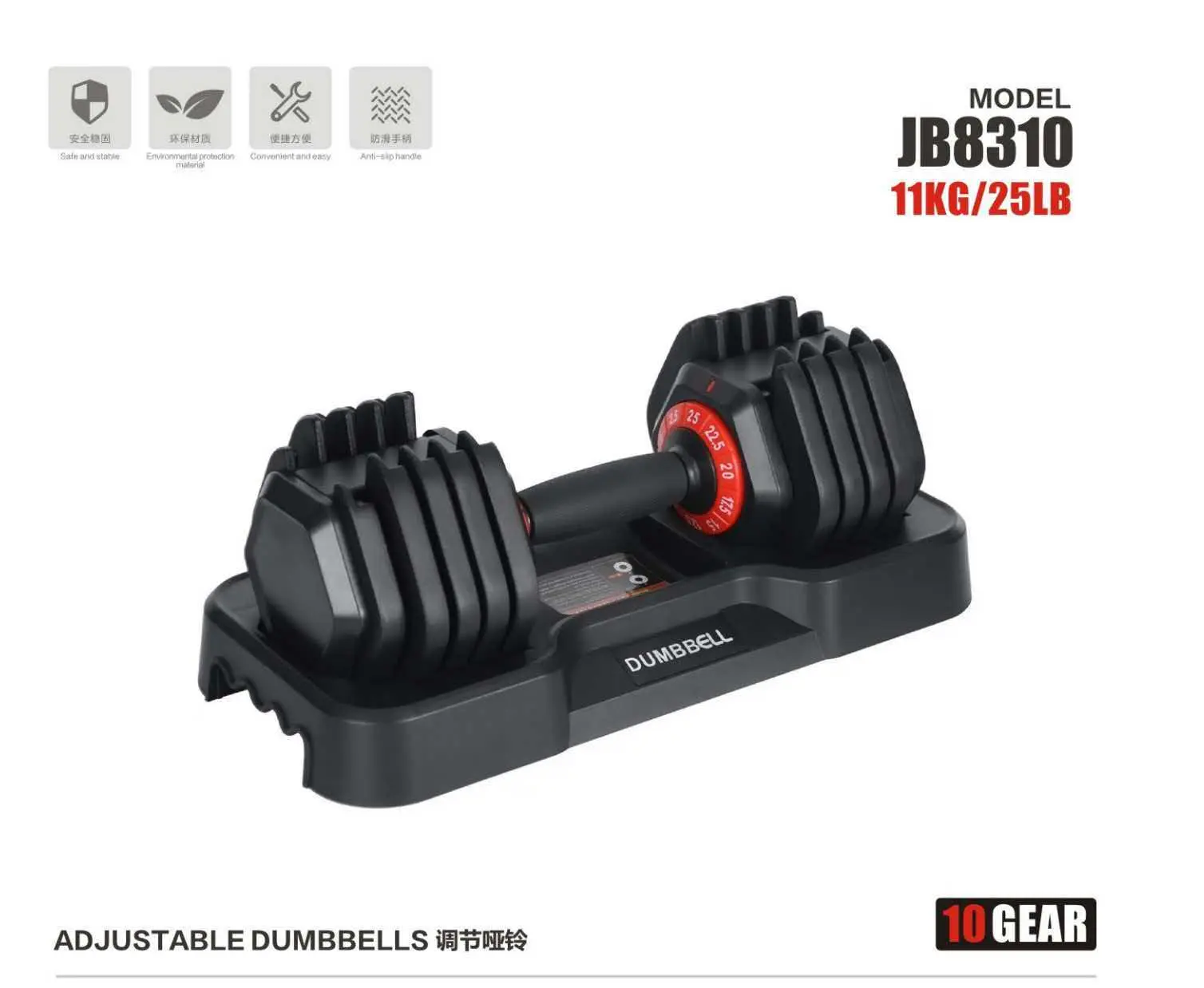
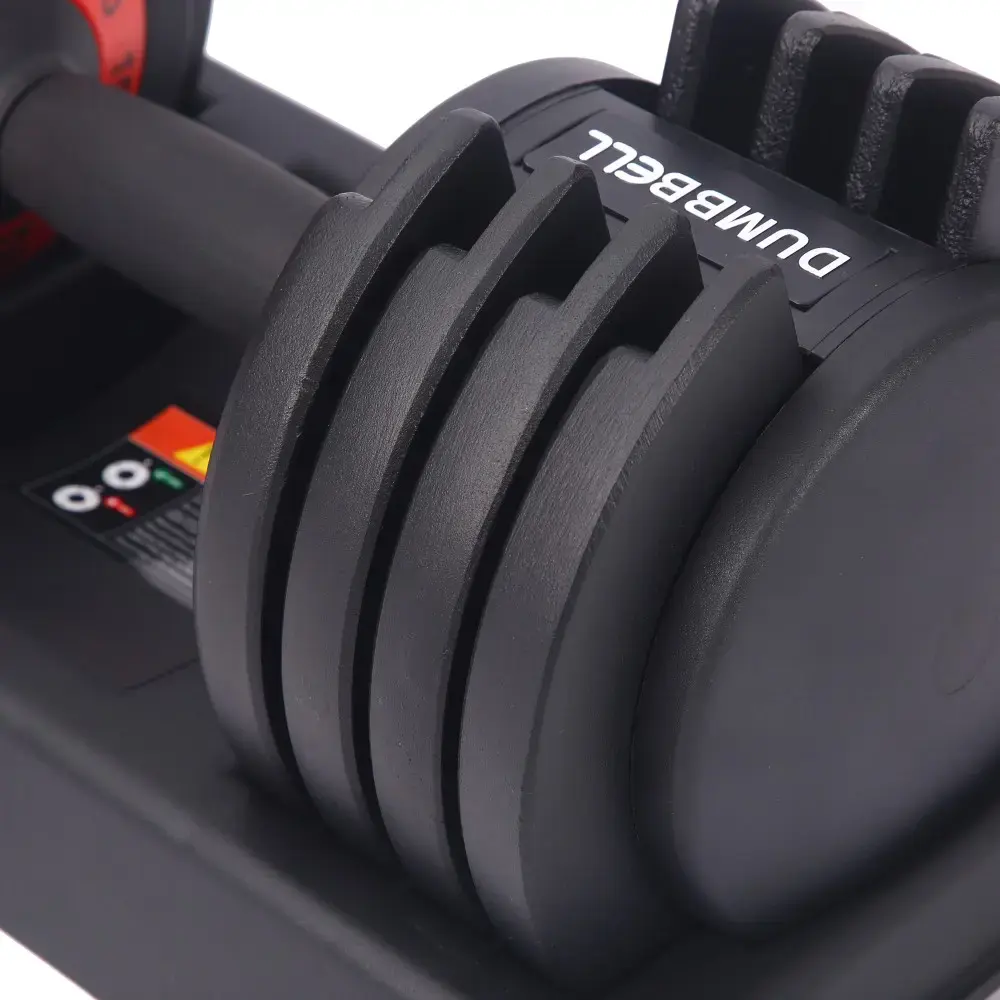
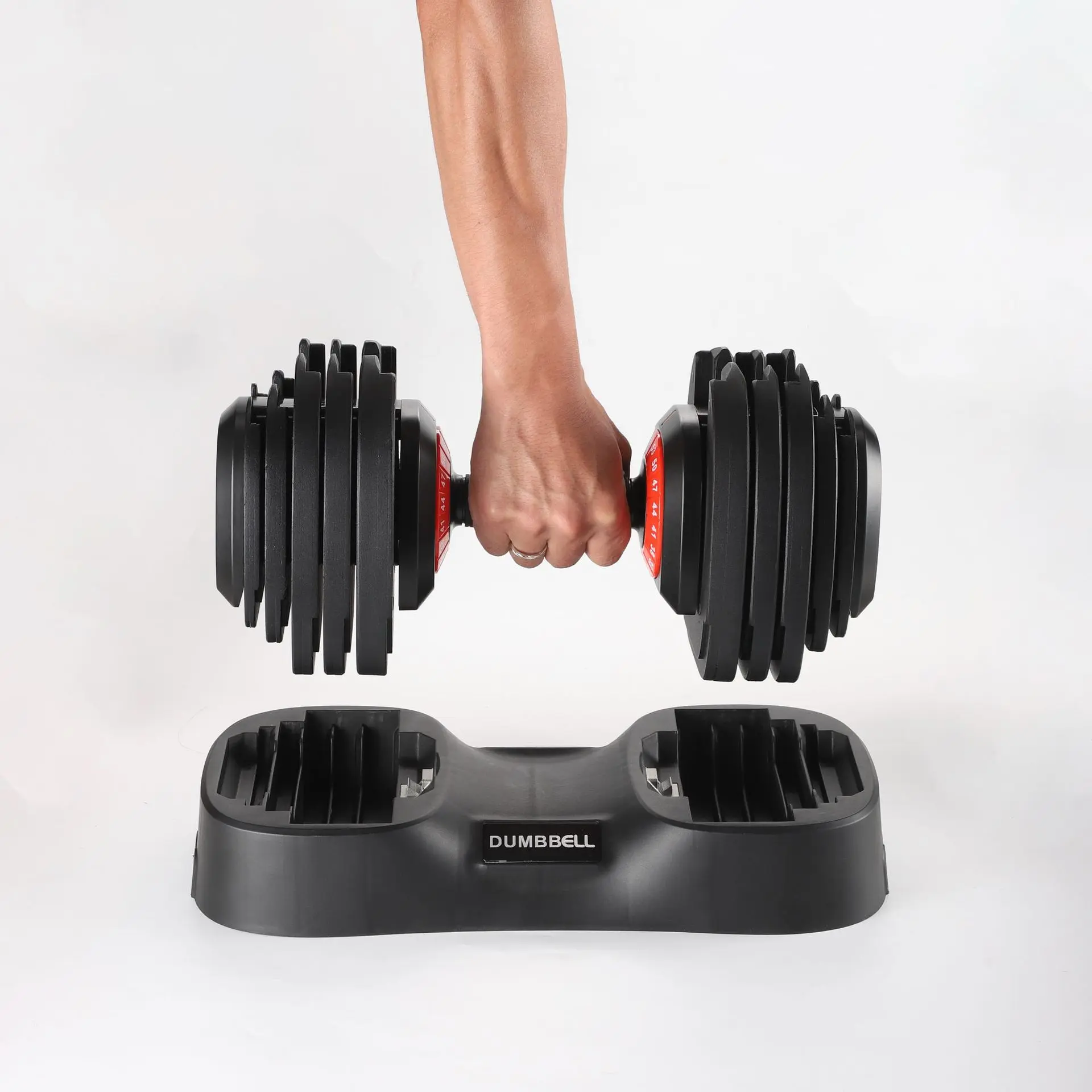
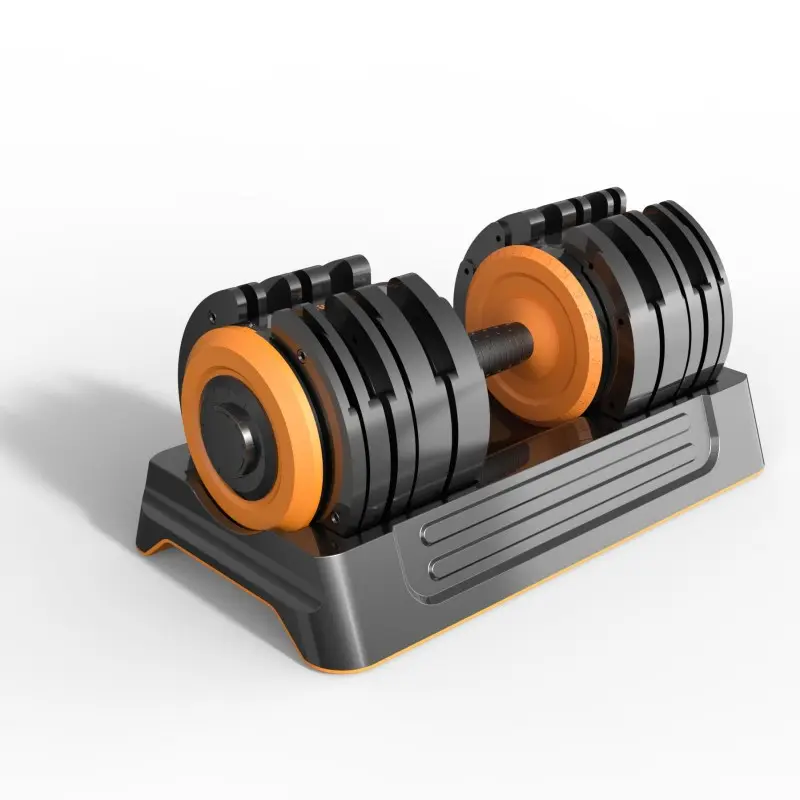
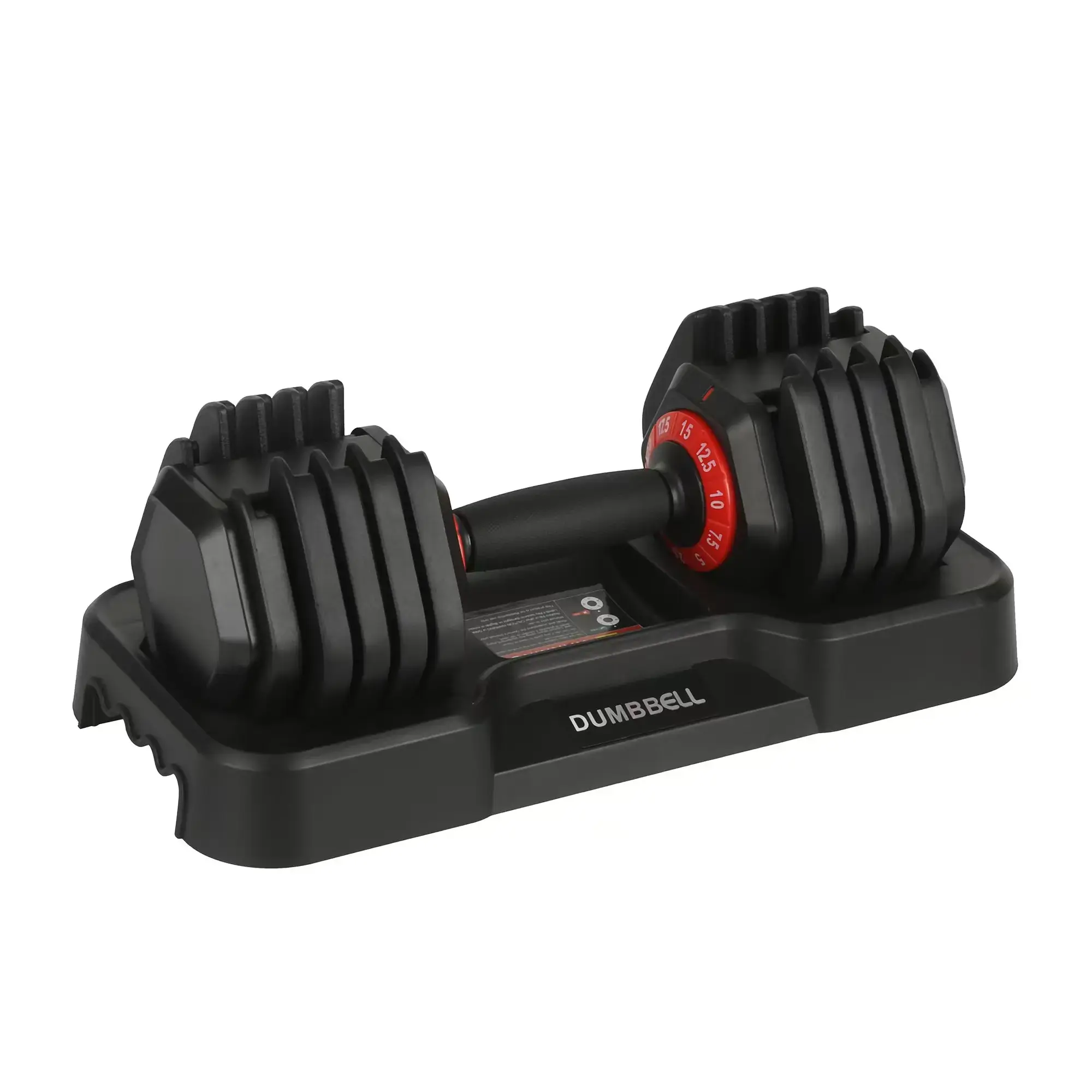
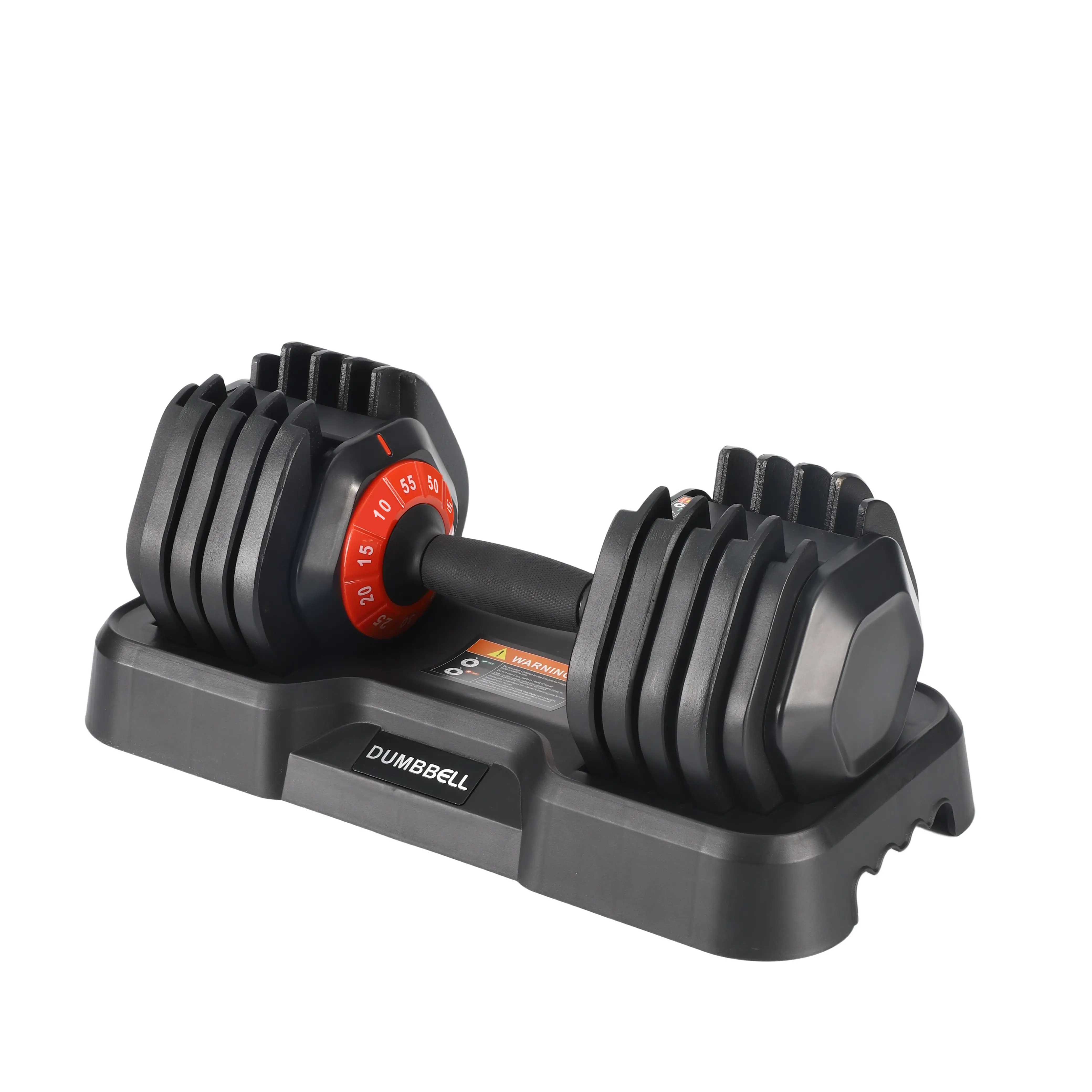
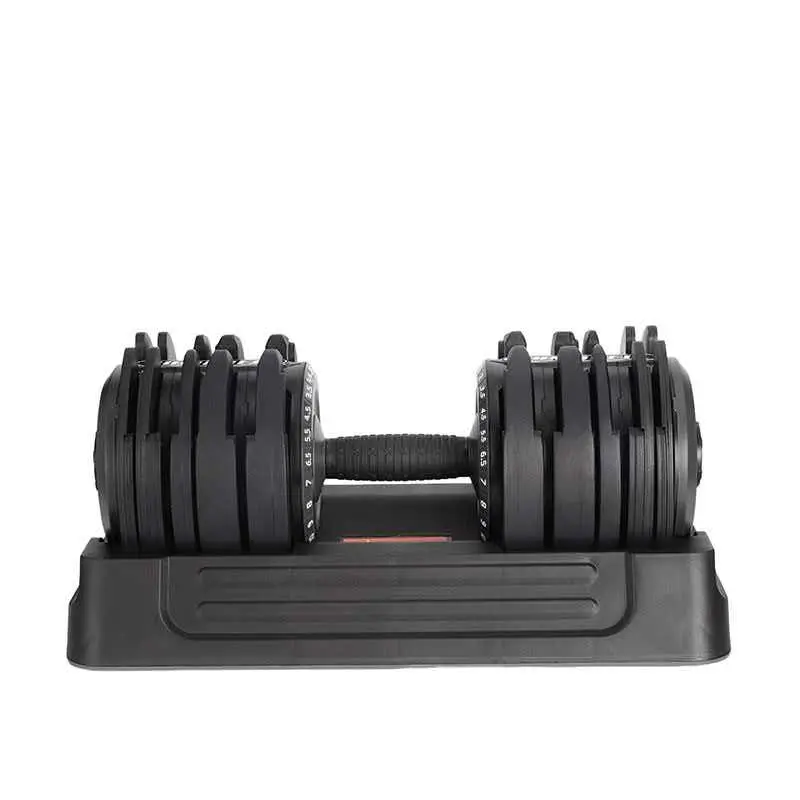
Commercial members grab, drop and reselect weights without the care a homeowner shows a personal purchase. A single busy club can drive 1,500 selection cycles per handle every 30 days. Home units are tuned for perhaps 20 uses a week by one person. The selector gears, locking rails and housing plastics that pass a home standard fail when load and frequency climb by 10x. The 25 kg (56 lb) adjustable dumbbell built for gym, sports store and home training channels carries a reinforced selector and a steel core rated for repeated commercial handling, which is the difference a buyer feels at month 11 rather than month 1.
Specify the 25 kg (56 lb) adjustable dumbbell from Jpower Fitness when the floor needs a gym, sports-store and home training channel unit rated for repeated commercial handling: 25 kg (56 lb) adjustable dumbbell for gym, sports store and home training channels
What Is a Duty Class, and Why EN 957 Matters
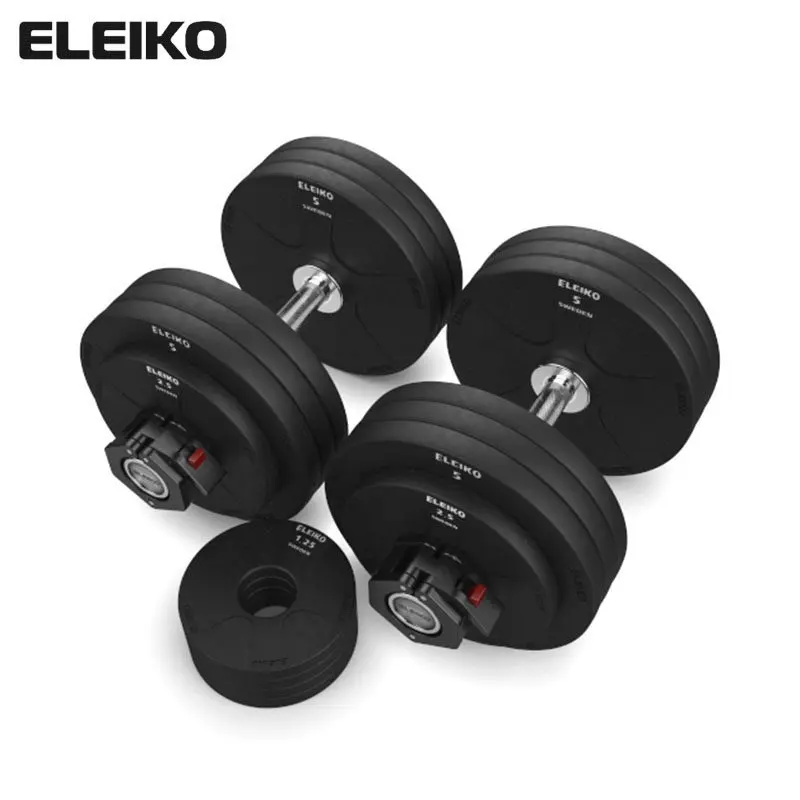
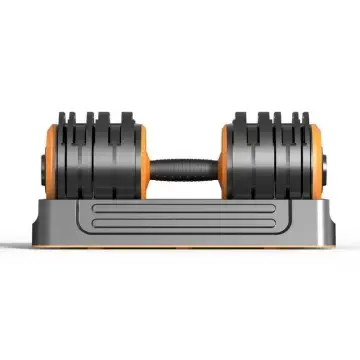
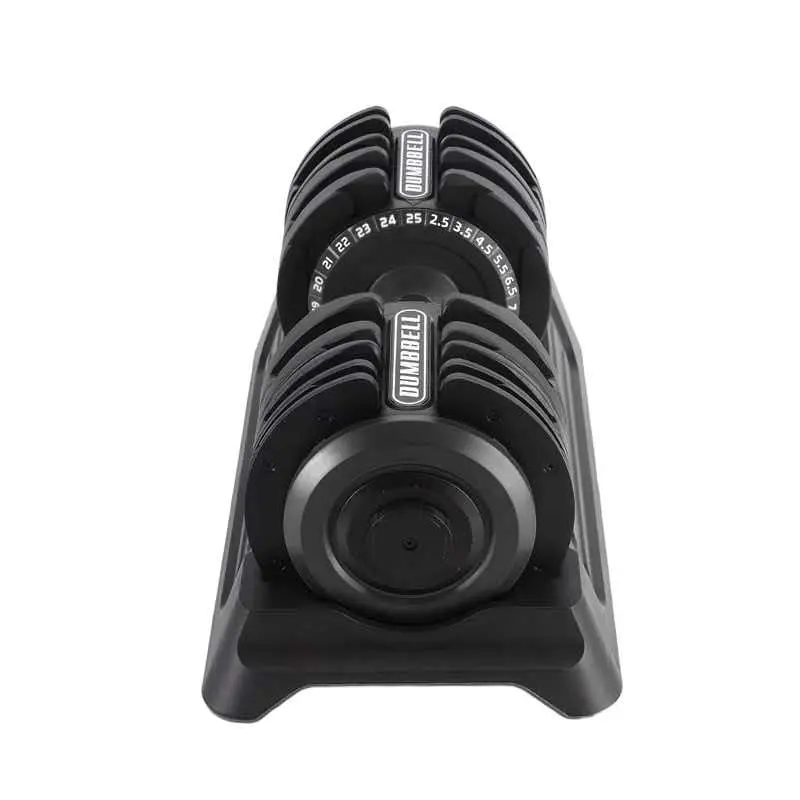
Choose the 25 kg adjustable cast iron dumbbell set for home gym and light commercial use when the site is a boutique studio or light-commercial room: 25 kg adjustable cast iron dumbbell set for home gym and light commercial use
How Many Selection Cycles Should the Mechanism Survive?
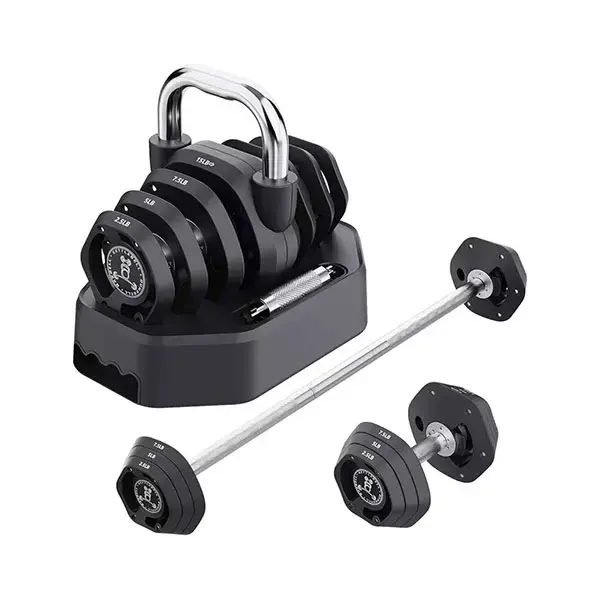
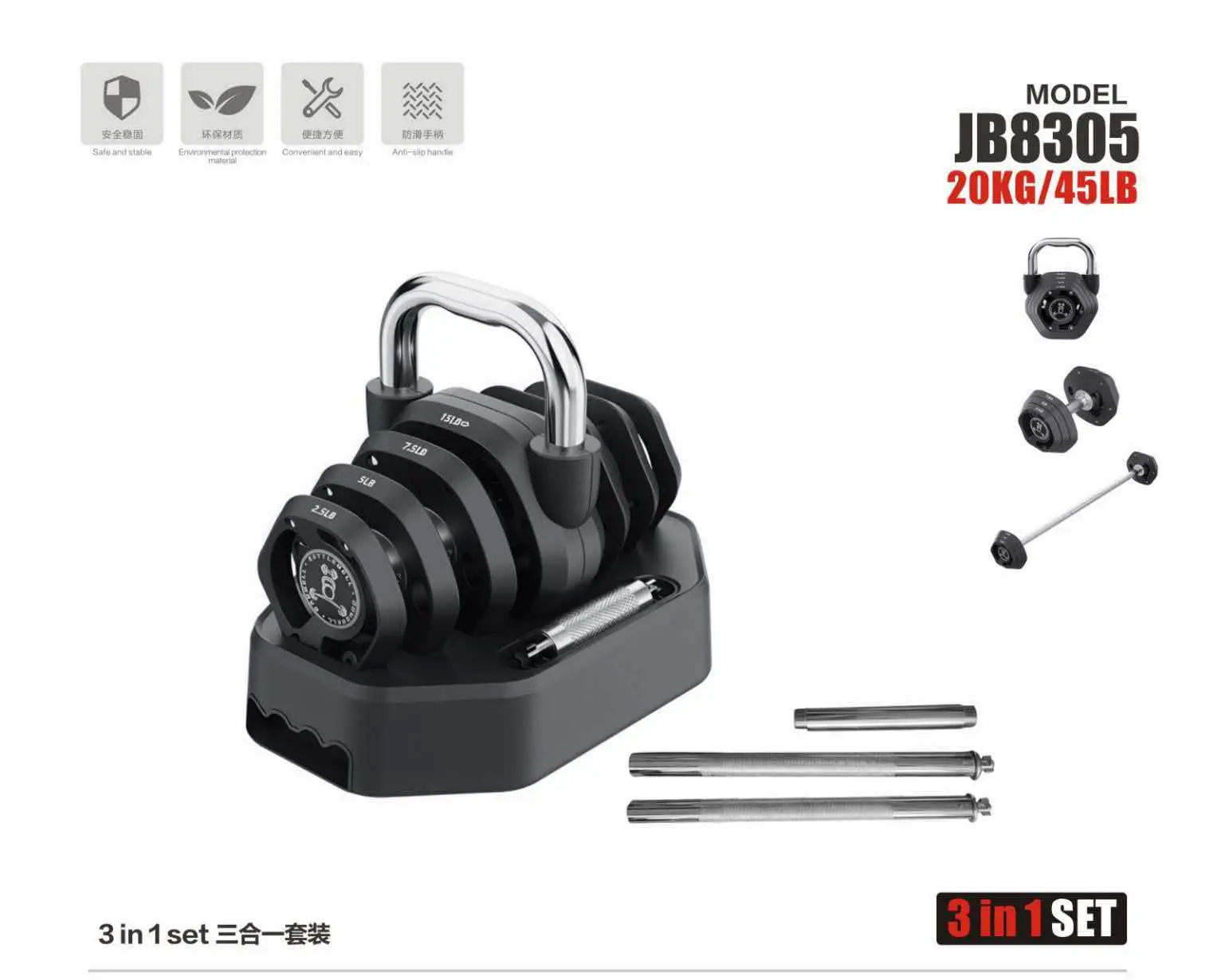
Use the 20 kg (45 lb) 3-in-1 adjustable dumbbell and kettlebell set for space limited training rooms where frequent load changes happen in compact footprints: 20 kg (45 lb) 3-in-1 adjustable dumbbell and kettlebell set for space limited training rooms
What Drop Testing onto Gym Flooring Proves
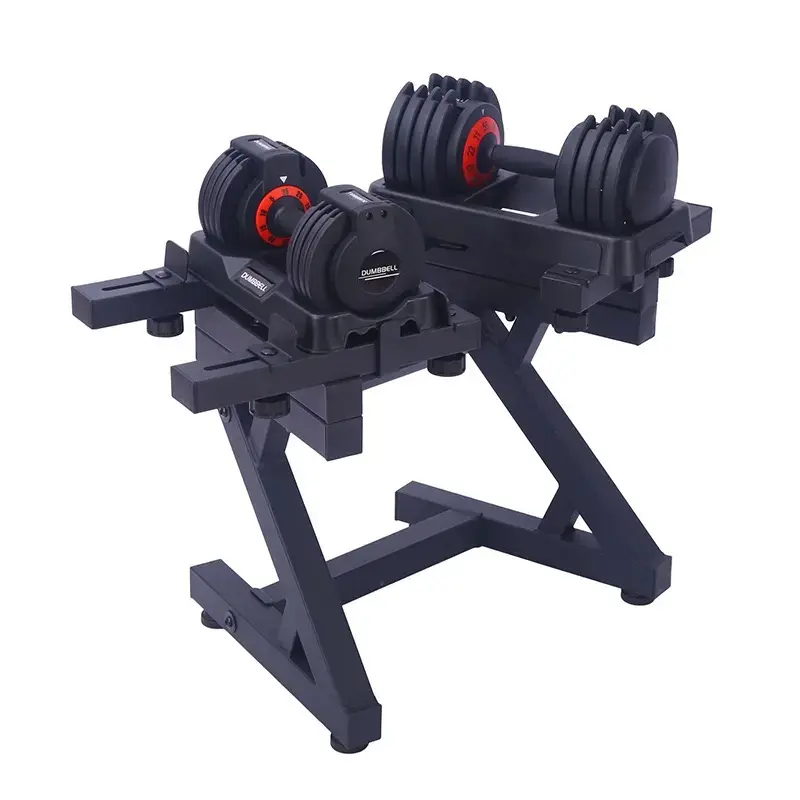
Deploy the iron adjustable mobile dumbbell rack for hotel fitness rooms and commercial floors where loaded moves across rubber flooring are routine: iron adjustable mobile dumbbell rack for hotel fitness rooms and commercial floors
How Do You Verify Weight Tolerance Under Load?
What Evidence Do Buyers and Insurers Actually Want
Writing the Duty Spec into the Purchase Contract and a Buyer Checklist
- Confirm EN 957 class S or C is printed on the test report for the exact SKU.
- Require a 50,000-cycle curve at full rated load with the 2-year warranty referenced.
- Reject any batch lacking a drop test of at least 200 impacts from 1.0 m onto 8 mm rubber.
- Verify load tolerance of plus or minus 2% across 2 kg to 25 kg under a 50 kg side load.
- File batch number, production date and certificate reference before the container is released.