

Adjustable dumbbell strength factory
Beyond the Gym Chain: Specifying Adjustable Dumbbells for Hotel Fitness Rooms, Corporate Wellness Spaces and Rehab Clinics
The Order That Looks Wrong Until You See the Room
A distributor who sells two thousand Adjustable Dumbbell Sets a year into gym chains receives an enquiry for forty units from a hotel group. The quantities look trivial, the margin per unit looks fine, and the order gets processed exactly like a gym order. Six months later every one of those forty units has been returned, replaced or quietly removed from the room, and the distributor has lost the account over a specification that was never the problem in a commercial gym.
Hotel fitness rooms, corporate wellness spaces and physiotherapy clinics buy the same product category as gym chains and use it under completely different conditions. Importers who write a separate spec sheet for these buyers turn a nuisance-sized order into a repeat programme, because each of these channels refurbishes on a cycle and reorders on a schedule. The differences come down to four things: who uses the equipment, who supervises it, how much space there is, and what happens when something breaks.
Unsupervised Users Change Every Specification
A commercial gym has a floor manager, a member induction and a culture of people who know how a collar works. A hotel fitness room at six in the morning has one guest, no supervision and a flight to catch. The failure mode is not the product breaking; it is the product being used incorrectly and then left in a state the next user does not check.
That has a direct specification consequence. Adjustment mechanisms must be self-evident, because nobody reads a wall chart at six in the morning. Any mechanism that requires two hands, a sequence, or a check step before lifting will be used incorrectly within a week, and the resulting damage will be logged as a product defect. Weight markings must be readable at arm's length in low light, which rules out the small etched numerals that pass perfectly well on a gym floor.
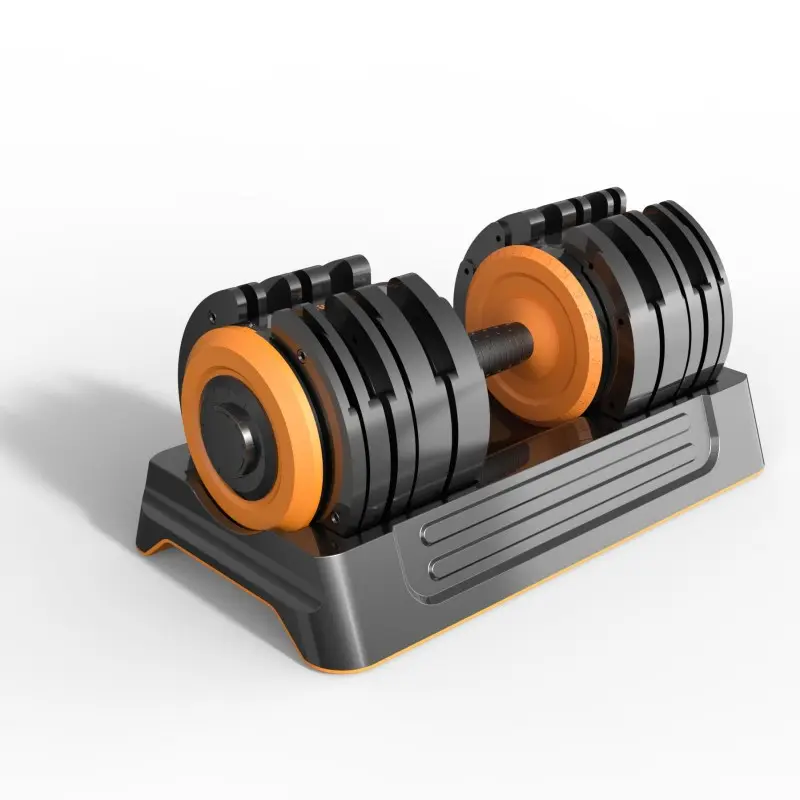
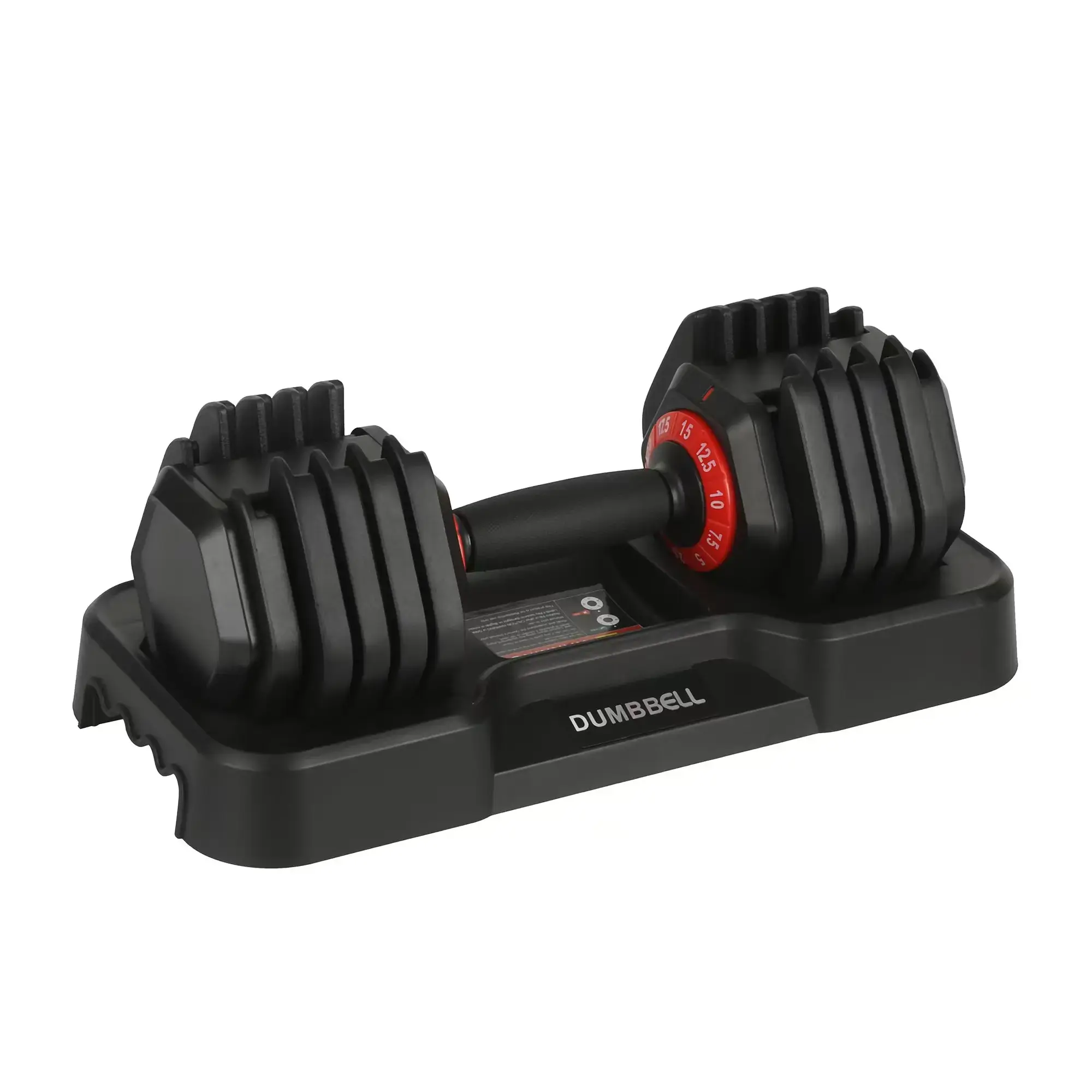
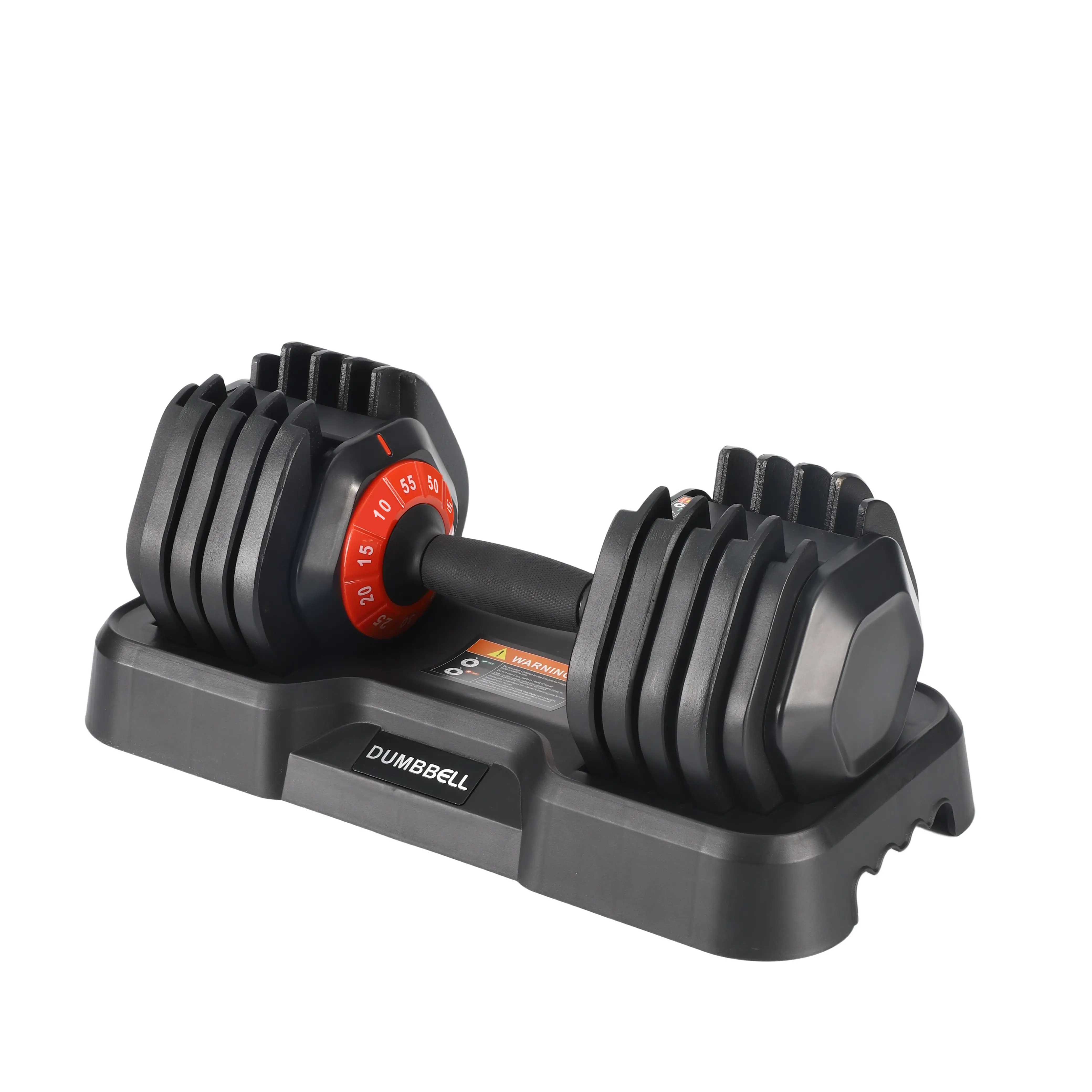
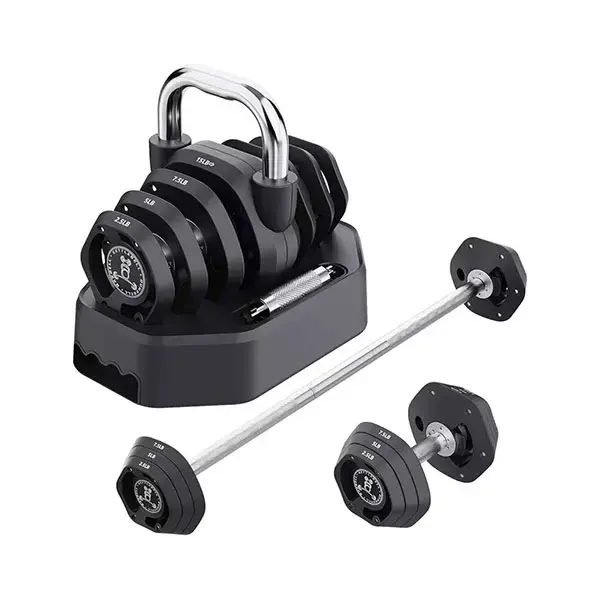
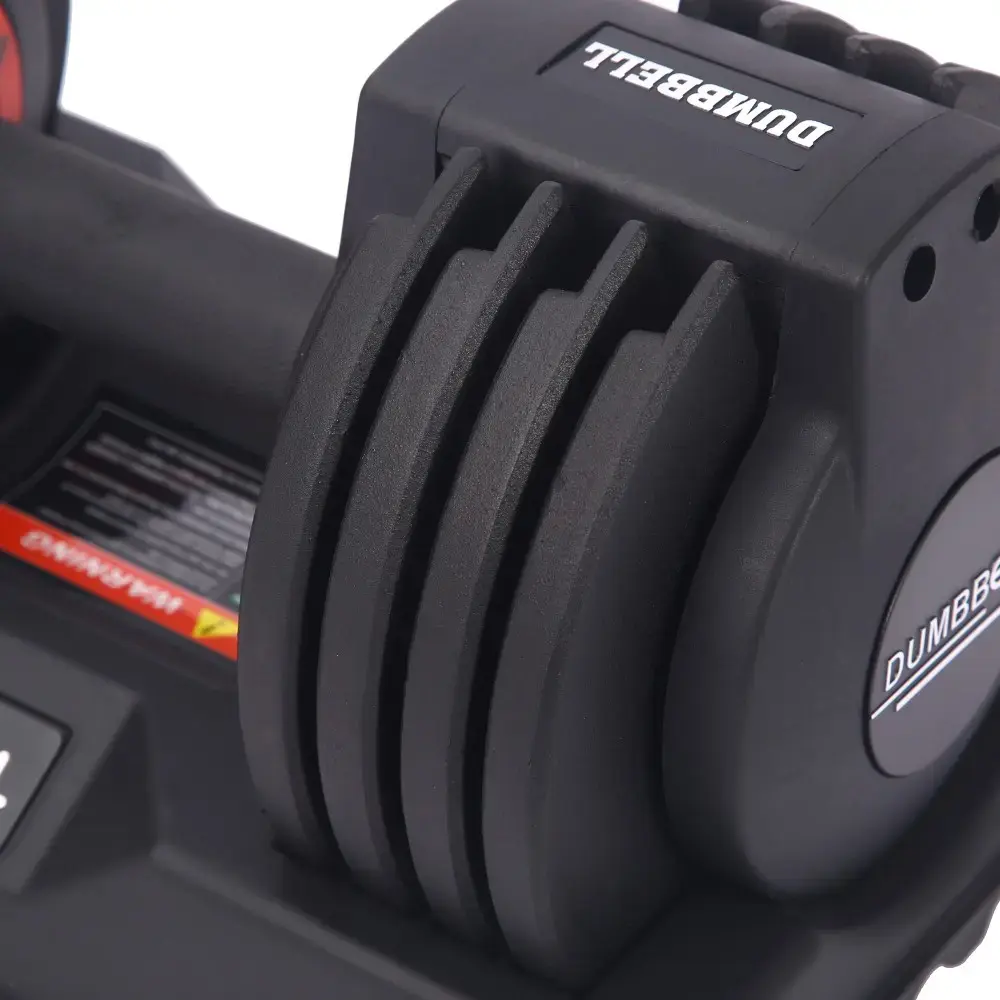
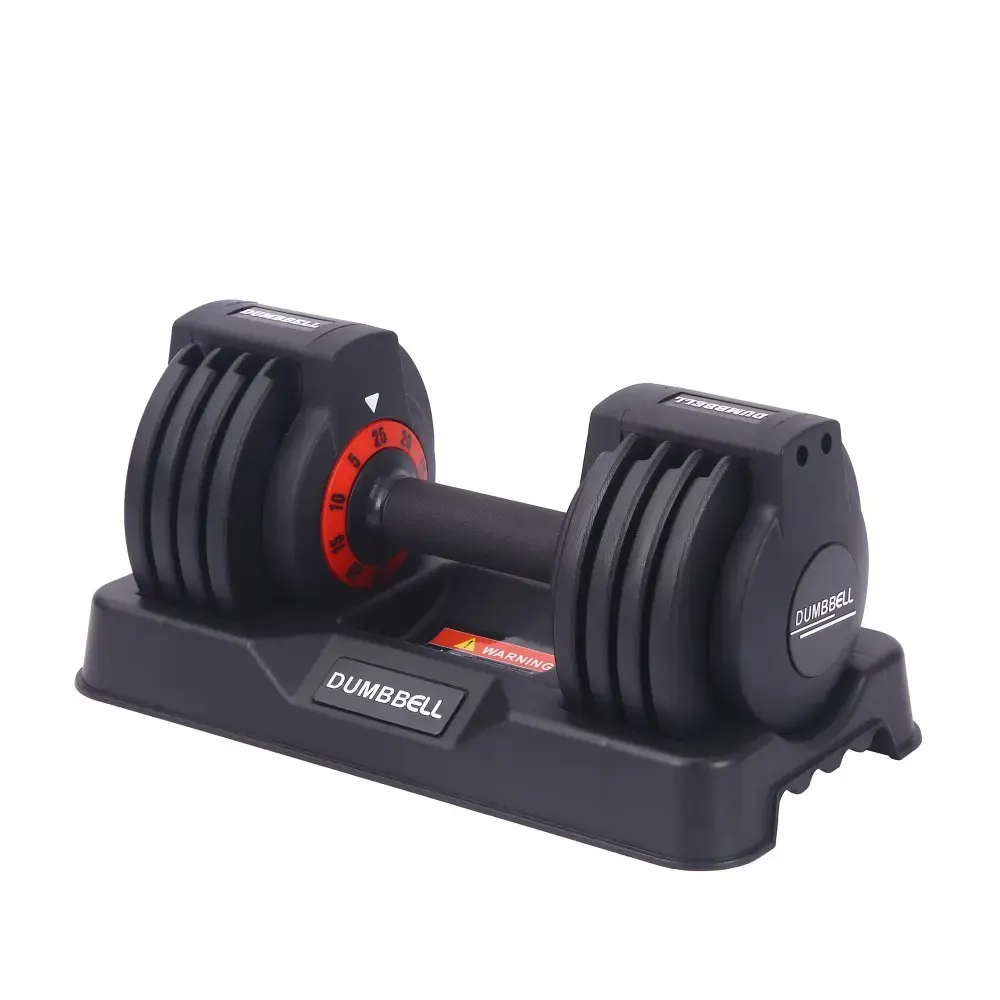
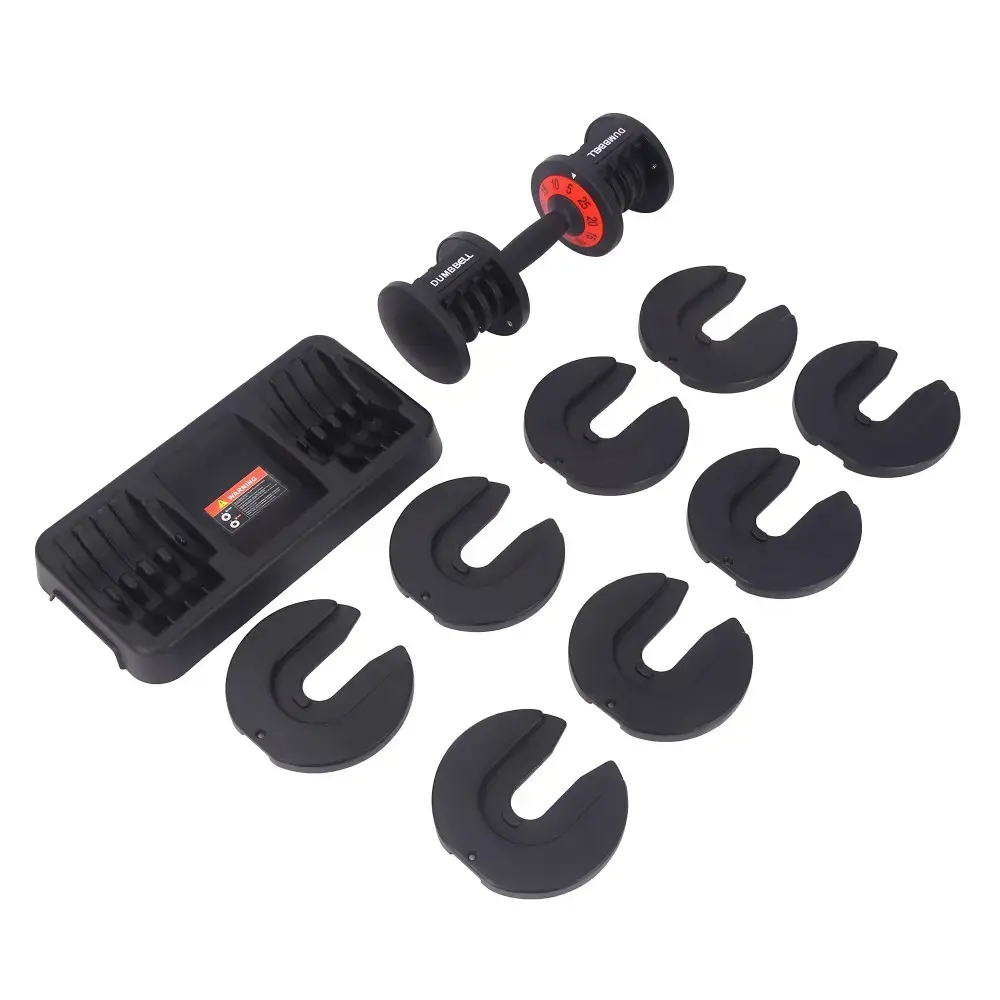
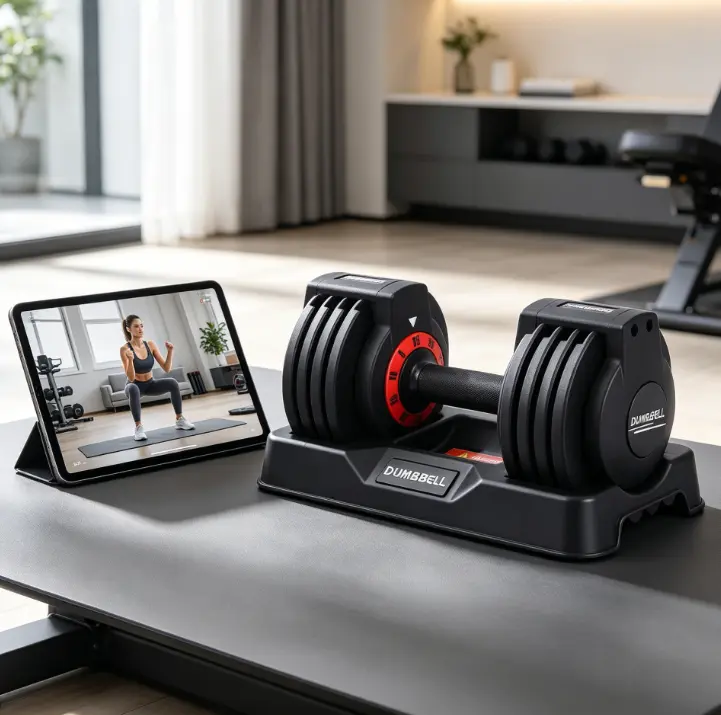
For unsupervised environments where the mechanism has to be obvious and the selection fast, a automatic quick-change adjustable dumbbell in a 25 lb format is the safer specification than a collar-and-plate design, because the user cannot reassemble it wrongly.

Aesthetics Is a Procurement Requirement, Not a Preference
Gym buyers ask what the equipment can lift. Hotel and corporate buyers ask what it will look like in a photograph of the room, because that photograph sells the room. This is the single biggest difference between the channels, and it is why a product that wins on price per pound in a gym loses the hotel tender outright.
Concretely, it means finish consistency across the whole set matters more than finish durability, colour needs to be specified against an interior scheme rather than a brand palette, and the storage solution is part of the visual package rather than an accessory. Distributors should quote the dumbbell and the rack together for these channels, because a mismatched rack is the most common reason a completed installation gets rejected at handover.
The storage piece carries the room visually, so a mobile dumbbell rack with a finished iron frame should be specified and photographed alongside the dumbbells in the submittal pack rather than offered as an optional extra.
Space Is Measured in Square Metres of Rent, Not of Floor
A gym allocates floor area to equipment because equipment is the product. A hotel allocates floor area to a fitness room because a fitness room is an amenity that competes with a larger bathroom for the same square metres. The equipment therefore has to deliver a usable strength offering inside a footprint that a gym designer would consider unworkable.
This is where format selection does real work. A single pair of adjustable units covering a wide weight band replaces an entire Dumbbell Rack, and the footprint saving is usually the argument that closes the sale. Distributors who quote a per-pair price without quoting the square metres saved are competing on the wrong axis entirely, and they will lose to a lower-quality product that happens to present the space case better.
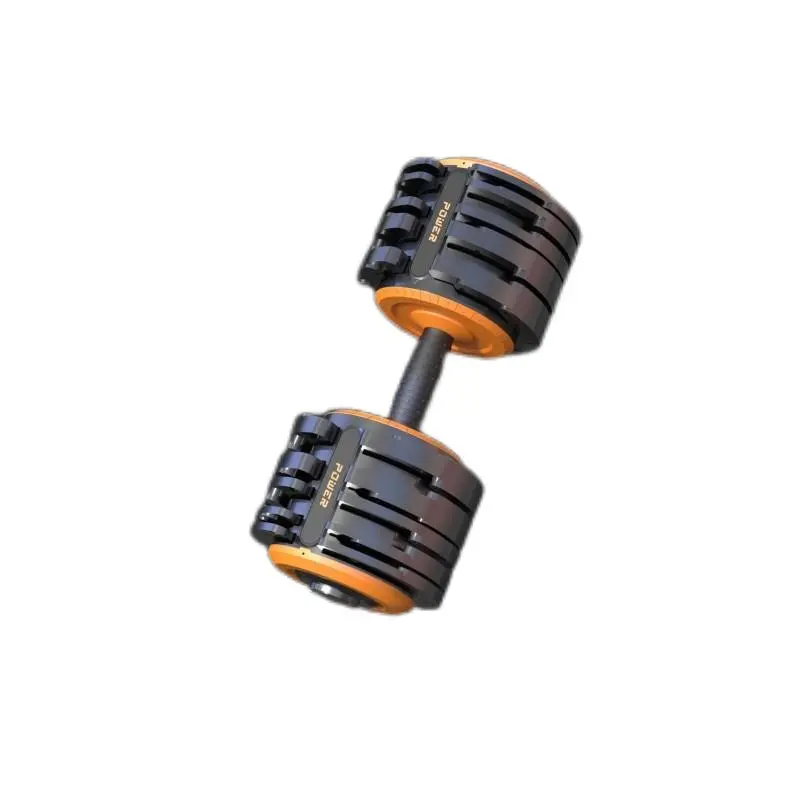
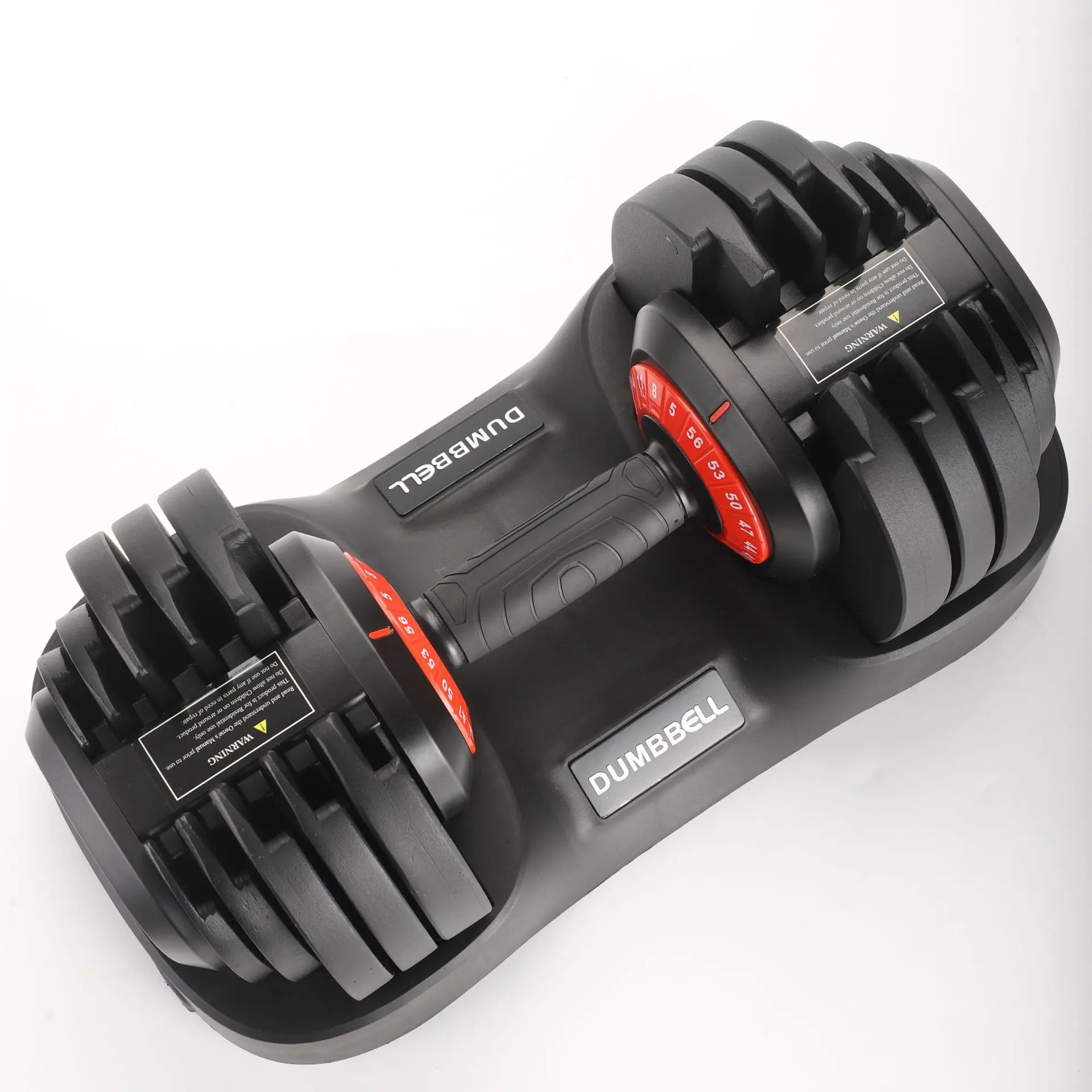
Where the room has to serve both a light user and a serious one, a 25 kg adjustable dumbbell covering the full range in one unit removes the need for a second pair, which is usually the difference between a strength corner that fits and one that does not.
Rehab and Clinical Buyers Have a Fifth Requirement
Physiotherapy clinics and rehabilitation facilities are the most demanding of the three channels and the least understood. A clinician loads a joint progressively, in small increments, and documents it. The increment step becomes a clinical variable, not a convenience, and a product with coarse steps is literally unfit for the protocol.
Two further requirements follow. Surface finishes must tolerate clinical cleaning agents, which are far more aggressive than anything used in a gym. Distributors serving this channel should offer asset tagging as a standard option, not as a custom request
For clinical environments where small increments and a stable, wipeable finish matter, a space-saving adjustable dumbbell with fine increment steps is the specification worth submitting, provided the supplier can state the actual increment in writing rather than as a marketing range.
Service, Replacement and the Refurbishment Cycle
All three channels refurbish on a cycle: hotels every five to seven years, corporate spaces on a lease cycle, clinics on an equipment replacement budget. That cycle is the commercial reason to serve these buyers despite the small order size, because a gym reorders when it expands while these channels reorder on a calendar.
The requirement that unlocks the reorder is a replacement-part commitment. A hotel that cannot source a single replacement collar will replace the entire set at refurbishment and will remember who could not supply the part. Distributors should hold a small spares allocation per project and state the commitment period in the quotation.
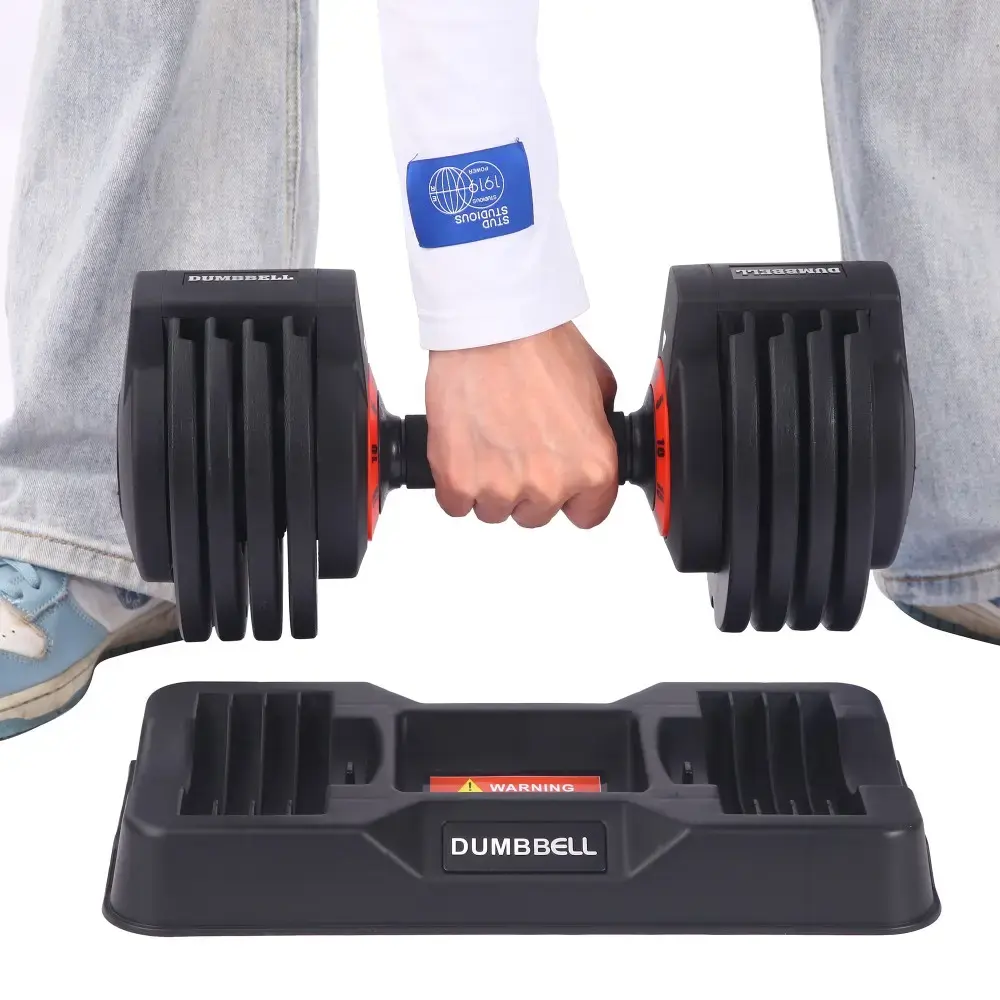
Where the buyer needs a lighter, lower-cost unit for a large number of small rooms, a 25 lb adjustable dumbbell set for light-duty room use is frequently the right commercial answer, because the duty cycle in a hotel room genuinely does not justify the heavier build a gym requires.
The Takeaway
Write a separate spec sheet for non-gym channels and the small orders stop being a nuisance. Self-evident adjustment for unsupervised users, a finished storage solution quoted as standard, a footprint argument instead of a price-per-pound argument, fine increments and clinical-cleanable finishes for rehab buyers, and a written spares commitment that survives to the next refurbishment. Distributors who do this convert amenity buyers into calendar-driven repeat business.