

Adjustable dumbbell strength factory
The Asset Pack: What Adjustable Dumbbell Distributors Must Ship With Every Container to Keep Channels Selling
A Pallet of Product With Nothing to Sell It
A distributor lands a container of Adjustable Dumbbells, forwards a spec sheet to three retail partners, and waits. Two months later the listing is live with a blurry warehouse photo, the weight range is stated in kilograms on a market that buys in pounds, and the return rate is triple what the category normally runs. Nothing was wrong with the product. What was missing was the asset pack, and the channel filled the gap with whatever it could find.
This is the least glamorous and highest-leverage part of an adjustable dumbbell programme. Importers who treat imagery, spec data and assembly documentation as part of the deliverable routinely hold shelf space that price-alone competitors cannot buy. The list below is what that pack needs to contain, and why each item protects margin.
Start With the Weight Data, Because Every Error Here Becomes a Return
The single most expensive line in a dumbbell listing is the weight statement. State the total set weight, the per-hand weight, the increment step, and the units, and make sure all four appear together. A "25" in the title on a US listing reads as pounds; the same number in Europe reads as kilograms, and the customer who receives the other one files a return that costs more than the unit earned.
Distributors should supply each channel with a locked data sheet rather than a description, so the listing cannot drift. A locked sheet carries: SKU, total weight, per-hand weight, increment, handle length, assembled footprint, carton dimensions, net and gross weight, and country of origin.
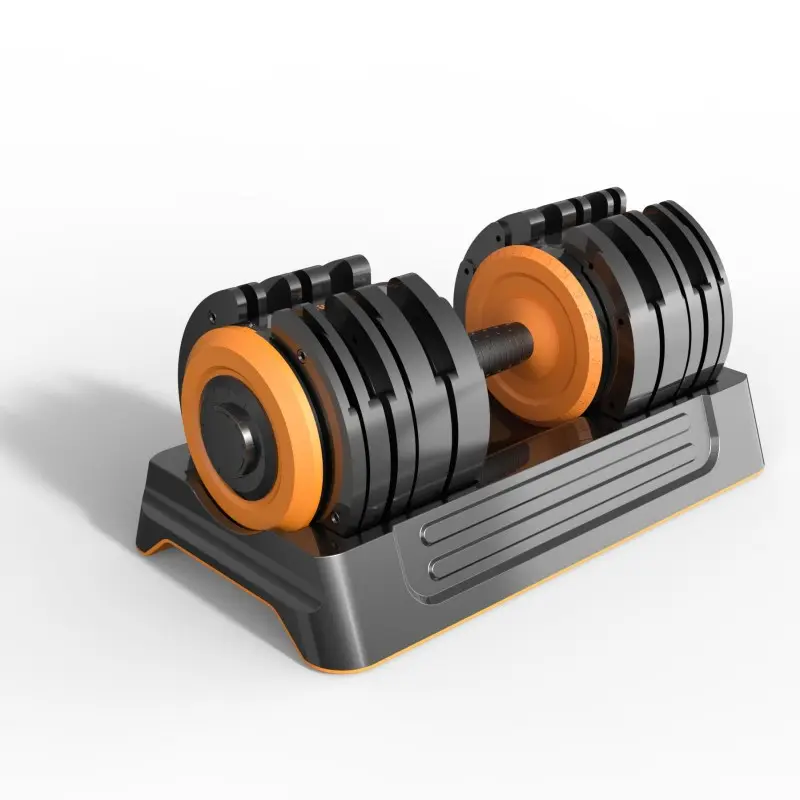
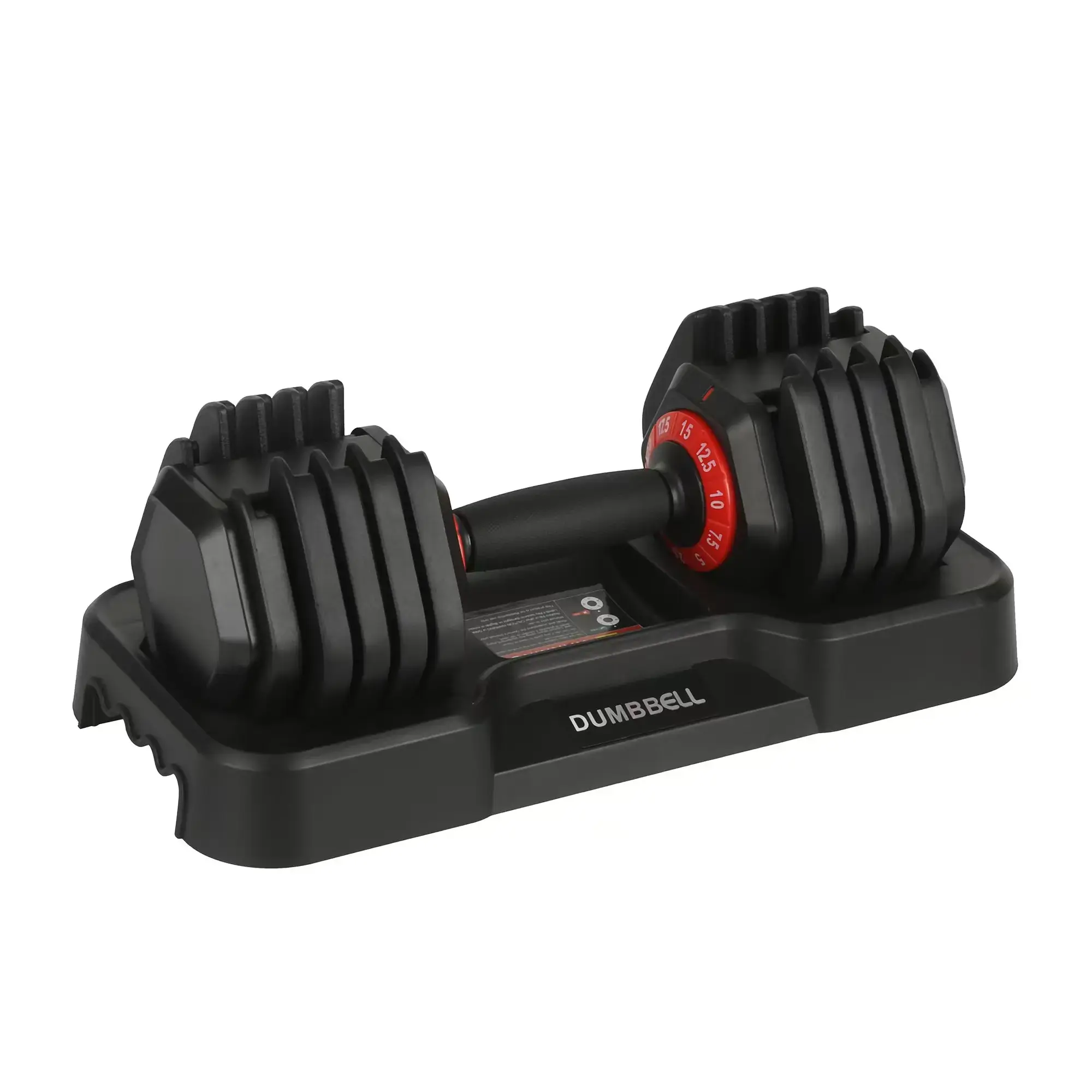
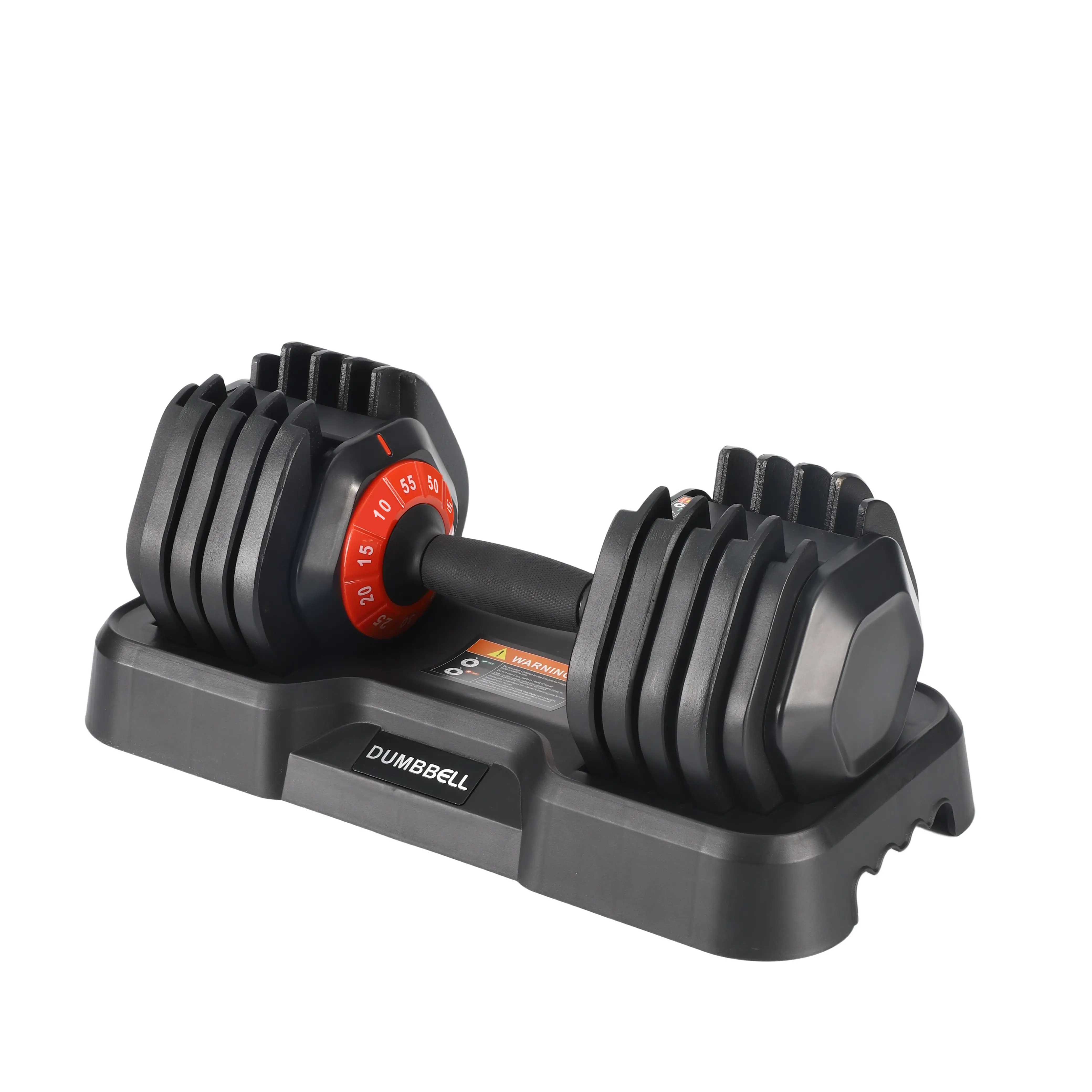
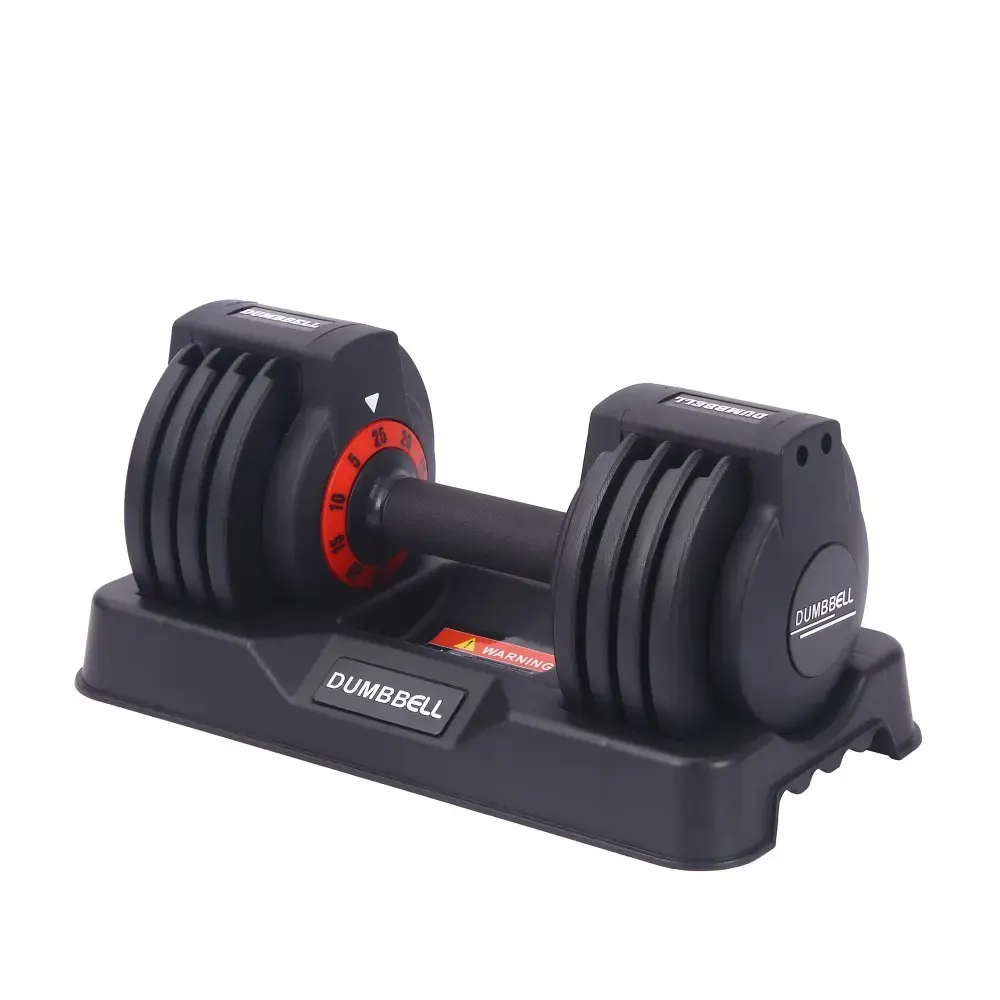
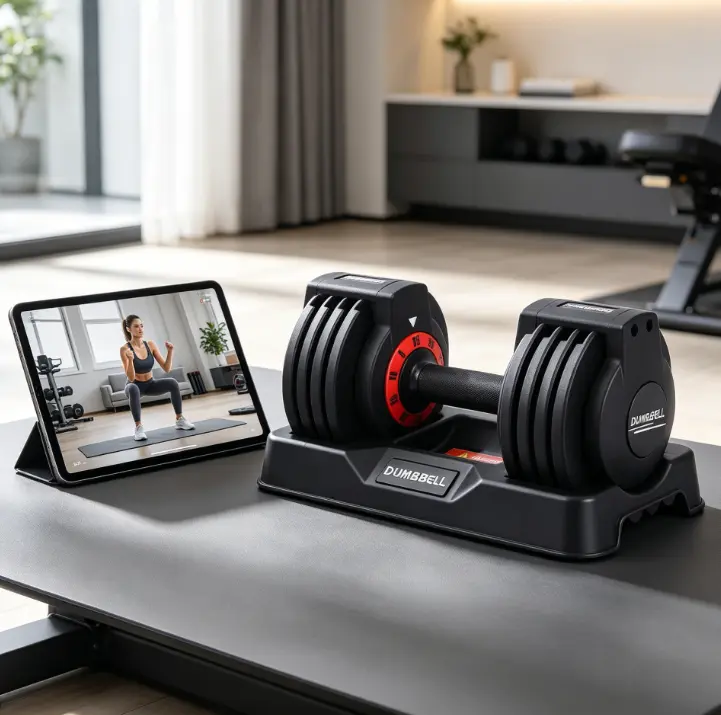
Where the range spans several capacities, give the channel a single table for the whole family so the variation listing stays consistent. A set such as the 25 lb automatic quick-change adjustable dumbbell needs its per-hand figure stated explicitly, because the per-hand number is what a buyer compares against a fixed pair.
Imagery: Four Shots That Do the Selling
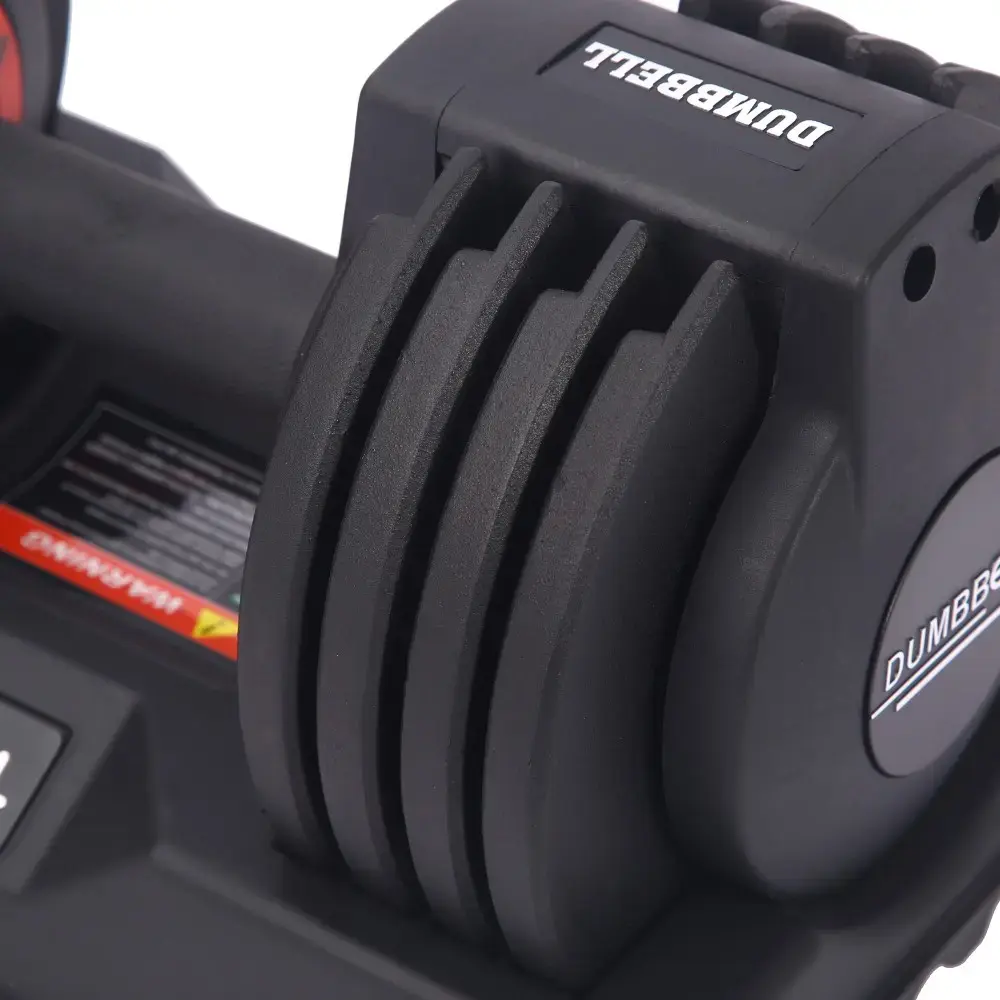
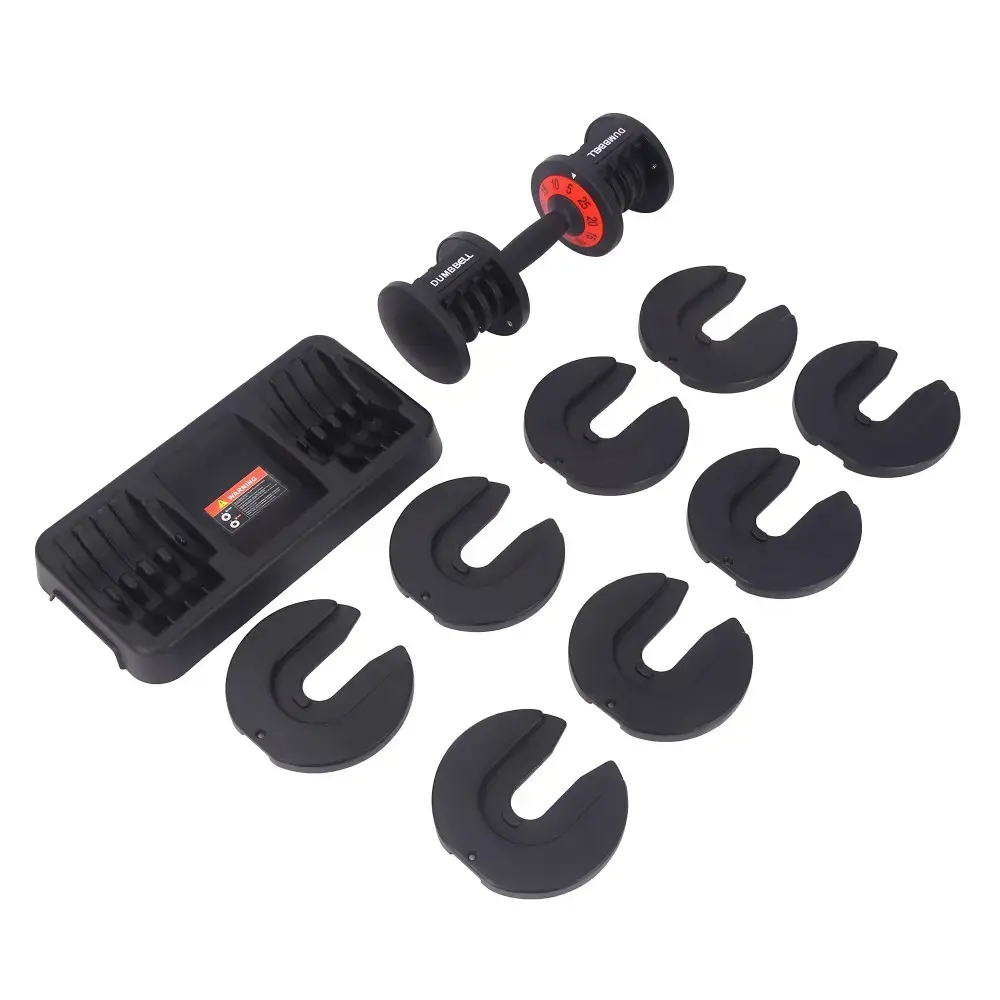
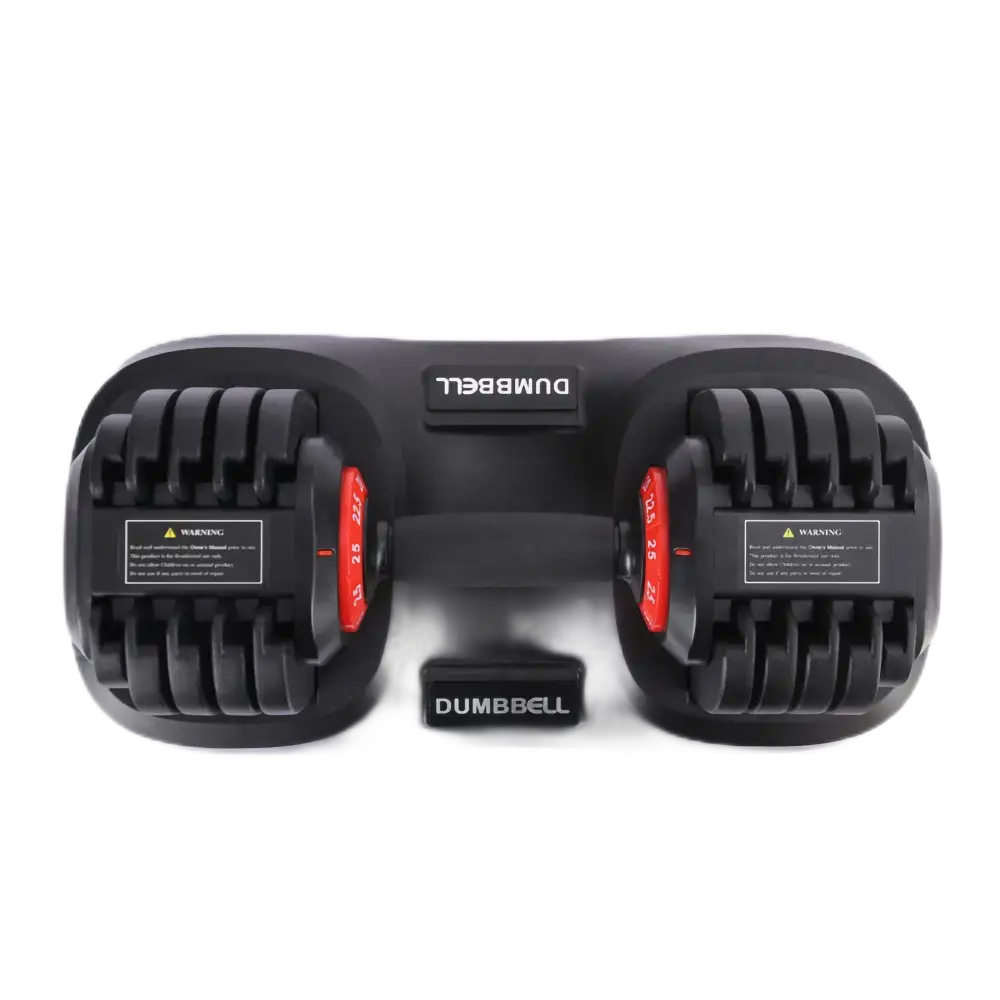
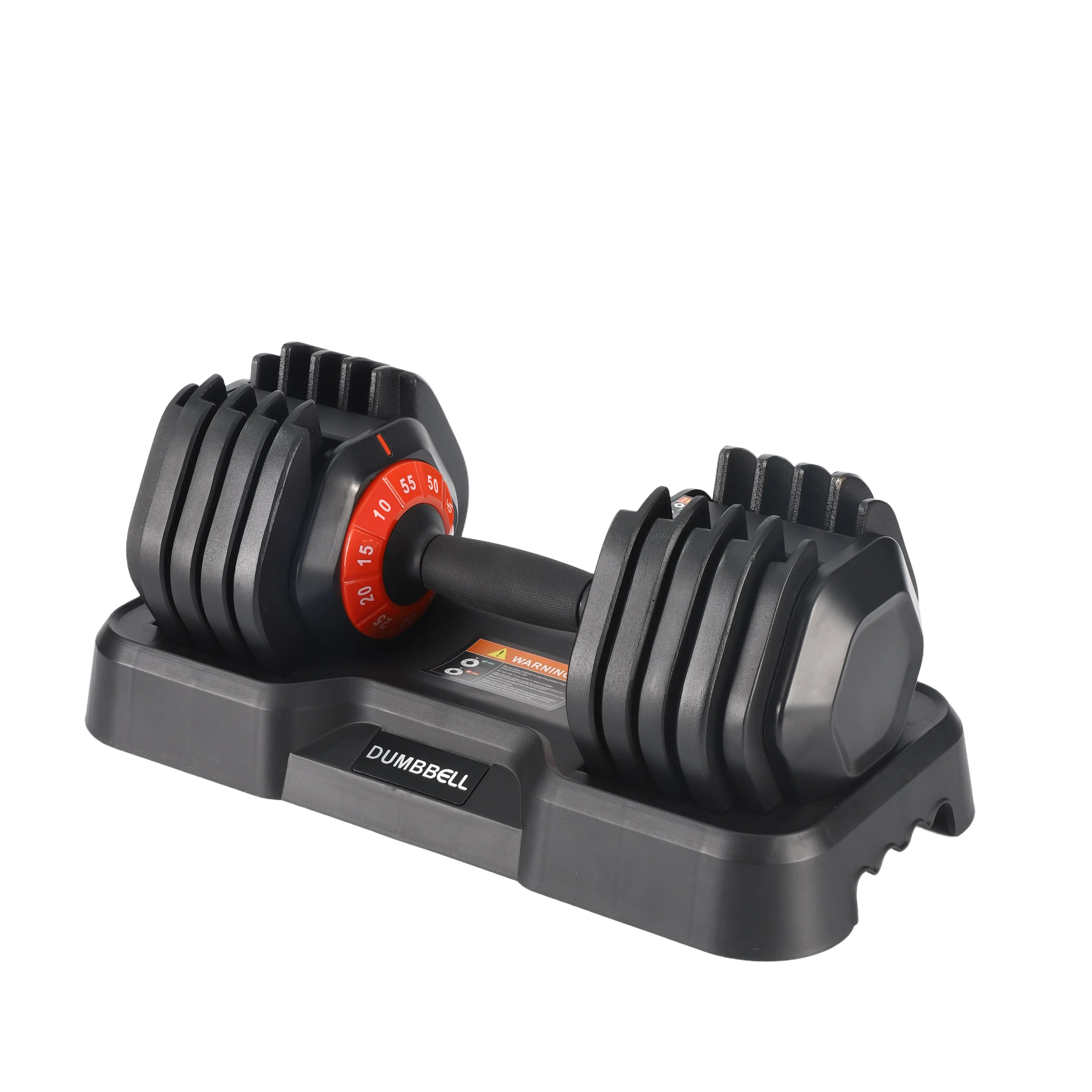
Adjustable dumbbells are a mechanism product, and mechanisms do not sell from one hero image. The four frames that consistently move conversion are the full set at maximum weight, the set at minimum weight, a close frame of the adjustment mechanism engaged, and a scale shot showing the actual selected weight.
The scale shot is the one most distributors skip and the one that most reduces "not as described" claims. A photo of the selector sitting on a digital scale at the stated weight is worth more than any copy claim, and it costs one afternoon in a warehouse.
Shoot the whole family on the same background at the same scale so a shopper can compare capacities visually. A compact model such as the 25 lb adjustable dumbbell for home exercise should appear in the same frame size and lighting as every other capacity in the range, otherwise the entry model looks larger or smaller than it is.
Assembly and Adjustment Documentation
Every adjustable mechanism generates support calls in the first fortnight, and those calls land on whoever sold the unit. A one-page quick-start card with four diagrams, plus a thirty-second adjustment video with no voiceover, typically removes the majority of first-week contacts.
Keep the card language-neutral where possible: numbered steps, icons, and a weight chart that does not need translation. Producing five language versions of a video is expensive; producing a silent visual sequence is not.
For a selector-pin design, the card must show the locked and unlocked positions clearly, because that is the failure mode. A model such as the adjustable 25 lb dumbbell built for home workouts should ship with the pin-seat diagram printed at a size that is legible in a dim garage, not at the size that fits a spec sheet.
Build the Range Story, Not Just the SKU List
Channels convert better when the distributor explains who each capacity is for. Give the buyer a two-line positioning note per SKU: who buys it, what they were using before, and what problem the increment step solves. That note becomes the category page copy, and it removes the channel's incentive to write its own speculative claims.
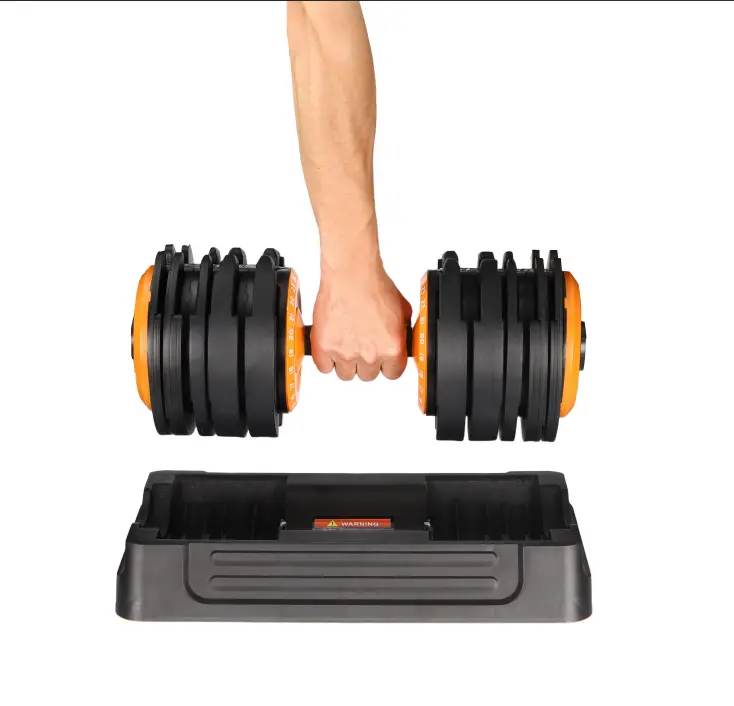
The heavier end of the range needs a different story from the entry end, and mixing them damages both. Position the top of the range on plate count and progression, not on the entry buyer's space-saving argument.
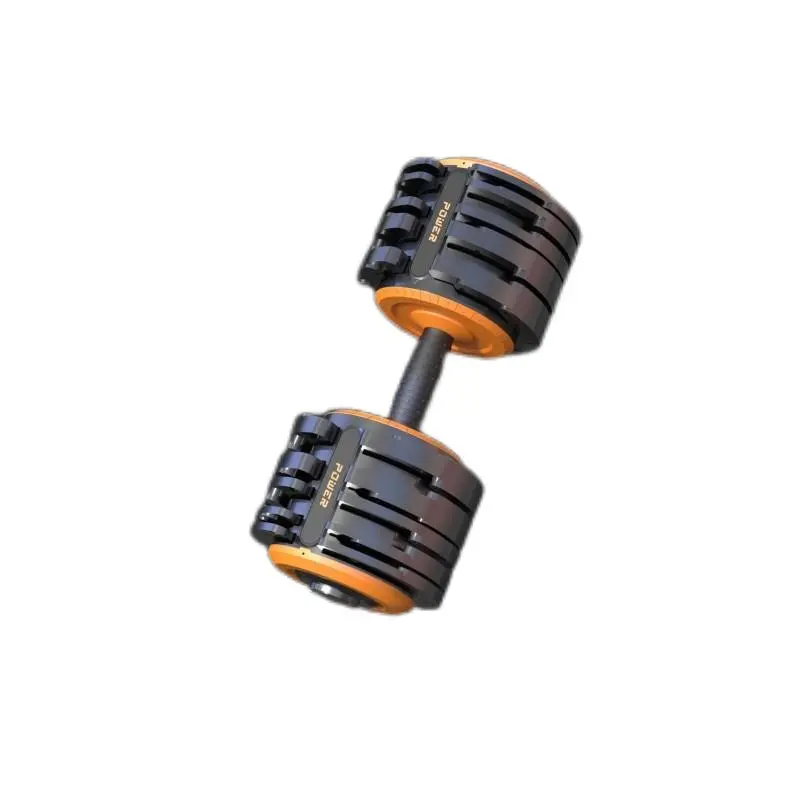
A heavy-capacity set such as the 12.5 kg to 27.5 lb adjustable dumbbell with premium build sells on whether the lifter can keep progressing, which is a completely different conversation from the one that sells a compact 25 lb pair.
Do Not Forget the Convertible Formats
Multi-function sets carry the highest support risk in the category because the customer has to understand two configurations before buying. If the conversion is not shown in the main image, the buyer assumes the product is a dumbbell only and feels misled when it arrives with a kettlebell handle.
Supply the channel with a conversion diagram and a stated conversion time. Convertible sets also need a stated footprint in each mode, because the buyer who purchases one is usually short on floor space and will check.
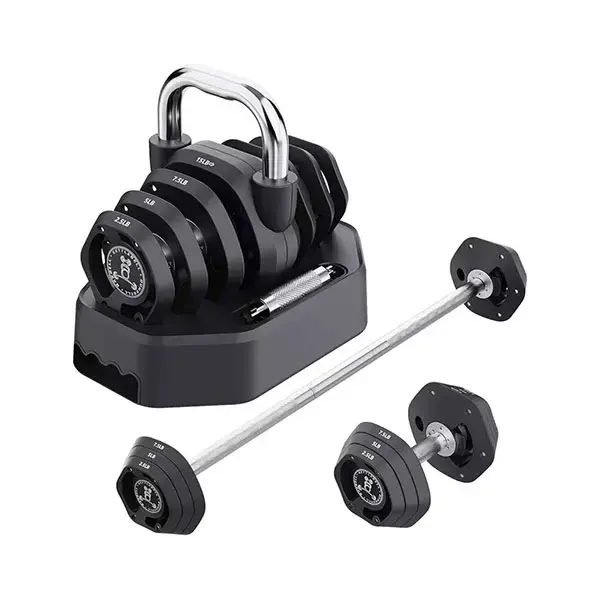
A convertible unit such as the 20 kg 3-in-1 adjustable dumbbell and kettlebell set needs all three configurations shown side by side, with the handle swap photographed rather than described.
The Takeaway
Price wins the first order; the asset pack wins the second. Locked weight data, four standard images, a silent adjustment video, a legible quick-start card and one positioning note per SKU cost a distributor almost nothing against a container, and they are the reason a channel keeps the line on the shelf. Build the pack once, version it, and ship it with every booking.