Adjustable dumbbell strength factory
Demo Units, Sales Scripts and Setup Checks: How Adjustable Dumbbell Distributors Prevent Mis-Sales at Retail
The Display That Sold the Wrong Pair
A sporting goods wholesaler in Western Europe landed a first container of Adjustable Dumbbells, built a display from carton photography, and let three assistants run the floor with no script. Within six weeks the returns desk handled 25 kg pairs bought by apartment dwellers who could not store them and 25 lb pairs bought by a garage gym that outgrew them in a month. No product was faulty. The mis-sale happened at the display, in the conversation, before the barcode scanned. This article sets out the demo-unit, script and setup-check system that keeps adjustable dumbbell distributors from selling the wrong unit to the wrong buyer at retail.
Why Mis-Sales Cost More Than Returns
A returned dumbbell is the visible cost. The hidden cost is the lost repeat buyer, the damaged listing review, and the retail partner who stops reordering a SKU that generates complaints. Distributors who treat the retail conversation as part of the product specification, not the shop's problem, protect margin on the second container instead of funding the first one's mistakes. The system has three parts: a demo unit that shows the truth, a script that qualifies the buyer, and a setup check that confirms the unit before it leaves the shelf.
Demo Units: What the Floor Must Show
Most displays show a closed pair on a plinth, which proves nothing. A display that cannot demonstrate the weight change, the footprint and the storage position sells on looks and then fails on use. A useful demo answers the three questions every retail buyer asks without a salesperson present.
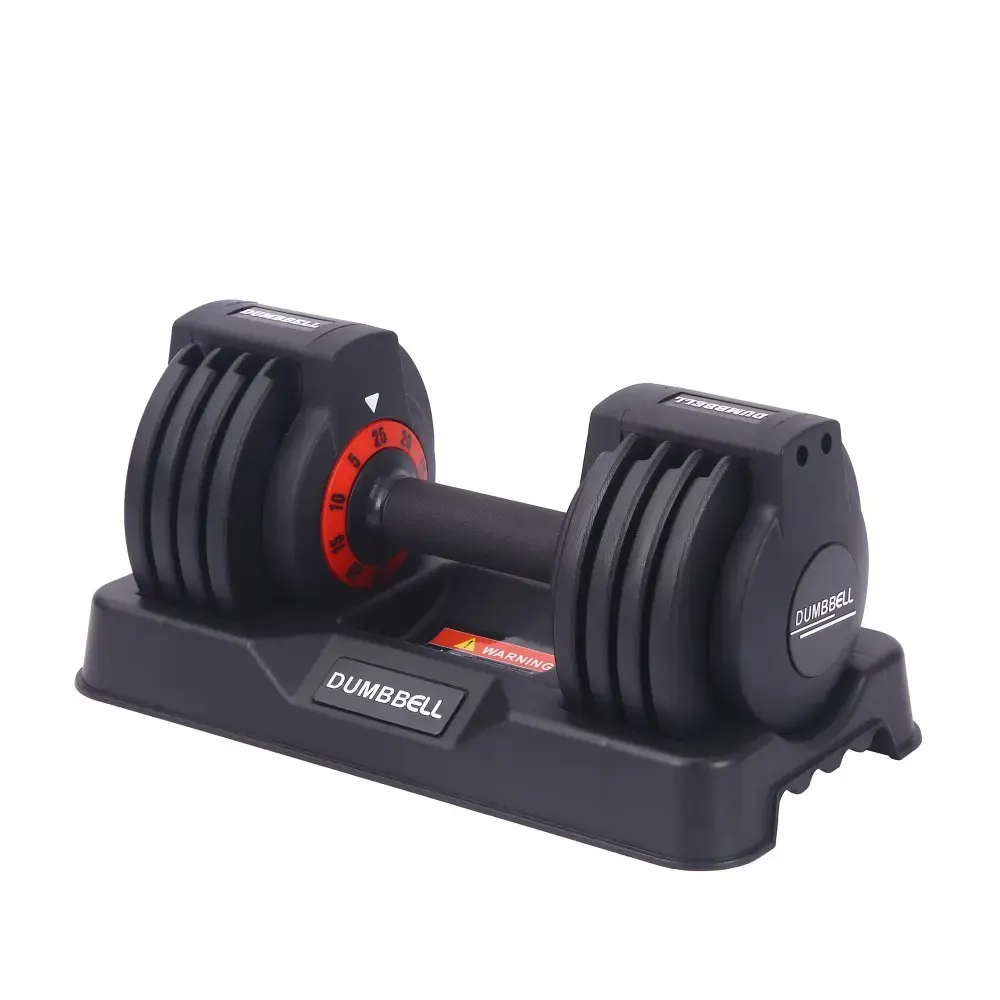
- Show the unit mid-adjustment, not closed, so the mechanism and selected load are visible from the aisle.
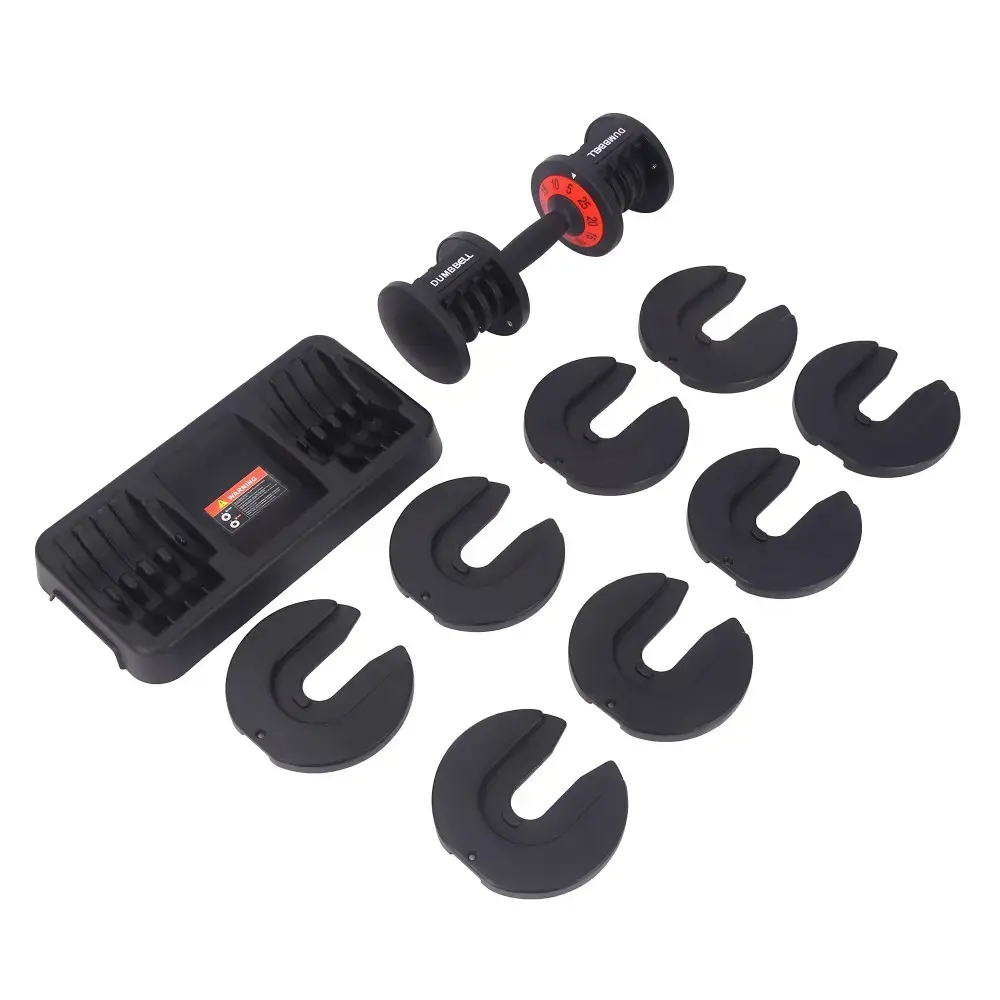
- Show the stored footprint next to the open one, because the top return reason is "bigger than I thought".
- Print the actual weight range in both lb and kg, since unit-weight confusion between markets is the most common mis-sale.
- Keep one demo pair on a low reachable plinth so a first-time buyer can feel the grip.
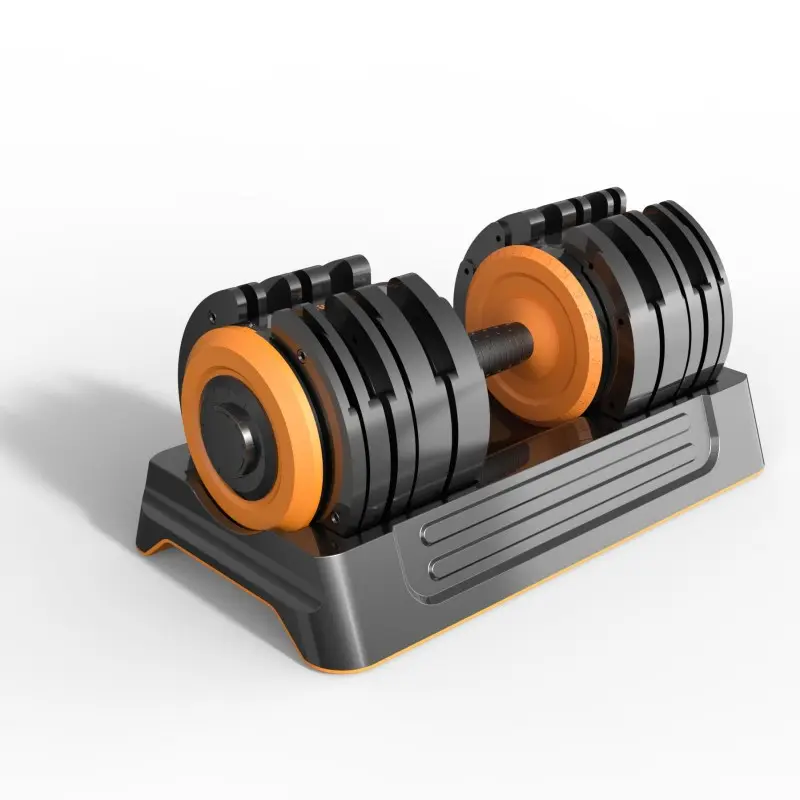
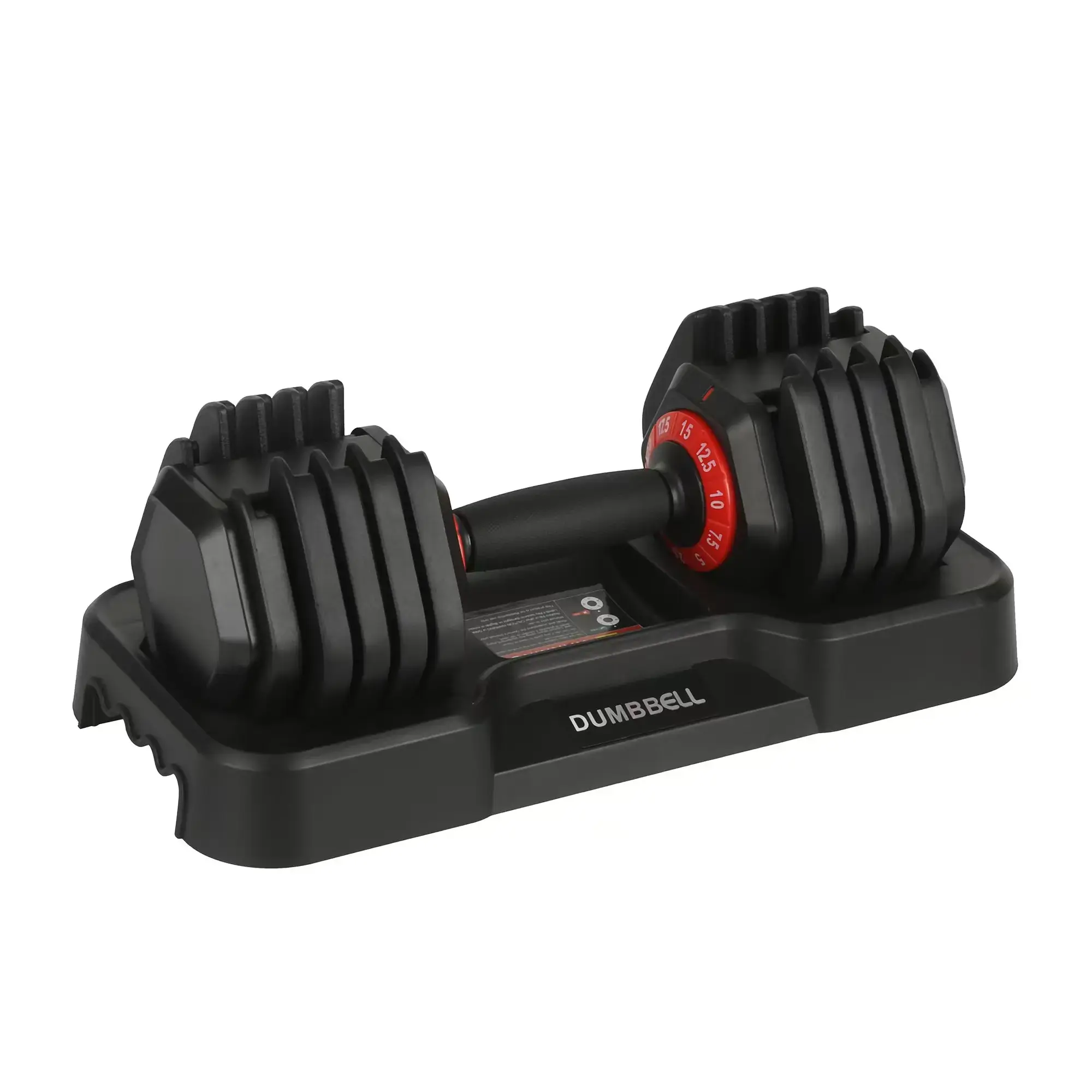
25 lb adjustable dumbbells for home exercise
Sales Scripts: Qualifying Before the Scan
A script is not a pitch; it is a short set of questions that routes the buyer to the right pair. Three questions, asked every time, cut the mis-sale rate more than any discount or end-cap placement. The order matters.
- Ask where it will live - apartment, garage or studio - because the answer decides footprint and weight ceiling.
- Ask the current lift, not the goal, because a beginner who names a target buys a unit they cannot adjust down to on day one.
- Ask who else will use it, because a shared household needs a wider range and a different safety story.
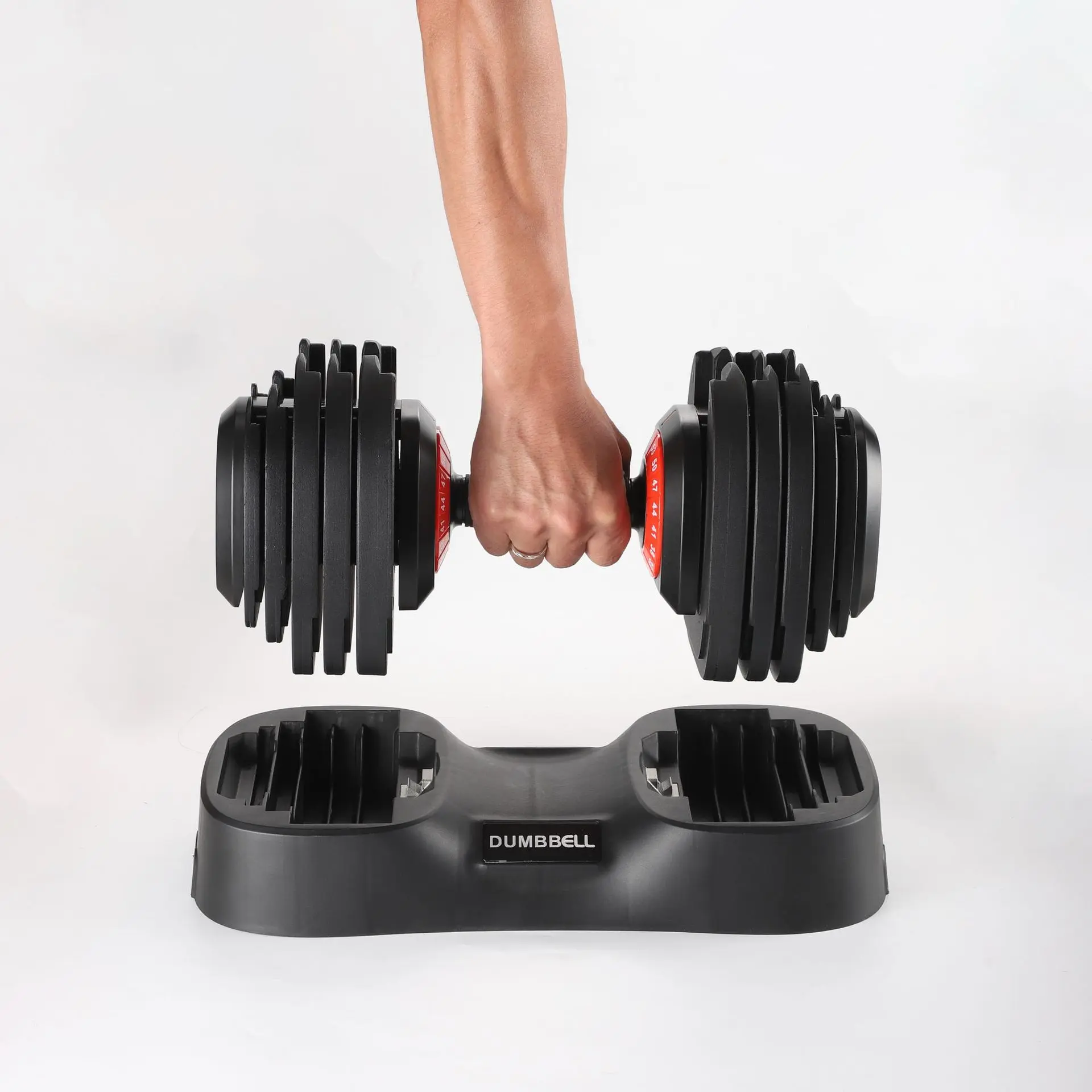
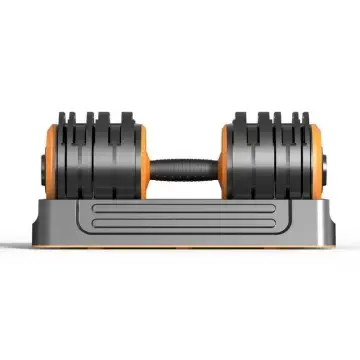
25 kg / 56 lb adjustable dumbbell for weight training
The 3-in-1 Trap and the Right Upsell
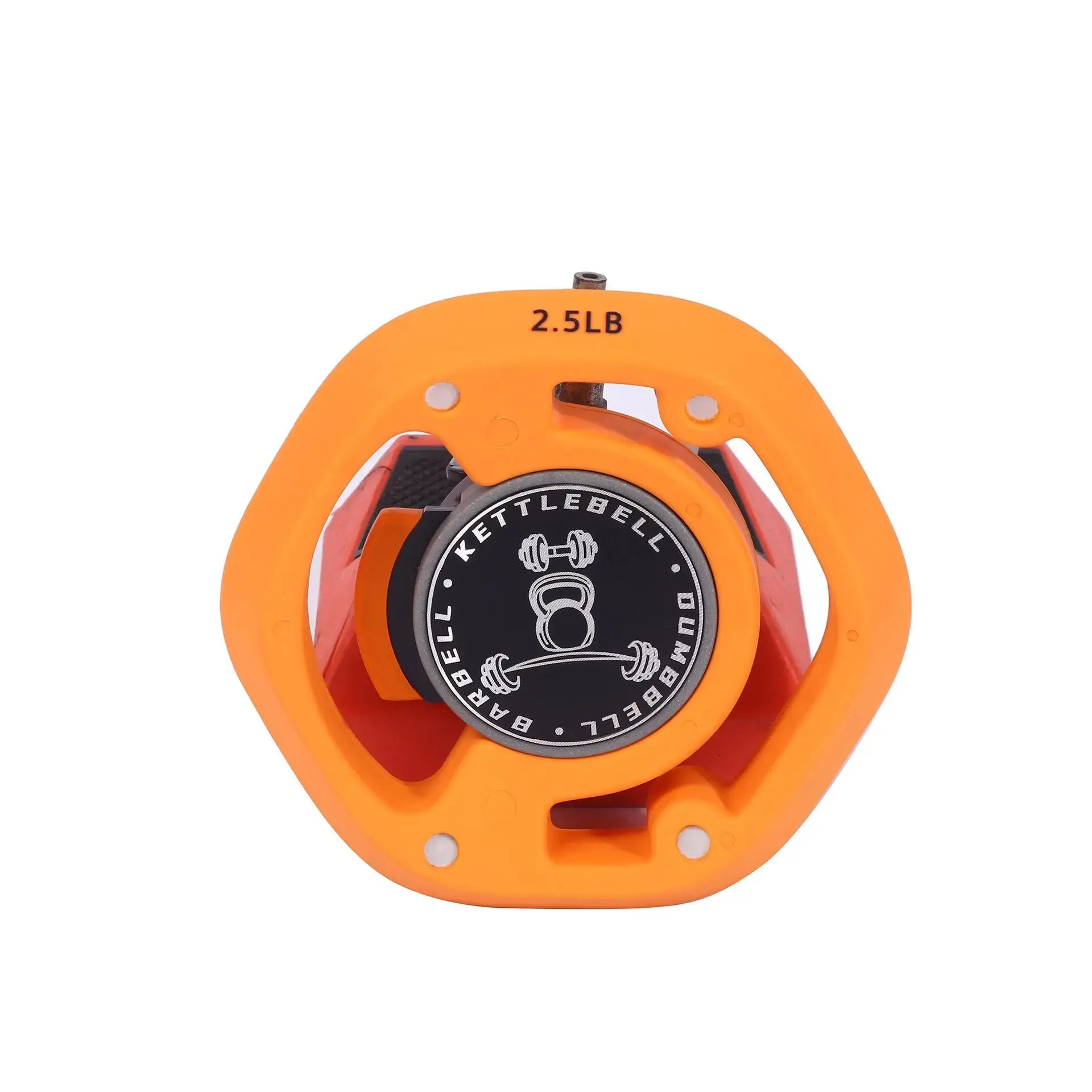
The tempting move is to push a convertible as the answer to every question. A 3-in-1 dumbbell-kettlebell unit sold to a buyer who only wanted a dumbbell adds cost, complexity and a return reason, while a dumbbell buyer who wanted variety leaves unhappy with the plain pair. The script must separate the two intents first.
- Offer the convertible only after the buyer names two activities, so the function is wanted, not imposed.
- Keep it on a separate shelf with its own demo, never as the default substitution for a plain pair.
- State the kettlebell load on the card because the swing weight reads differently and surprises buyers.
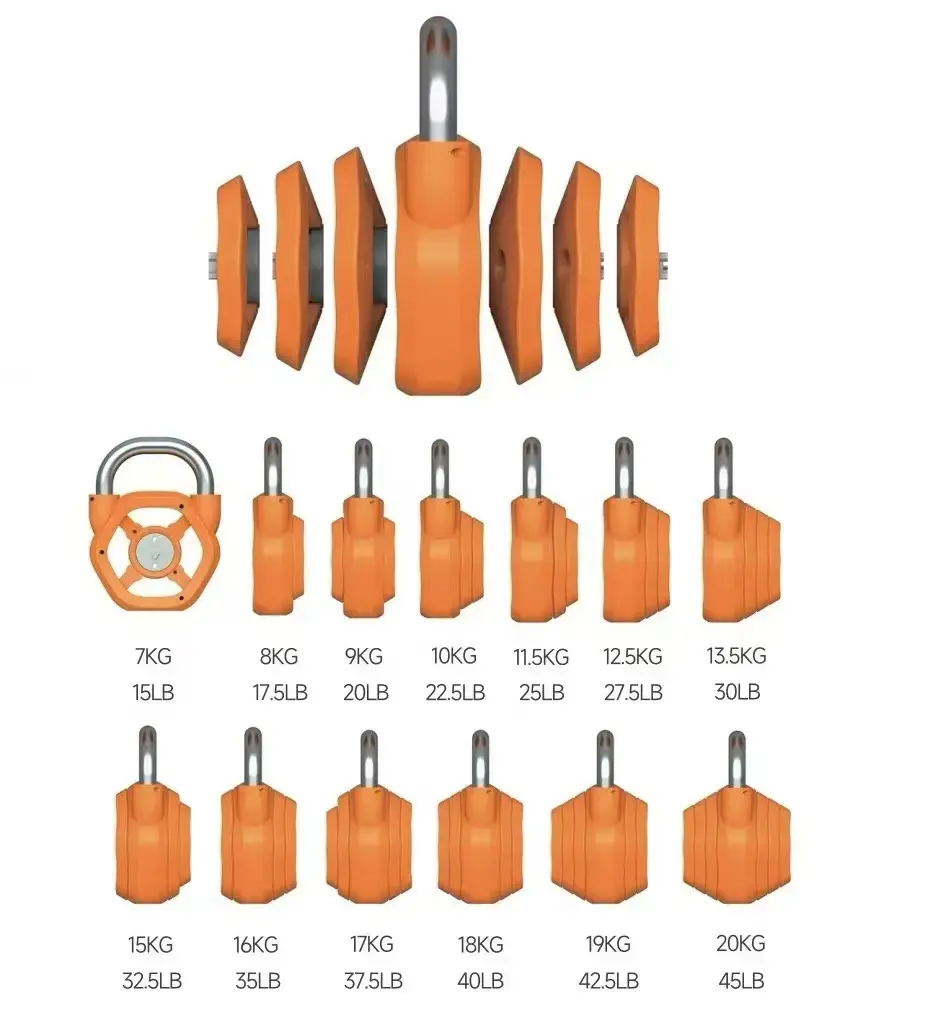
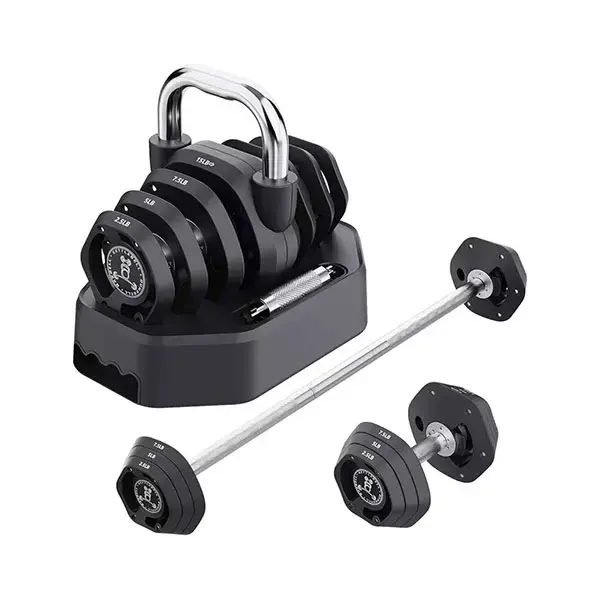
20 kg / 45 lb 3-in-1 dumbbell kettlebell set
Setup Checks Before the Unit Leaves
The final failure point is the handover. A pair that leaves without a confirmed weight-setting demo and a safety note becomes a one-star review the first time a selector sticks. A thirty-second check at the till removes most of it.
- Demonstrate one full weight change at the till so the buyer has seen the mechanism work.
- Confirm the selected load matches the stated lift before the box is sealed.
- Hand over the safety card in the local language, because "I did not know it locked" is entirely preventable.
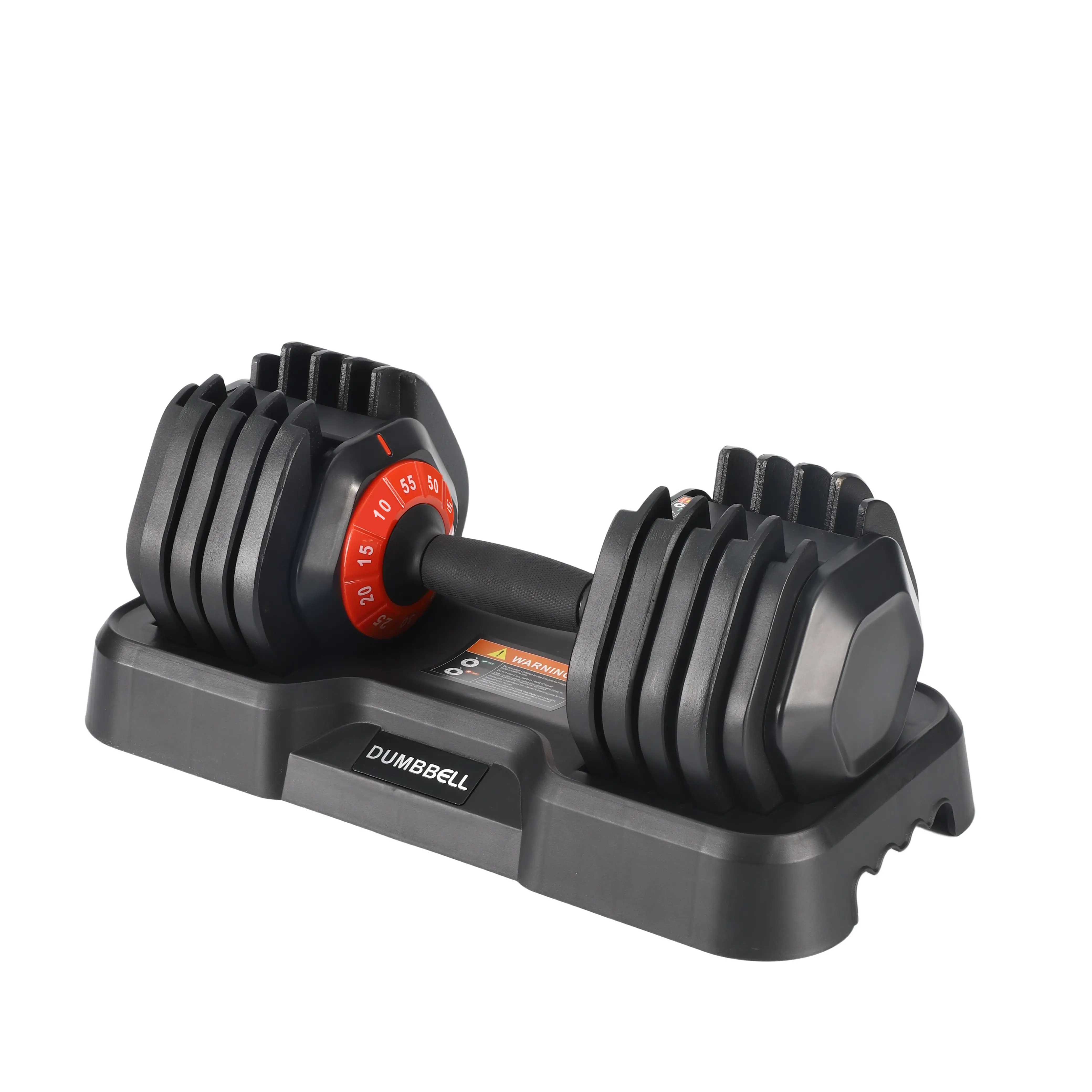
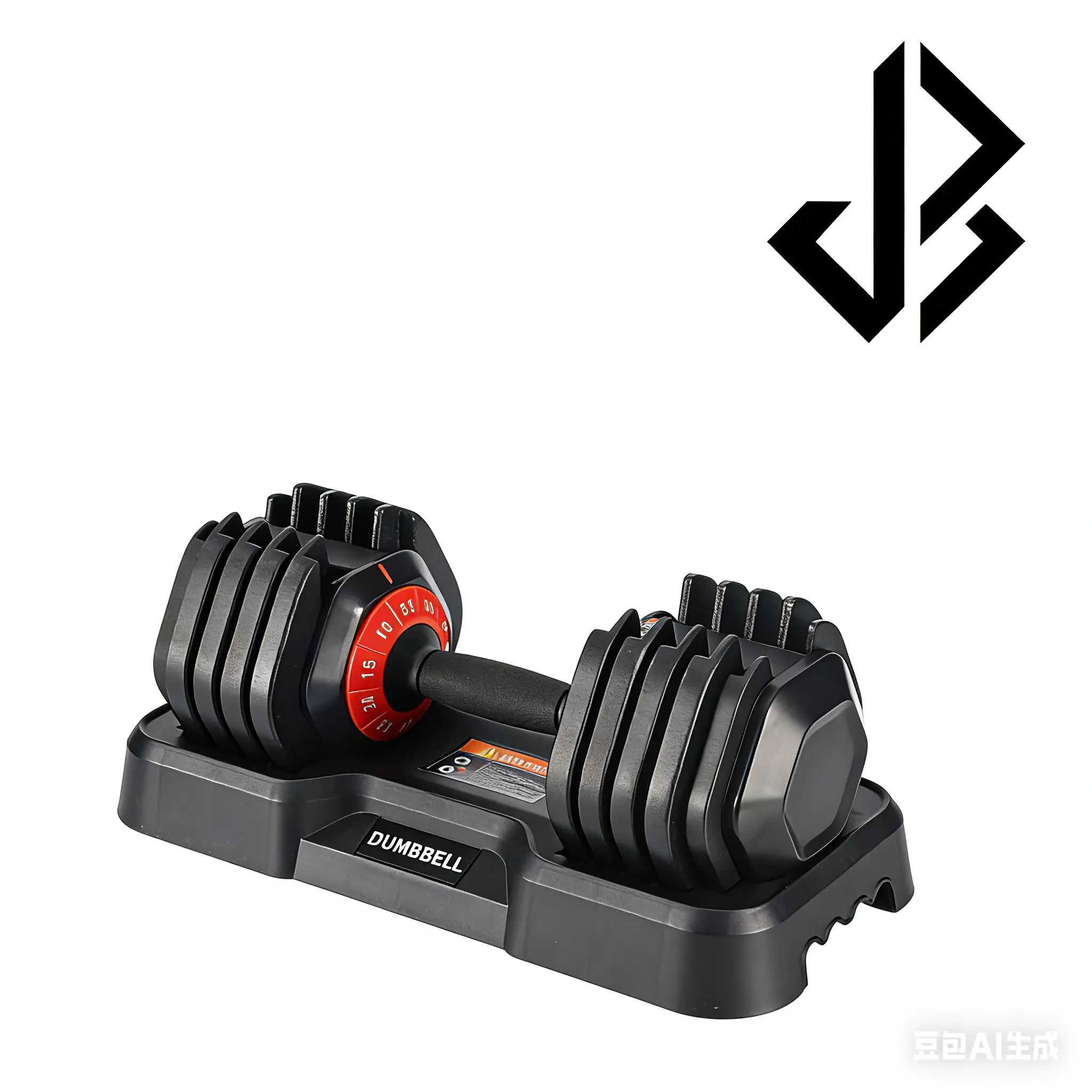
25 kg / 55 lb adjustable dumbbell for home gym
The Quick-Change Differentiator
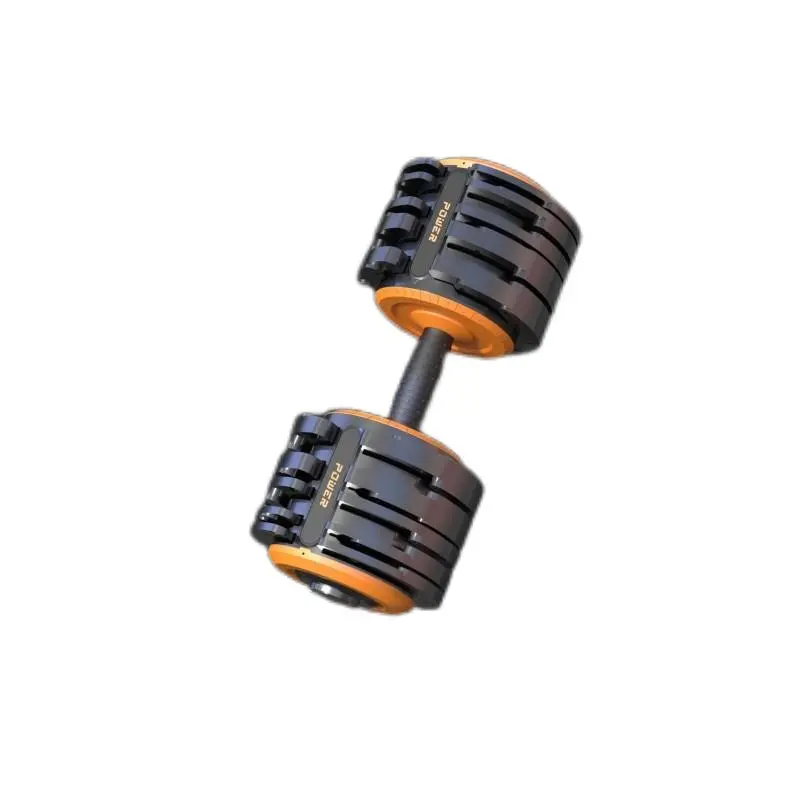
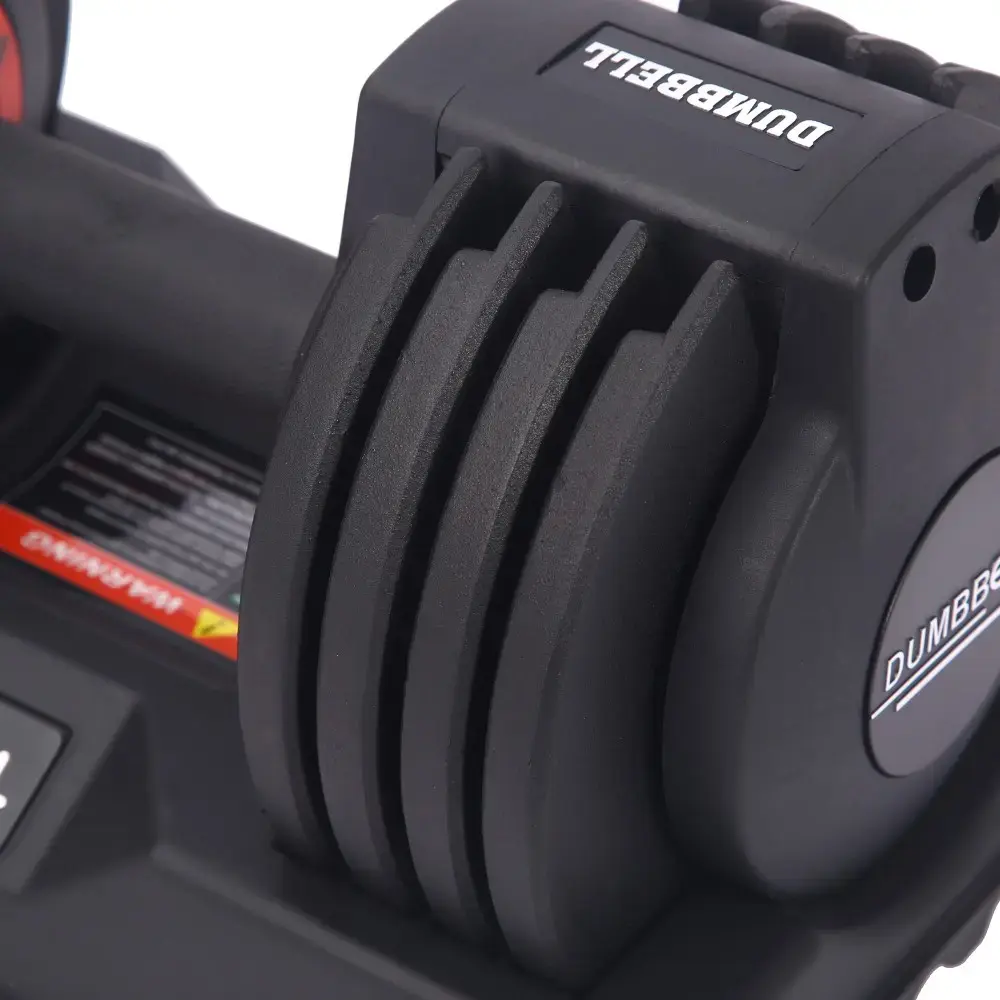
One format deserves its own conversation: the automatic quick-change unit. For circuit training and buyers who hate the fiddle, the speed of the change is the selling point, and it must be demonstrated live or it stays an unread spec line. Stock it where footfall is fastest and the demo is easiest to run.
25 lb automatic quick-change adjustable dumbbell
The Retail Mis-Sale Checklist
Five actions keep the wrong pair off the receipt. Demo every unit mid-adjustment with footprint shown. Ask location, current lift and other users before suggesting a pair. Separate the 3-in-1 onto its own shelf with its own script. Run a thirty-second setup check at the till with a live weight change. Hand over the local-language safety card with every box. Run those five and the returns desk stops being the dumbbell department.
The Conclusion
Mis-sales on adjustable dumbbells are made at the display and in the first thirty seconds of the conversation, long before the product is opened at home. Fitness equipment importers, sporting goods wholesalers and gym chain buyers who invest in a demo unit that shows the truth, a script that qualifies the buyer, and a setup check that confirms the unit, sell the right pair the first time and protect the reorder. The range is good; the floor discipline is what turns it into margin instead of returns.