

knowledge
Adjustable dumbbell strength factory


0102030405
Top 10 Costly Mistakes Importers Make with Adjustable Dumbbells
2026-07-30
Foreword
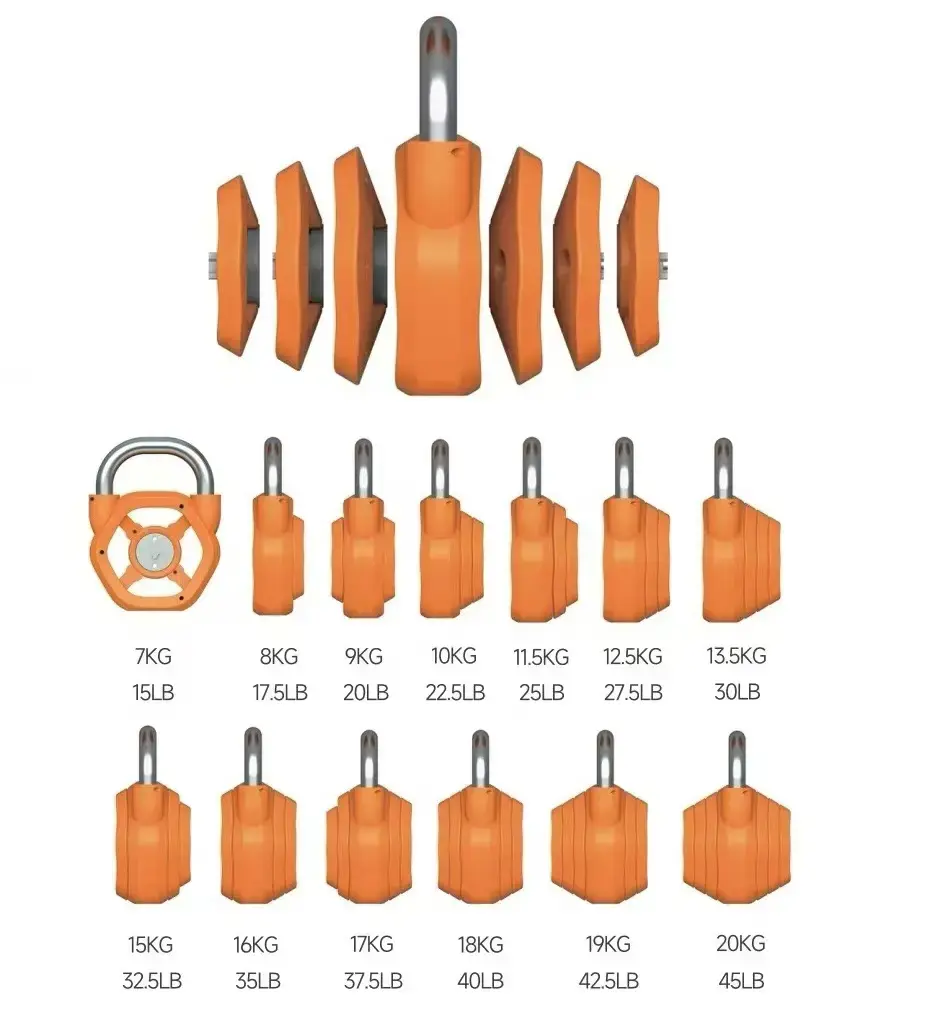
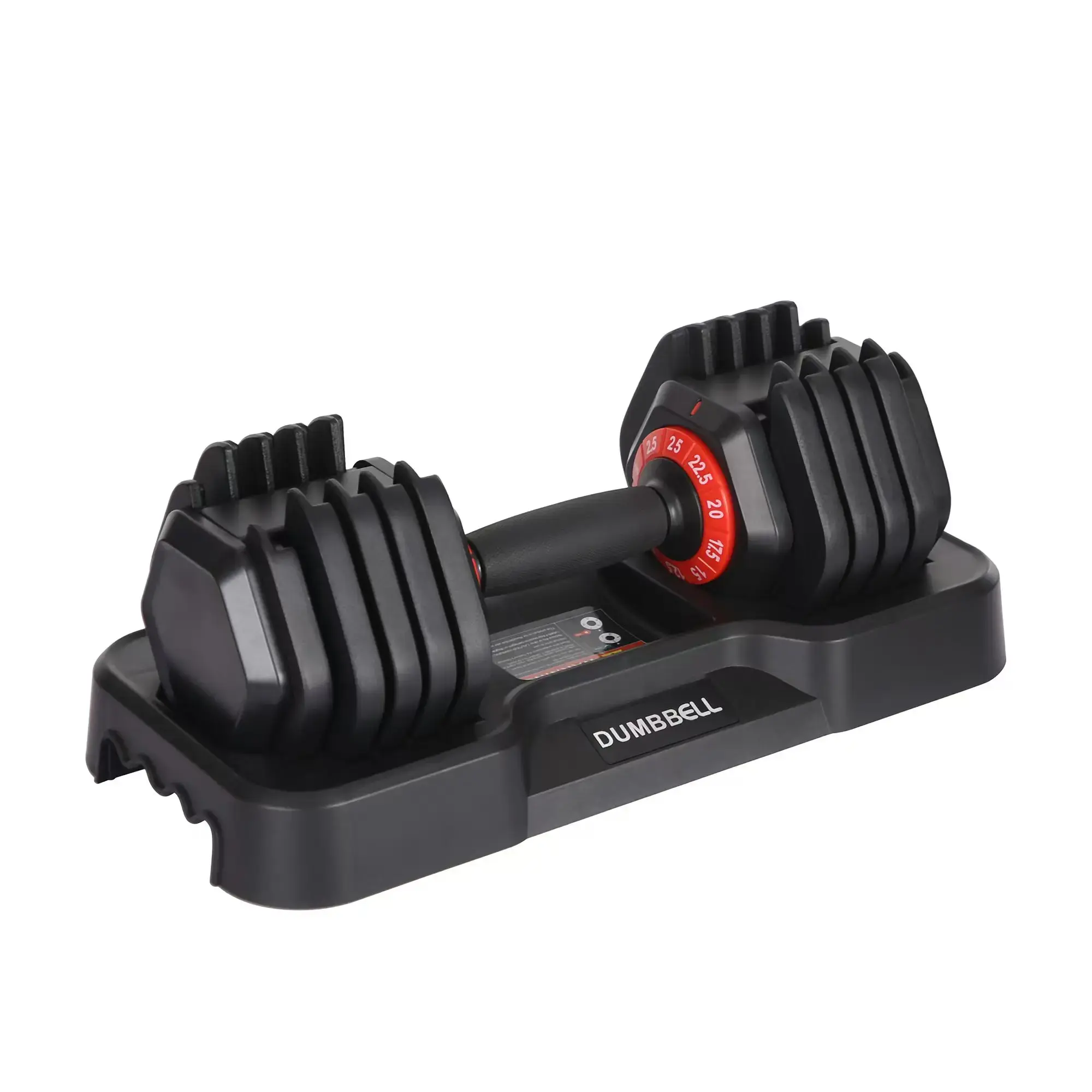
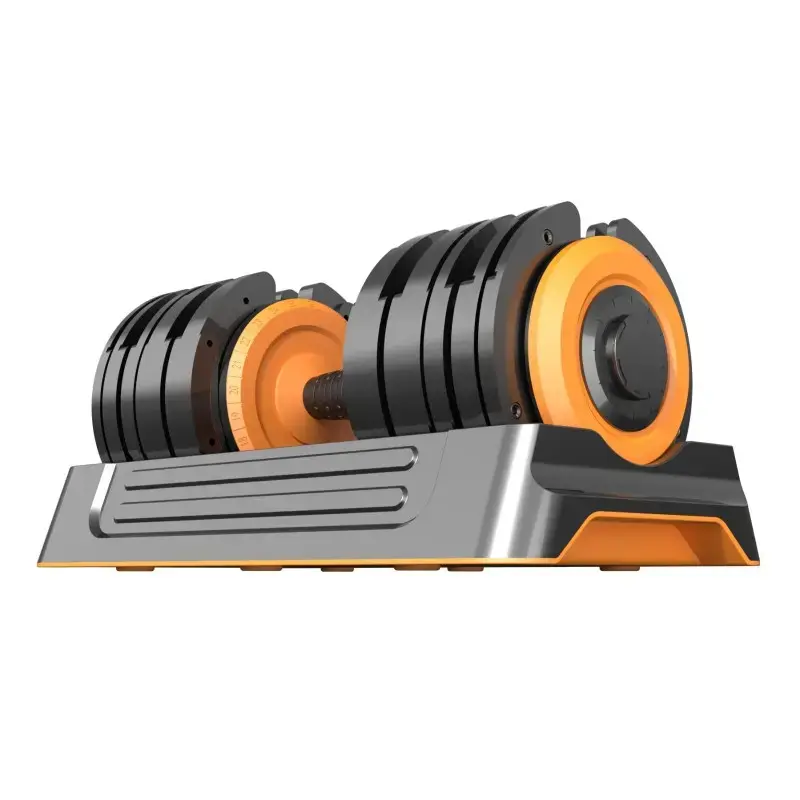
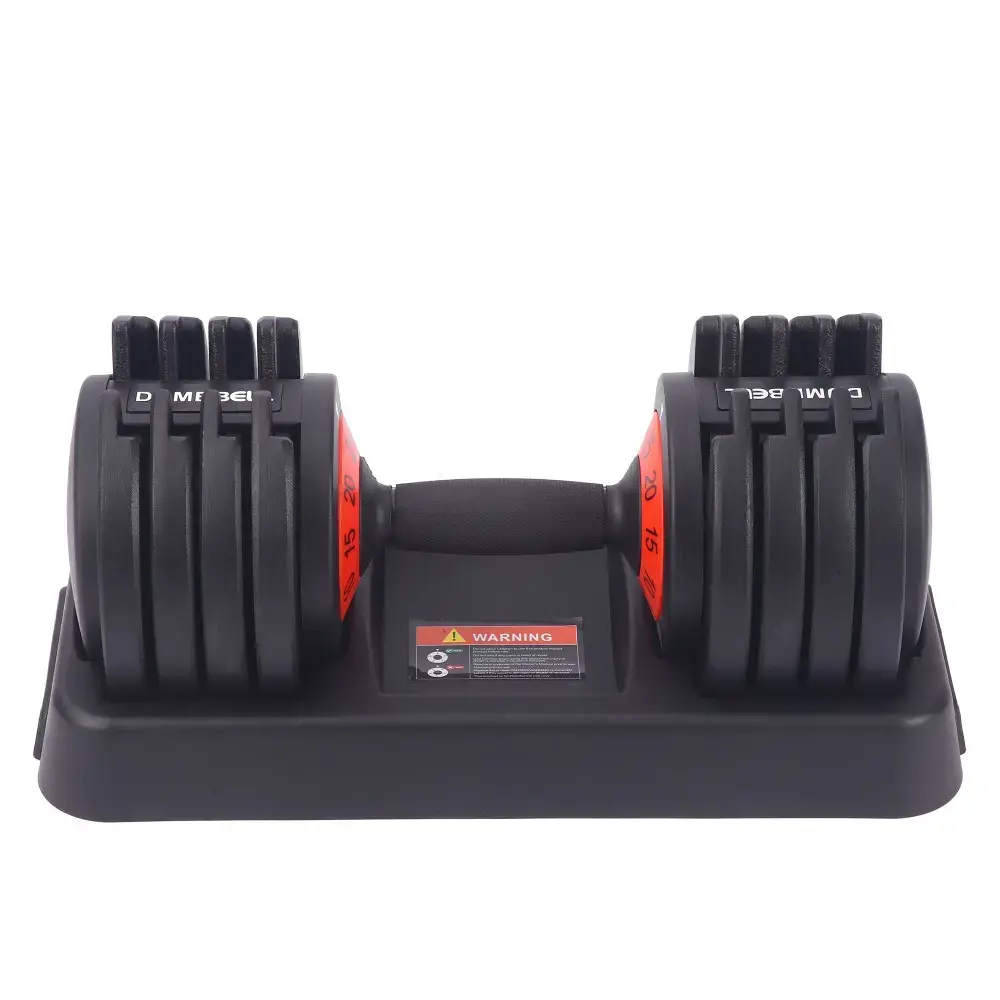
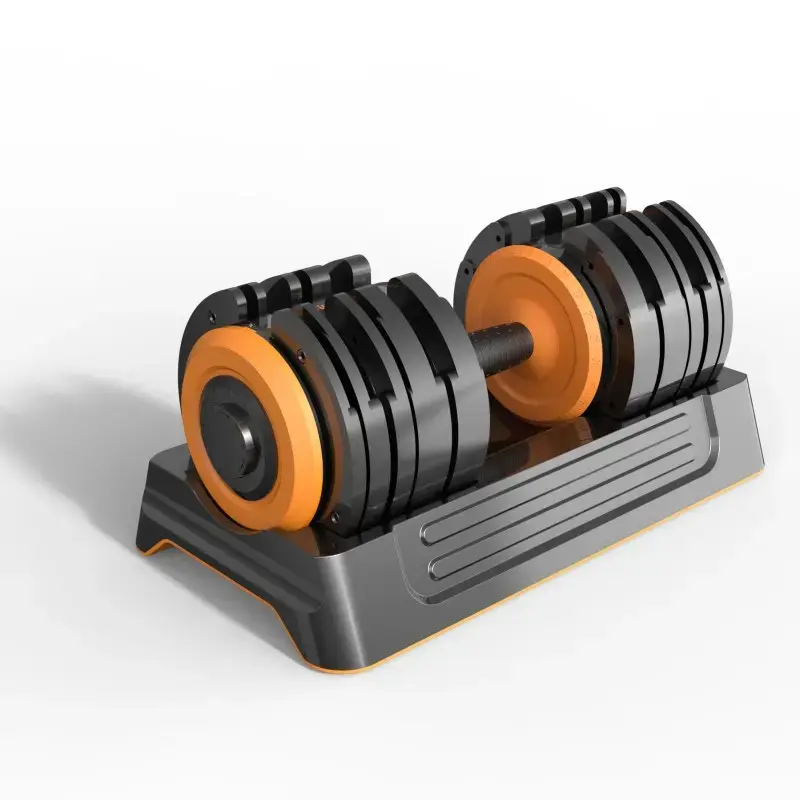
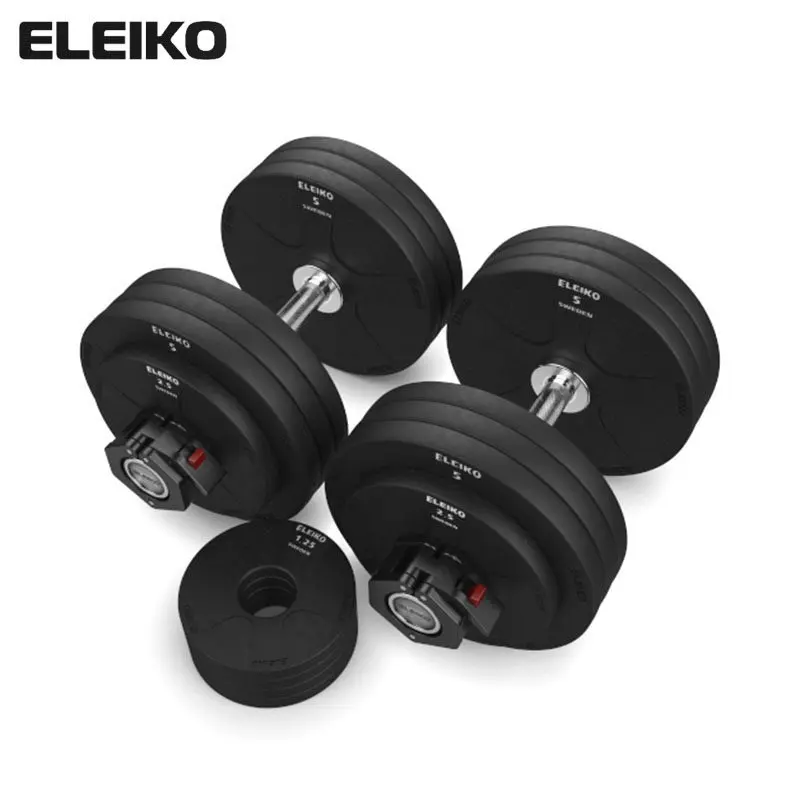
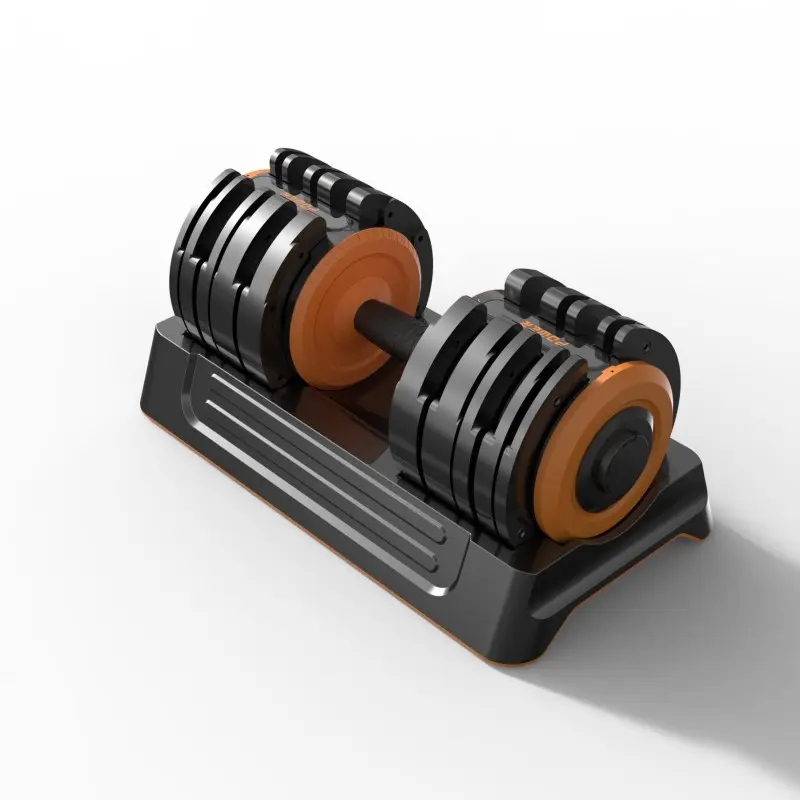
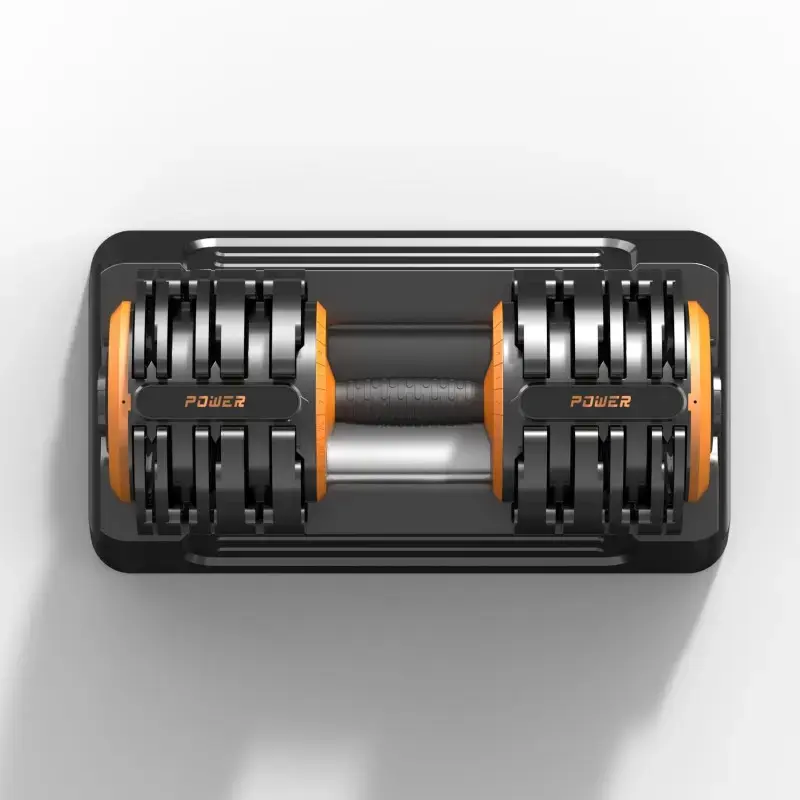
Adjustable Dumbbells, Dumbbell Racks, and convertible dumbbell‑to‑Kettlebell Sets remain among the fastest‑growing categories in home fitness, commercial gyms, and cross‑border B2B retail. Compared with traditional fixed‑weight sets, quick‑change adjustable dumbbells save up to 80% of storage space while covering everything from beginner workouts to professional strength training—making them a priority SKU for importers, brand distributors, and fitness chains worldwide.
However, many overseas buyers focus almost entirely on FOB unit price, overlooking patent compliance, material standards, weight calibration, market‑specific certifications, logistics, and after‑sales support. The result: customs seizures, mass returns, chargebacks, and long‑term margin erosion.
This guide—structured for Google search intent and international procurement teams—breaks down the ten most common adjustable dumbbell import mistakes, explains the financial and legal risks behind each, and provides a checklist to protect your margins and brand reputation.
1. Comparing FOB Price Only—Ignoring Total Landed Cost
The single most frequent error among first‑time buyers is evaluating adjustable dumbbell suppliers solely on factory‑gate pricing.
Hidden Logistics Costs: Volumetric Weight
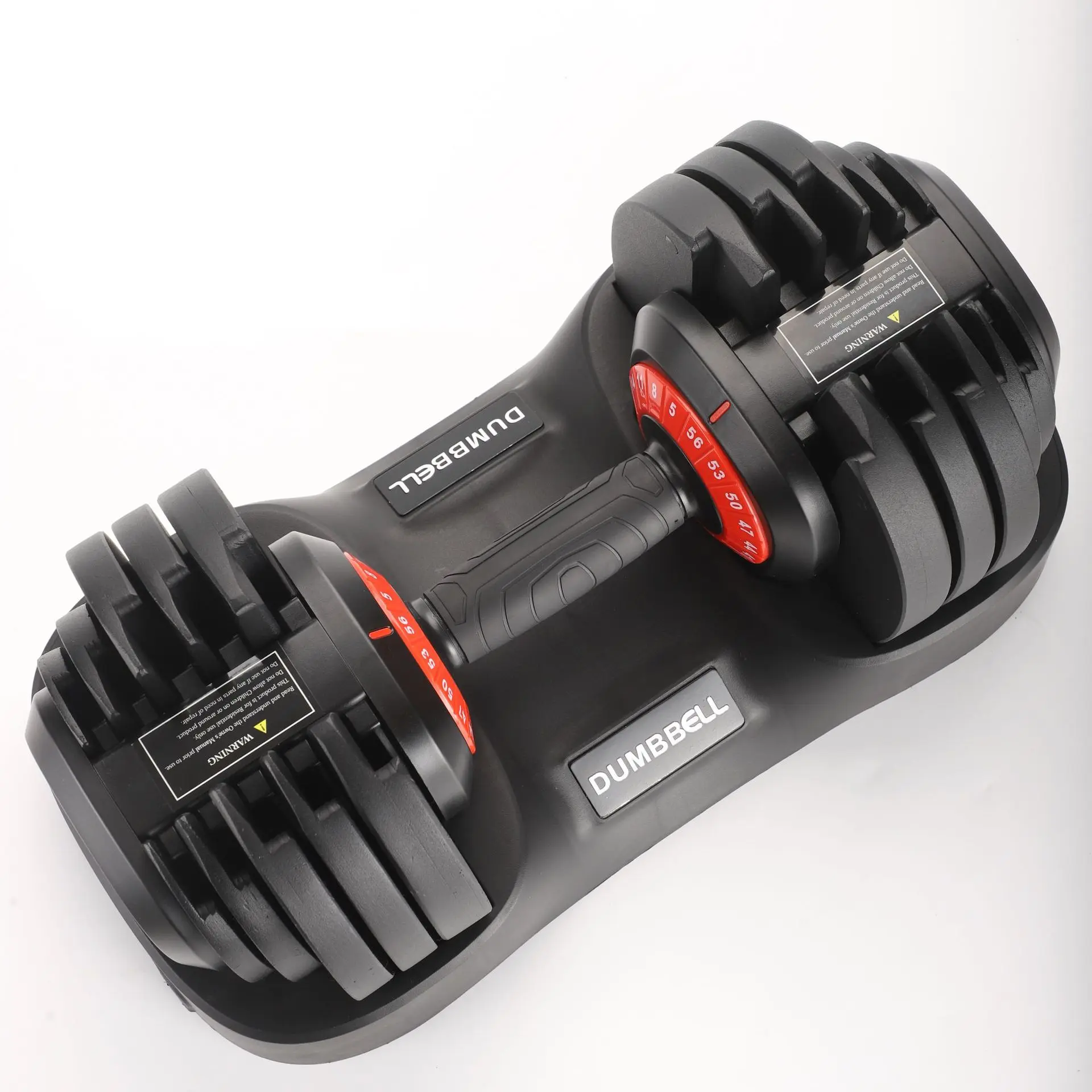
Adjustable dumbbells are dense, bulky, and packaged in large cartons. Ocean freight carriers bill by chargeable weight (the greater of actual weight or volumetric weight). Low‑cost suppliers often use thin, oversized packaging that reduces units per carton, increasing your per‑unit ocean freight cost by 15–30%. Adding dumbbell racks or convertible kettlebell adapters compounds this effect.
Unplanned Customization Fees
Private labeling, custom color boxes, multilingual manuals, and reinforced wooden crating are rarely included in “bare‑bones” quotations. Post‑order customization requests inflate your adjustable dumbbell landed cost per set.
Tariffs, Certification, and Clearing Fees
Import duties vary widely. In the EU, EPR packaging compliance fees and third‑party safety testing are mandatory. Products lacking proper documentation face retesting, relabeling, or outright rejection—none of which appear in the initial quote.
Breakage and Replacement Costs
Cheap materials and weak locking mechanisms lead to chipped plates, jammed dials, and cracked housings after long transit. Replacement shipments mean double production and double freight—quietly destroying your ROI.
2. Ignoring Patent Infringement Risks—Buying Copycat Designs
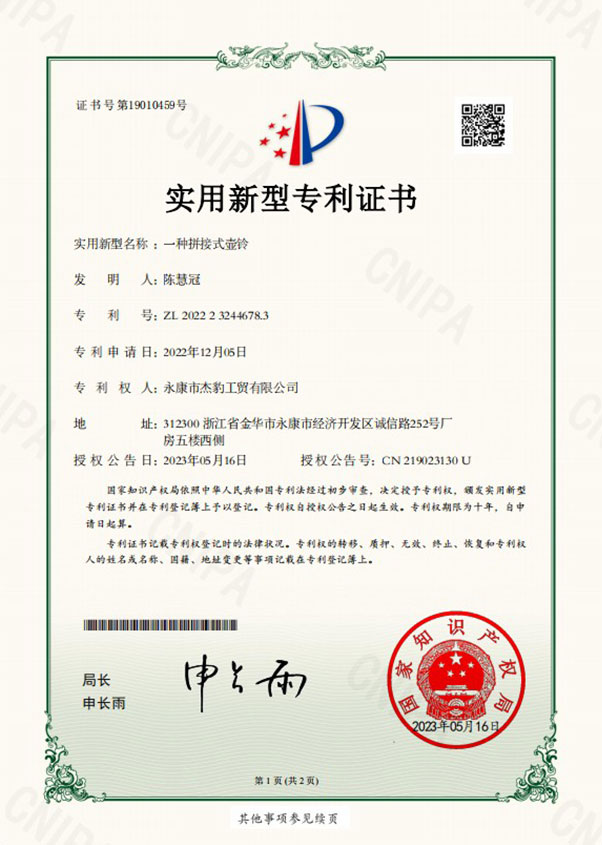
The selectorized mechanism, dial‑lock system, and rack slot geometry of popular adjustable dumbbells are protected by utility patents and design patents in the US, EU, and other major markets.
Many trading companies sell look‑alike products without licensing. Buyers who skip Freedom‑to‑Operate (FTO) checks often face:
- Full container seizure at US/EU ports
- Permanent loss of inventory
- Heavy fines and destruction fees
- Long‑term import bans
Case Example: Multiple shipments of dial‑style quick‑adjust dumbbells were confiscated in Germany due to unlicensed replication of a patented locking mechanism. Importers lost hundreds of thousands of dollars in goods and freight.
Procurement Tip: Request valid patent certificates and FTO reports for your target markets. Prioritize factories with proprietary 360° adjustment patents to eliminate infringement exposure.
3. Skipping Material Verification—Falling for Fake Weight Claims
Weight accuracy and material integrity define customer satisfaction and repeat sales.
3.1 Falsified Plate Weight
Premium adjustable dumbbells use solid cast iron or steel, with tolerances within ±15g. Low‑end suppliers fill plates with sand, concrete, or plastic scrap. A “32kg” or “41.5kg” set may be short by 3–6kg, triggering mass returns upon consumer verification.
3.2 Inferior Housings and Mechanical Parts
Cheap recycled plastics smell unpleasant, yellow quickly, and crack under load. Plastic locking latches fail within 1–2 months of regular use, creating drop hazards and injury claims. High‑quality units feature thick rubber overmolding and metal locking pins engineered for repeated impact.
3.3 No Third‑Party Calibration Reports
Reputable manufacturers provide batch‑level weight deviation certificates. Budget suppliers cannot—meaning every set in your shipment may weigh differently, violating Amazon, Walmart, and brick‑and‑mortar quality requirements.
4. Missing Market‑Specific Compliance Certifications
Each region enforces strict safety and environmental rules for imported free weights.
- EU: CE (mechanical safety), RoHS (hazardous substance limits), and EPR registration (Germany/France).
- USA: CPSC impact testing for locking mechanisms; UL‑recognized component testing preferred by major retailers.
- Australia/UK: Equivalent GEMS and UKCA requirements.
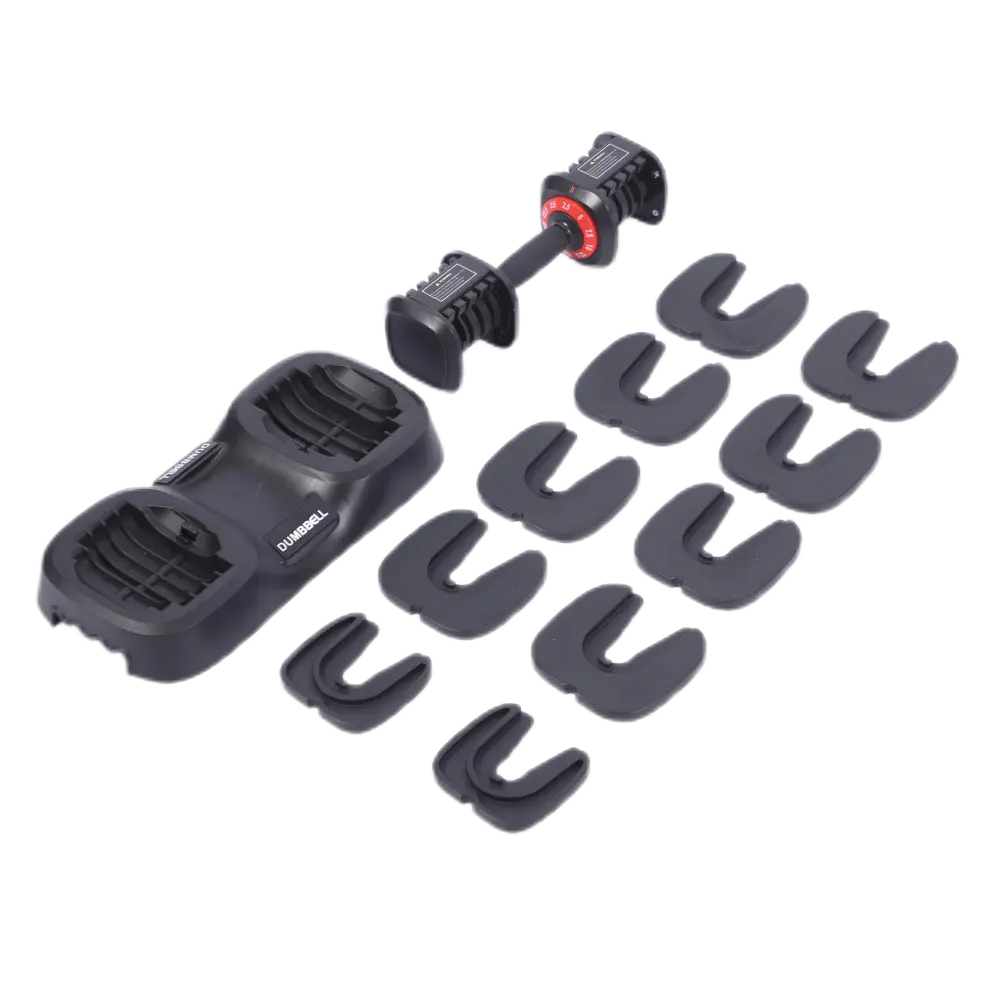
Common Pitfall: Buyers ask “Do you have certificates?” but never review batch‑specific, third‑party‑issued test reports. Suppliers sometimes present expired or unrelated documents, leading to port rejection and costly demurrage.
5. Underestimating Locking Mechanism Safety
The adjustment lock is the single highest‑failure component in adjustable dumbbells.
Older shallow‑clip designs suffer from:
- Partial engagement under vibration
- Plate detachment during lifts
- Strict plate sequencing requirements (misalignment = failure)
Modern, safer systems use base‑linked locking technology:
- Dumbbells cannot leave the cradle unless fully engaged
- Dovetail metal rails ensure secure plate capture
- Plates are interchangeable without precise ordering
Action Step: Physically test samples—perform rapid weight changes, shake tests, and drop simulations before approving bulk production.
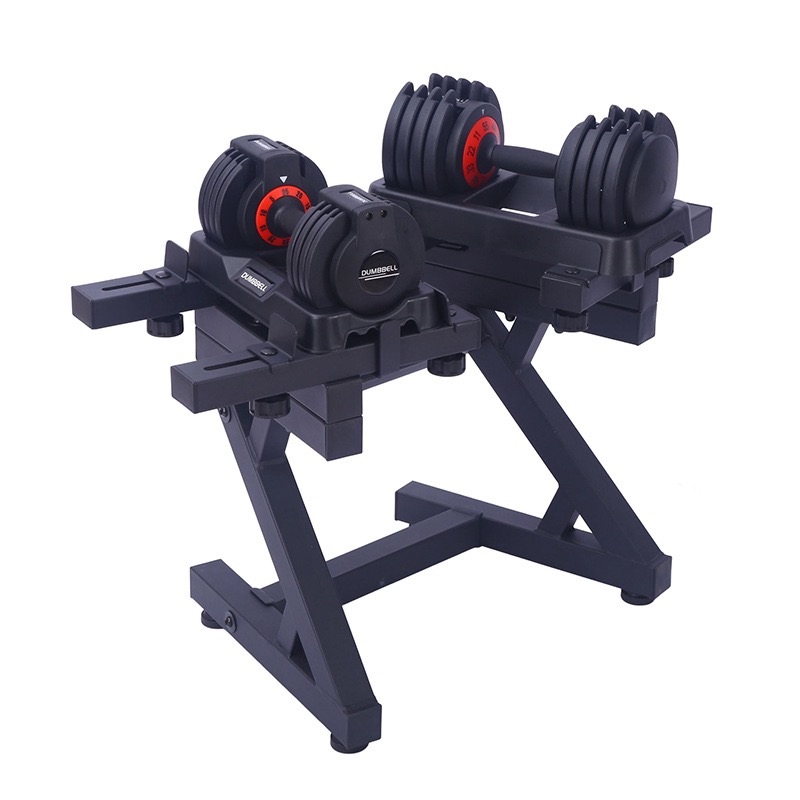
6. Mismatching Dumbbells, Racks, and Kettlebell Converters
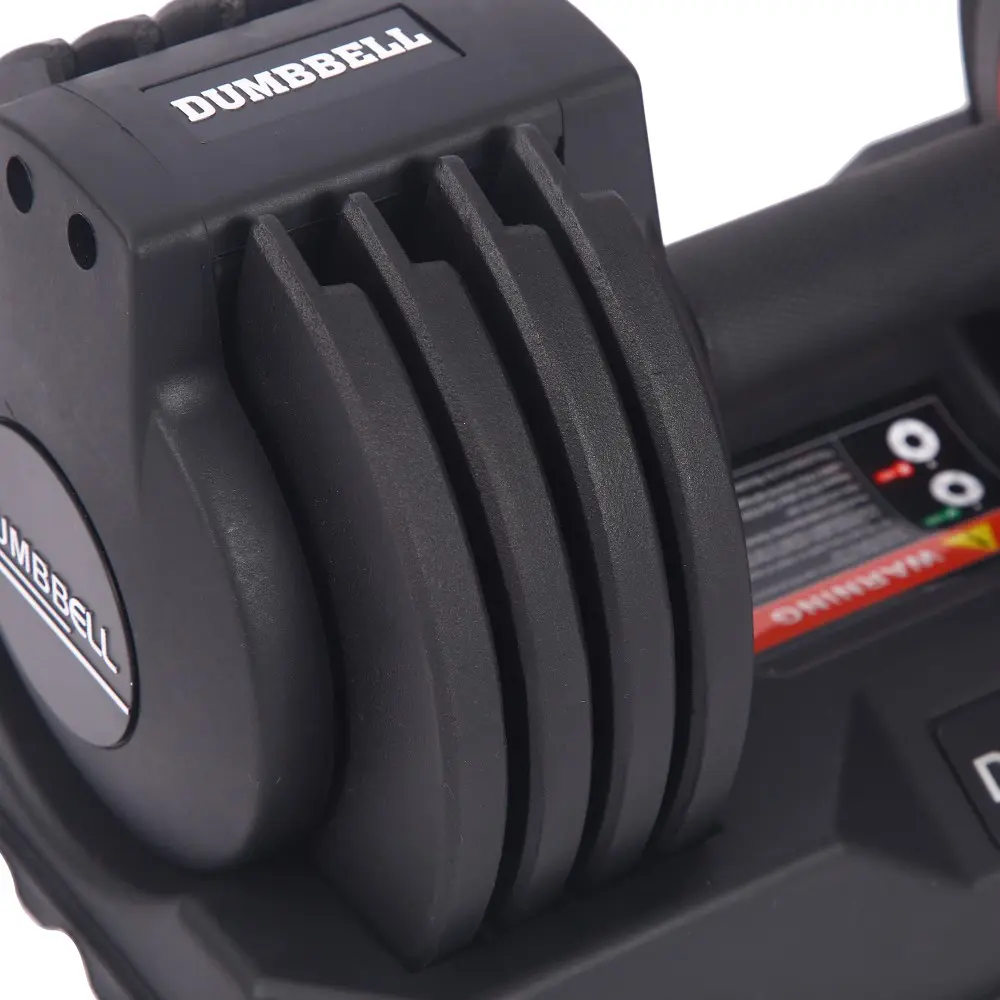
Many importers source adjustable dumbbells, dumbbell racks, and dumbbell‑to‑kettlebell conversion kits from different vendors—only to discover incompatible dimensions.
Key mismatches include:
- Handle diameter differences
- Plate outer diameters exceeding rack slots
- Conversion sleeves incompatible with handle collars
Best Practice: Source complete dumbbell + rack + converter bundles from a single OEM. This ensures dimensional consistency and often unlocks bundle pricing discounts.
7. Overvaluing Low MOQs—Missing Volume Discounts
Startups and small distributors often prioritize minimal order quantities to reduce risk. However, adjustable dumbbell pricing is highly tiered:
| Order Quantity | Typical Discount |
|---|---|
| 20–50 sets | Base price |
| 100–300 sets | 8–15% off |
| 500+ sets (annual contract) | Up to 25% off |
Frequent small orders force factories to restart lines repeatedly, raising your effective unit cost and shrinking margins.
Strategy: Negotiate an annual framework agreement with staggered deliveries to capture volume pricing without overstocking.
8. Misjudging OEM Lead Times—Missing Peak Season
Fitness equipment follows predictable seasonal spikes:
- Black Friday & Christmas (North America/Europe)
- New Year resolution season
- Spring home‑workout surge
Small factories often quote overly optimistic lead times. Without buffer, delayed OEM adjustable dumbbells arrive post‑season, killing sell‑through velocity.
Rule of Thumb: Confirm production and customization timelines, then add 20 days for ocean freight and customs clearance. Lock capacity 2–3 months ahead of peak demand.
9. Neglecting Spare Parts and After‑Sales Terms
Knobs, locking pins, rubber grips, and rack feet wear out over time. Many importers omit spare‑parts clauses from contracts.
Consequences:
- Entire sets returned over a single broken part
- High‑cost, slow‑turnaround part replacements
- Damaged brand reputation
Contract Must‑Haves:
- Percentage of free consumables per annual volume
- Preferential spare‑parts pricing
- Guaranteed air‑freight replenishment windows for urgent cases
10. Ignoring Regional Weight Preferences
Global markets differ sharply in measurement systems and preferred increments:
| Region | Preferred Unit | Popular Max Load | Increment Preference |
|---|---|---|---|
| North America | Pounds (lb) | 55lb / 90lb | 1.5–2.5lb |
| Europe | Kilograms (kg) | 24kg / 41.5kg | 1–2kg |
| Asia‑Pacific | Kilograms (kg) | 20kg / 32kg | 2kg |
Home users favor lighter sets (12.5–25kg); commercial gyms demand heavy‑duty 41.5kg Adjustable Dumbbells. Importing only one configuration creates dead stock.
Market Fit Tip: Align weight increments and labeling units with local expectations to maximize conversion and minimize returns.
Importer’s Checklist: Avoiding Adjustable Dumbbell Sourcing Failures
Before placing your next adjustable dumbbell import order, verify:
Valid patents and FTO compliance
Solid‑cast plates + third‑party calibration reports
CE, RoHS, CPSC, or UKCA certification (market‑specific)
Modern base‑linked locking mechanisms
Single‑source bundles (dumbbell + rack + converters)
Volume‑based pricing agreements
Realistic lead times + seasonal buffers
Clear spare‑parts and after‑sales terms
Correct weight units and increment logic per market
By treating total landed cost, compliance, and product safety as seriously as unit price, you’ll avoid the most expensive mistakes in global adjustable dumbbell sourcing.