

Adjustable dumbbell strength factory
Weight Labelling, Unit Confusion and Channel Listings: What Adjustable Dumbbell Importers Must Fix Before a 25 lb or 25 kg SKU Goes Live
Two Pallets, One Product, Two Different Complaints
A European importer took delivery of a well-made Adjustable Dumbbell and listed it as "25 kg" on a marketplace. The product shipped from the factory as a 25 lb pair. Within six weeks he had absorbed forty-one returns, a listing suspension for misleading product data, and a chargeback from a retail partner who had already run the item in a printed flyer. Nothing was wrong with the dumbbell. The plates were correct, the collars were correct, the mechanism was correct. The number on the box was right and the number on the listing was wrong, and in fitness retail that single discrepancy is treated as a product defect by everyone except the factory. Unit labelling on Adjustable Dumbbells is a commercial specification, not a translation detail, and it should be frozen at the same time as the tooling drawing.
Why Adjustable Dumbbells Suffer More Than Fixed Weight
Fixed dumbbells have one number and everybody agrees what it means. Adjustable sets have at least three candidate numbers and no universal convention. A 25 lb adjustable set may ship at 27 lb packed, contain plates that total 22 lb, and be sold as a single unit or as a pair, and each of those figures is defensible in isolation. The confusion is not dishonesty; it is an unstated convention that differs between factories, between marketplaces and between regions. Your job as the importer is to state the convention explicitly in your own spec sheet so nobody downstream has to guess.

Freeze Four Numbers Before Mass Production
Before you sign off the first bulk order, put four figures on one page and get the factory to confirm them in writing. One, the maximum assembled weight per handle. Two, whether that figure is per handle or per pair. Three, the increment steps from minimum to maximum. Four, the packed carton weight and the number of cartons per master. Every listing, every carton print, every manual and every customs document should then be derived from that single page. Importers who let the factory's export document define the number discover the mismatch after the goods have landed, which is the most expensive possible moment to find out.
The lb and kg Decision Is a Market Decision
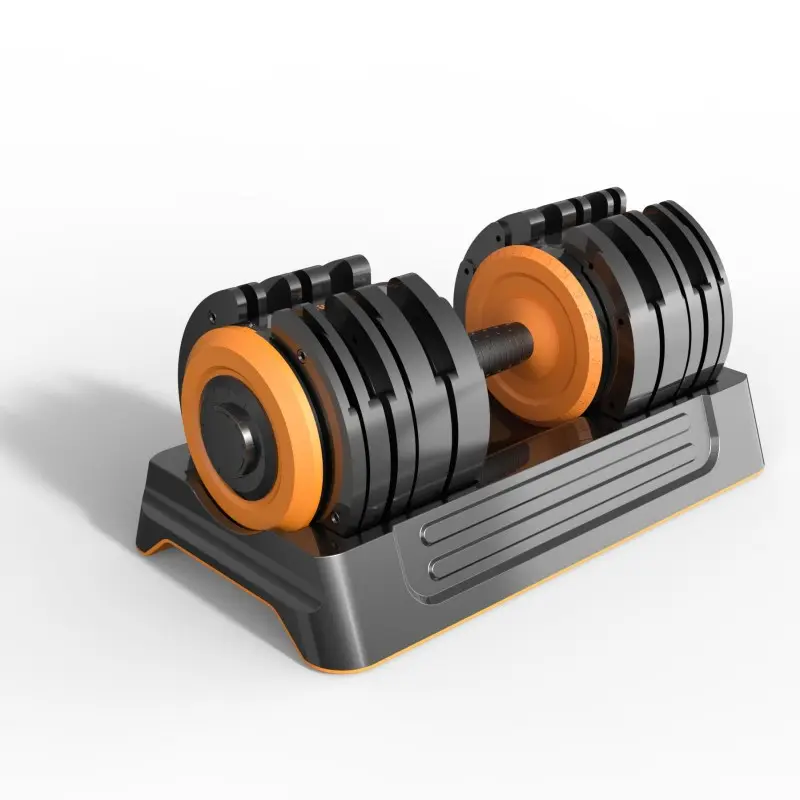
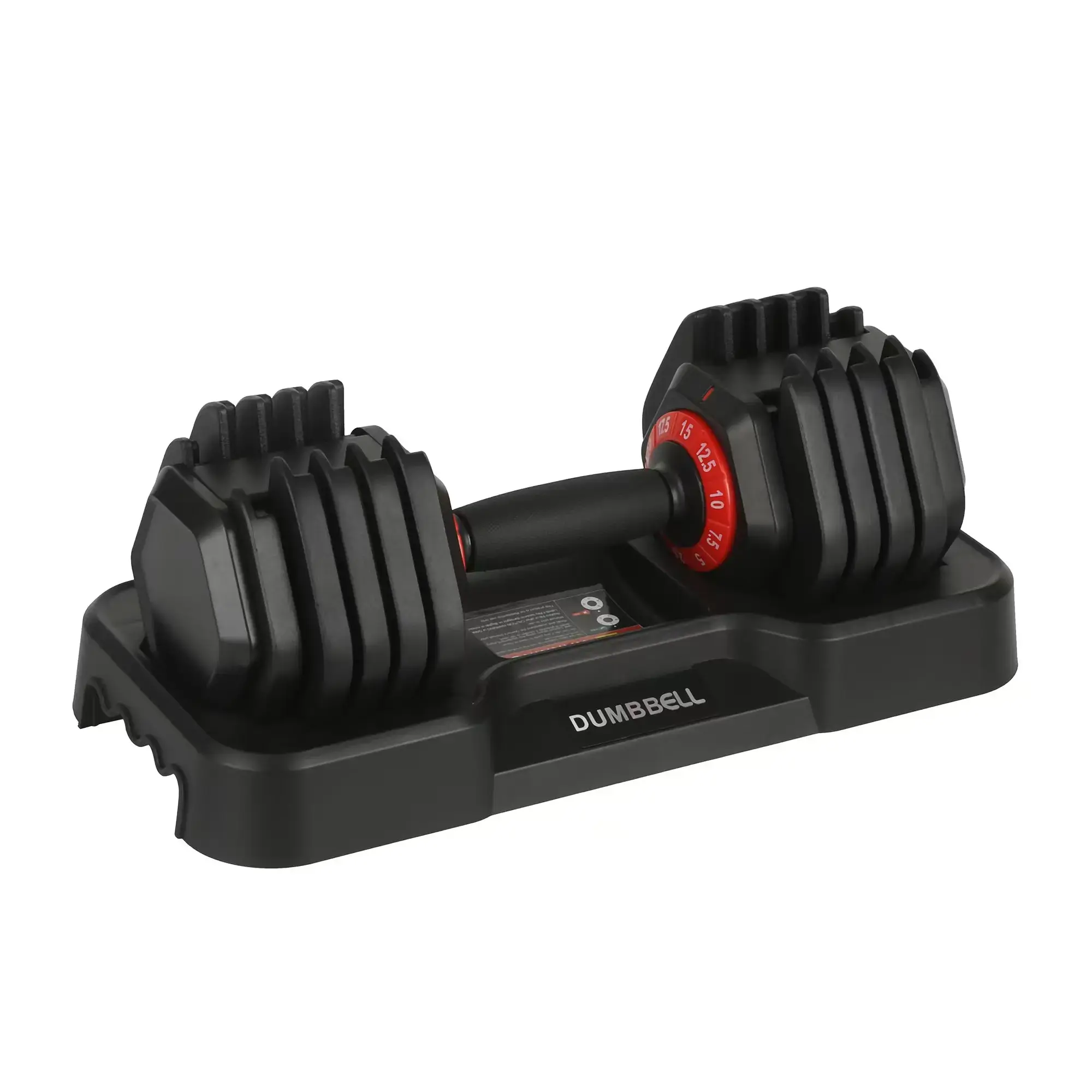
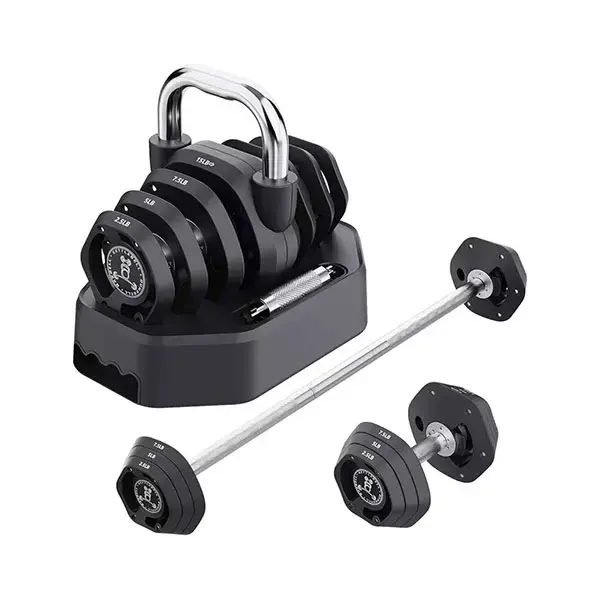
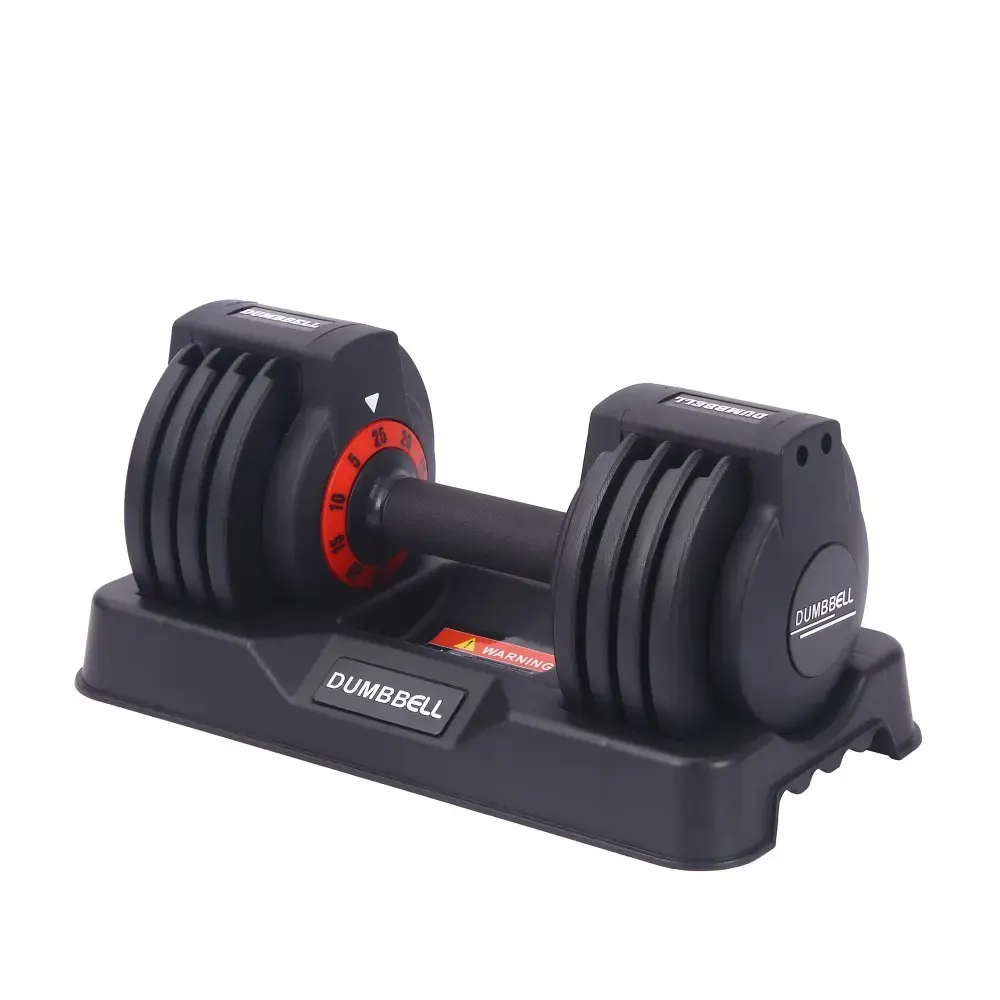
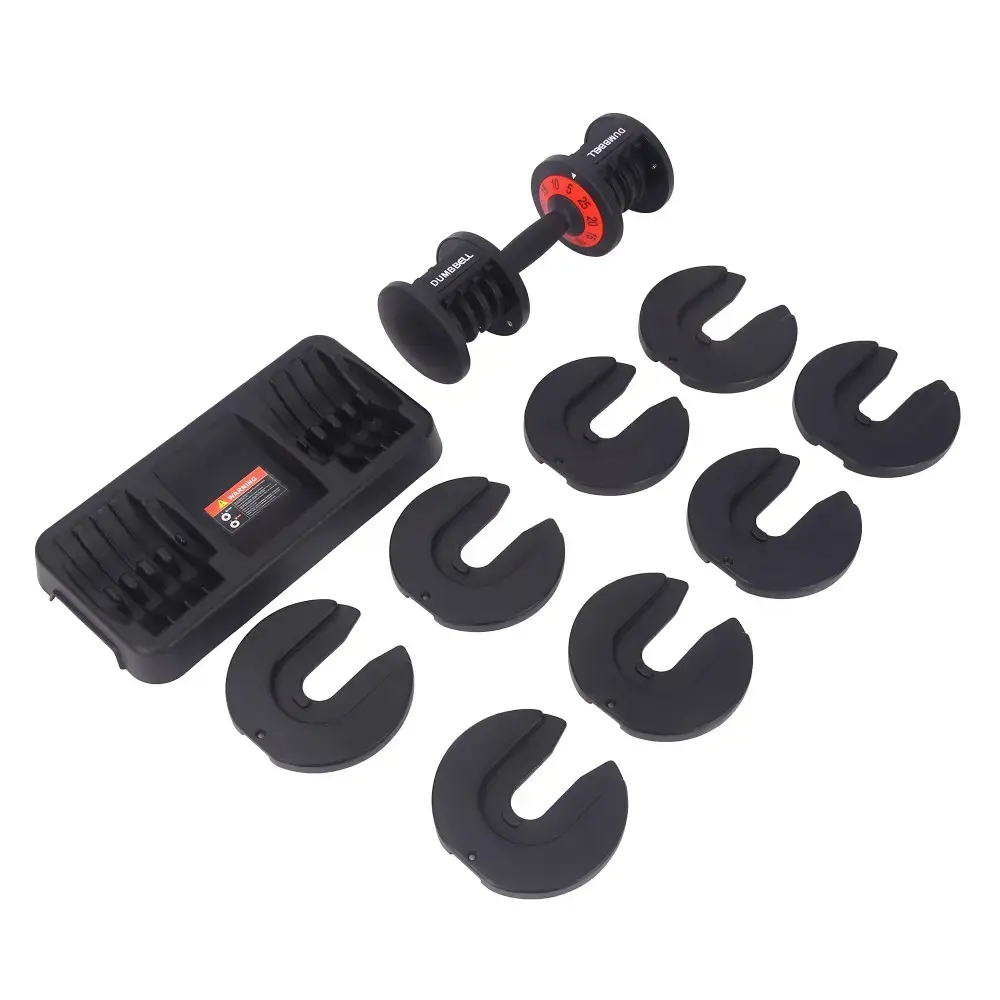
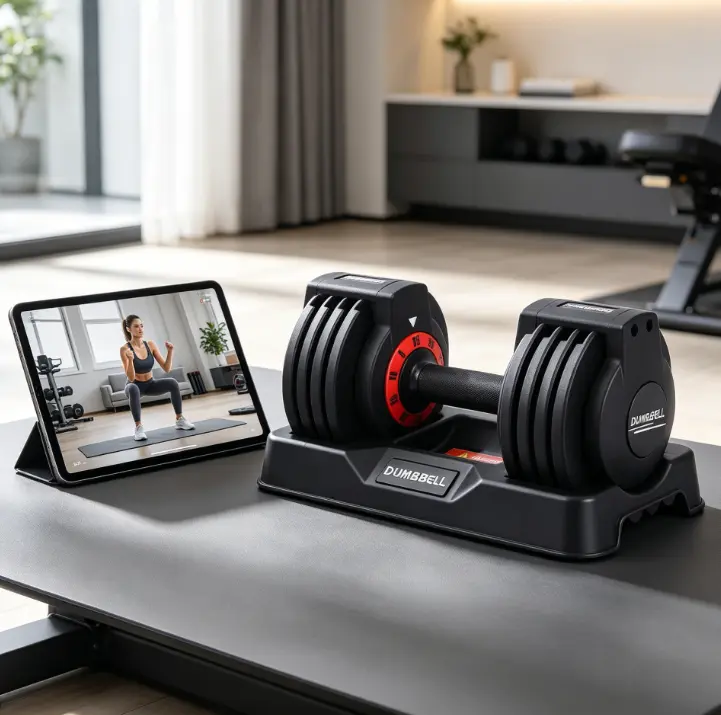
Unit choice should follow the sales channel, not the factory's habit. A home-gym model aimed at North American direct-to-consumer channels should be labelled in pounds, because that is the unit the buyer searches with and the unit competitor listings use. The same hardware sold into continental European retail should carry kilograms on the carton, the manual and the retail label, and the increment chart should be redrawn in kilograms rather than converted with a rounding note. A unit-consistent entry-level set such as this 25 lb adjustable dumbbell for home exercise is straightforward to position when the market matches the label.
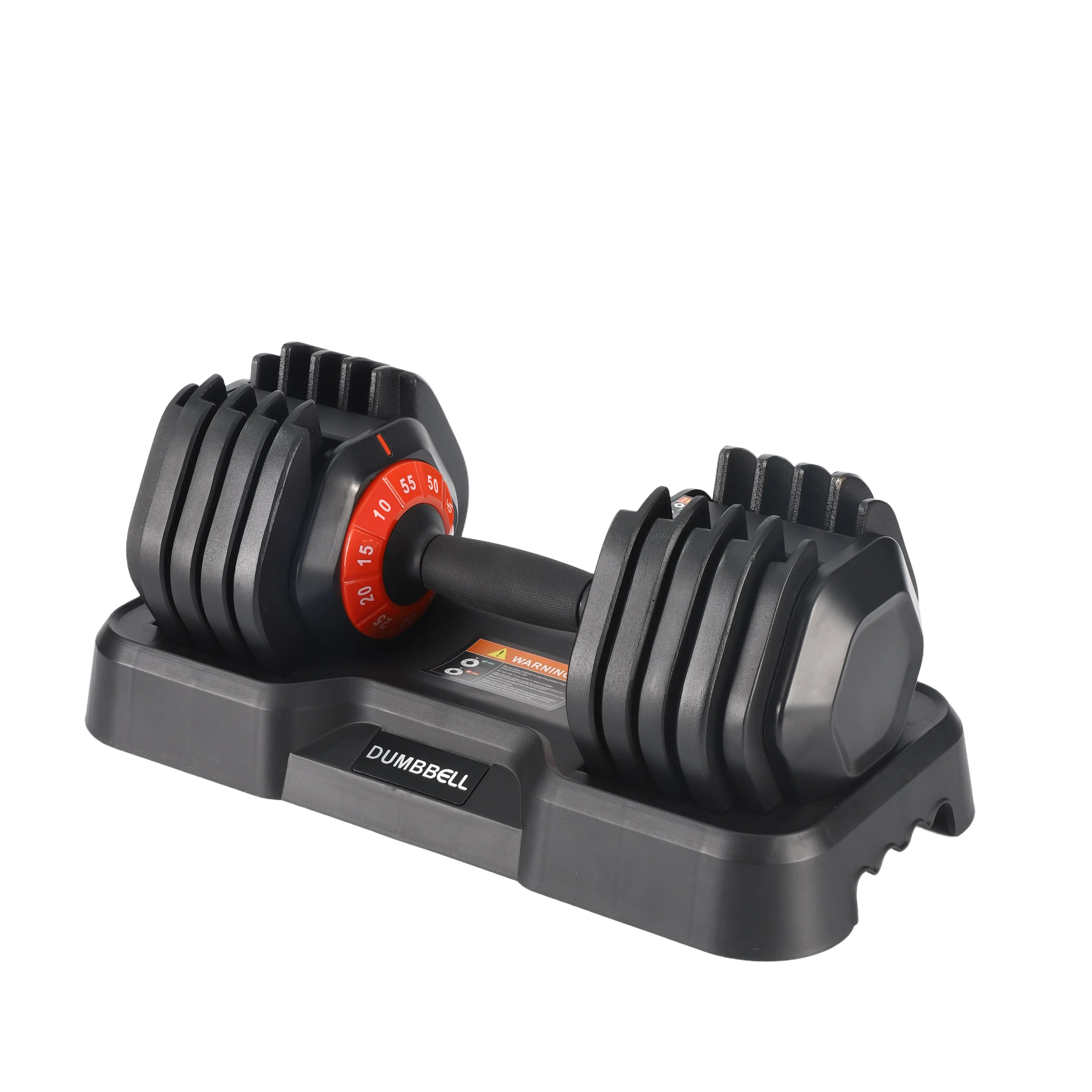
Where the same product is sold into both, the safe approach is a dual-marked carton and a region-specific manual, not a dual-marked listing. Marketplaces penalise dual-unit titles aggressively, because their automated checks cannot tell which number describes the product and which is a conversion, and a suppressed listing costs more than a second print run. A model offered as a 25 kg adjustable dumbbell for gym exercise should carry one unit per listing, chosen by destination.
Pair or Single: The Quietest Source of Returns
The second great ambiguity is whether the advertised weight describes one dumbbell or the pair. Industry practice leans toward per-pair advertising in retail and per-unit advertising in some e-commerce categories, which means your customer's assumption depends on where they shopped last. State it twice: once in the specification table and once in the first line of the description, in the form "per pair" or "per single handle". Clarifying on a 25 kg adjustable dumbbell supplied as a matched set costs nothing at the listing stage and removes a category of return that no amount of packaging improvement will fix.
The Photograph Problem Nobody Budgets For
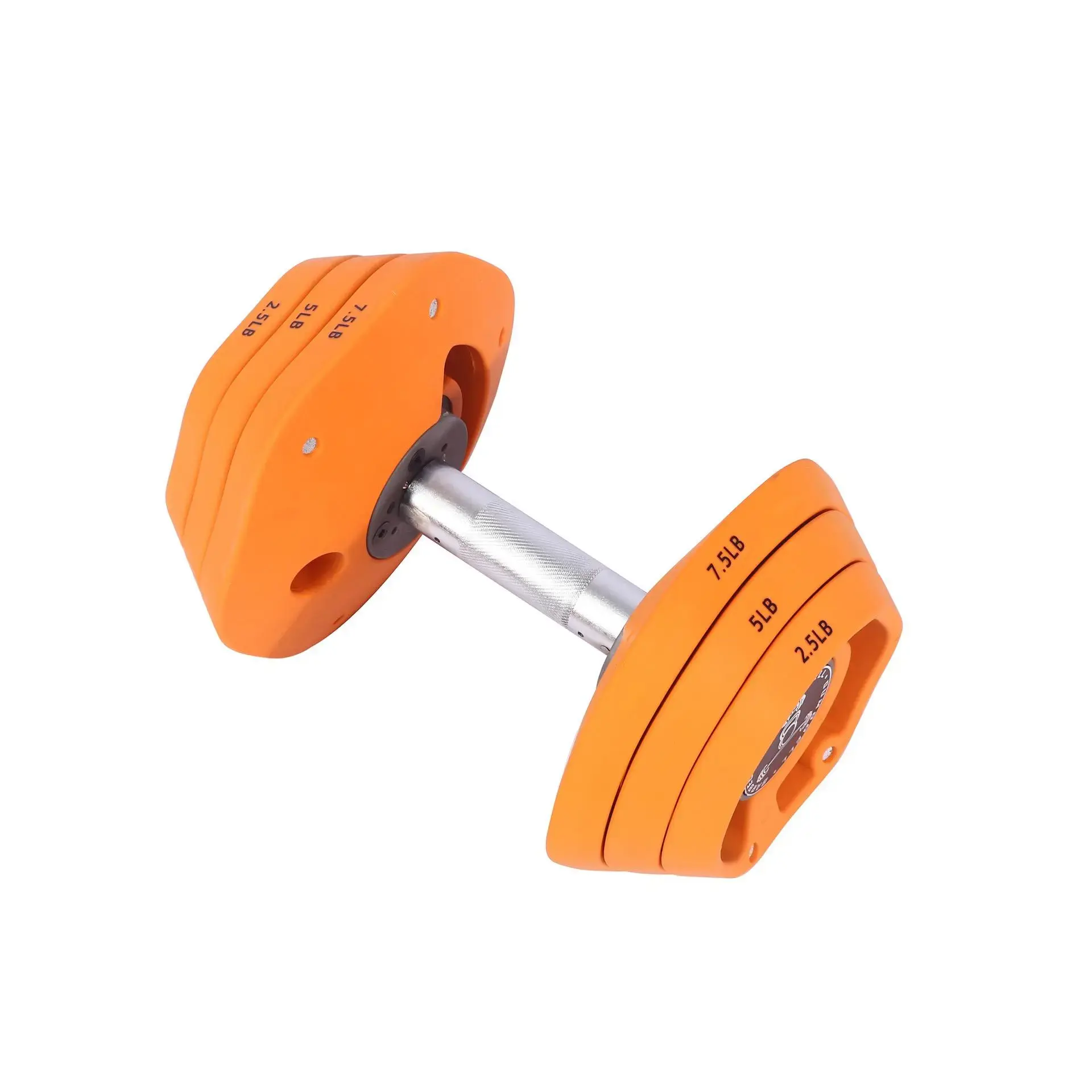
Listing imagery routinely contradicts the spec sheet in ways that generate complaints. A hero image showing the set fully loaded next to a title that states the minimum configuration, a scale photograph showing a different unit, or a lifestyle shot with two handles when the price is for one. Audit every image against the frozen number page before upload, because marketplace dispute systems treat an image as a product claim and rule against the seller on visual evidence. This is unglamorous work and it is where adjustable dumbbell returns are actually prevented.
Where Quick-Change Mechanisms Change the Copy
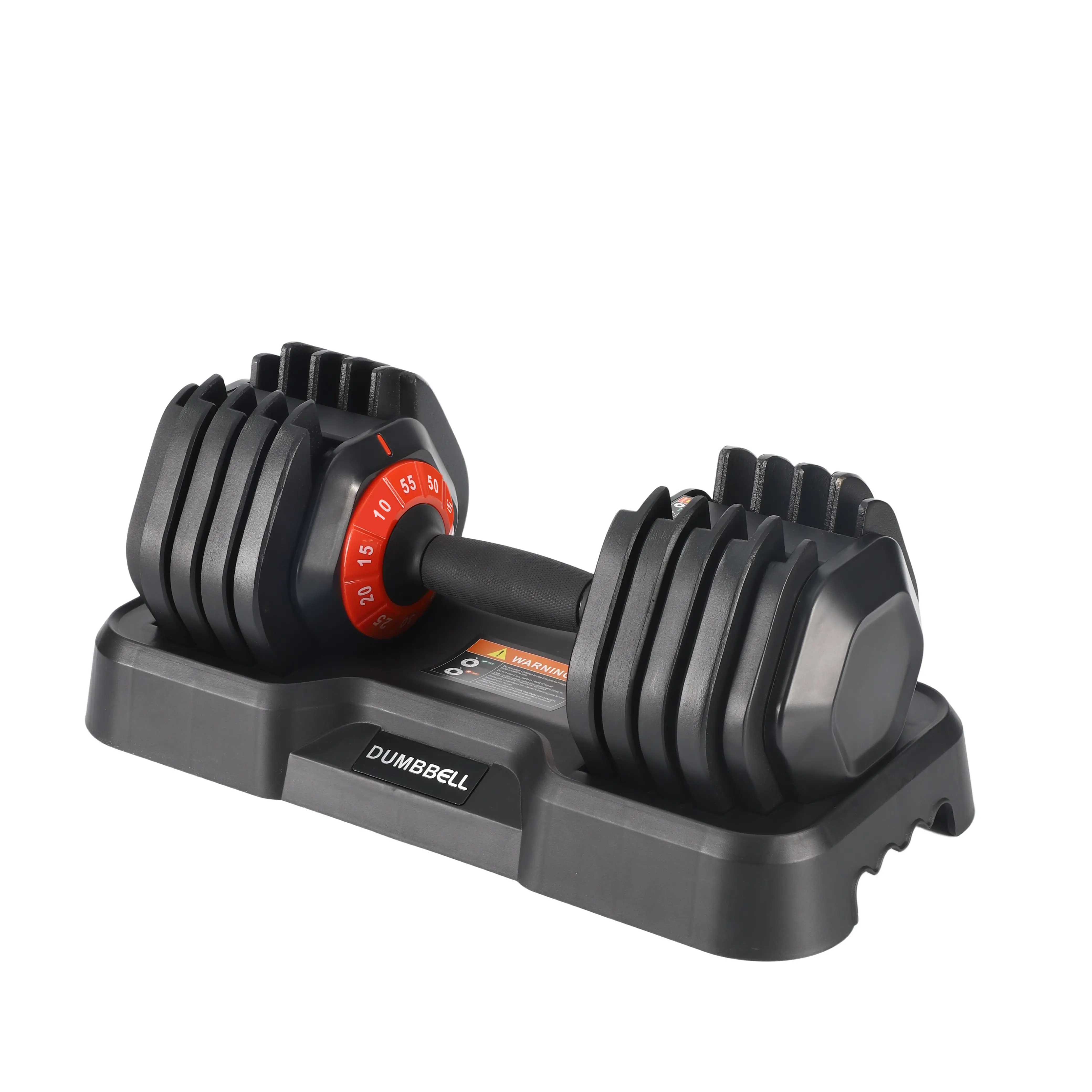
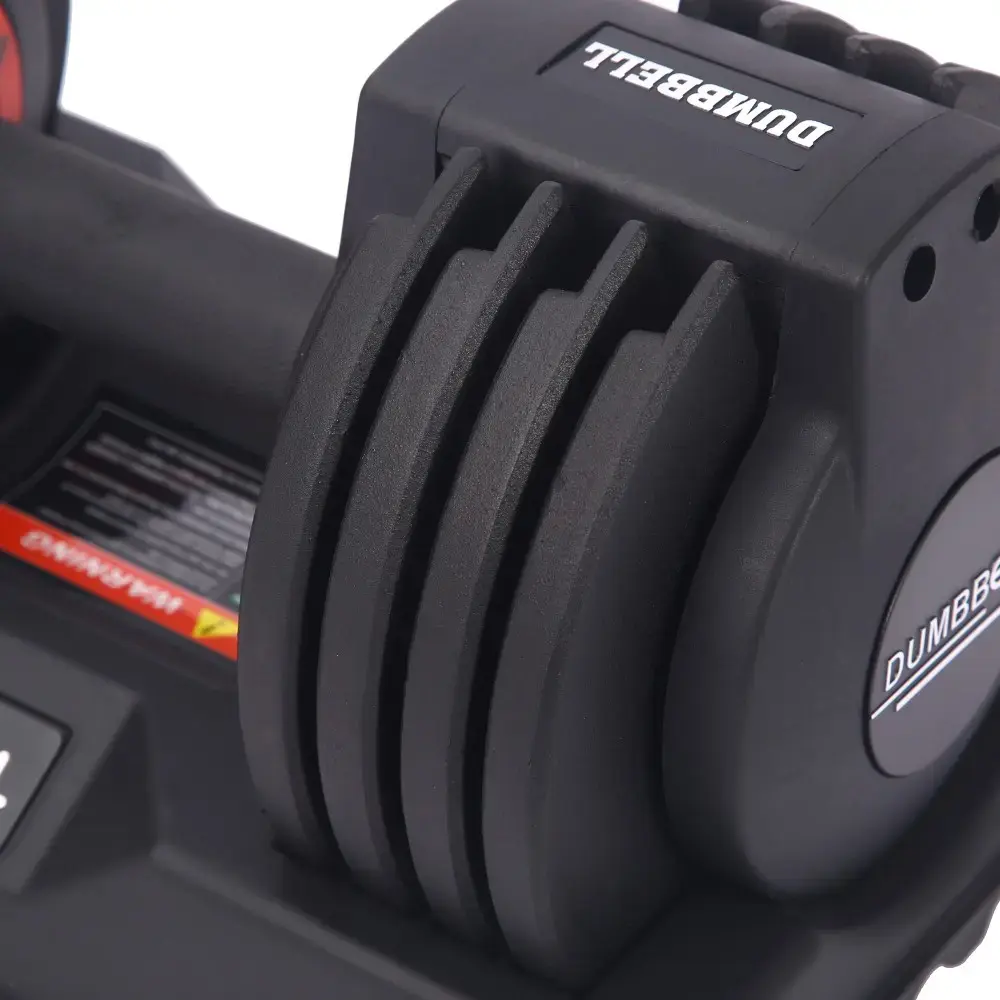
Quick-change and dial-adjusted formats introduce an extra copy requirement: the increment chart. If a set moves in fixed steps, the chart must list every step, and the extremes must match the advertised maximum and minimum exactly. A mechanism that advertises twenty-five kilogrammes but delivers it in fifteen steps must say so, because buyers interpret step count as usable resolution. Publish the full step list; it is a selling point for home users and a compliance shield for you. A 25 lb adjustable quick change dumbbell sells better with the steps written out than with a single headline number.
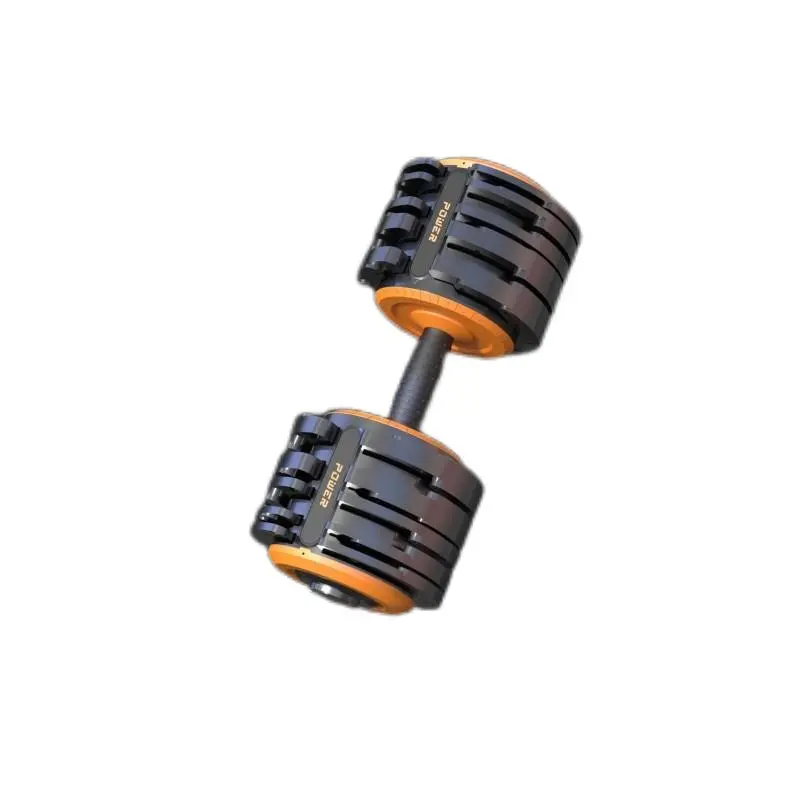
Do the same for heavier brackets aimed at studio and light commercial buyers, where the same clarity protects a higher ticket price. A premium 25 kg adjustable dumbbell for home gym training competing on quality should be the clearest listing on the page, not the one with the largest number.
A Pre-Listing Checklist Worth Running Every Season
Before any adjustable dumbbell SKU goes live, run this sequence. Six, have someone who did not write the listing read it and tell you what weight they think they are buying. That last step catches nearly everything, and it costs fifteen minutes.
The Conclusion Worth Acting On
Adjustable dumbbell quality problems are real, but they are not the main reason importers lose money on this category. Mislabelled weight, ambiguous pair-or-single convention and contradictory imagery generate more chargebacks than broken collars ever will, and all three are free to fix before production. Freeze the numbers on one page, hold every channel to that page, and the category becomes predictable.