

Adjustable dumbbell strength factory
Grip Diameter, Knurl Depth and Plate Coating: The Comfort Spec Behind Adjustable Dumbbell Reviews and Repeat Orders
The Container Sold Out and the Reviews Killed the Second One
A sporting goods wholesaler landed a strong first container of Adjustable Dumbbells, priced them well, and moved the stock in nine weeks. What arrived next was not a re-order but a wave of three-star reviews mentioning the same three words: slippery, rough, and rattles. The weight tolerance was correct, the locking mechanism had passed every drop test, and the packaging had survived the voyage. The complaint was about how the product felt in the hand, which is the one thing nobody had written a specification for. Grip geometry and surface finish are treated as cosmetic details by most importers, and they are the most frequently mentioned attributes in end-user feedback on strength equipment.
Why Handle Diameter Is Not a Minor Detail
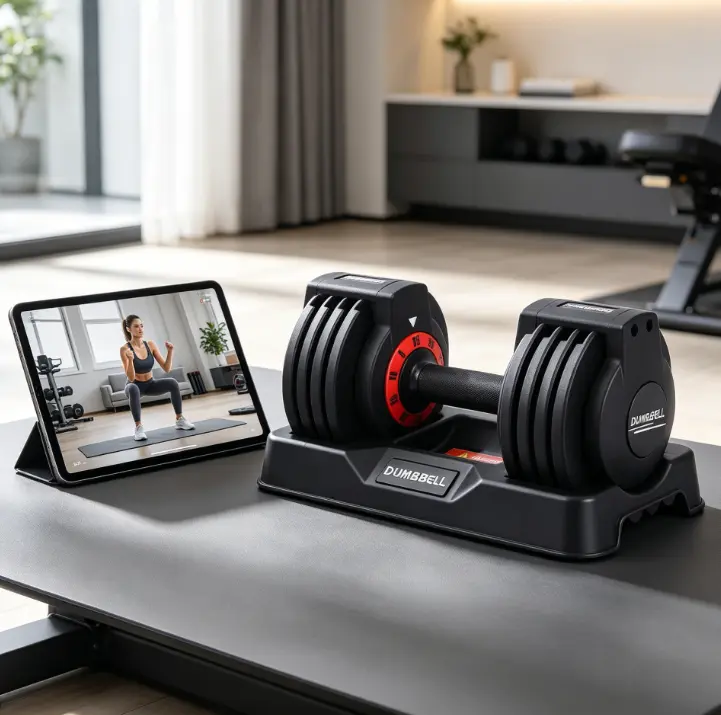
Grip diameter drives how much load a user can hold before the forearm gives out rather than the target muscle. A handle that is too thin concentrates pressure into the palm and feels sharp under heavy load; a handle that is too thick forces a wide grip that fatigues the forearms on pulling movements and shifts work away from the intended muscle group. For a general market range, the practical band is roughly twenty-eight to thirty-four millimetres for the gripping surface, with the larger end suited to heavier units. Lock the grip diameter into the product specification as a measured dimension with a tolerance, and require the factory to report it on the inspection sheet, because it is the easiest dimension on the whole product to let drift between production runs.
Knurl: Pattern, Depth and the Sharpness Trap
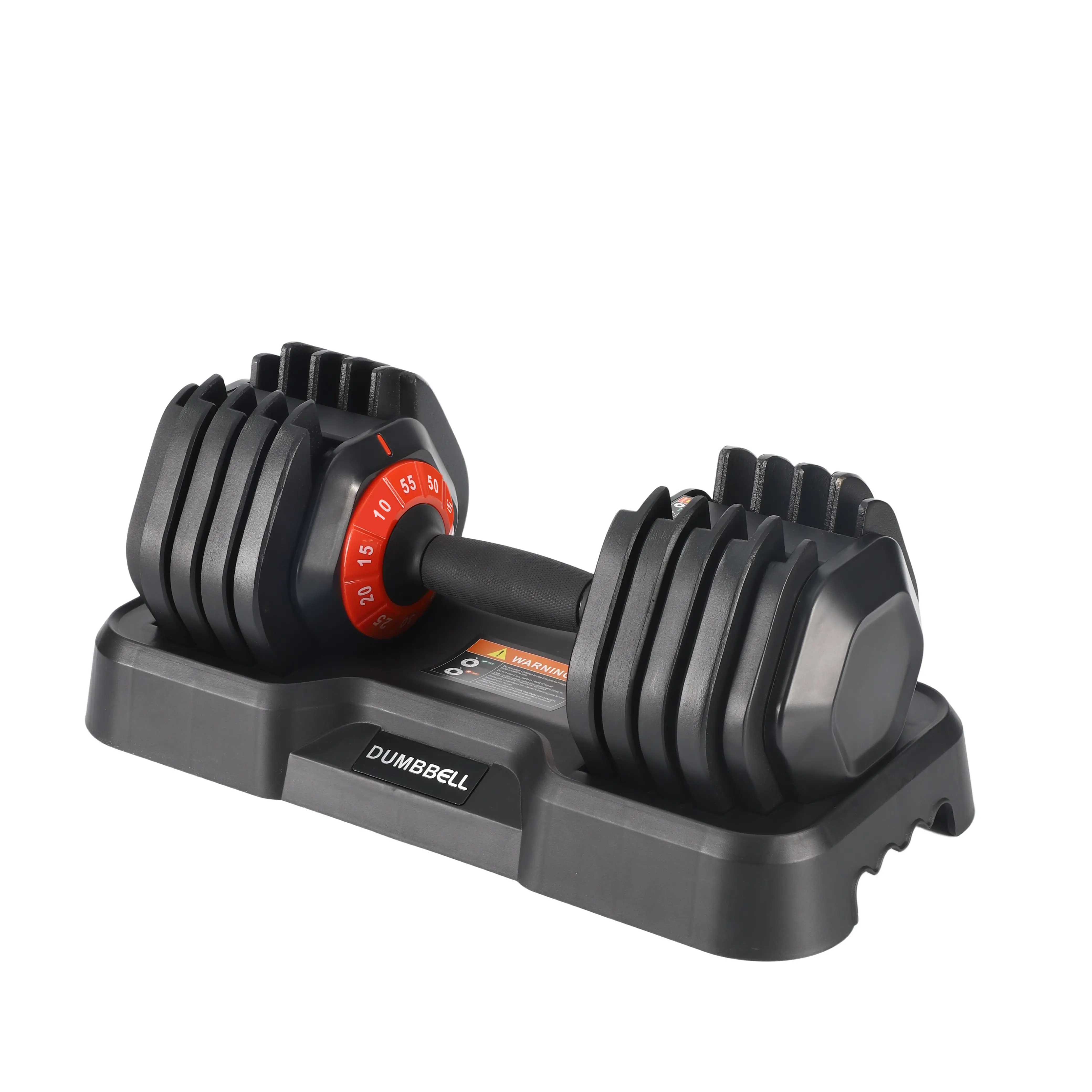
Knurling is where most complaints originate, and usually for opposite reasons at the same time. A knurl that is too shallow gives nothing to grip once the palm is damp, and a knurl that is too aggressive tears skin on high-rep work and gets described in reviews as cheap rather than secure. The pattern matters as much as the depth: a diamond knurl gives multidirectional bite, while a straight knurl is cheaper to produce and noticeably less secure. Specify a medium diamond pattern with a defined pitch and a defined depth range, and ask for photographed samples from three separate production batches before the container is booked. Consistency between batches is worth more than an aggressive texture.
Coating Choice Changes the Whole Product
The finish on the plates and on the handle determines noise, floor damage, smell and rust behaviour, and it is one of the largest cost drivers after the steel itself. Chrome gives a hard, clean surface that resists rust well but transmits noise and marks floors; rubber or polyurethane coatings protect floors and damp sound but add thickness, weight variance and a smell that buyers notice on unpacking. Cast iron left bare or minimally sealed is cheap and traditional but will rust in a humid container. A twenty-five kilogram adjustable dumbbell built for the home gym channel should almost always carry a coated or treated surface, because that buyer trains on a finished floor and will not forgive a scuff mark.
Match the Grip to the Buyer, Not to the Catalogue
Weight range and grip specification should move together. An adjustable cast iron dumbbell set at twenty-five kilograms sits in the band where most users are doing pressing and single-joint work, so grip security matters less than comfort and knurl sharpness should be conservative. The same knurl that helps a heavy deadlift becomes a complaint on a high-rep shoulder session, and a single texture across a full weight range is a compromise that satisfies neither end of it. Where the range spans light to heavy, consider two knurl specifications rather than one.
Quick-Change Mechanisms Introduce a New Grip Surface
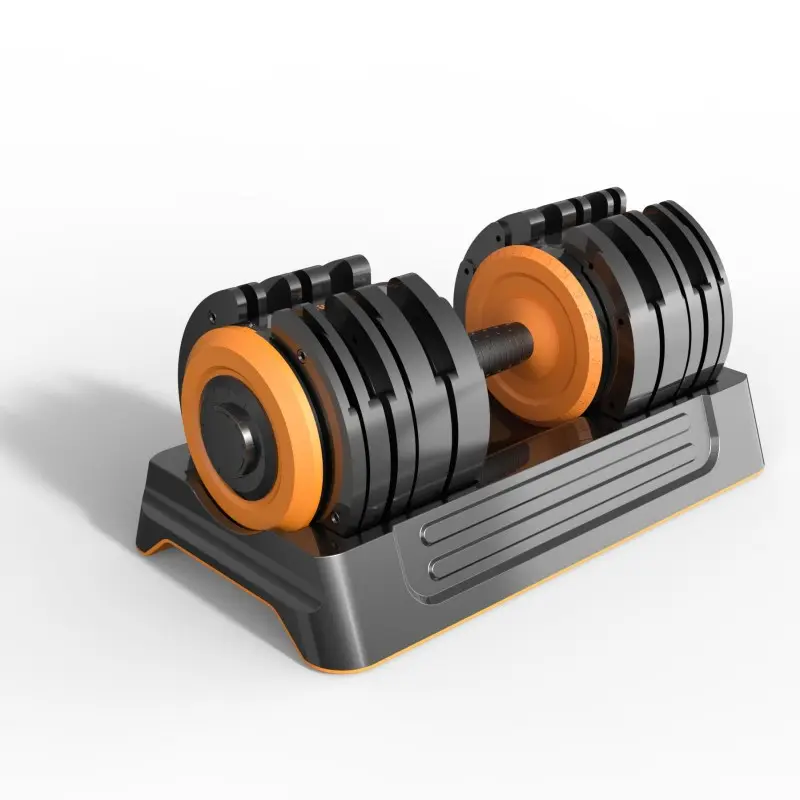
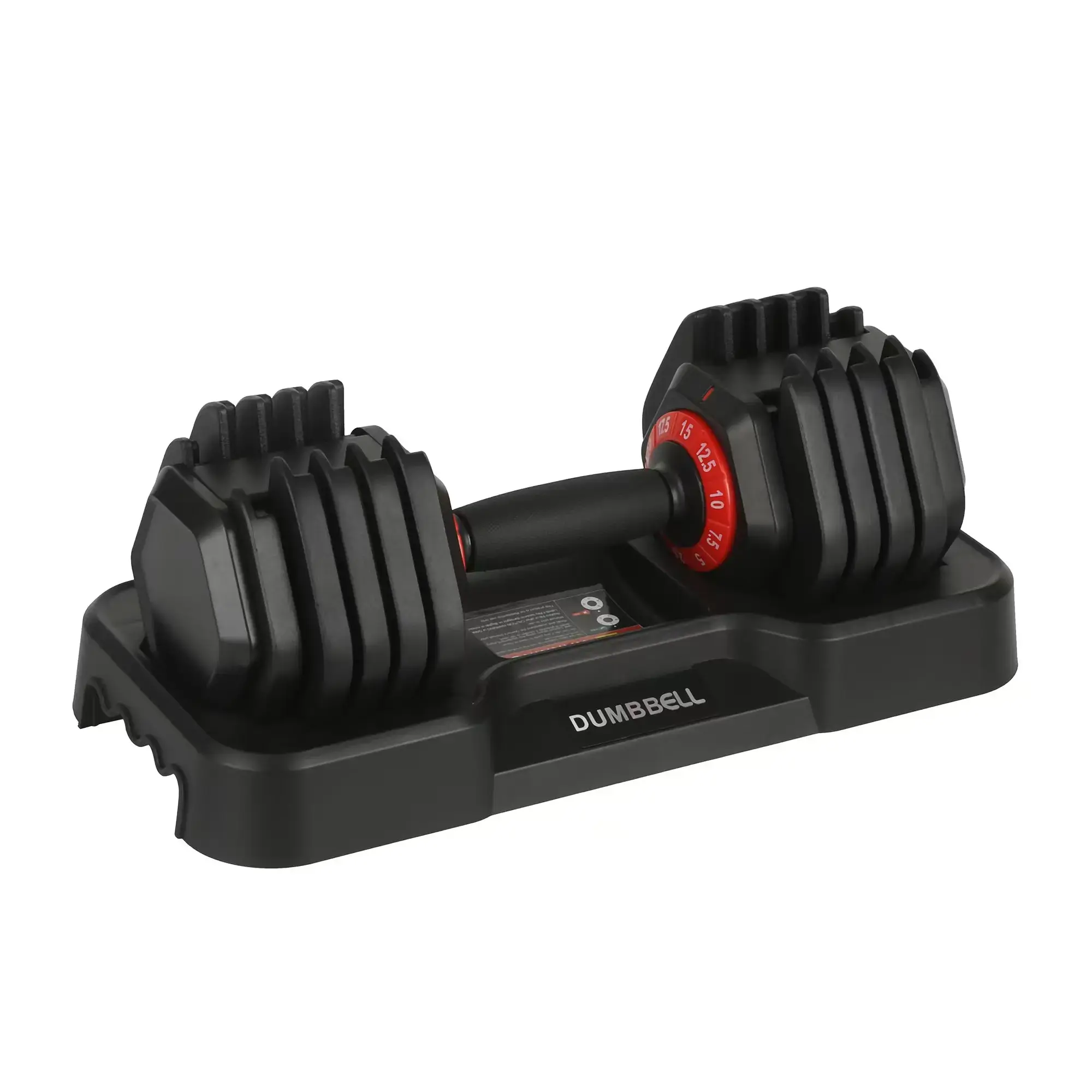
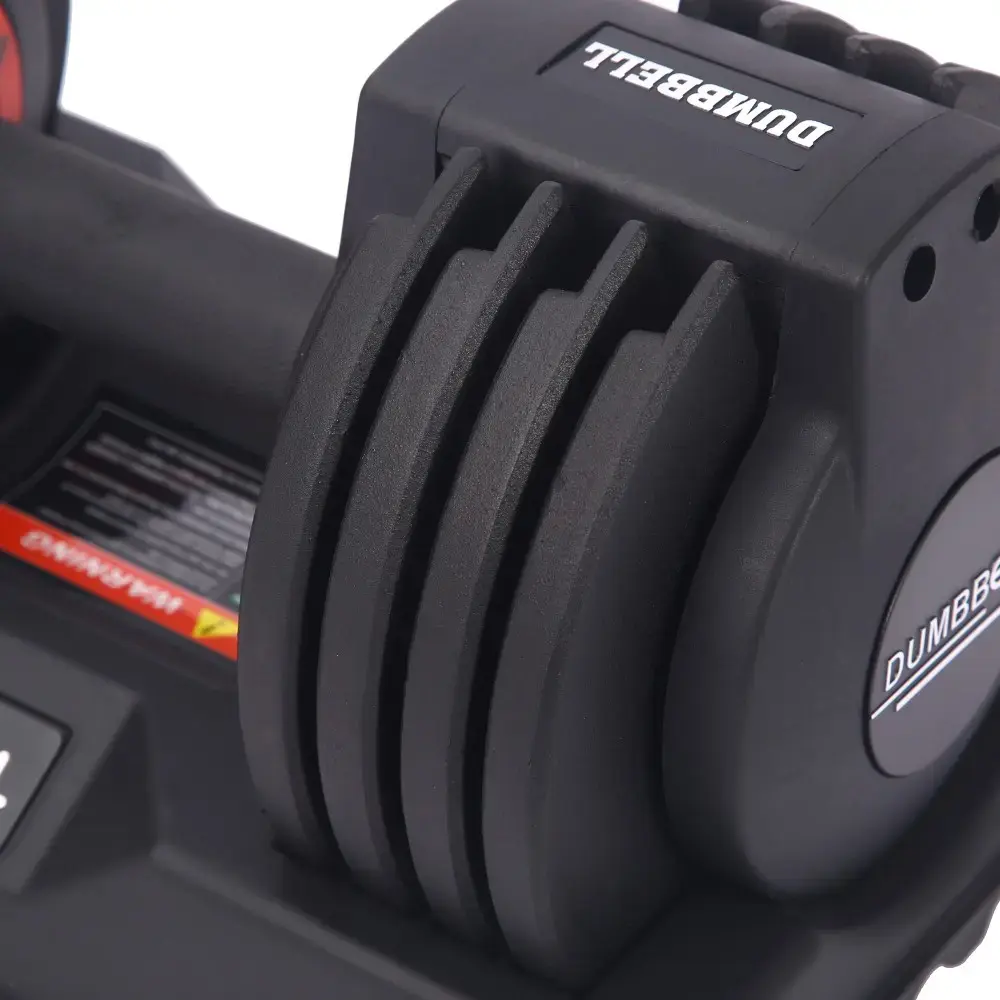
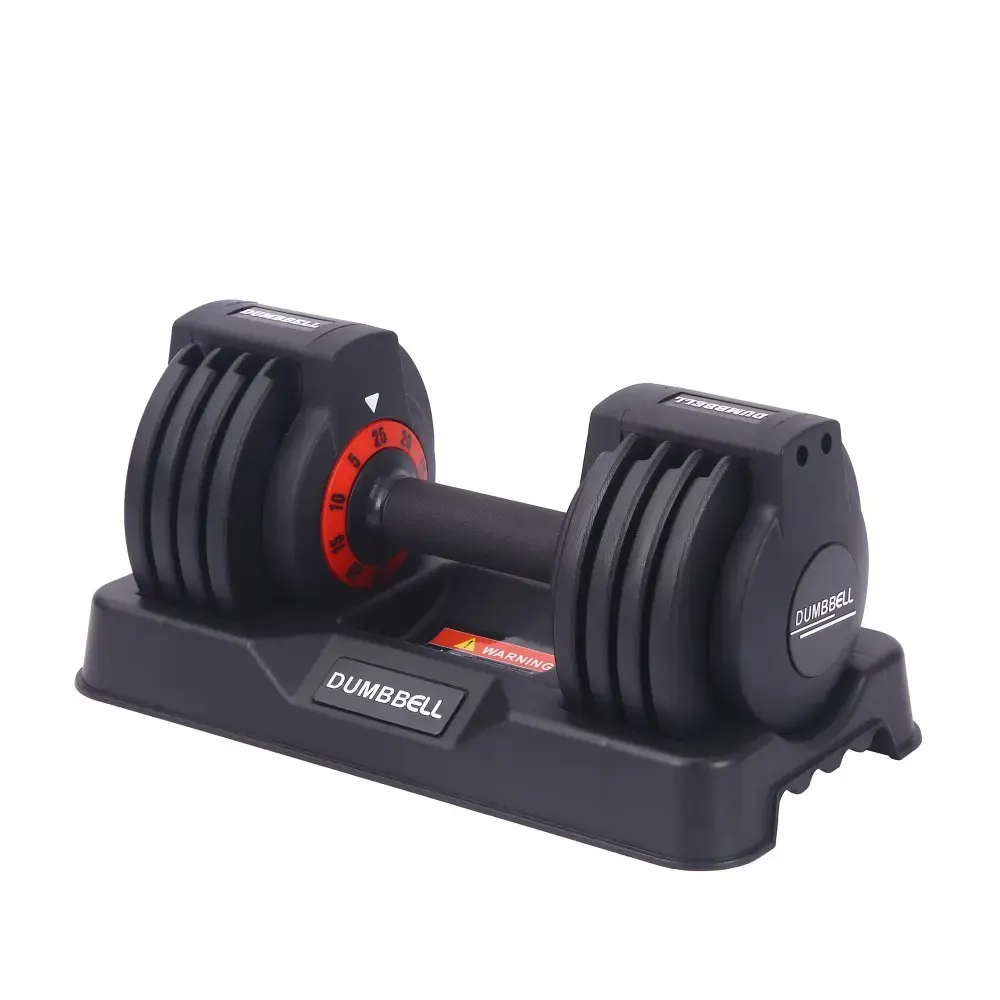
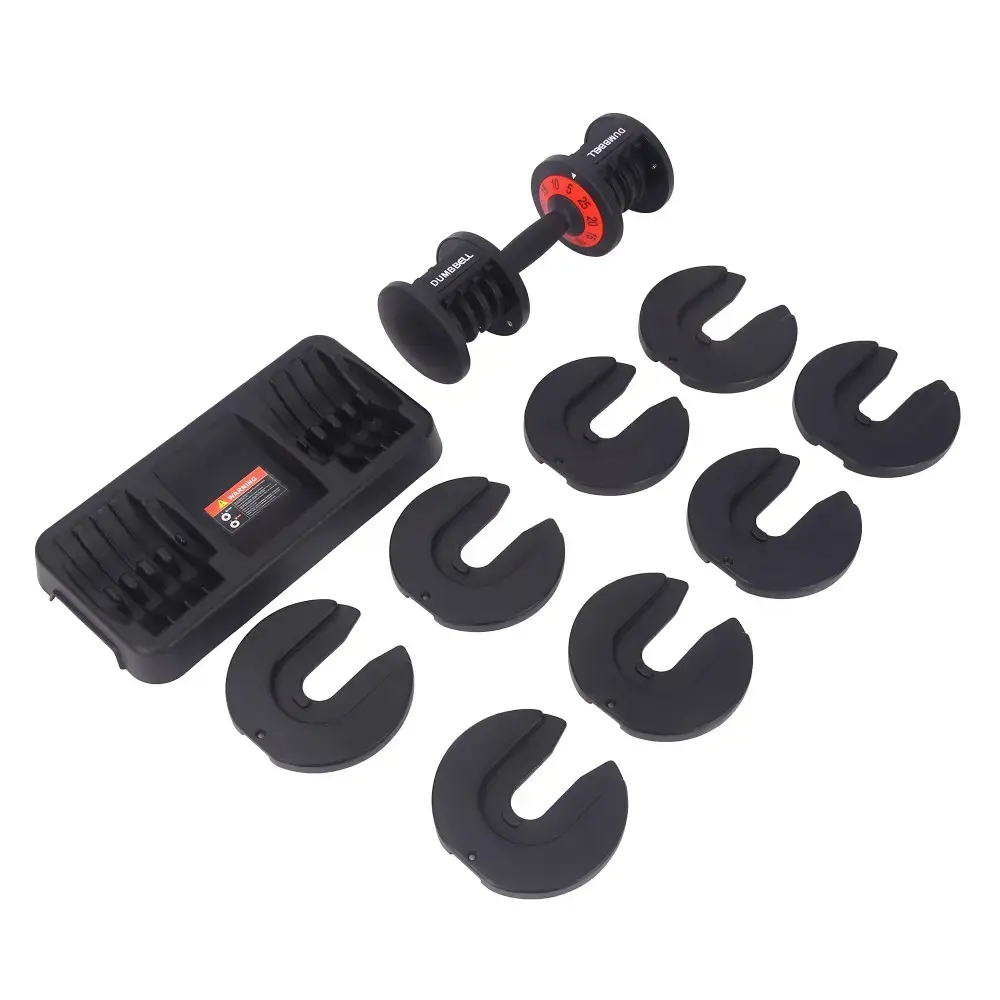
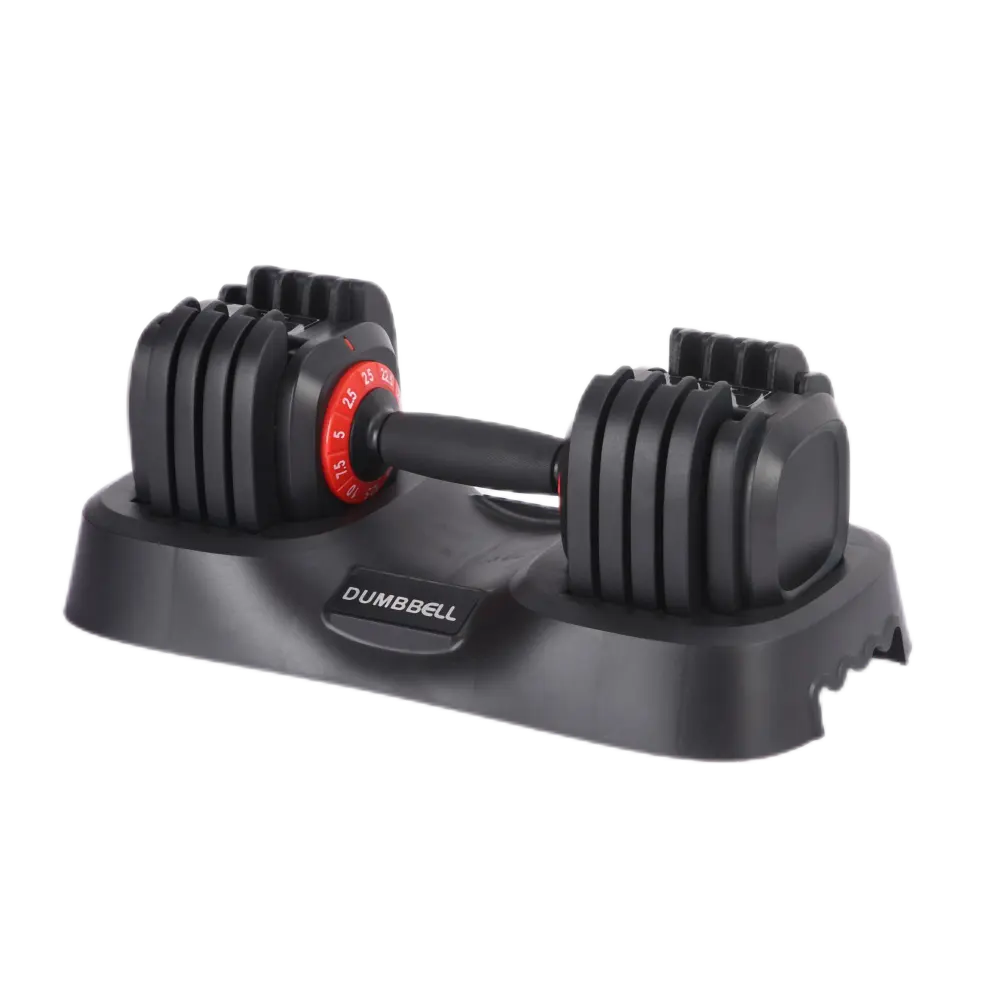
Selector and quick-change designs move the adjustment into the handle, and that changes what the hand touches. A twenty-five pound automatic adjustable quick-change dumbbell has a handle assembly that must remain comfortable while also housing a mechanism, and the seam lines between moving parts are exactly where a sharp edge tends to appear. Require the factory to deburr and hand-check every seam on the handle assembly, because a moulding flash line of half a millimetre is enough to generate a return and a photograph in a review. Ask inspectors to run a gloved hand along the full grip rather than only measuring it.
Combination Products Need Their Own Grip Review
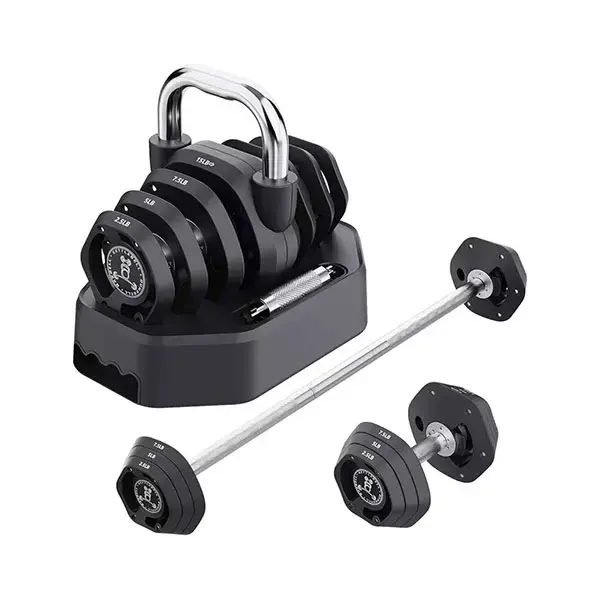
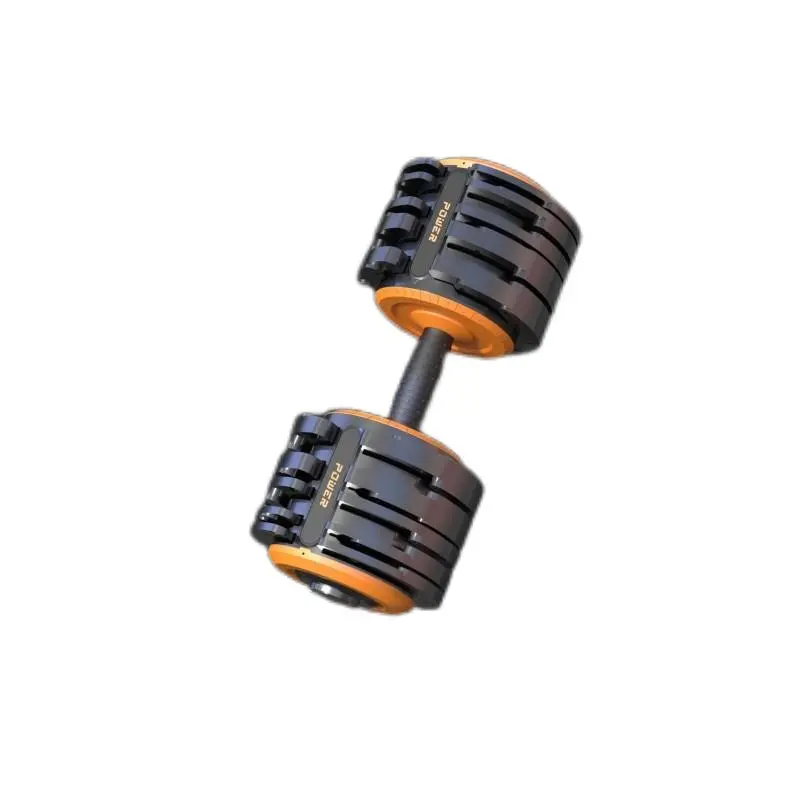
Multi-function formats complicate everything, because one handle now has to serve several movement patterns. A three-in-one adjustable unit that converts between dumbbell and kettlebell use at twenty kilograms has a grip that is pulled, swung and pressed, and a kettlebell swing punishes a rough knurl far harder than a press does. For combination products, specify the smoothest acceptable knurl rather than the most secure one, and verify the transition surfaces between grip zones with a physical sample rather than a drawing. These are the products most likely to be returned for comfort reasons.
Storage Touches the Same Surfaces
Grip and coating do not stop mattering when the set is put away. An iron adjustable mobile dumbbell rack supports the units at the plates, and a hard-coated plate on an unprotected metal saddle will chip and then rust at the contact point. Specify polymer saddles or liners on every rack contact point as part of the same purchase, and the coating damage complaints disappear from the channel. This is a small line item that protects the finish the customer actually sees.
Write the Comfort Spec Before the Sample Stage
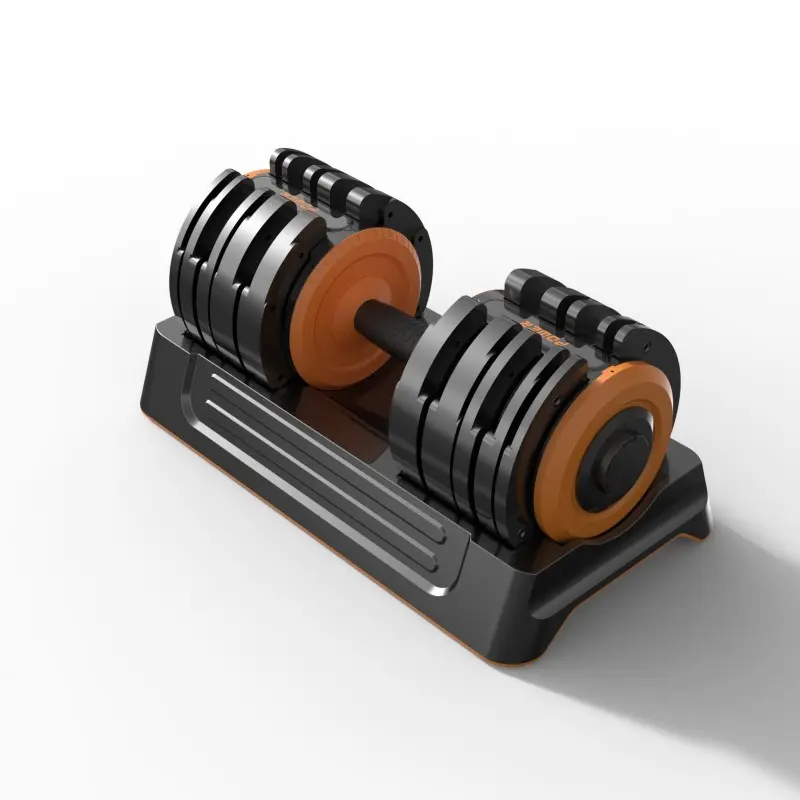
The practical sequence is simple. Fix grip diameter, knurl pattern and depth, coating type and rack saddle material in the specification; order samples from the production tool rather than from a hand-finished prototype; have three people with different hand sizes handle each sample for a full session; and only then release the order. A dumbbell that measures correctly and feels wrong will not be re-ordered, and in this category the second container is where the margin actually is. Comfort is not a soft attribute. It is the reason a range either compounds or dies after one season.