

Adjustable dumbbell strength factory
What Happens to Returned Adjustable Dumbbells After the Box Opens
An importer who opens a pallet of returned Adjustable Dumbbells each month is sitting on recoverable margin most competitors simply throw away. The mistake is treating every box that comes back as scrap instead of sorting it by what actually failed. A disciplined returns line can put 60-70% of those units back into a sellable grade, and that recovery often covers the handling cost of the whole reverse-logistics loop within one quarter.
How should a returned dumbbell be graded on arrival?
Grade every unit into A, B or C within 7-14 days of receipt so the inventory decision is made while the SKU is still fresh. Grade A is unopened or showroom-clean and can return to stock almost untouched, grade B needs a wipe, a new lock pin or a fresh carton, and grade C is a donor for parts only. A/B/C grading is the three-tier condition score you assign before any repair work begins, not a quality certificate. Skipping this step is how importers accidentally relist a cracked-collar unit as new and earn a one-star review.
- Grade A: under 5% of returns, resell at full price after a visual check.
- Grade B: 50-60% of returns, refurbish and sell as open-box at 80-85% of list.
- Grade C: 30-40% of returns, strip for dials, collars and plates only.
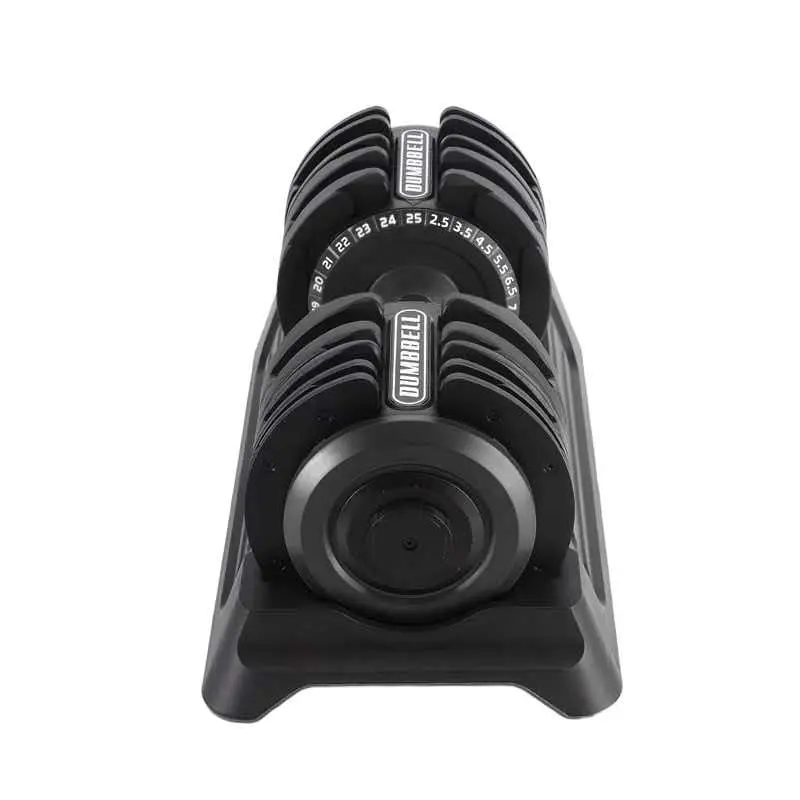
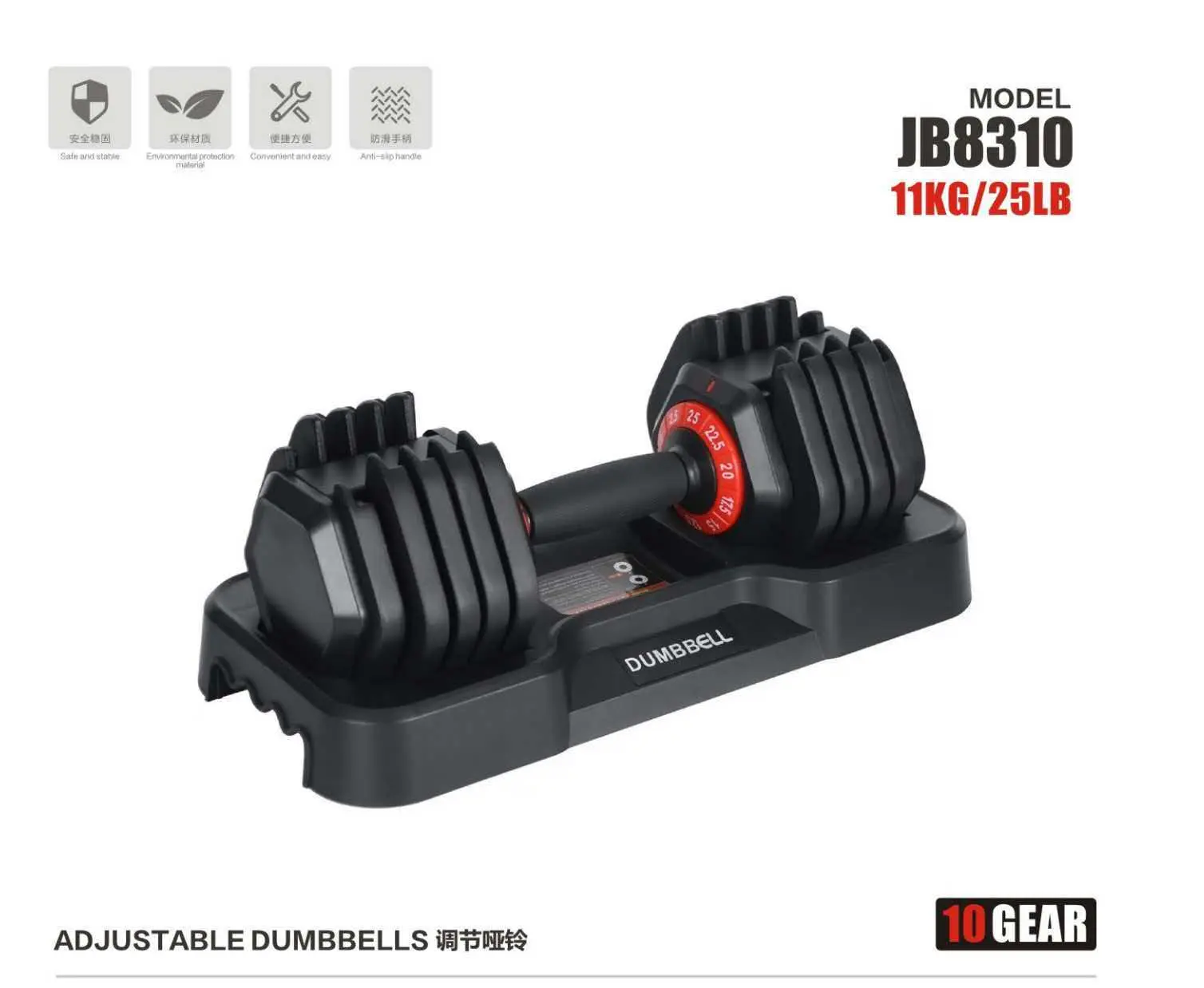
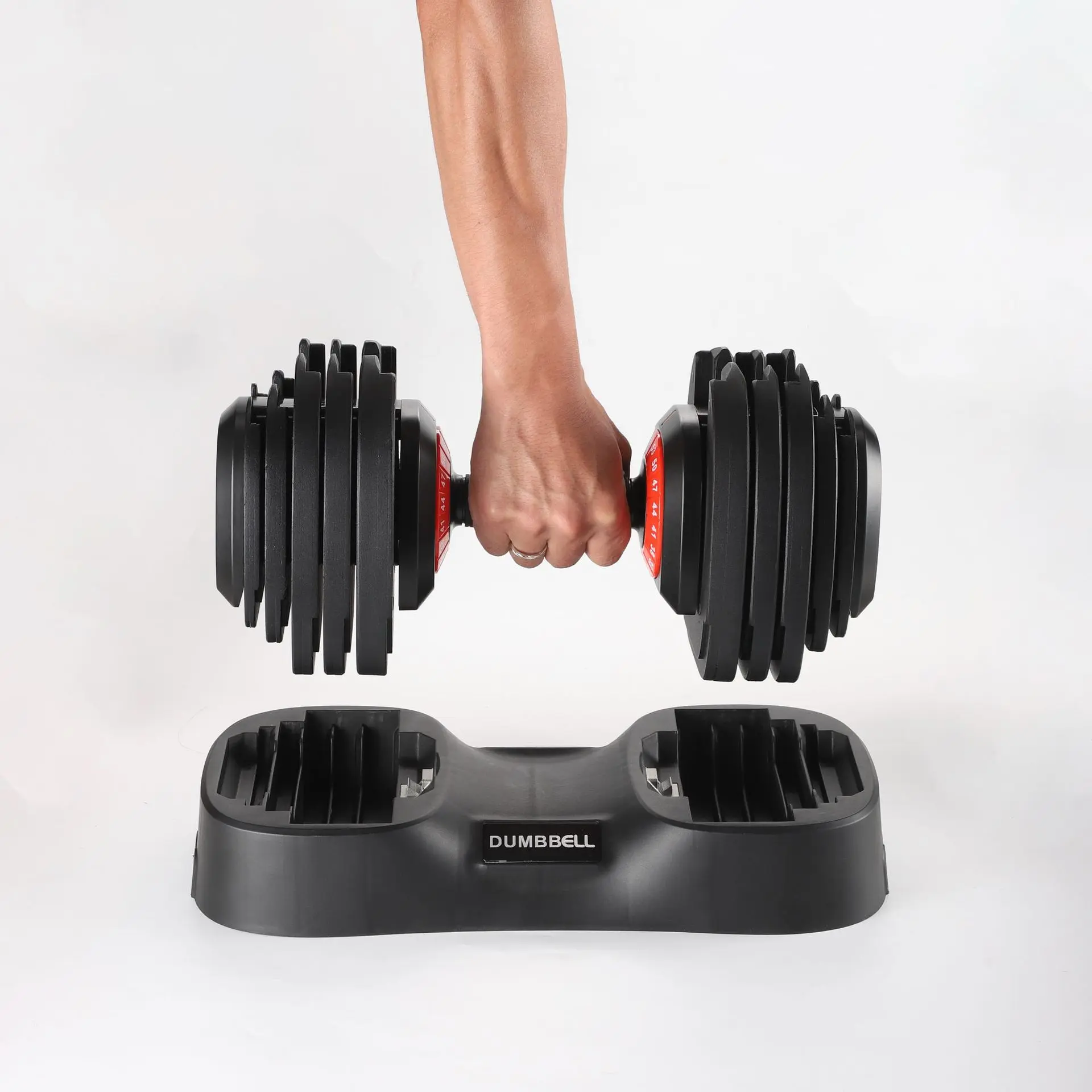
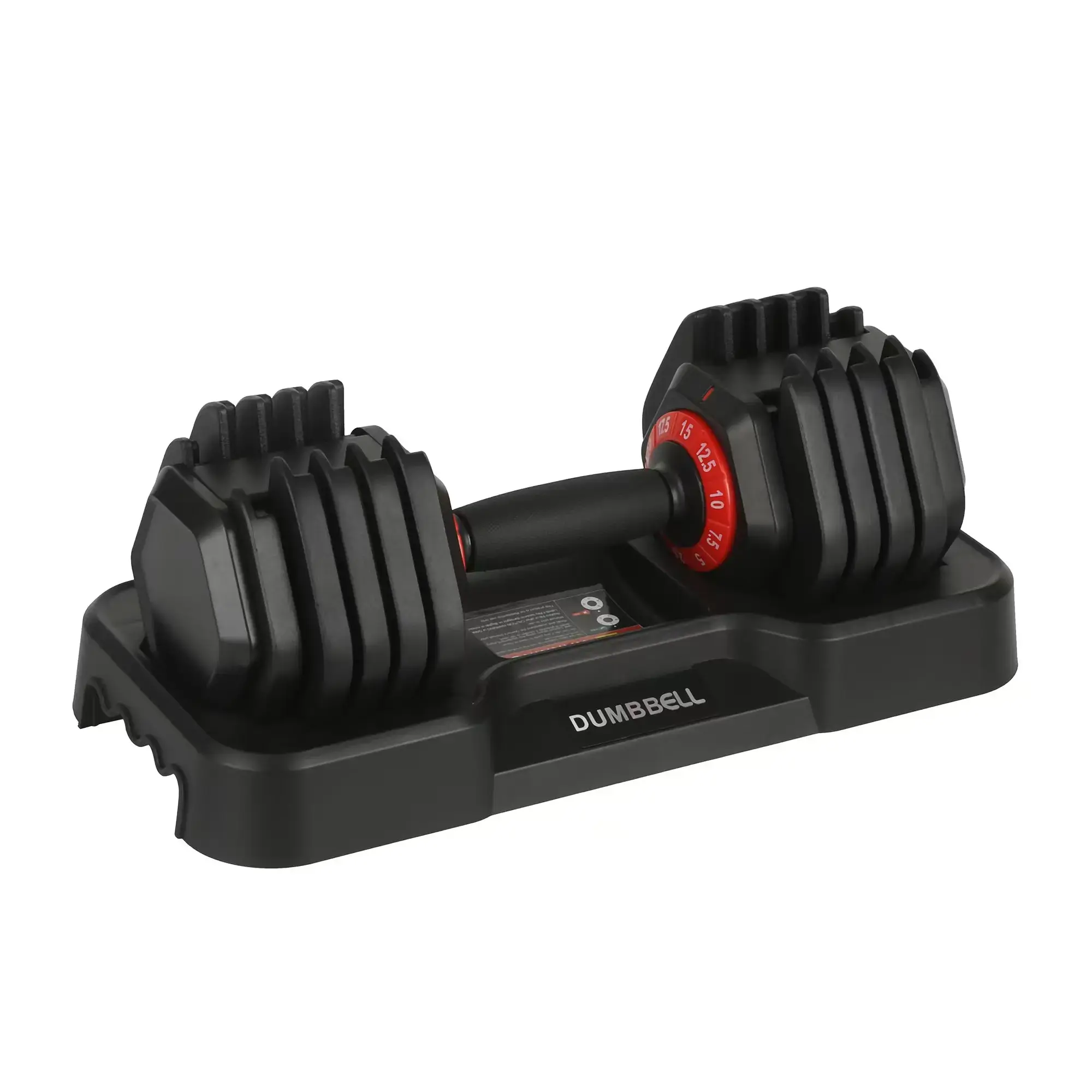
Adjustable 25lb dumbbells from China factory for high quality home fitness equipment suppliers are the small-format units that most often come back unopened, which makes them the easiest grade A recoveries in the whole range.
Which parts actually fail and can be swapped?
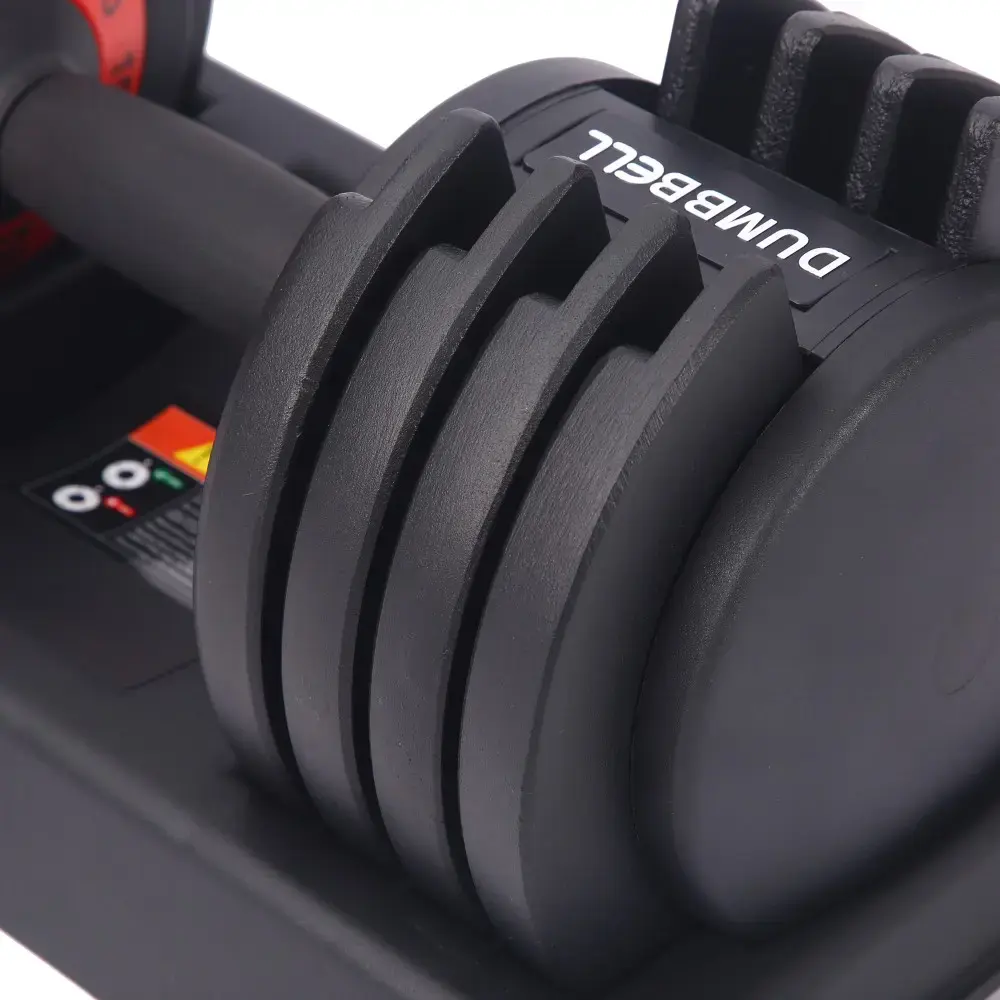
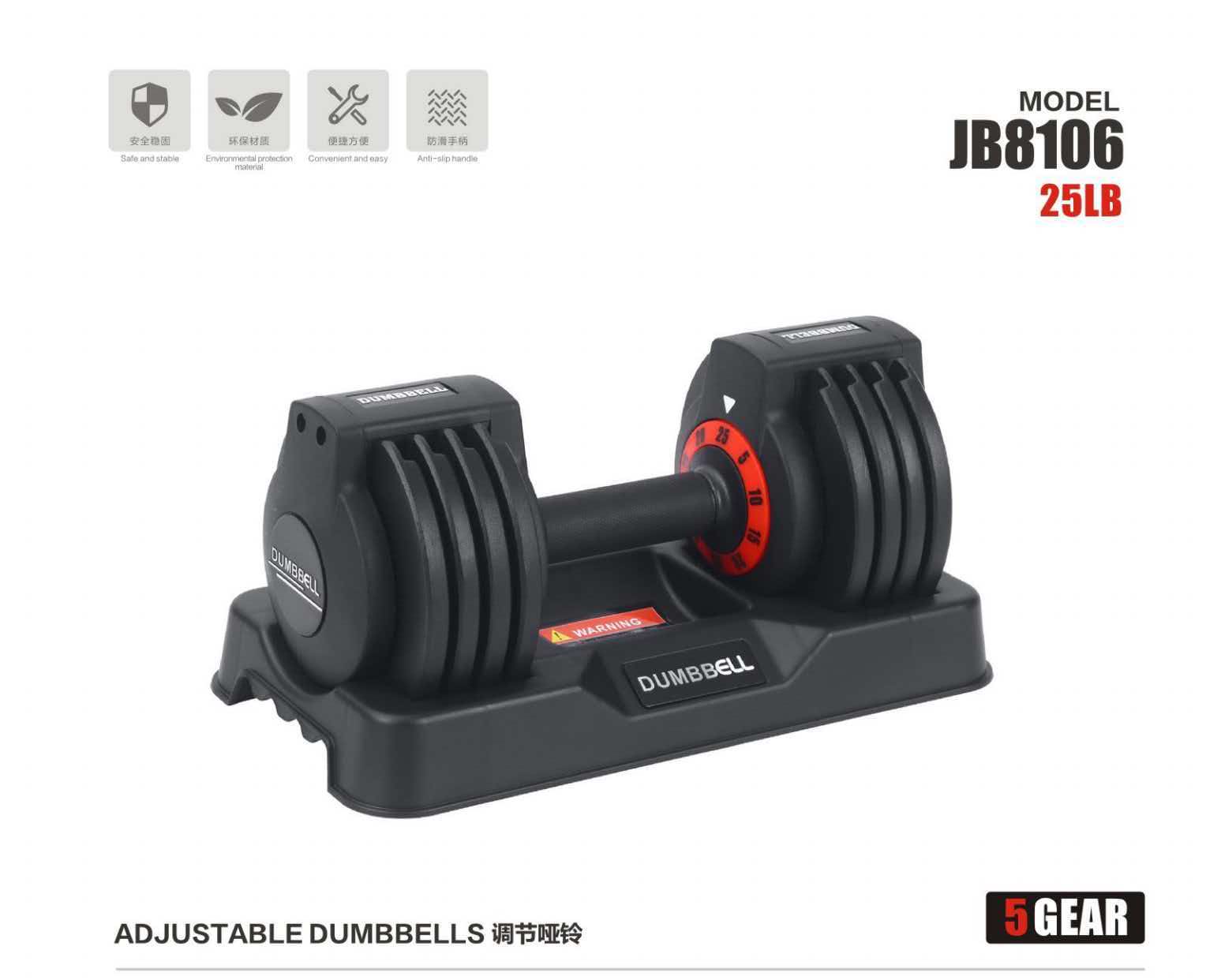
The dial, the collar and the selector plate are the three components that account for almost every functional return on an adjustable dumbbell. A dial that slips under load is a safety issue, not a cosmetic one, and it must never be resold without a confirmed replacement. The good news is that these parts are modular, so a grade C body can donate a healthy dial to rescue two grade B units that were one component short. Keeping a tray of spare dials and collars on the bench covers the common failures without tying up a whole extra container of stock.
- Swap the dial when the click stops indexing at the marked weight.
- Replace the collar if the spin is gritty or the lock feels loose at 25 kg.
- Reuse plates only when the weight stamp is legible and the edges are unworn.
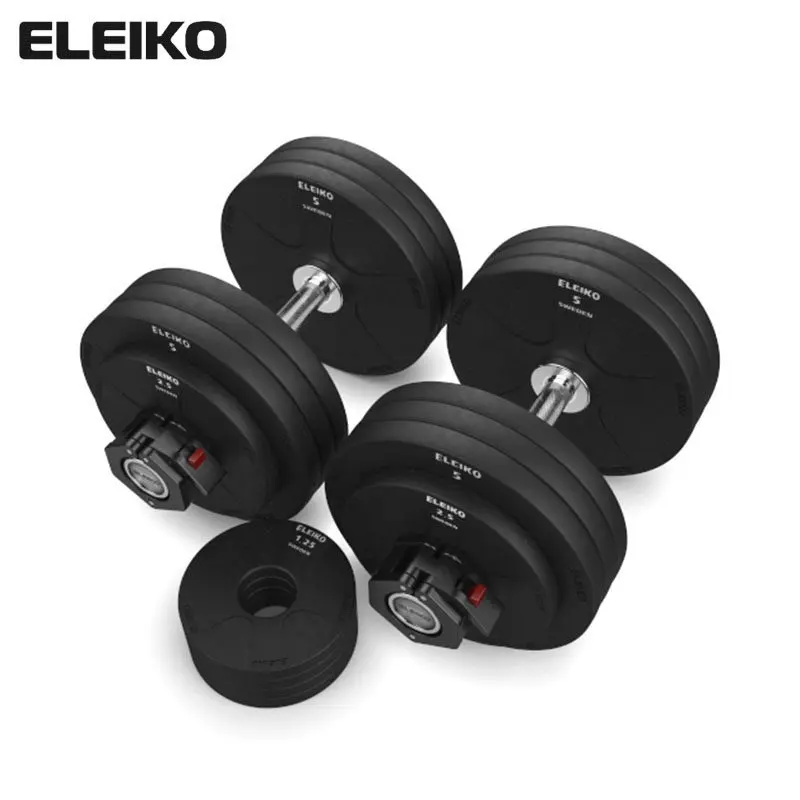
Adjustable 25kg cast iron dumbbell set from high quality China suppliers factory for home and gym fitness carries heavier plates, so its collars take the most torque and are the part worth stocking a spare batch of during refurbishment.
What does the test bench actually prove?
Run every refurbished unit through a 2-3 hour bench routine that cycles the selector across its full range at least 200 times. A shift-cycle test that racks the dumbbell from 5 kg to its top weight and back catches the intermittent faults a 30-second glance will miss. A shift cycle is one full up-and-down weight change on the selector, and 5000 cycles is the endurance bar most factories quote for a new unit. Relisting a unit that skipped the bench because it looked clean ships a hidden fault straight back to a customer. If a rebuilt unit clears 500-1000 cycles on the bench without a slip, it is safe to relist.
- Test the dial at 5 kg, 15 kg and the top weight on each side.
- Listen for grinding that signals a worn selector plate.
- Log the serial and the cycle count on the refurb card for traceability.
25kg-55lb adjustable dumbbell premium quality from China suppliers factory for home gym fitness is the heavy dual-range unit where the shift-cycle test matters most, because its 55 lb top end exposes any weak collar fastest.
How do you repackage without confusing the buyer?
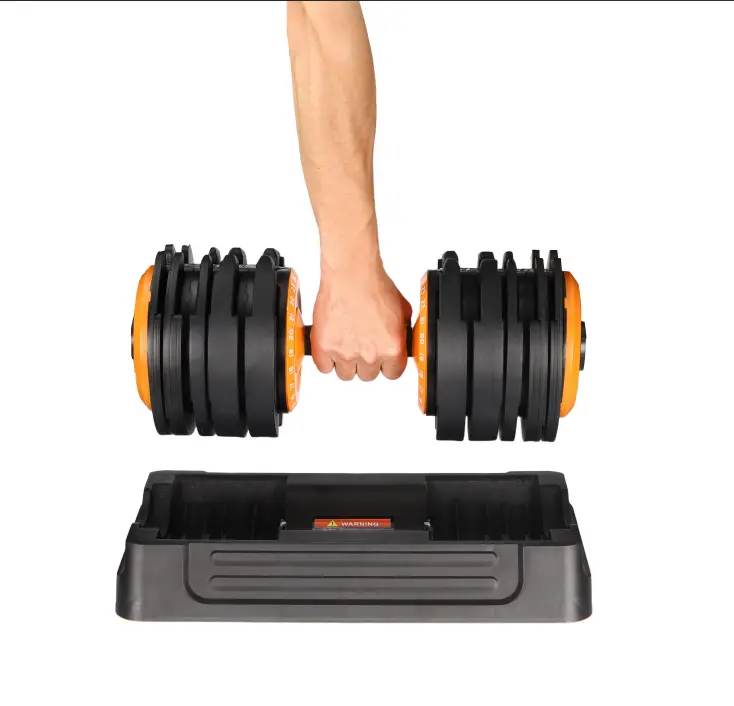
A refurbished dumbbell in a pristine new carton is a complaint waiting to happen if the buyer later finds a scuff. Use a clearly marked open-box carton and a 30-60 day limited warranty sticker so the customer knows exactly what they purchased. Keep the foam inserts from grade A returns and reuse them on grade B units to avoid buying new packaging for every repair.
- Print OPEN-BOX and the grade on the outside of the carton.
- Seal the refurb card inside so the next owner sees the test result.
- Photograph the unit before it leaves the returns bench for your records.
25kg-55lb adjustable dumbbell from China suppliers for high quality home gym equipment factory benefits from a dedicated open-box carton because its larger plates need the thicker foam that new-unit packaging already provides.
Keeping refurbished stock away from the new-product channel
A separate SKU and a separate shelf stop a grade B unit from leaking into a full-price shipment by accident. Channel separation means selling recovered stock through a distinct listing or outlet so it never competes with the new-unit margin you already earned. Most importers run the refurb line through a warehouse-deals page or a gym-chain clearance quote rather than the main catalogue.
- Assign a recovery SKU such as DB25-R so it never mixes with DB25-N.
- Store recovered units on a flagged rack at least 2 m from new stock.
- Report recovery rate monthly so the buy-side can tighten the spec.
25lb adjustable dumbbells from China suppliers for high quality home exercise equipment JB2016 factory model should carry its JB2016 model tag through the recovery SKU so a future return can be traced to the exact production batch.
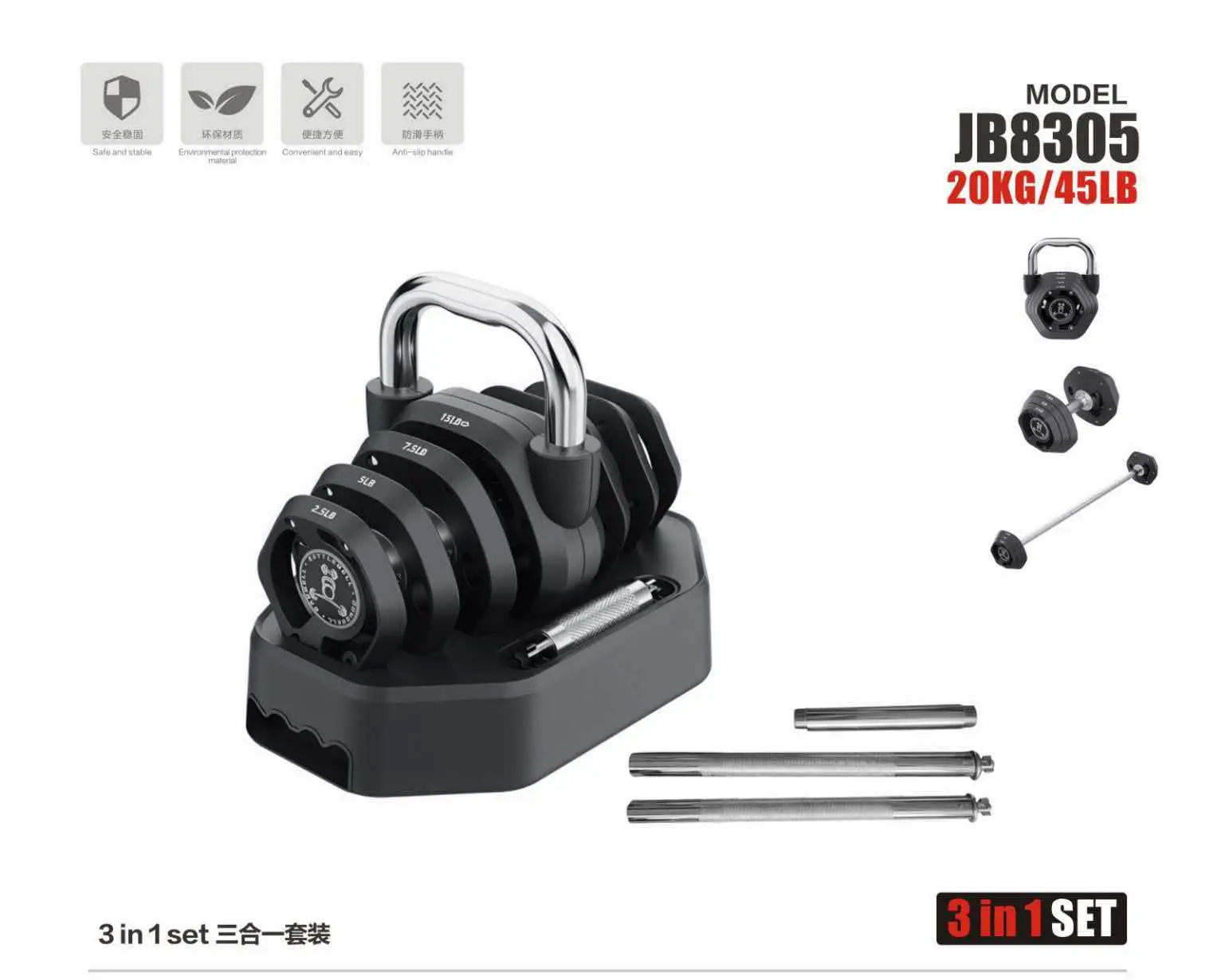
Turning the returns line into margin
Track recovery as a percentage of units returned, and aim to put 15-20% of the returns value back on the books each month. When the grading, the bench test and the open-box channel all run, a pallet that cost nothing to acquire beyond freight can return 1000 USD of resale value after a 2-3 hour labour pass. A simple log that records grade, cycle count and resale price per unit turns the whole workflow into a number the buy-side can defend in the next supplier meeting. That is margin a competitor who bins the box never sees, and it funds the next container instead of a write-off.