

Adjustable dumbbell strength factory
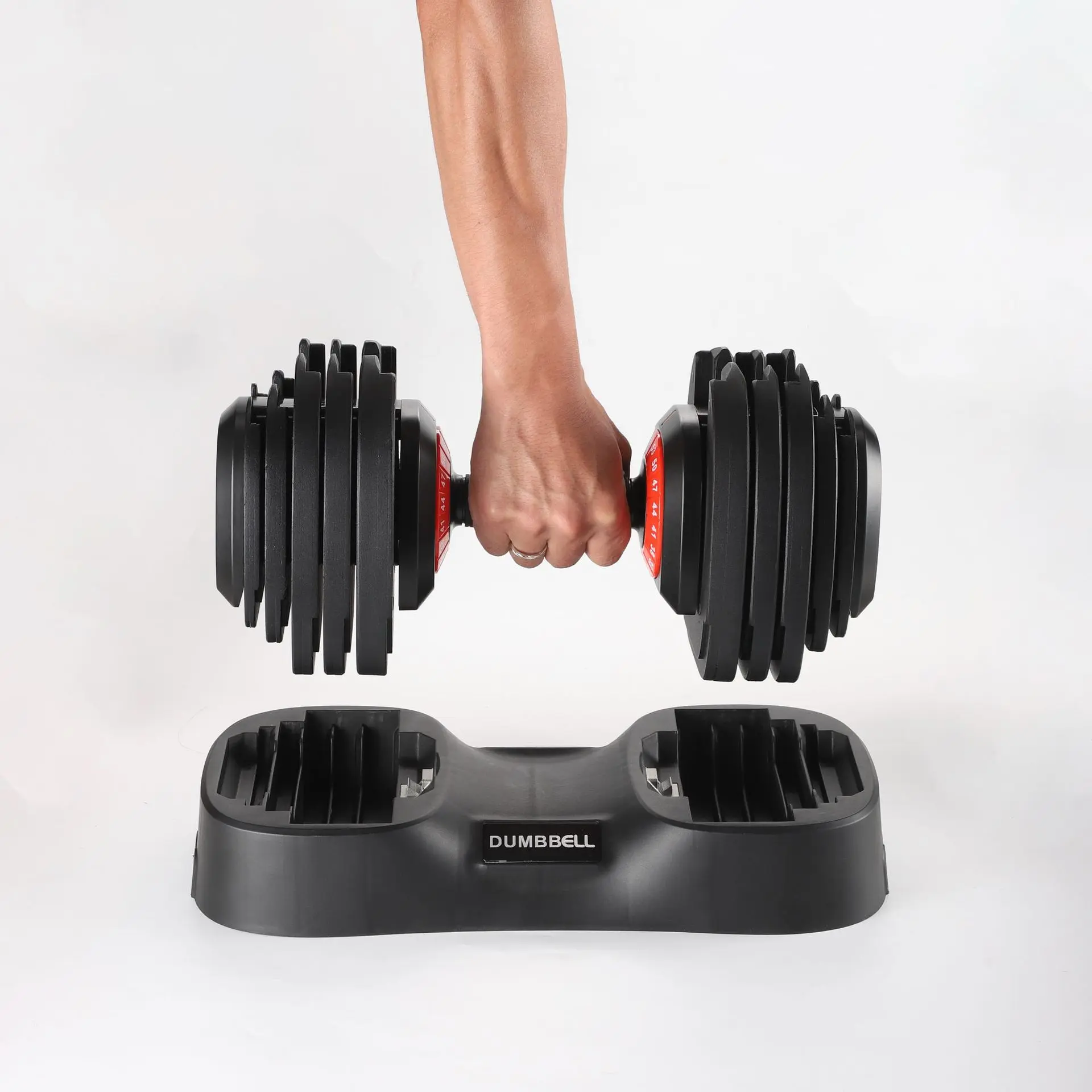
Checking Adjustable Dumbbells for Stiff Dials After a Long Sea Crossing
A fitness distributor takes delivery of a container that has just spent 30 days at sea, then finds stiff selector dials on several Adjustable Dumbbells, weight plates that are mis-seated on the heaviest set, and a mobile rack with a binding caster. Nobody agreed an arrival function check before the booking, so the distributor has no baseline and the supplier questions every photo. An adjustable dumbbell receiving inspection that starts at the dock is what separates a real defect from a cold-metal complaint.
Why a 30-Day Sea Crossing Changes the Receiving Check
Sea freight moves metal through temperature swings that tighten plastics and grease. A selector dial that turned freely in the factory can stiffen after weeks in a container, and a caster that rolled on the showroom floor can bind in the corner of a pallet. A stiff selector dial reported three weeks after delivery, with no arrival test on file, is almost always blamed on the supplier and almost never paid. The test you run at the dock is the only number both sides trust.
The cheapest fix is a 48 h warm-up to ambient temperature before you test, because testing cold metal records a complaint that disappears once the grease reaches room temperature. Write that warm-up into the receiving instruction so the clerk waits instead of rejecting.
What Does the Arrival Function Test Actually Check?
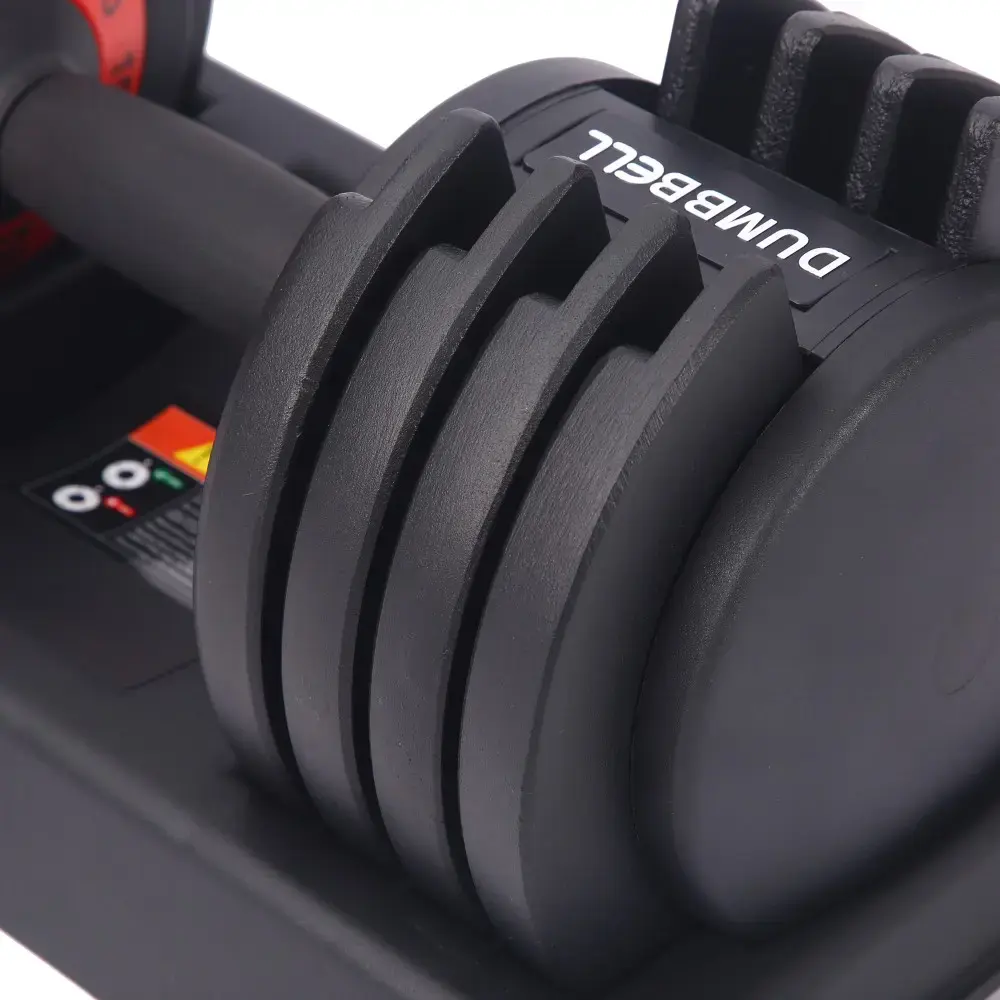
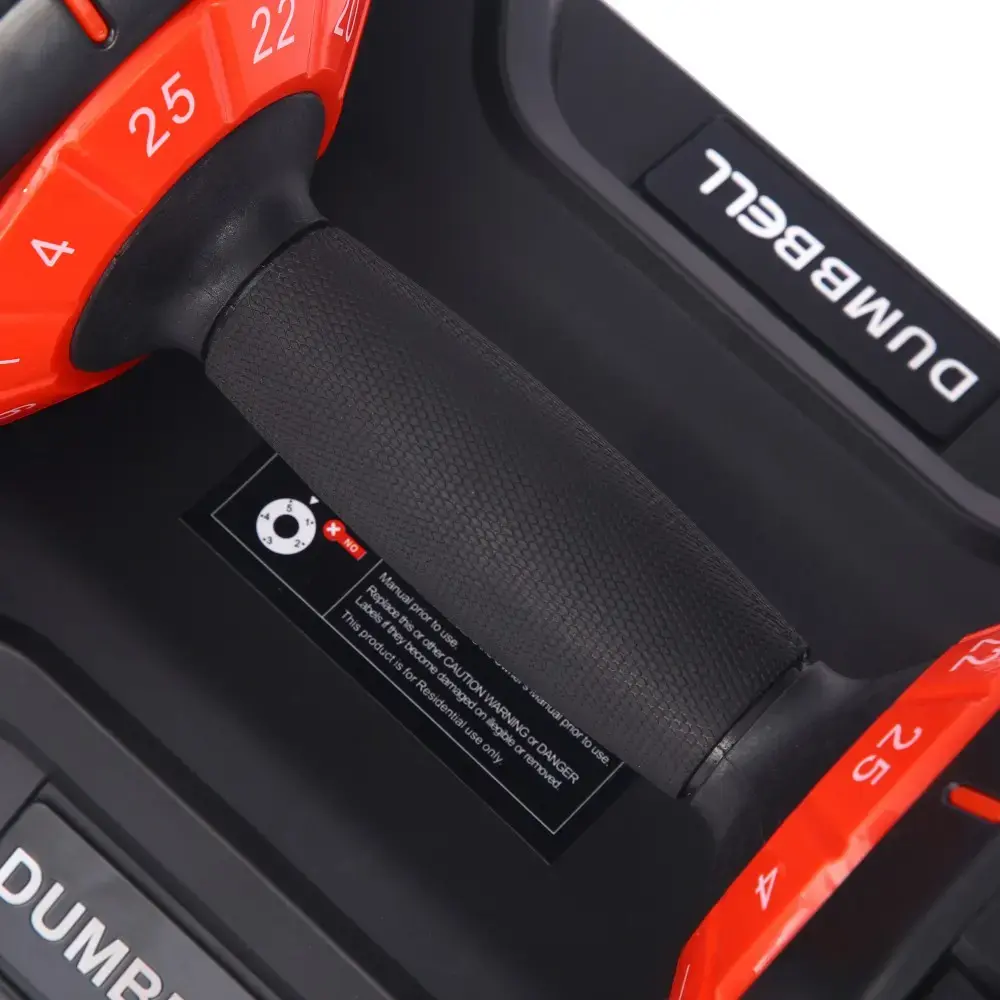
The receiving function test has a clear list. Draw 8 units per pallet. Cycle every weight increment on each unit and log the dial torque. Confirm the minimum and maximum settings on a 25kg 56lb adjustable dumbbell and on a 125kg 275lb adjustable dumbbell. Check that the locking pins fully return. Measure the adjustment force. Verify the quick-change plate seating on the automatic 25 lb model. Load-test the mobile rack shelf and its casters.
Note that a 12-16 increment sweep on each unit is what proves the dial is not just stuck at one stop, because a single-click test can miss a stiff band in the middle of the range. Log the torque at the top, middle and bottom of the sweep so a later claim has a comparable number.
The Per-Model Checks That Catch the Real Defects
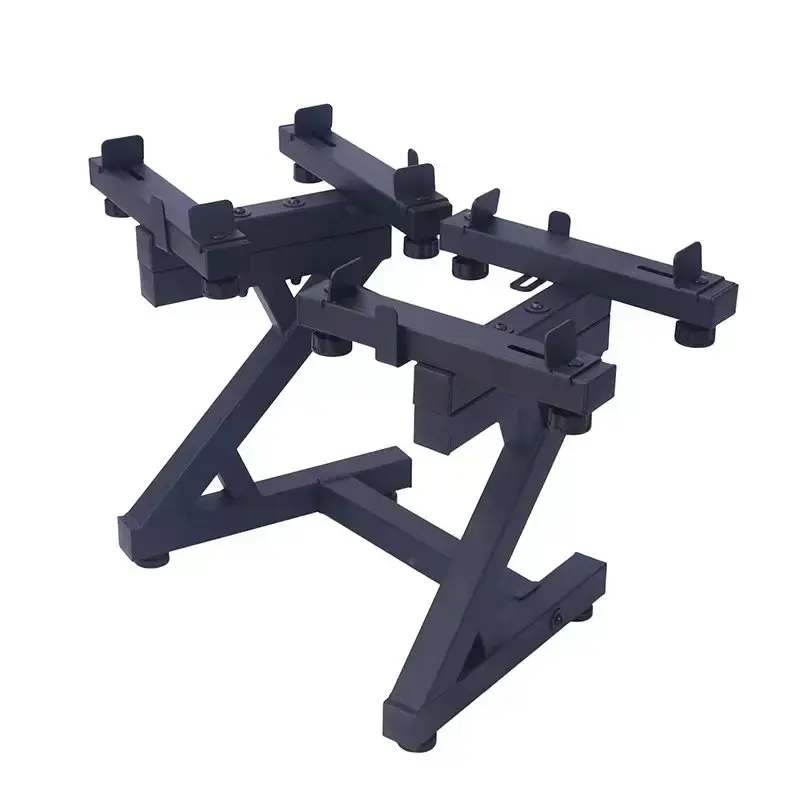
The China adjustable mobile Dumbbell Rack is where the binding caster shows up, so the load test on the shelf and the swivel of each caster is the check that matters.
China adjustable mobile dumbbell rack with high-quality fitness equipment should be loaded to its rated shelf weight and rolled across the floor, because a caster that binds under load is the defect a visual glance at the dock will always miss.
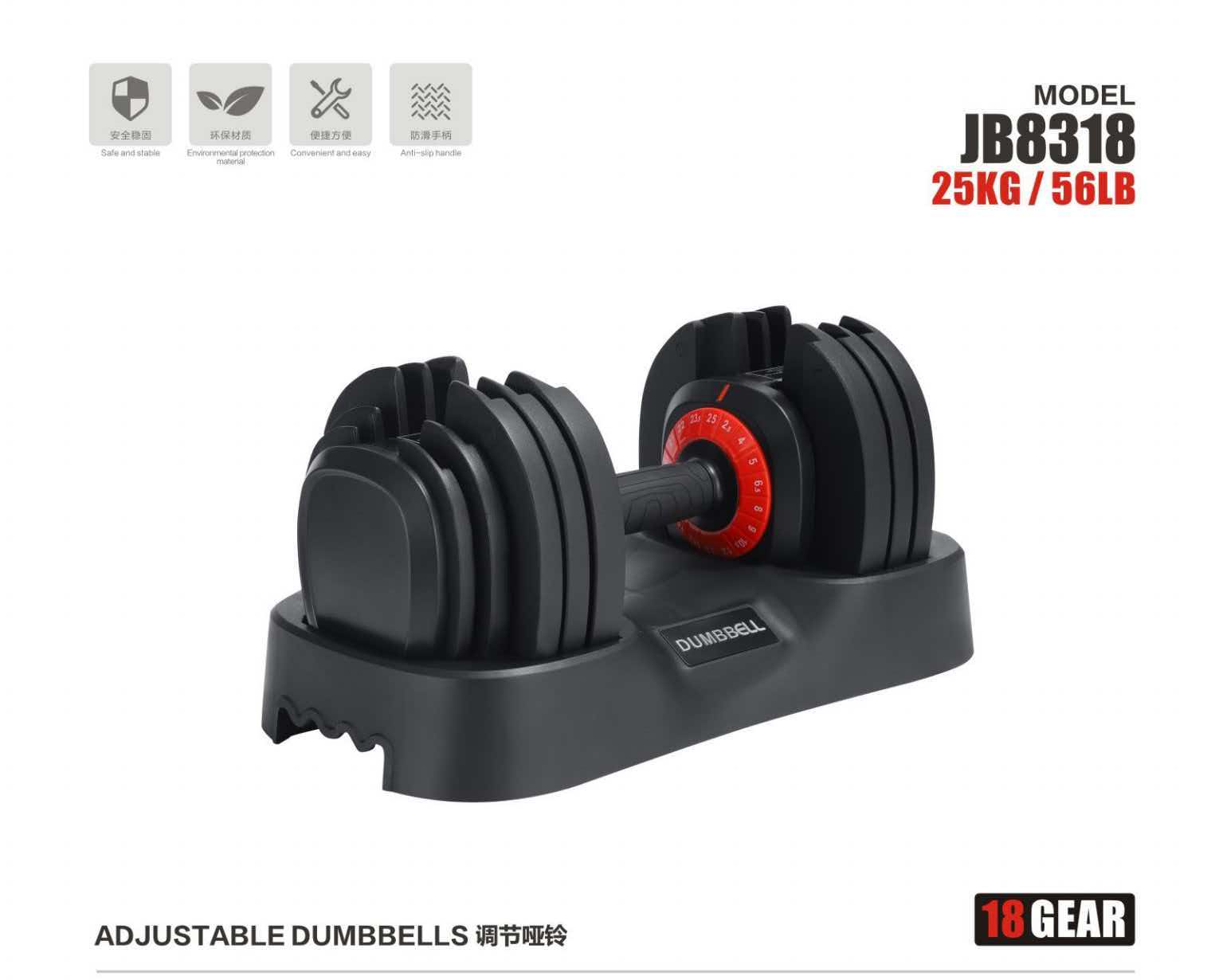
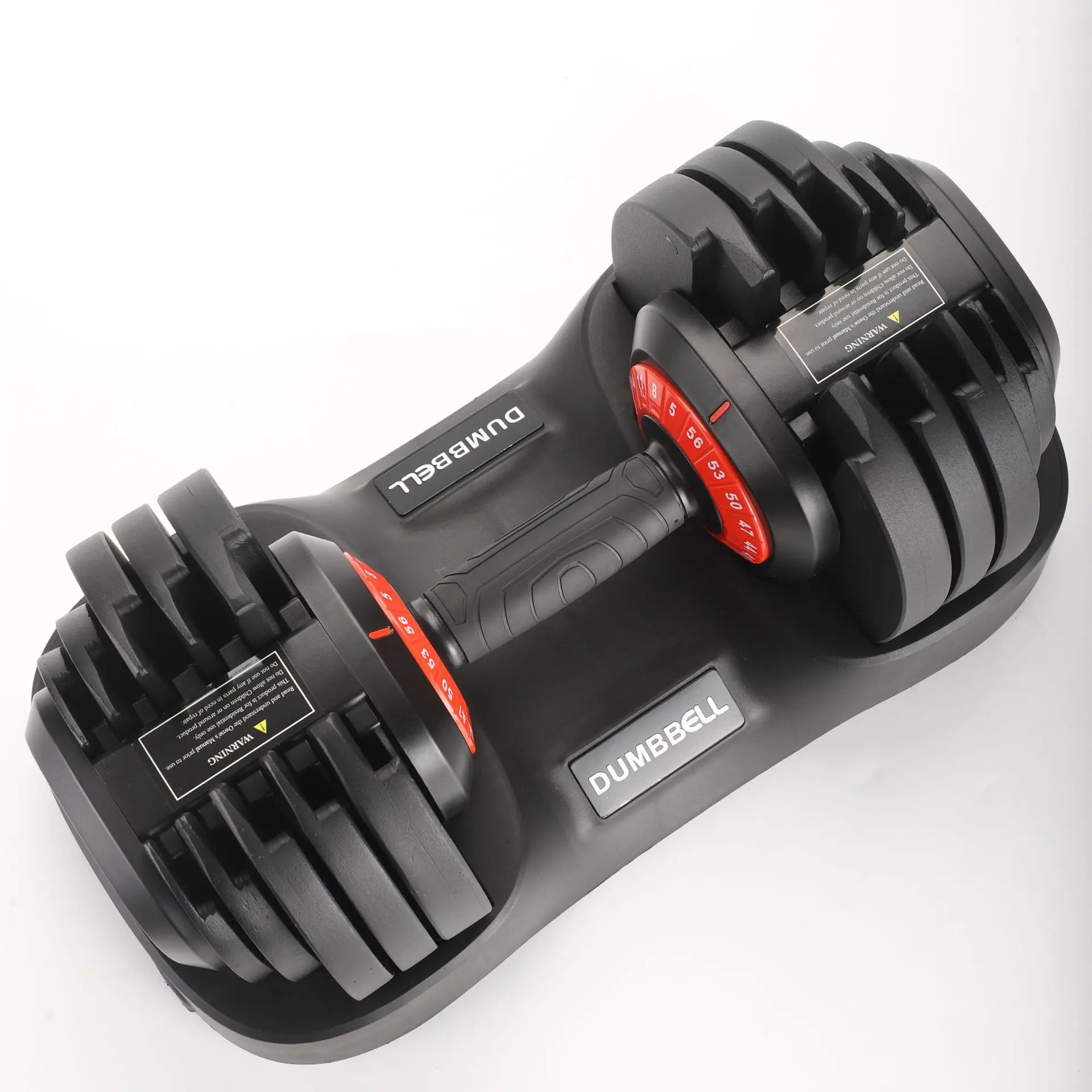
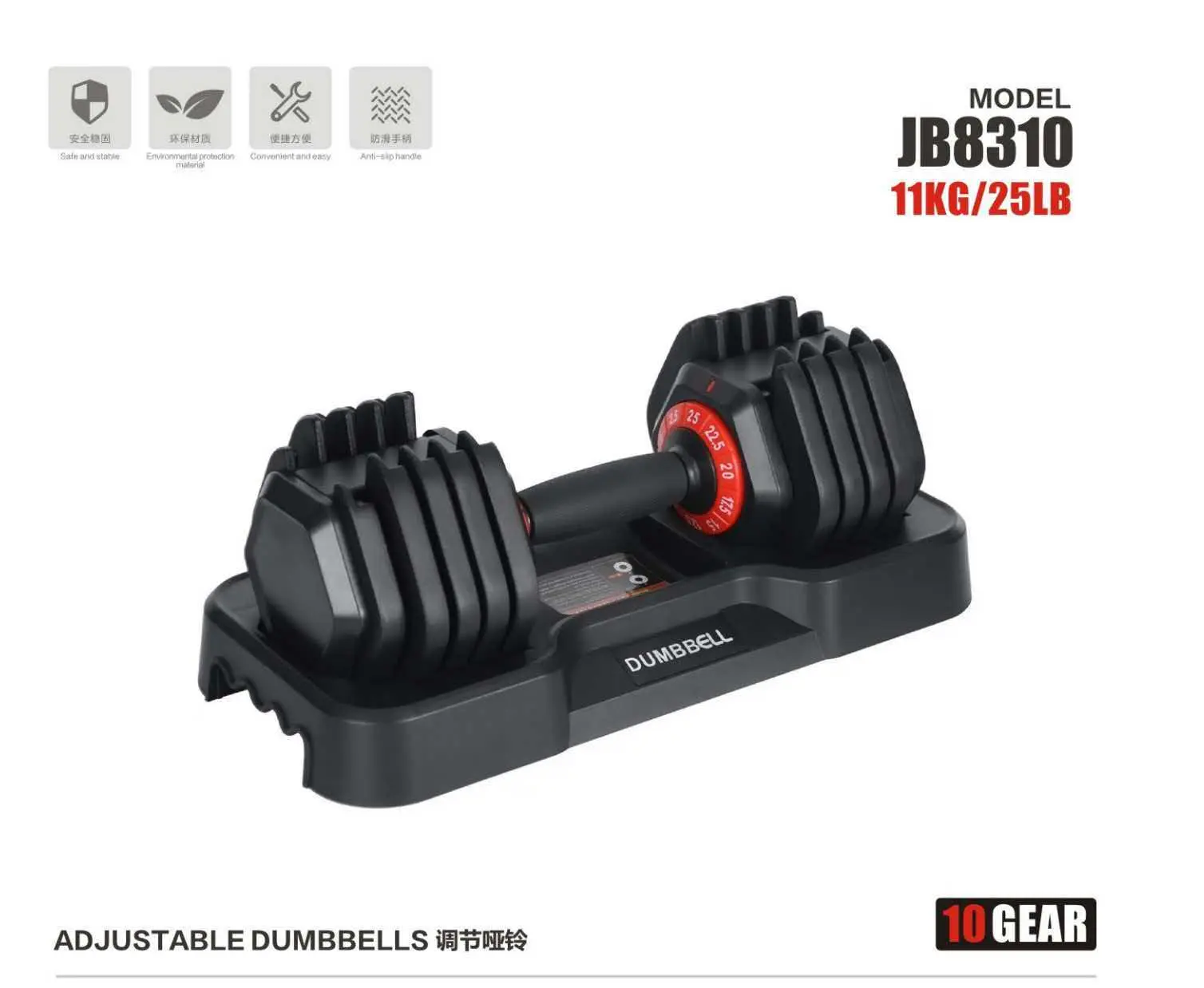
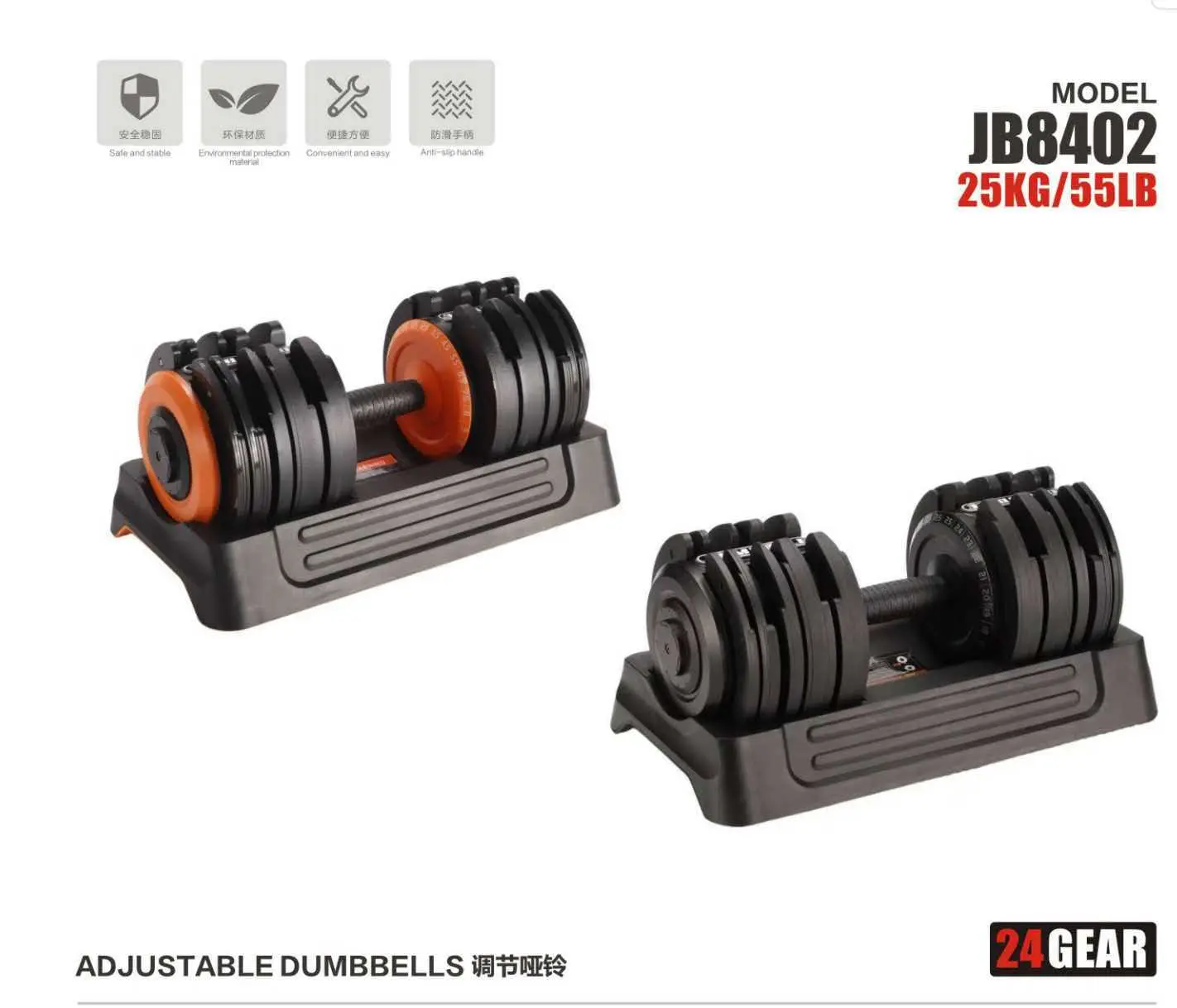
The 25kg 56lb adjustable dumbbell for supermarkets and gyms is the unit where the minimum and maximum stops get confirmed first.
25kg 56lb adjustable dumbbell for supermarkets and gyms needs both end stops cycled and logged, because a dial that will not reach the top increment is a spec failure the buyer can prove with one photograph.
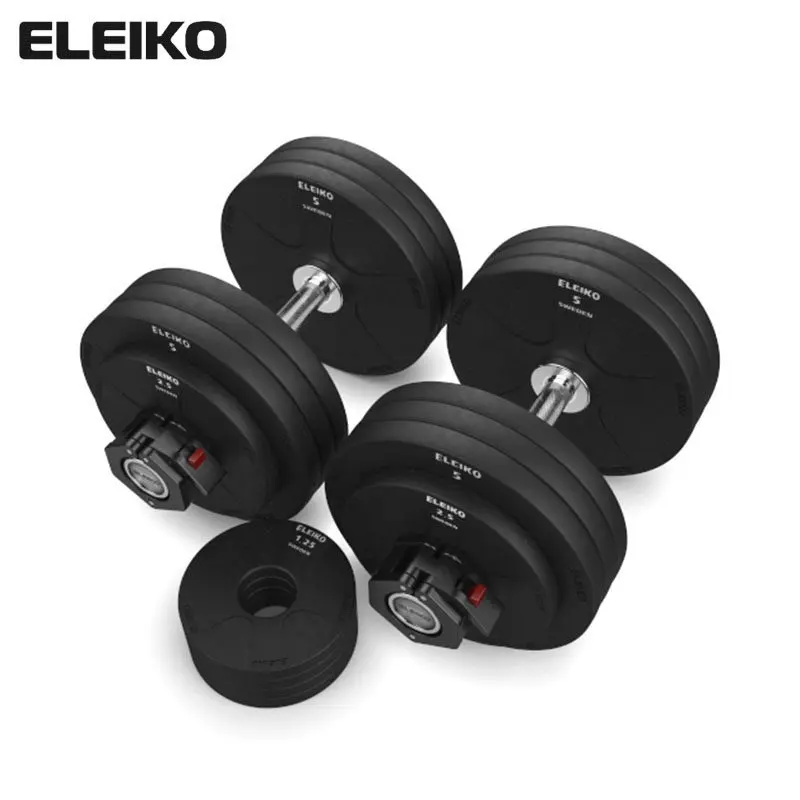
The 125kg 275lb premium adjustable dumbbell is the heaviest set, and the one where mis-seated plates appear.
125kg 275lb premium adjustable dumbbell from China suppliers should have every plate seated and the max setting confirmed, because a mis-seated plate at the top of the range is a safety defect, not a cosmetic one.
A mis-seated plate that passes the dock unseen becomes a dropped-weight incident on the gym floor, and that is a liability no distributor wants on the file.The adjustable Cast Iron Dumbbell Set 25kg is where adjustment force is measured.
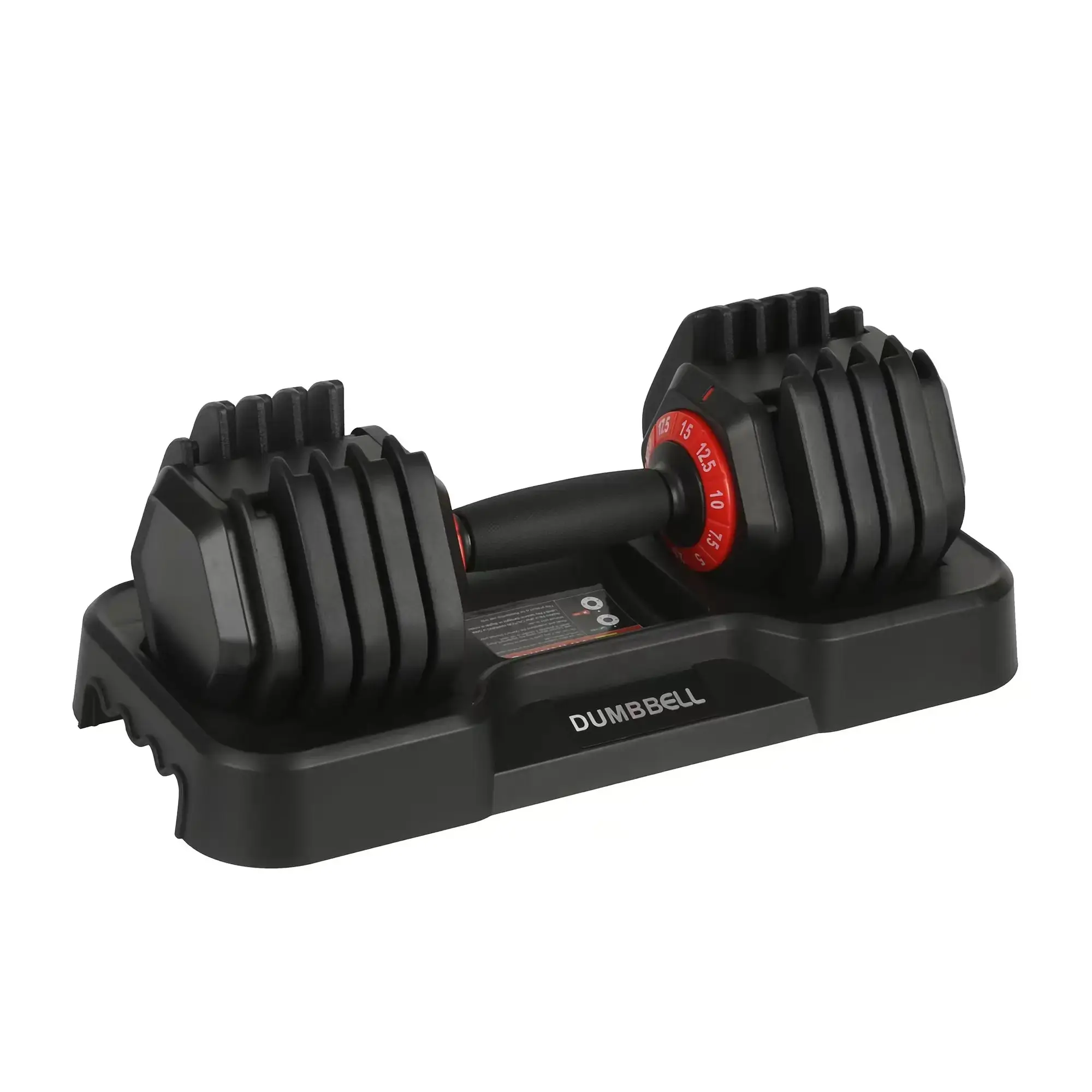
adjustable cast iron dumbbell set 25kg quality fitness equipment should be cycled and the force recorded, because cast iron parts need a firmer seat than plastic-cased units and the reading separates a break-in from a fault.
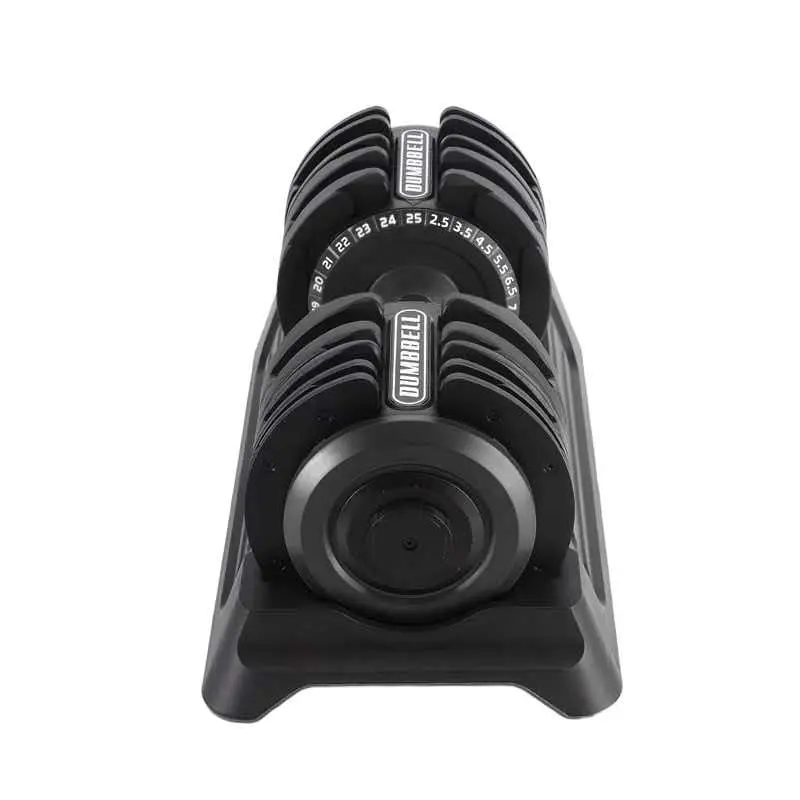
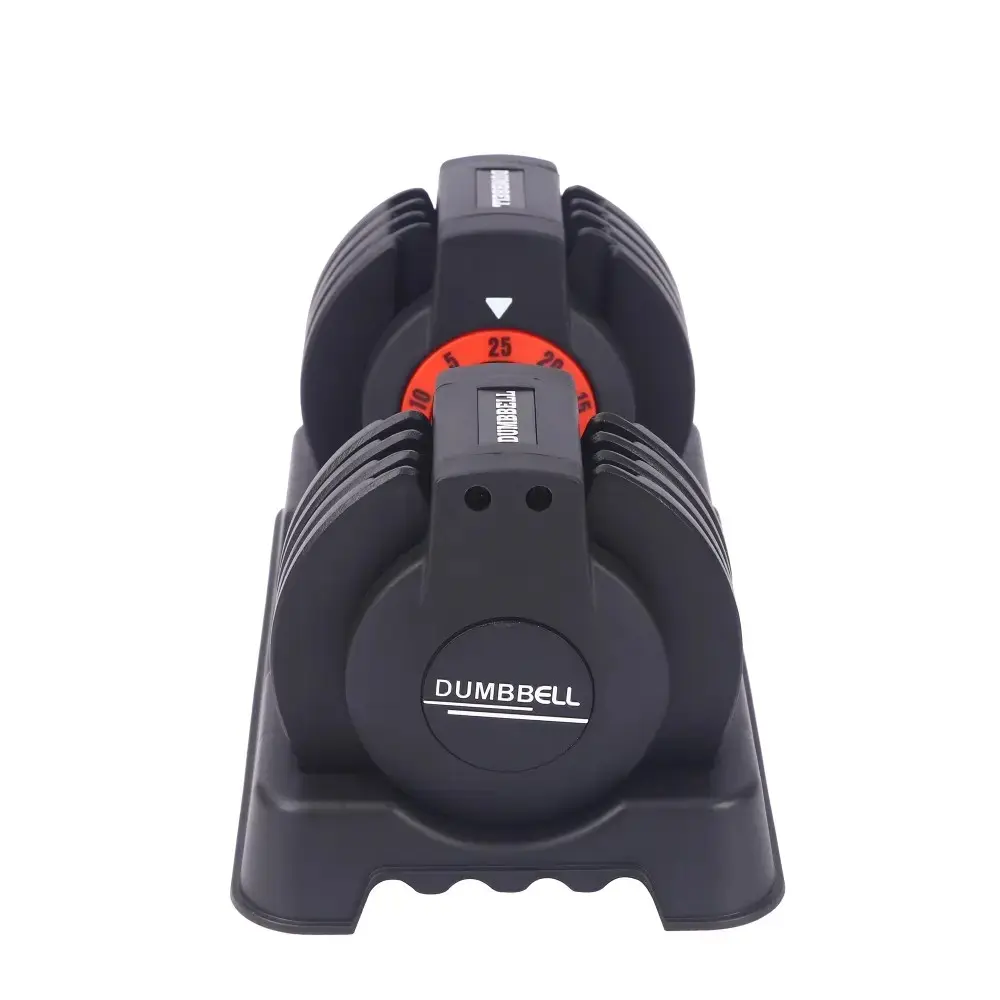
The 25lb automatic adjustable dumbbells quick-change system is where plate seating is verified.
25lb automatic adjustable dumbbells quick-change system for efficient strength training needs the quick-change plate seating checked on every slot, because a plate that sits proud of the stack jams the next change and reads as a stiff dial to the user.
How Do You Keep the Dock Moving While Testing?
Apply AQL 2.5 and draw 8 units per pallet rather than opening the whole container, and the receiving bay keeps moving. The 8 units should spread across pallets and across the weight range, because a defect that only hits the heaviest set will hide in a sample drawn from the light end. Hold one retain unit for 90 days so a late failure can be compared to a fresh example.
Set the target stiff-dial rate below 3 percent in the purchase order, because a number with no target is just a complaint and the supplier has no line to meet. A 90-day retain unit gives you the reference when a customer reports a stiff dial in month two.
The Records That Back a Stiff-Dial Claim
Every failed unit needs a dated photo, a lot number and the logged dial torque, or the claim stalls. A claim filed after the 15-day window with no photo log is almost always rejected, even when the dial really is stiff. Tie the 15-day claim window to the dock photo log, and keep the torque sheet with the retain unit so the comparison is instant.
The dumbbell rack caster test result belongs on the same sheet as the dial torque, because a binding caster and a stiff dial are often the same cold-metal story told twice.
A Short Receiving-Bay Checklist
- Warm every unit 48 h to ambient temperature before any function test begins.
- Draw 8 units per pallet and cycle all 12-16 increments, logging dial torque.
- Confirm min and max on the 25kg 56lb and 125kg 275lb sets, and check locking pins return.
- Verify quick-change plate seating on the 25lb automatic model and load-test the rack casters.
- Hold one retain unit 90 days and file any claim inside the 15-day window with a photo log, targeting a stiff-dial rate below 3 percent.
A receiving function test after a long sea crossing is not extra work. Warm the units 48 h, sample at AQL 2.5, log the dial torque and keep a 90-day retain unit, and you turn a stiff-dial surprise into a measured claim the supplier cannot wave away. Distributors who test at the dock protect both the shelf and the margin.