

Adjustable dumbbell strength factory
Using Sell-Through Data to Plan a Second Adjustable Dumbbell Container
A distributor sold through the first container of Adjustable Dumbbells in 14 weeks, but the 25 lb weight band was gone in 6 weeks while two other bands still sat in the warehouse with dust on the cartons. The second purchase order is where margin is won or stranded, and the decision has to come from weekly unit sales, not from the supplier's catalogue photo. A reorder built on sell-through rate data protects cash and shelf space at the same time, which is the only planning method that survives a 60-75 day sea lead time.
Why a Fast Sell-Through on One Band Hides a Cash Problem
A band that sells out in 6 weeks looks like a win, but if the rest of the container takes 14 weeks to move, the warehouse is carrying dead weight while the popular size is back-ordered. Reordering the whole first mix again strands the same slow bands in stock and leaves the fast band short for another two months of sea transit. The fix is to treat each weight band as its own small business with its own velocity.
The first container is a free market test you have already paid for, so read it before you commit the second. Pull weekly units by SKU and by weight band, because a blended average hides the fact that one band carried the whole programme. An adjustable dumbbell reorder should be built band by band, not as a whole-container repeat of the first mix. A fitness equipment importer who plans the second container from a single total number will repeat the exact imbalance that tied up cash the first time.
What Weekly Units by SKU Tell You Before You Reorder
Weeks of cover is the single most useful number on the planner's screen. Divide the units left in stock by the average weekly units sold, and a band showing 2 weeks of cover is a reorder now while a band showing 12 weeks of cover is a problem to solve, not a reason to buy more. Set a target of roughly 1.5 cover factor at the moment the container lands so the fast band never runs dry during the 60-75 day transit window.
An ABC classification splits the range into the few bands that drive most revenue, the middle that supports variety, and the slow tail that barely earns its pallet space. Three slow SKUs in a typical first container usually account for under 10% of units moved, yet they occupy the same cubic space as the best sellers. Naming them early is what keeps the second container lean.
The 25 lb home fitness band is usually the volume leader in a residential programme, and the data will confirm it if you track it separately.
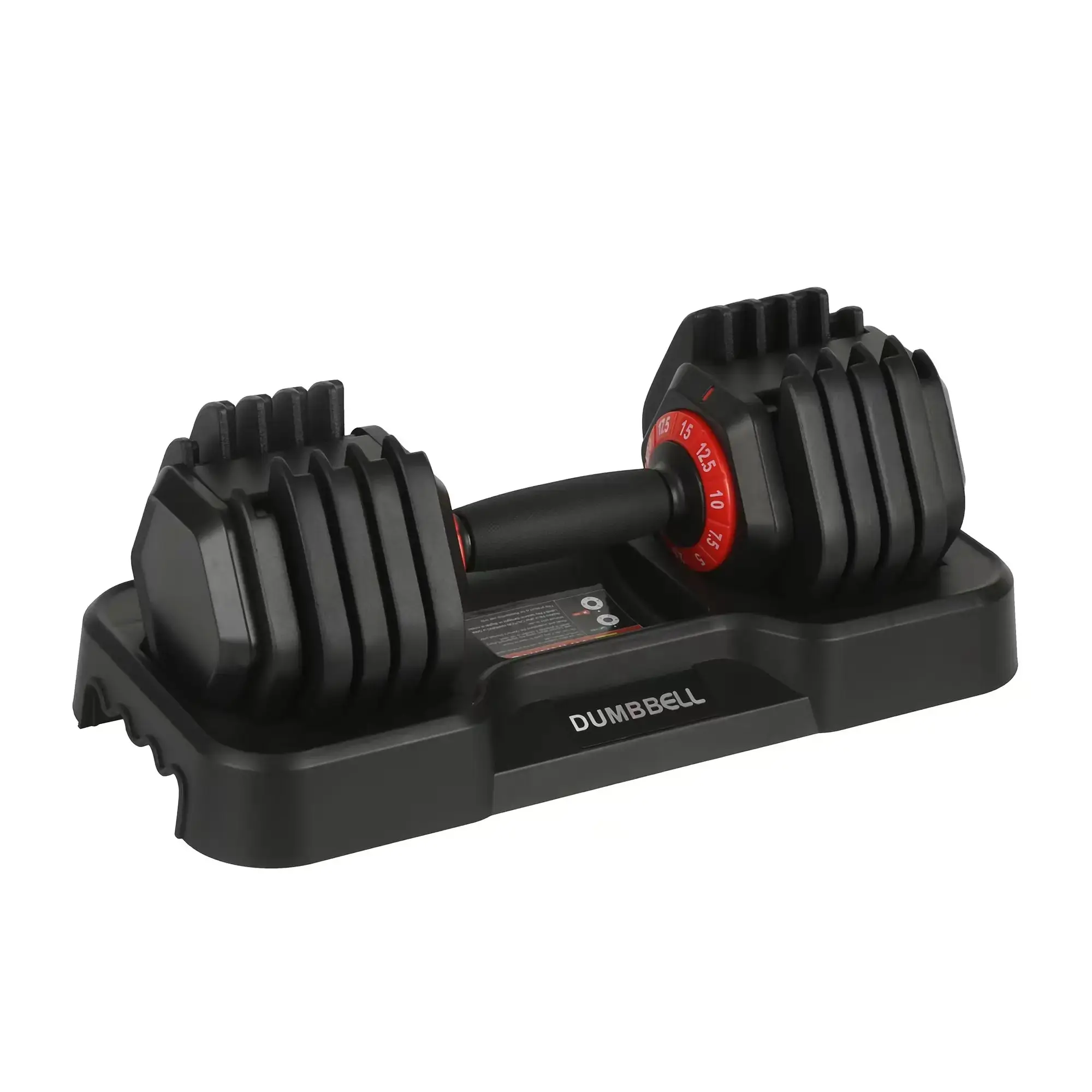
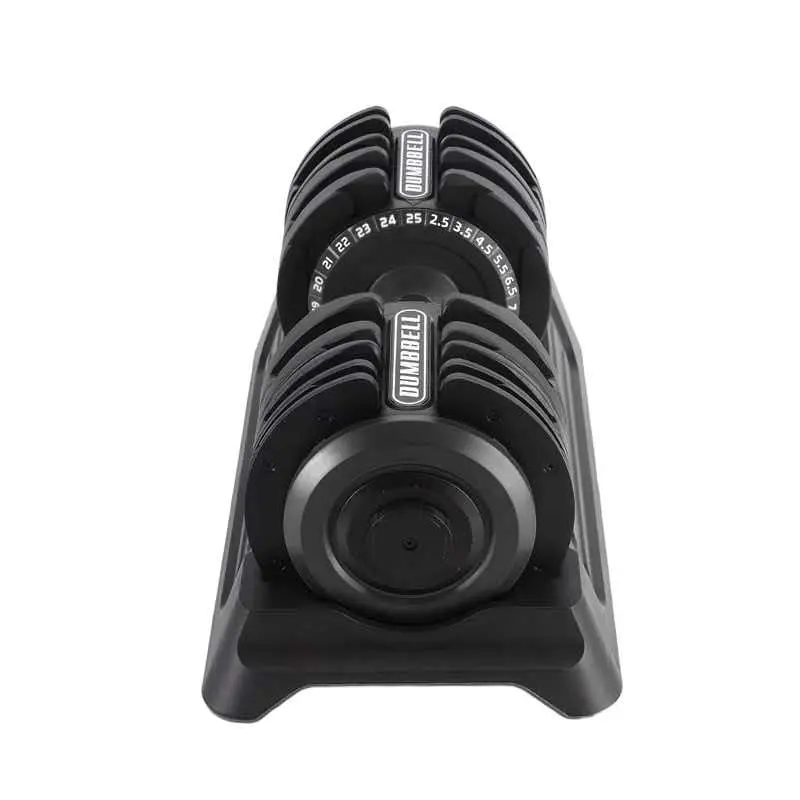
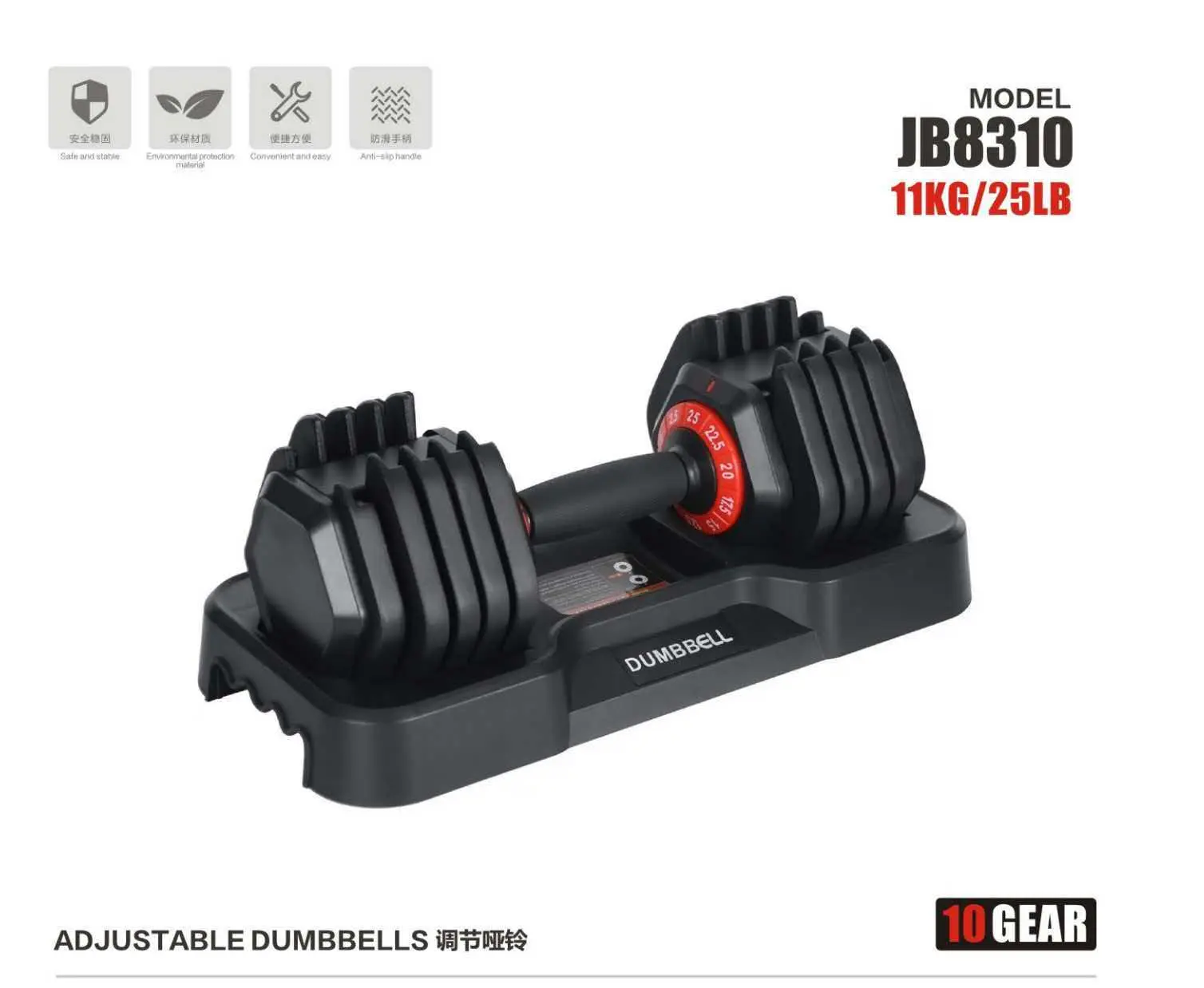
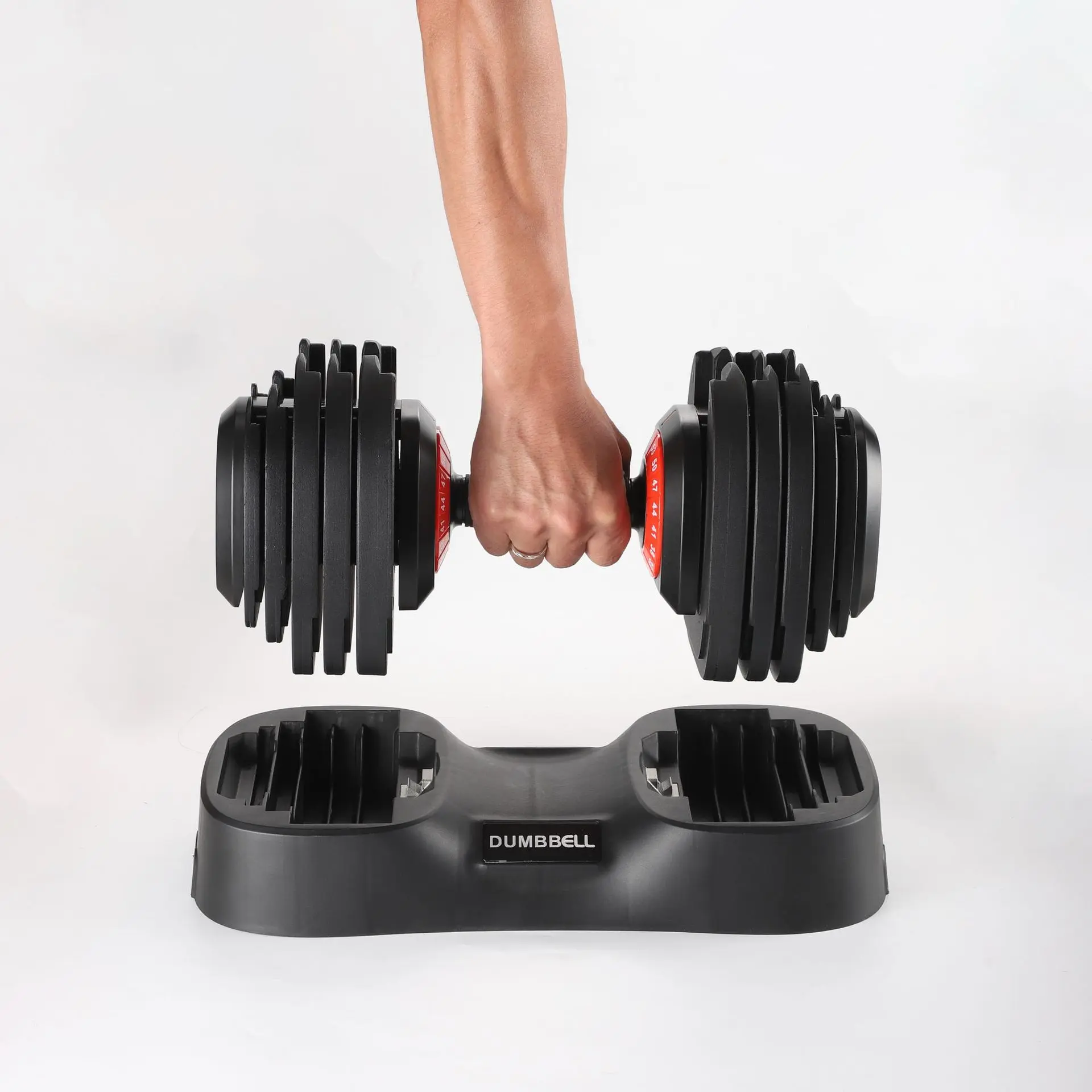
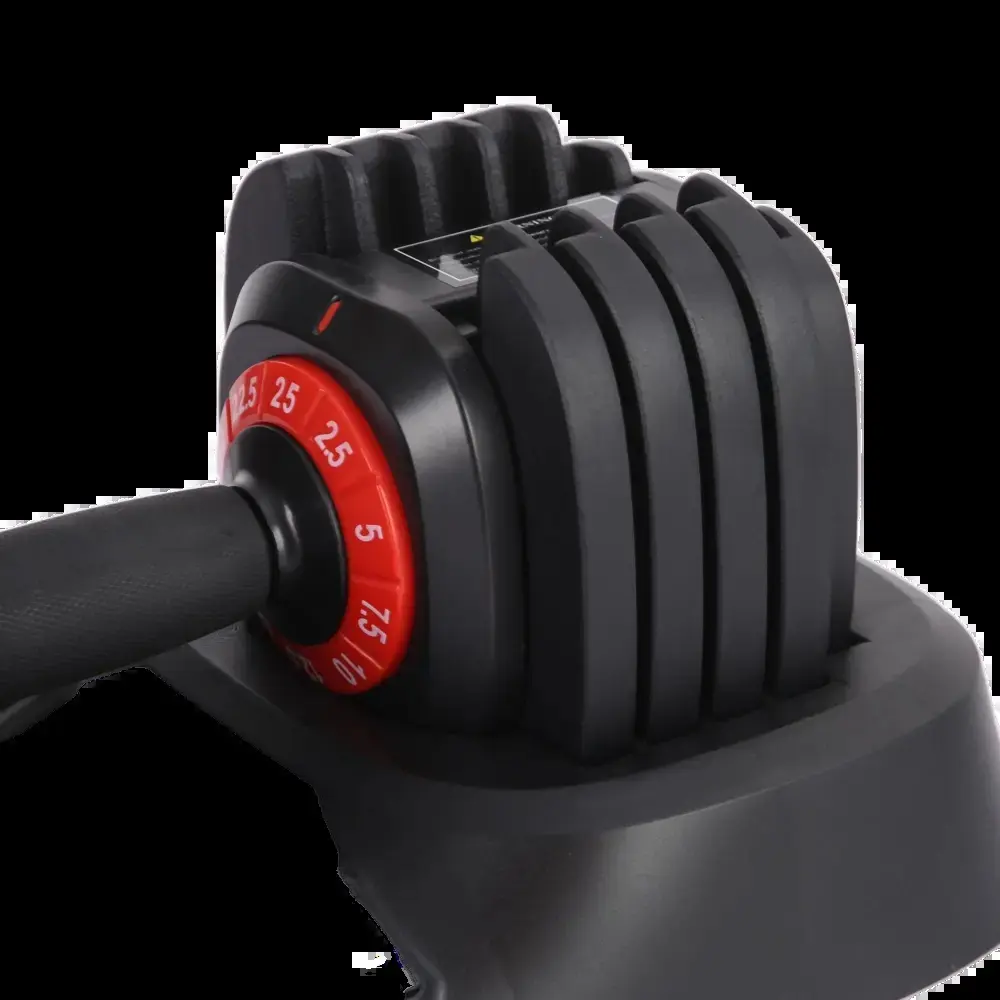
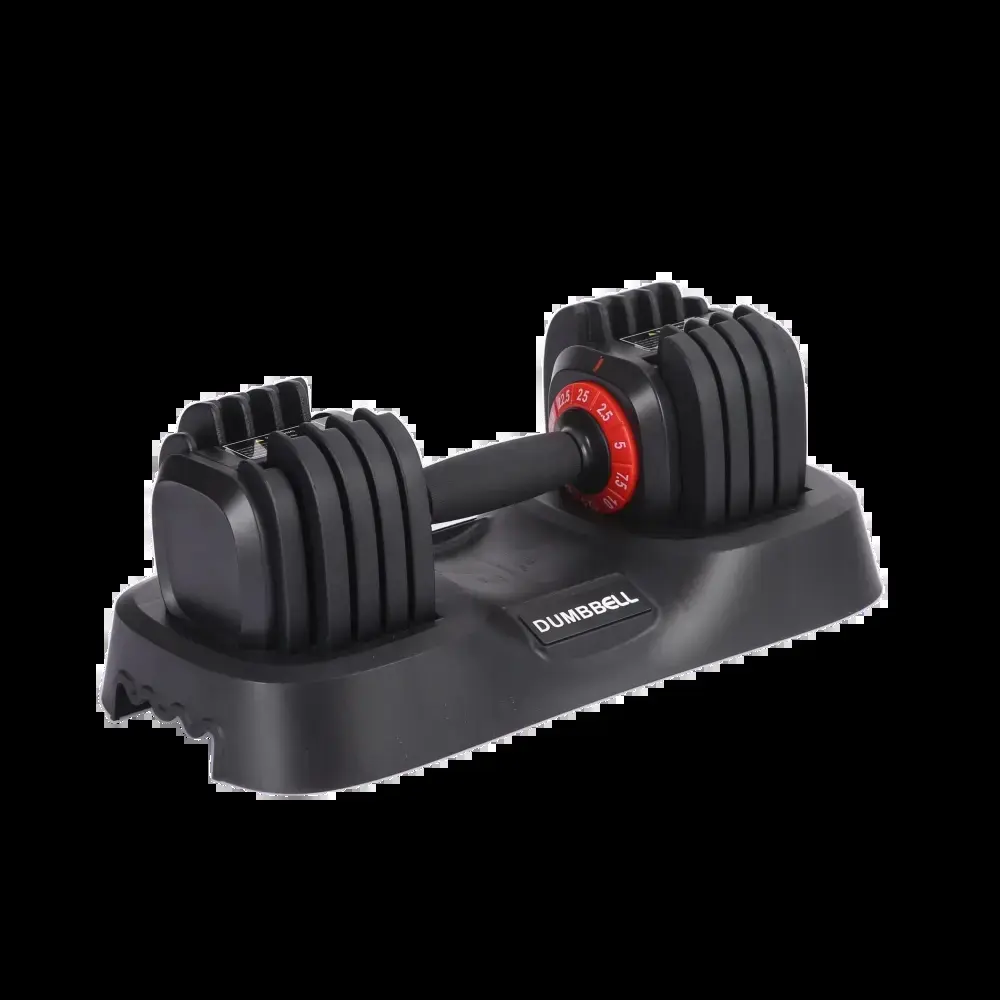
25 lb adjustable dumbbells for home fitness from China factory suppliers deserve their own weekly line in the planner, because the band that sells in 6 weeks should get the largest slot in the second container rather than an equal share of the cube.
How to Turn Weeks of Cover Into a Reorder Point
A reorder point is simply lead time demand plus safety stock, written as a unit number per band. With an 8-12 weeks lead time by sea plus a 2-week buffer, the safety stock for a fast band should cover at least 10 weeks of sales so a port delay never empties the shelf. Ignoring the sea lead time and reordering only when stock hits zero guarantees a 60-75 day gap that your competitor will fill.
A 25 kg cast iron set occupies more cube per unit than a 25 lb unit, so the container mix has to balance weight against velocity rather than counting pieces. Protect margin by giving the fast, light bands more slots and the slow, heavy bands fewer, because cube on a 20 ft or 40 ft container is the real constraint, not the piece count.
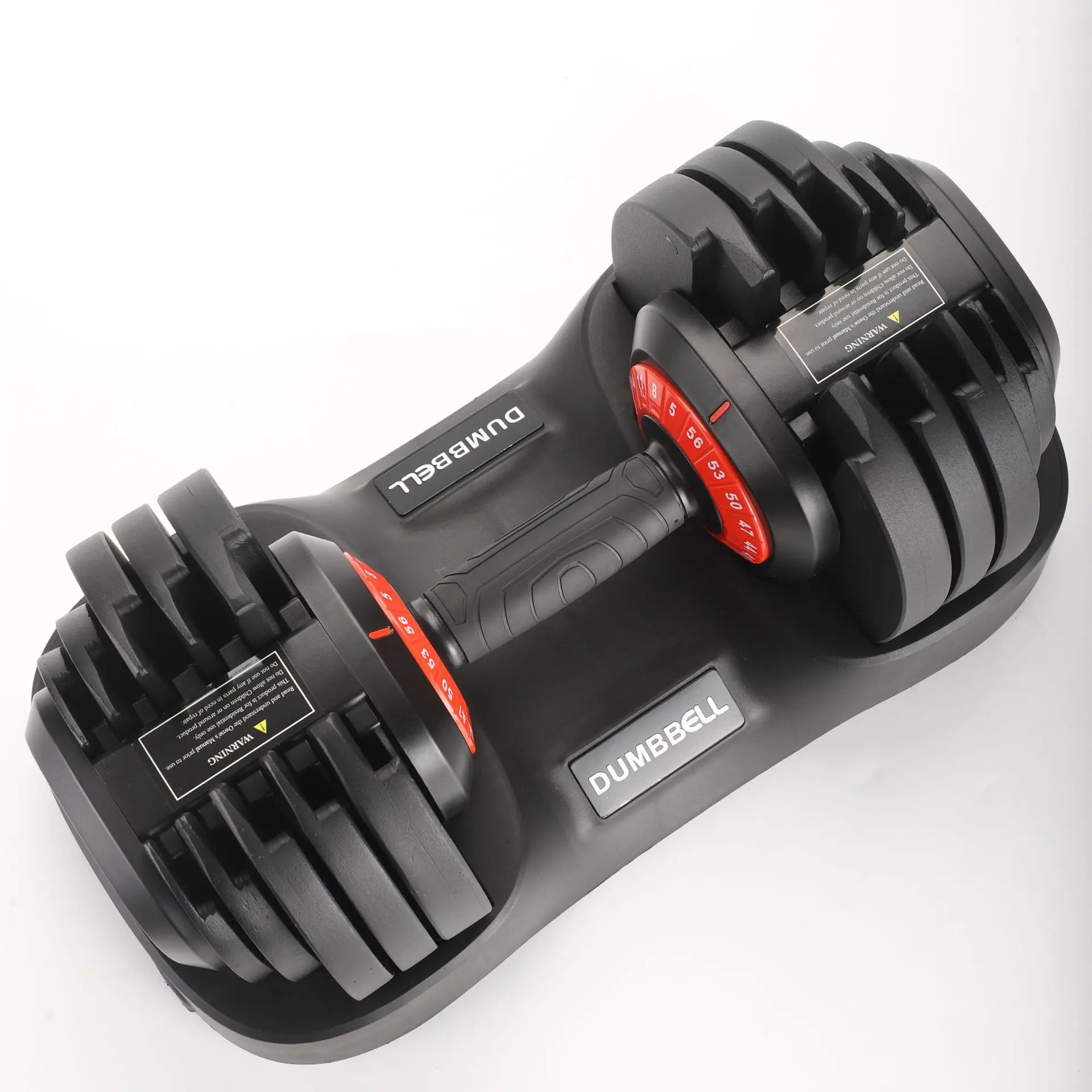
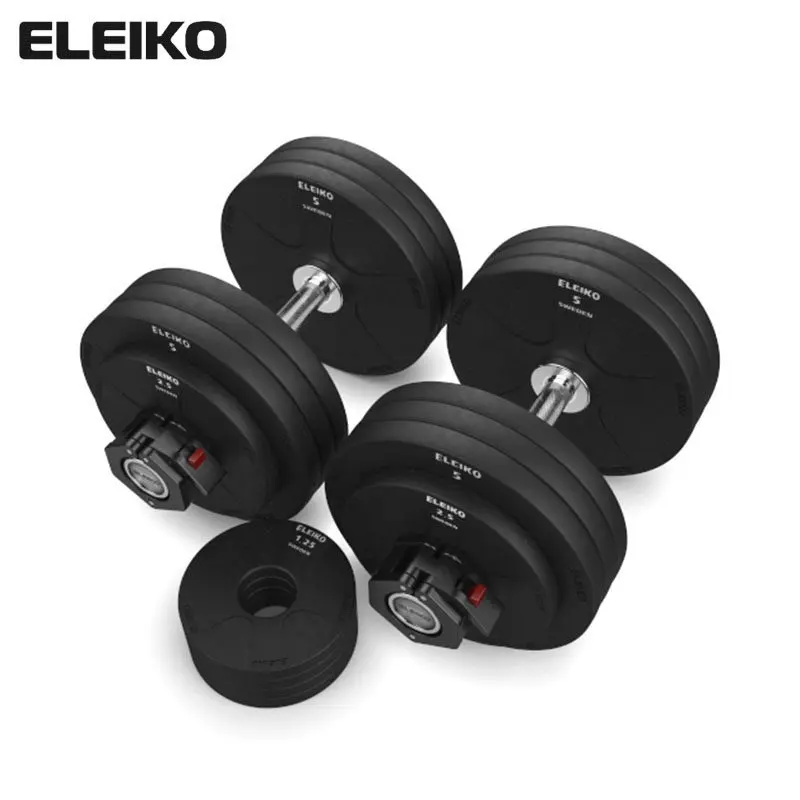
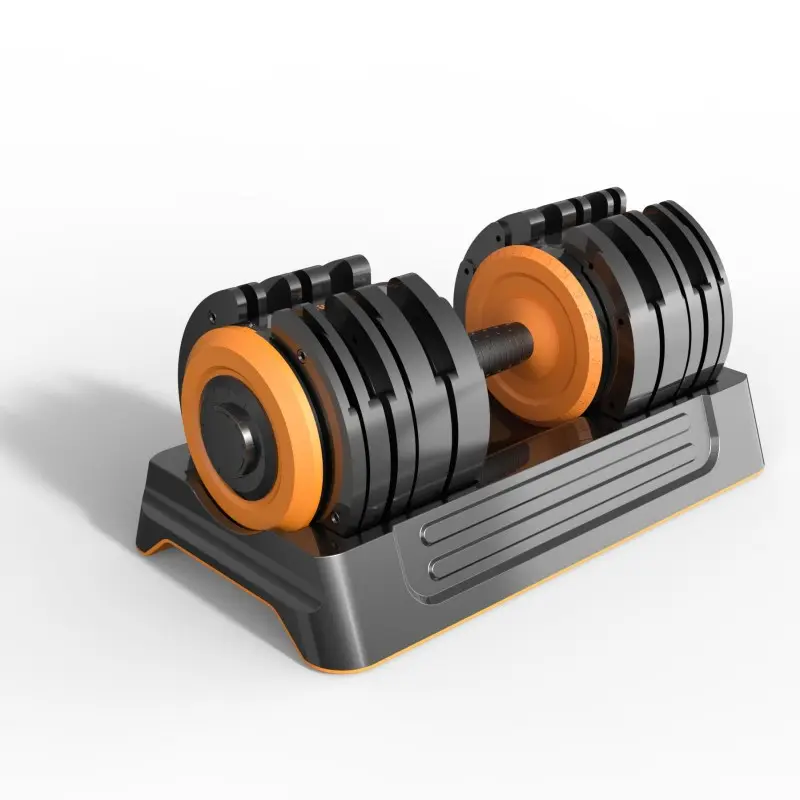
25 kg adjustable cast iron dumbbell set for fitness enthusiasts is the heavy band to watch: if its weeks of cover sit above 10, cut its slot in the second container and let the 25 lb band take the freed cube instead.
Building an ABC Classification From the First Container
The A band gets the biggest second-container allocation and the tightest reorder monitoring, because it is where stockouts hurt most. The B band supports range and should reorder at a normal cadence, while the C band is the candidate for a slow mover discount or a bundle rather than a fresh order. A clear ABC split turns a vague "order more dumbbells" instruction into a numbered plan that a buyer can execute without a meeting.
The 25 lb workout band is the natural companion SKU to the home fitness unit, and the two often share a buyer profile.
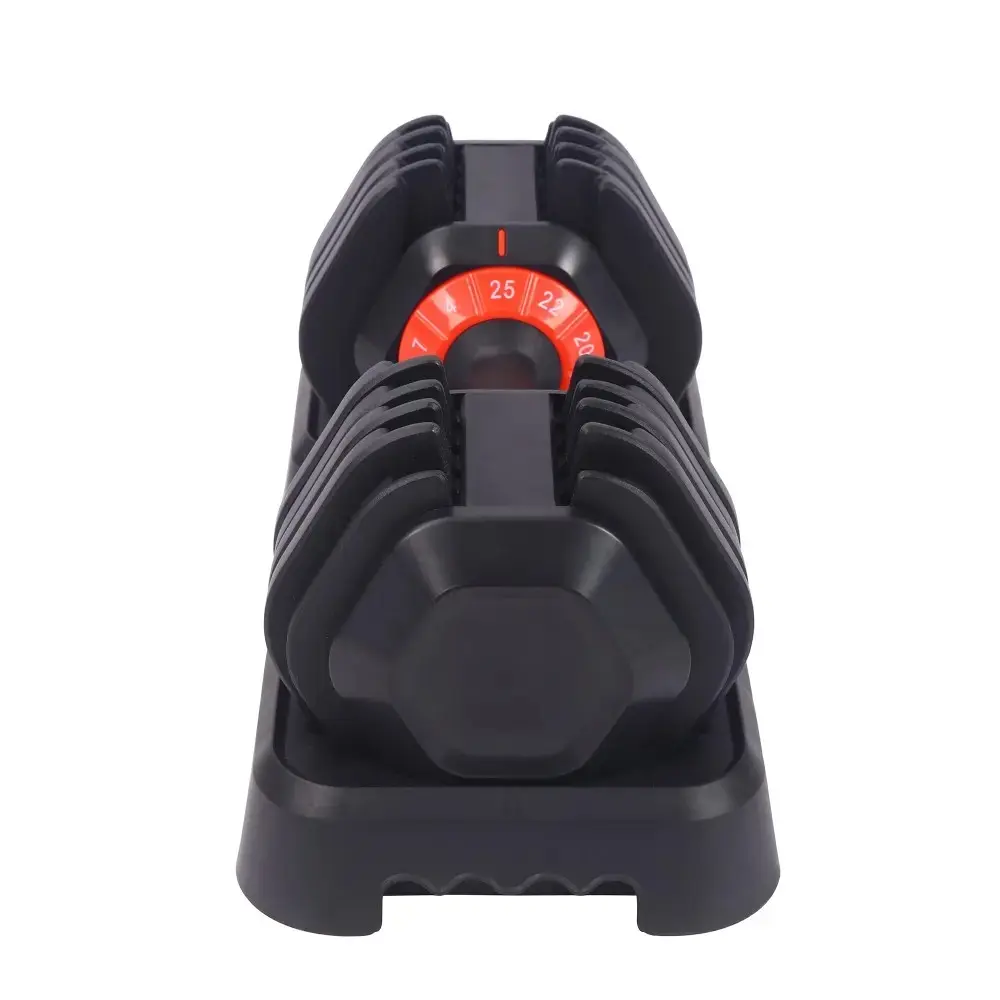
25 lb adjustable dumbbells for home workout equipment should be planned next to the 25 lb home fitness unit, because together they form the A band and deserve the majority of the second container's weight allowance.
Which Weight Bands Deserve a Second Container Slot
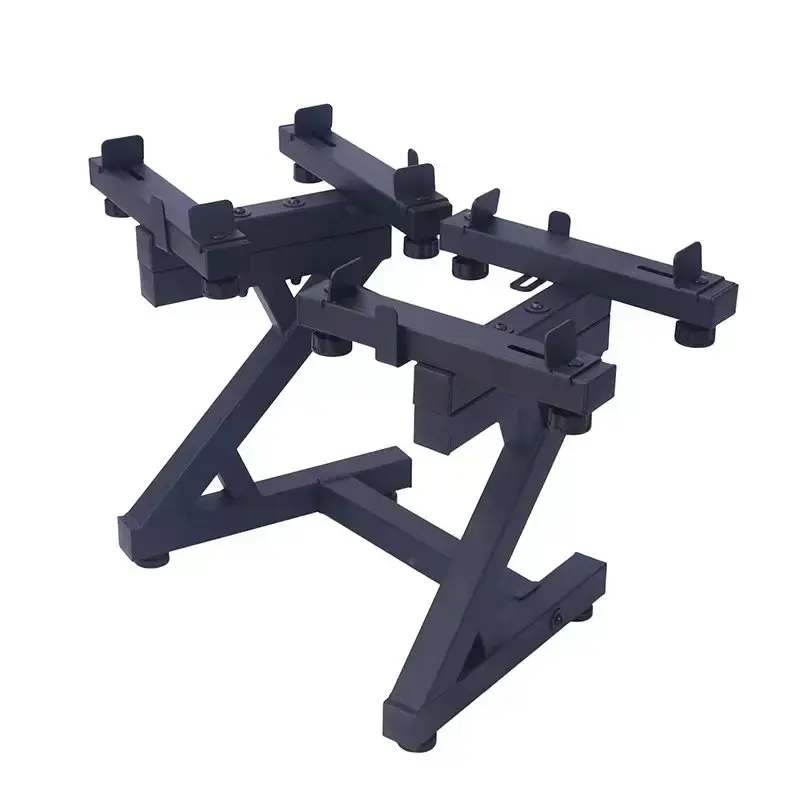
A rack is not a product you reorder, but it is the capacity that decides how many bands you can display at once. If the first container sold well but the showroom looked thin, the second order should include racking so the fast bands stay visible instead of boxed in the back room. A mobile Dumbbell Rack lets a retailer reconfigure the floor as the mix shifts, which is cheaper than reordering the wrong weights.
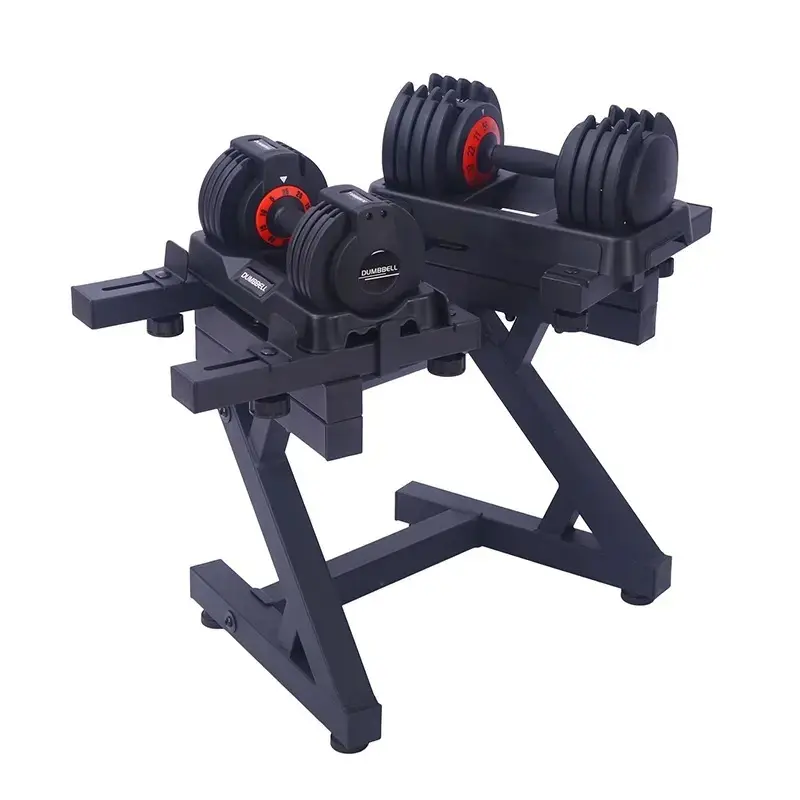
Adjustable iron mobile dumbbell rack for home and gym fitness belongs on the second container when the first one proved the range sells, because display capacity is part of the sell-through story, not a separate purchase.
The premium 25 lb home workout unit is the margin product in the A band and should not be dropped to make room for slow movers.
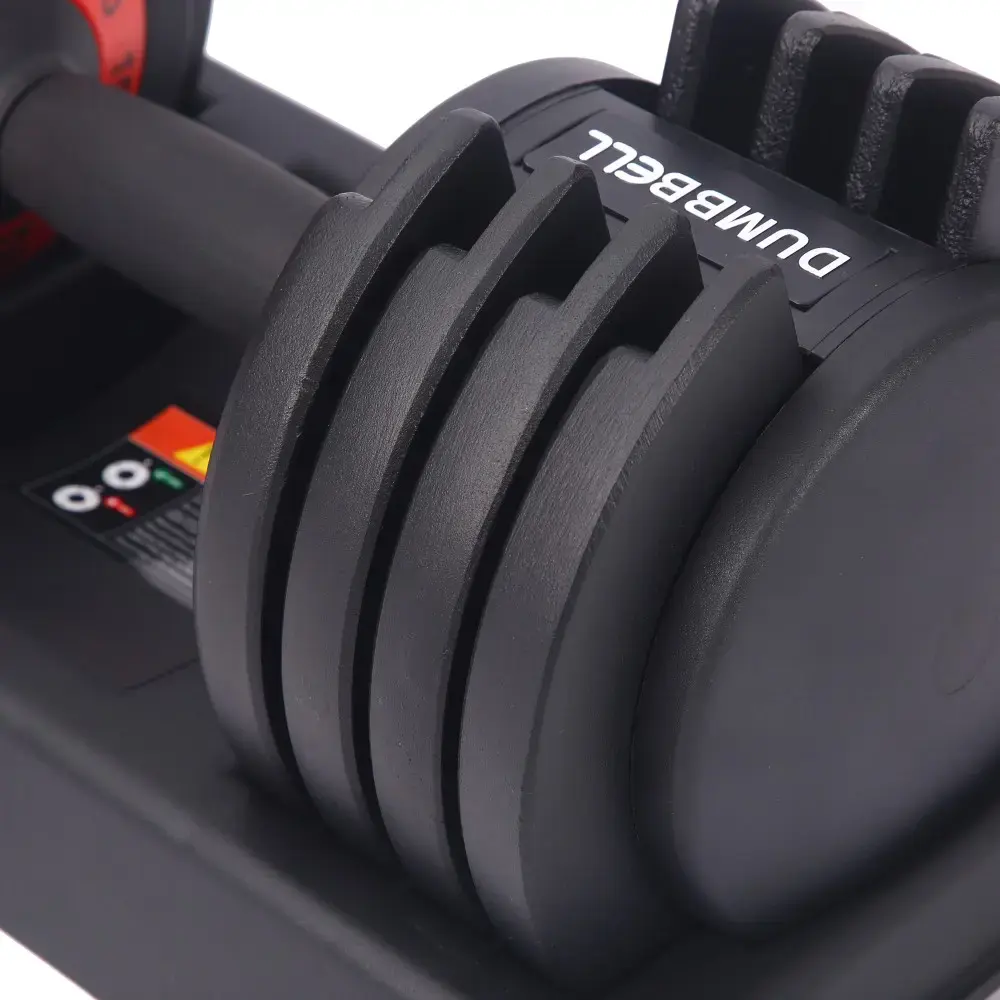
Premium 25 lb adjustable dumbbells for home workouts from China factory earn their slot through pull rate, and the planner should defend that slot against any pressure to add another slow band just to fill the cube.
Can a 60-75 Day Sea Lead Time Change the Mix
The longer the sea lead time, the more safety stock you need and the fewer slow bands you can afford to carry. A 60-75 day window means the second container is committed long before the first one finishes selling, so the plan has to be right on the first try rather than corrected mid-voyage. Currency and steel-price hedging matter here too, because a 60-75 day lag exposes the order to two material cost moves that a domestic restock would not face.
Steel price swings can erase the margin on a heavy 25 kg band between quote and arrival, which is another reason to weight the mix toward fast, lighter bands. Locking the second container mix before hedging the steel exposure leaves the importer holding a heavier, cheaper-to-make band that may land below the price it was bought at.
The Reorder Checklist That Protects Margin
A one-page reorder checklist keeps the second container from repeating the first container's mistakes. It should list the weeks of cover per band, the ABC class, the safety stock in units, and the cube each band consumes on a 20 ft or 40 ft container. Resolve the three slow SKUs with a bundle or a discount before the order sails, because a container that lands with the same dead weight is a planning failure, not bad luck.
- Track weekly units by SKU and weight band, not a blended total.
- Compute weeks of cover and flag bands under 2 weeks as reorder now.
- Keep a 1.5 cover factor and 10 weeks safety stock against the 60-75 day sea lead.
- Apply an ABC split and cut or bundle the three slow SKUs.
- Hedge steel price and currency before the container mix is committed.