

Adjustable dumbbell strength factory
How floor noise shapes an adjustable dumbbell order for apartments
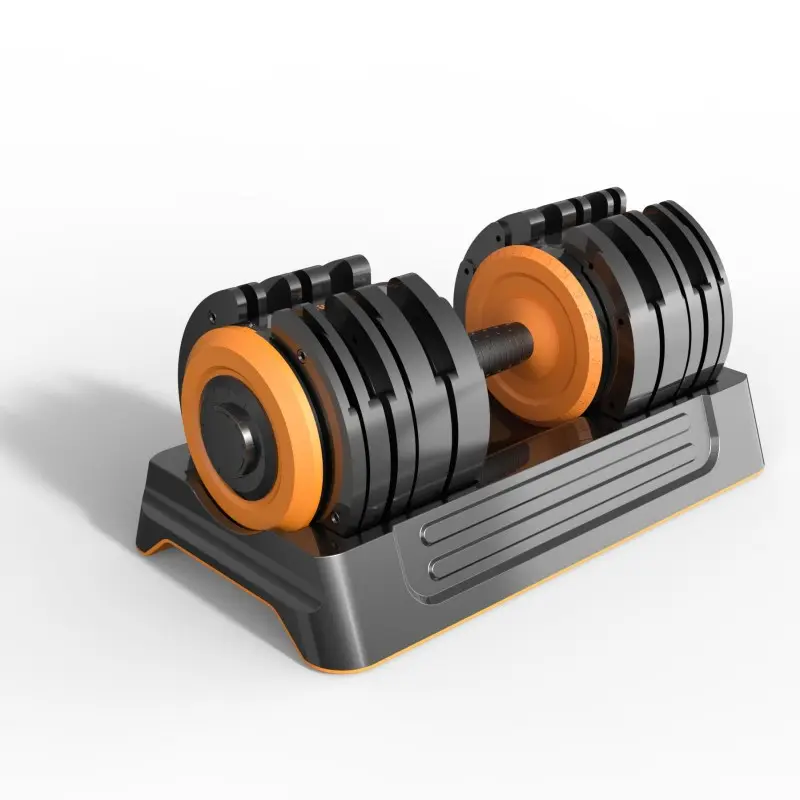
A serviced-apartment operator in a 14-storey block received three noise complaints from the unit below the new gym in the first month, after a fit-out that looked perfect on the spec sheet and passed every weight-tolerance check. The Adjustable Dumbbell Set had already cleared a commercial gym order, so nobody thought to question the coating.
The dumbbells were fine. The order simply never named a noise limit, so the supplier shipped a standard home pair with a thin plate coating and no cradle, and the first dropped set rang through the concrete slab to the bedroom two floors down. An apartment gym lives above paying tenants, and floor noise is a separate buying decision from duty class or coastal coating.
What a floor-noise specification actually measures
Noise on a slab is measured as impact sound at 1 m from the dropped weight, taken on the concrete with a sound meter underneath the unit. A realistic apartment limit is around 68 dB at 1 m on a bare concrete slab, and anything louder will draw a complaint within a week of move-in. Write the 68 dB target into the purchase order, because a supplier cannot meet a limit nobody stated.
The number only means something if the test is repeatable, so define the drop height and the surface before the container is cut. Fix the test as a 2 m free drop onto the mat, repeated for 5 cycles, and record the peak each time so a later dispute has a paper trail behind it.
How plate coating and the cradle kill metal-on-metal sound
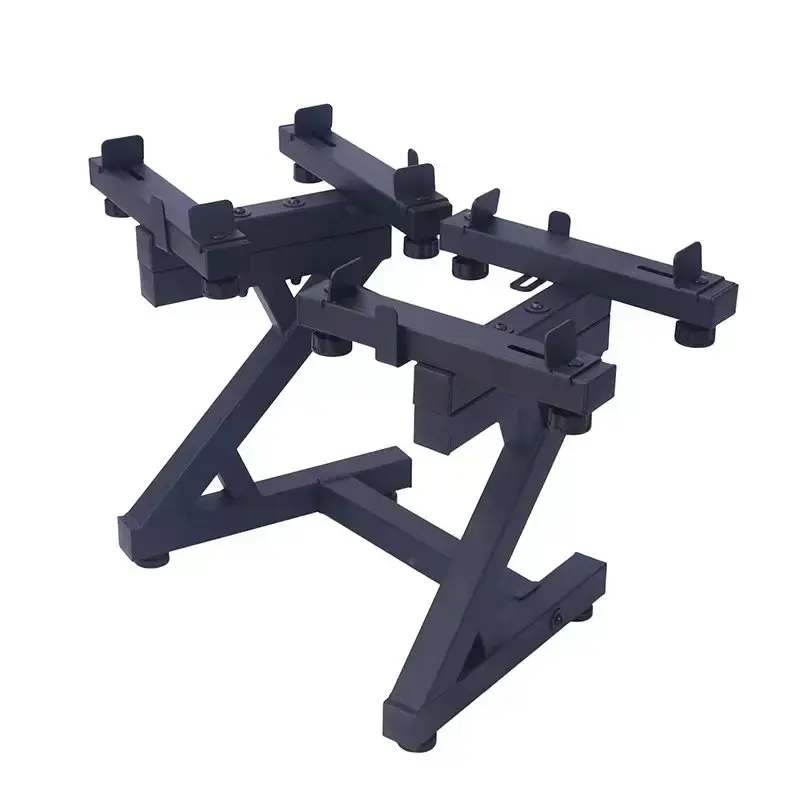
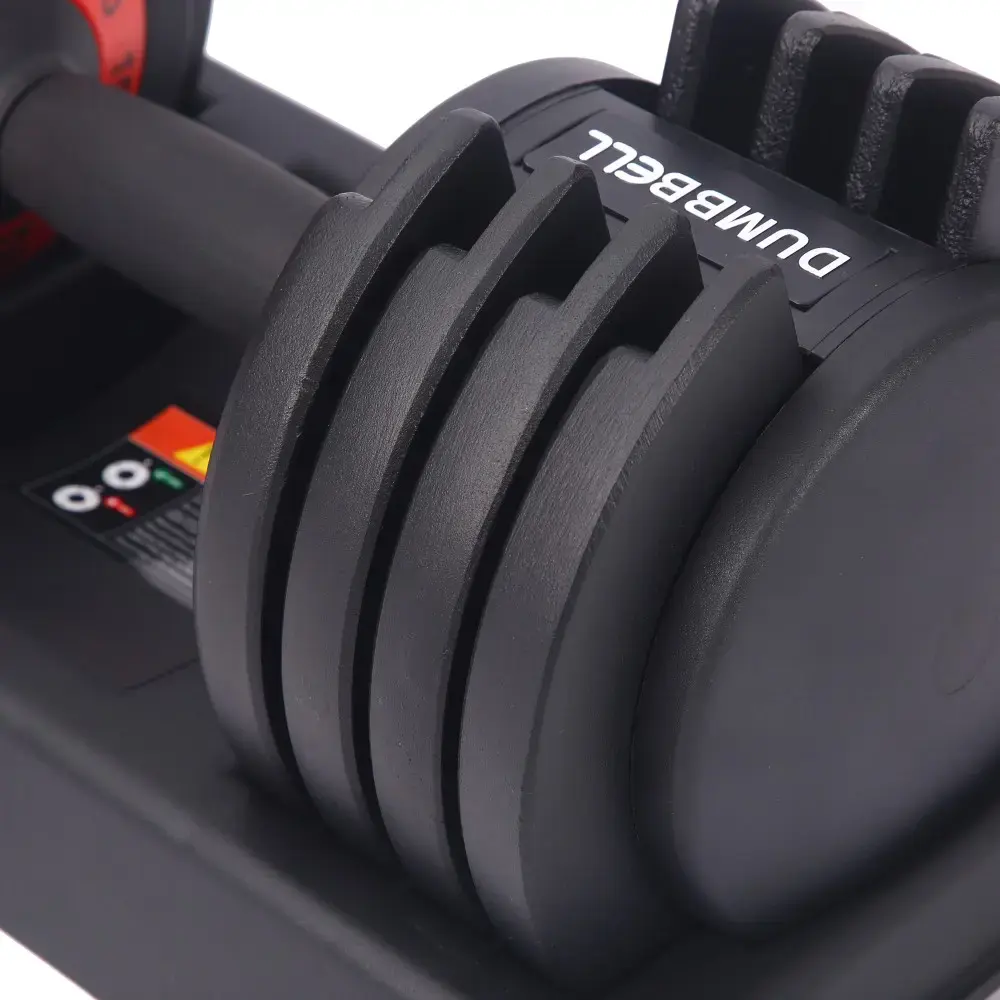
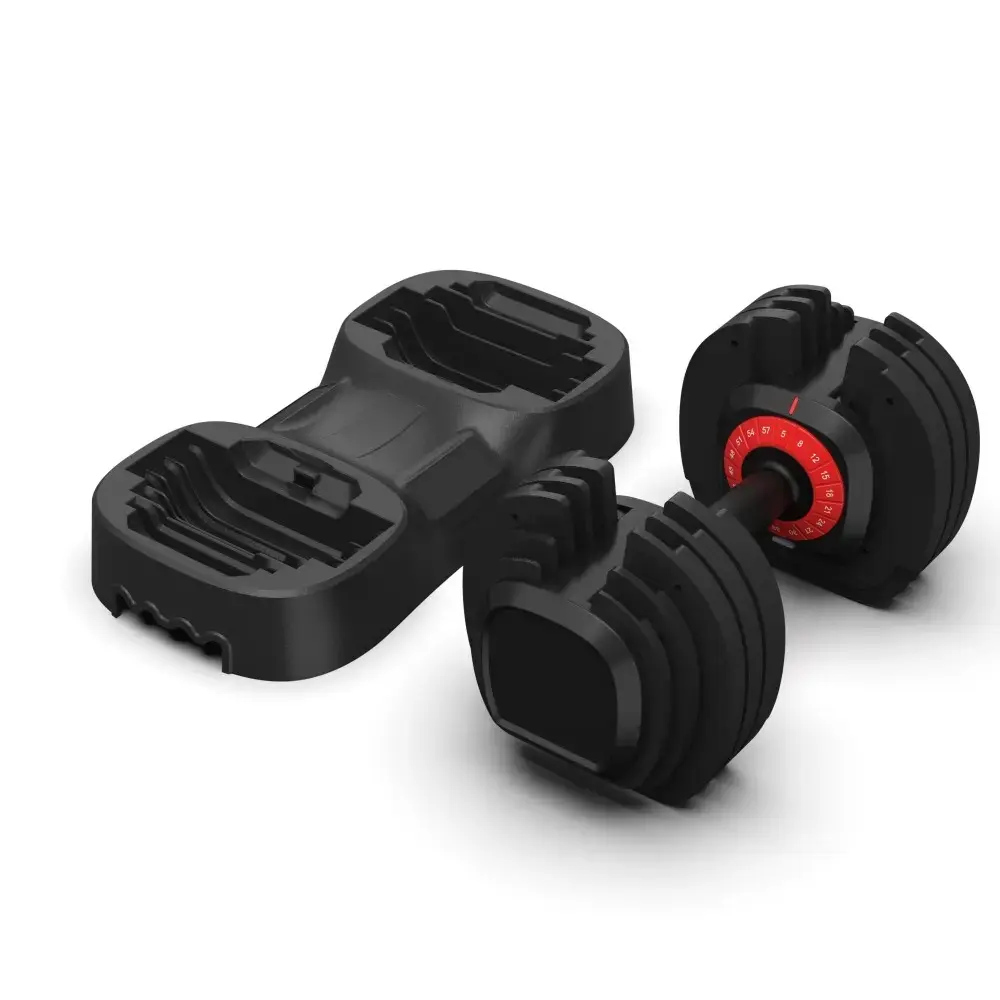
The loudest part of a dropped dumbbell is the plate edge meeting the tray, not the weight hitting the floor. A bare cast plate with no coating will ring at well over 68 dB even on a good mat, and nothing downstream fixes that. Specify a polyurethane or rubber plate coating of at least 1.5 mm, and pair it with a cradle or tray that stops metal-on-metal contact on set-down.
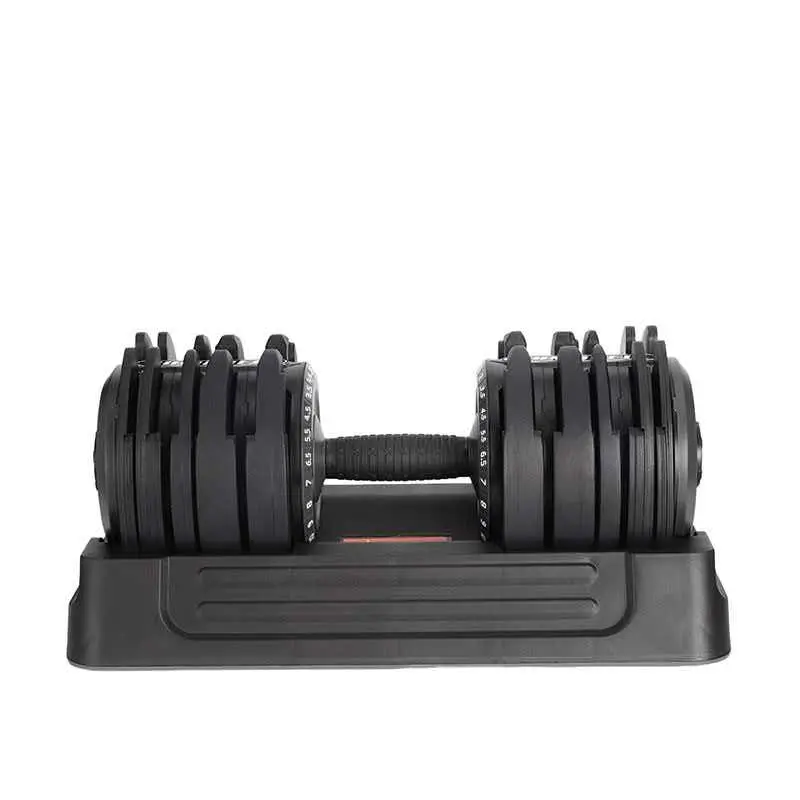
The 25 lb home pairs are where a quiet coating matters most, because residents use them for fast repetition sets late in the day.
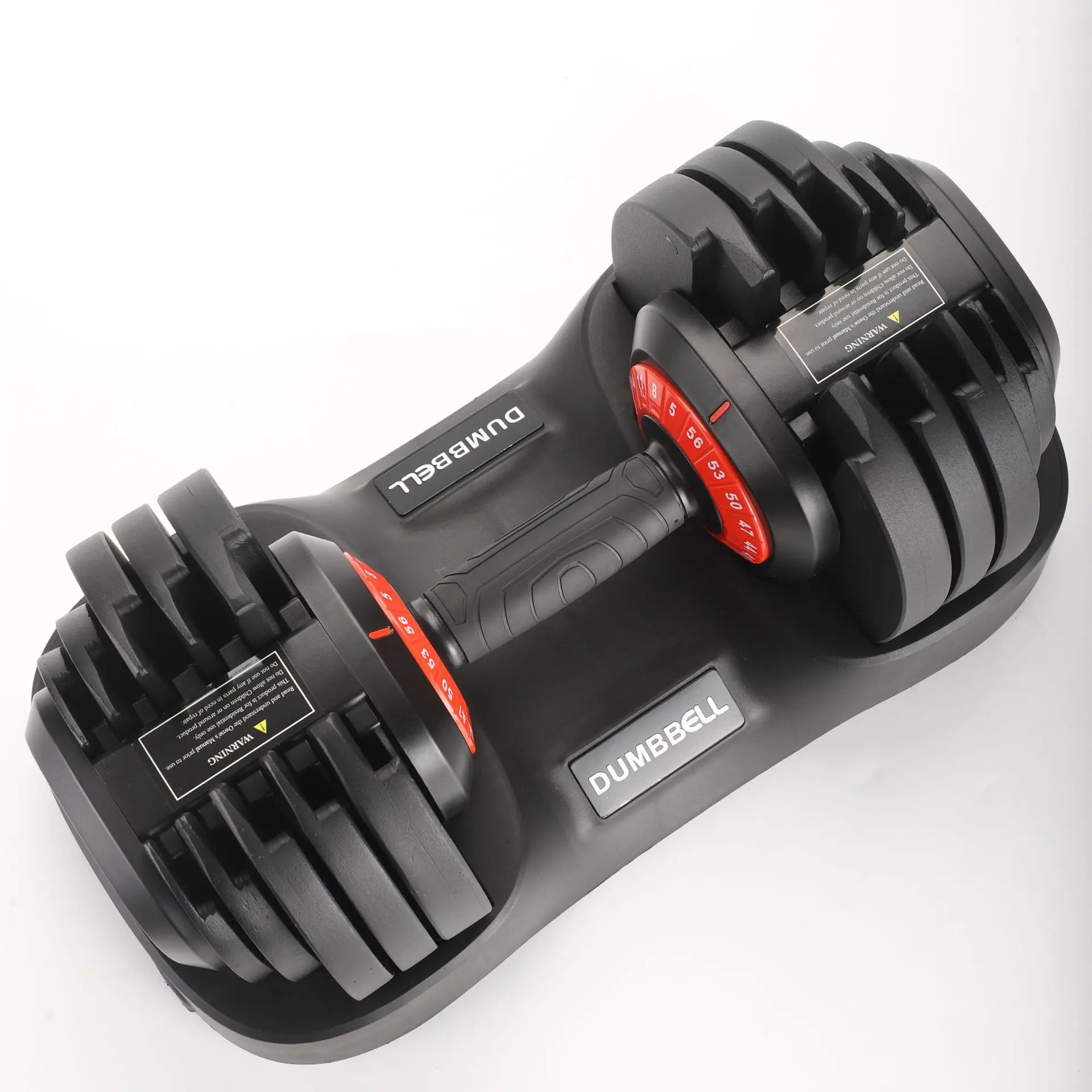
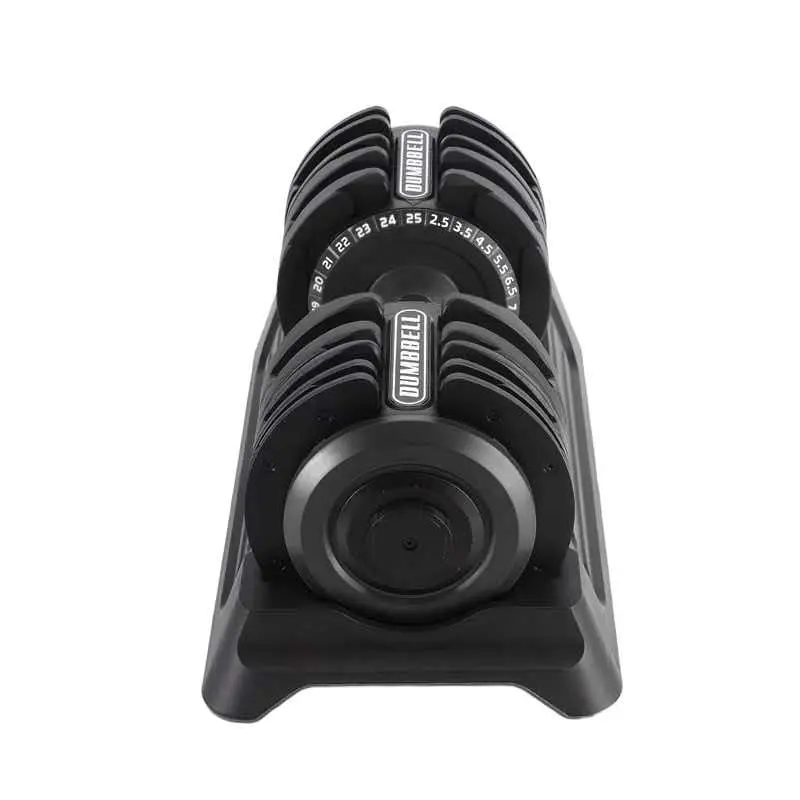
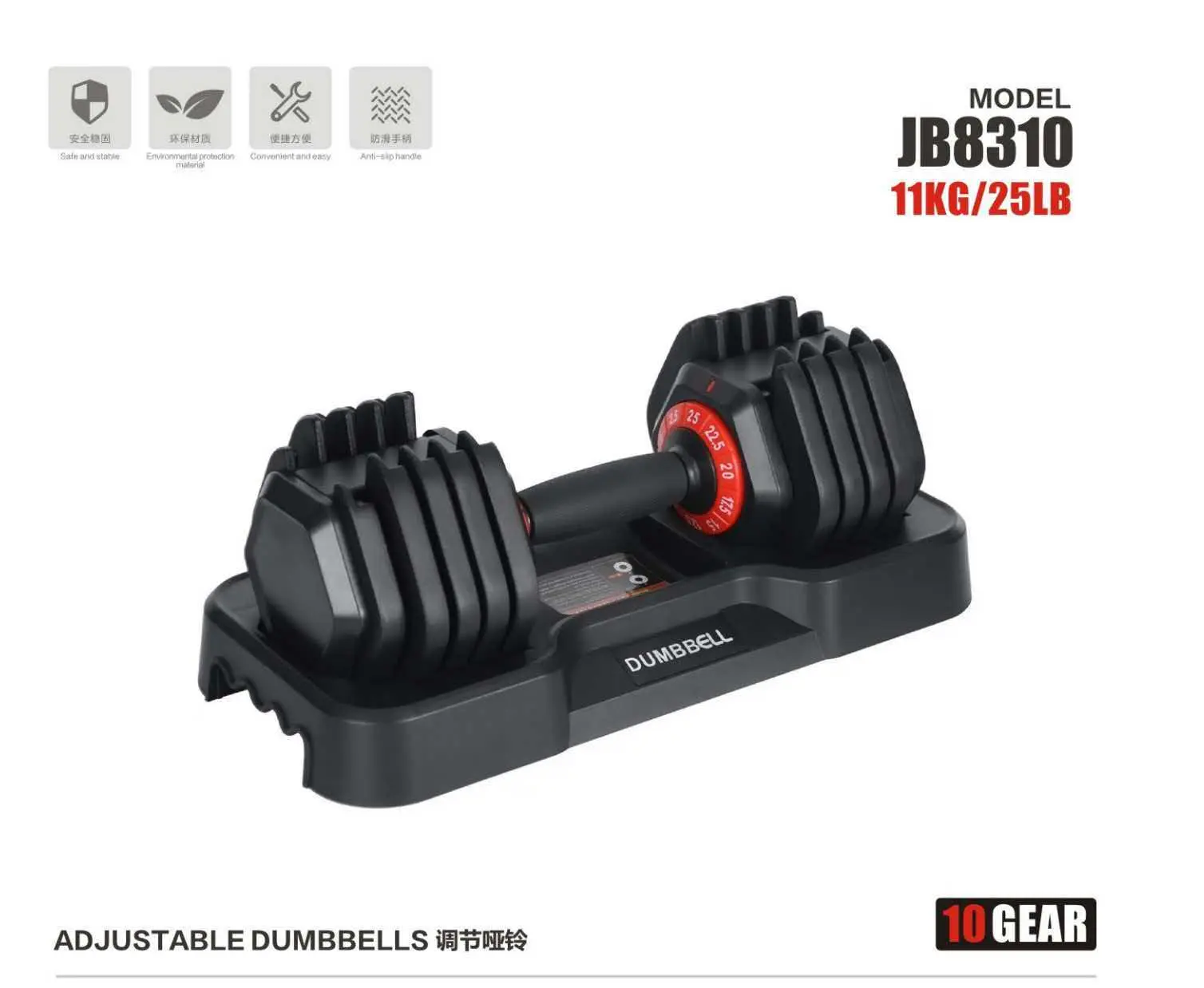
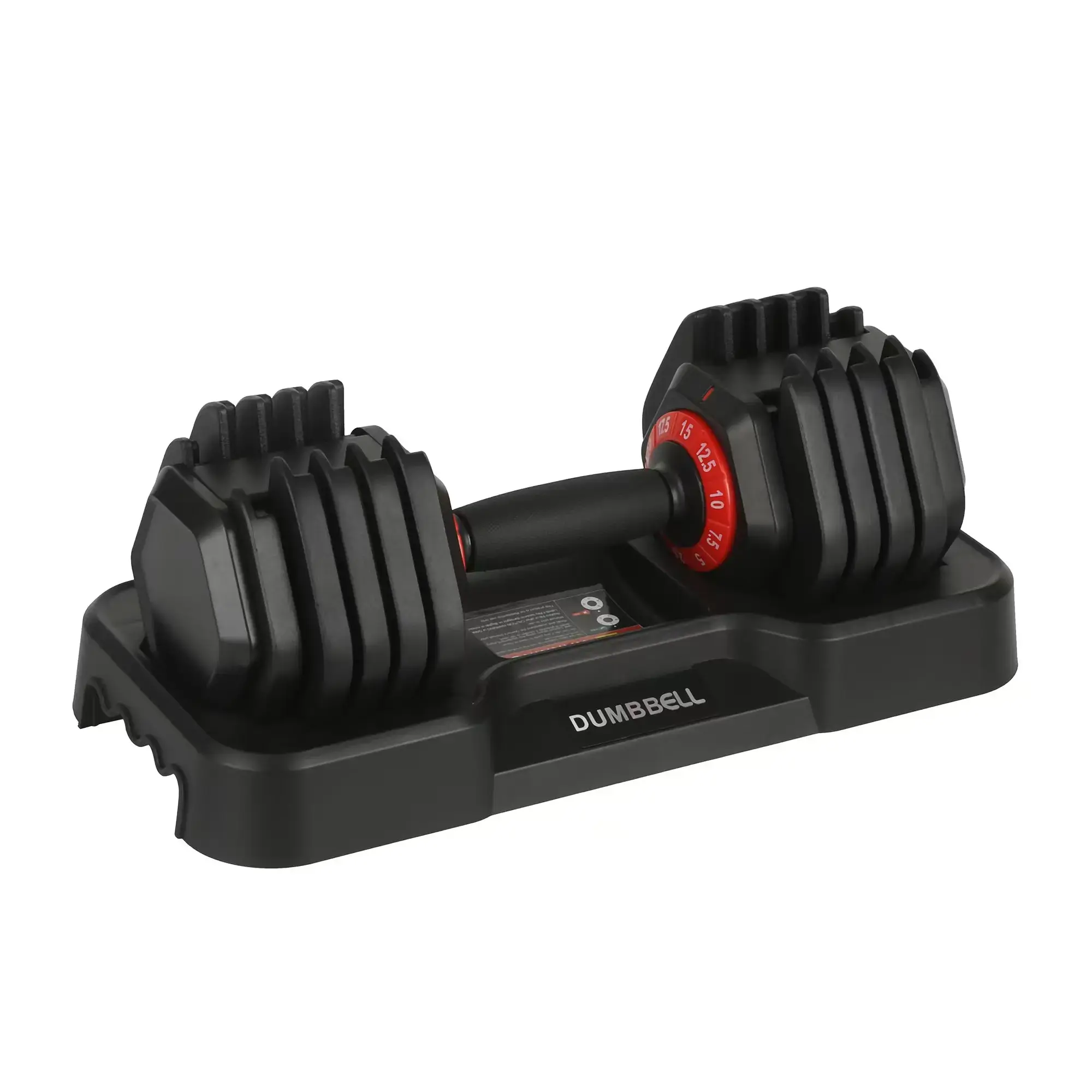
25 lb adjustable dumbbells for home fitness should be quoted with a named plate coating thickness and a cradle in the listing, so the apartment buyer receives a pair that passes the 68 dB check instead of a bare home pair that needs a retrofitted tray after the first complaint.
Which mat density and thickness belong under the rack
The mat is the last line of defence and the easiest to under-specify. A rubber mat in the 15-25 mm range, laid under the rack and the set-down zone, cuts the slab transmission that the plate coating cannot. Thinner than 15 mm and the impact still travels; thicker than 25 mm and you raise the dumbbell above the safe lift height for shorter residents.
For the home-exercise pairs the mat is the whole noise story, because the weights themselves are light.
25 lb adjustable dumbbells for home exercise are most often placed in a bedroom or living-room corner, where the 15 mm mat underneath is the only thing between a dropped set and a downstairs neighbour, so the order should name the mat as a line item, not an afterthought.
Should the retail listing carry a quiet-use note
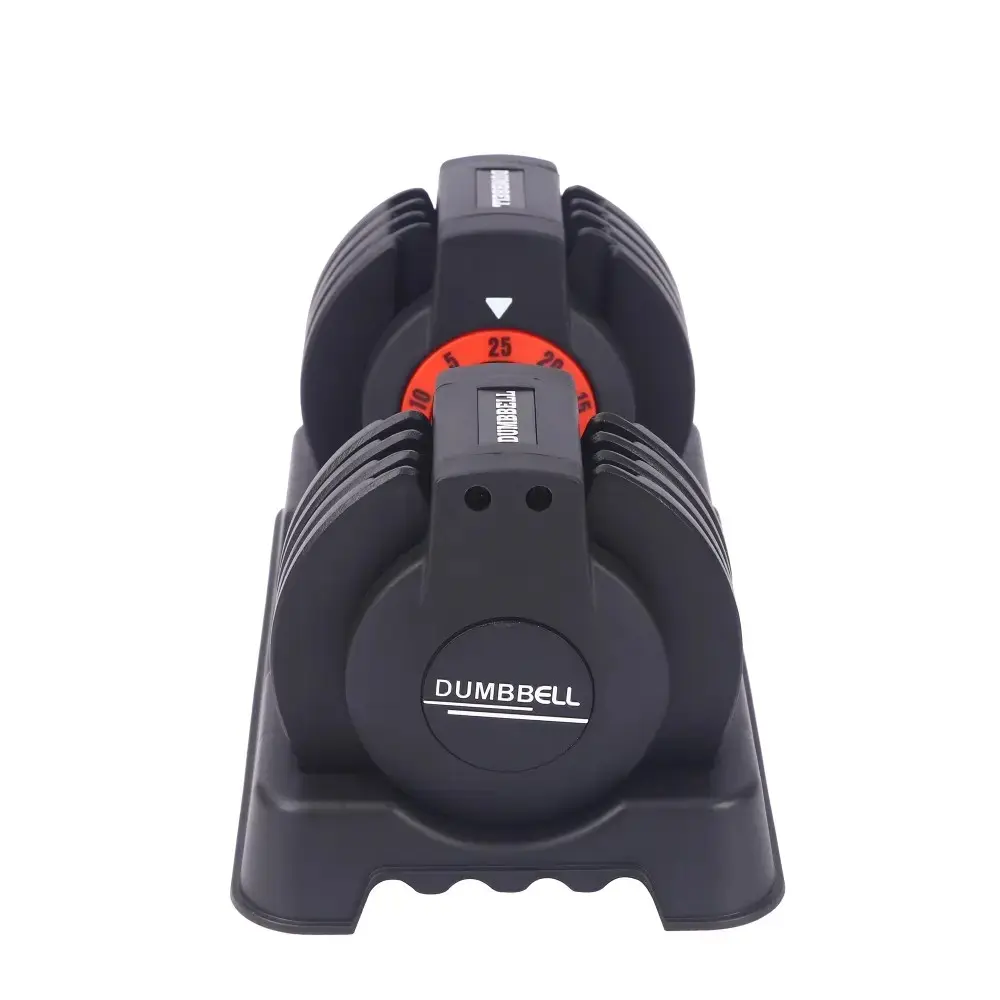
Yes, and it protects the operator as much as the buyer. Add a quiet-use note to the in-apartment listing: no drop sets after 21:00, controlled set-down only, shoes required on the mat. A note printed on the rack card turns a noise dispute into a house rule the resident agreed to at check-in.
The 3-in-1 convertible sets need this note most, because the kettlebell swing adds a swing-and-drop motion a plain dumbbell never makes.
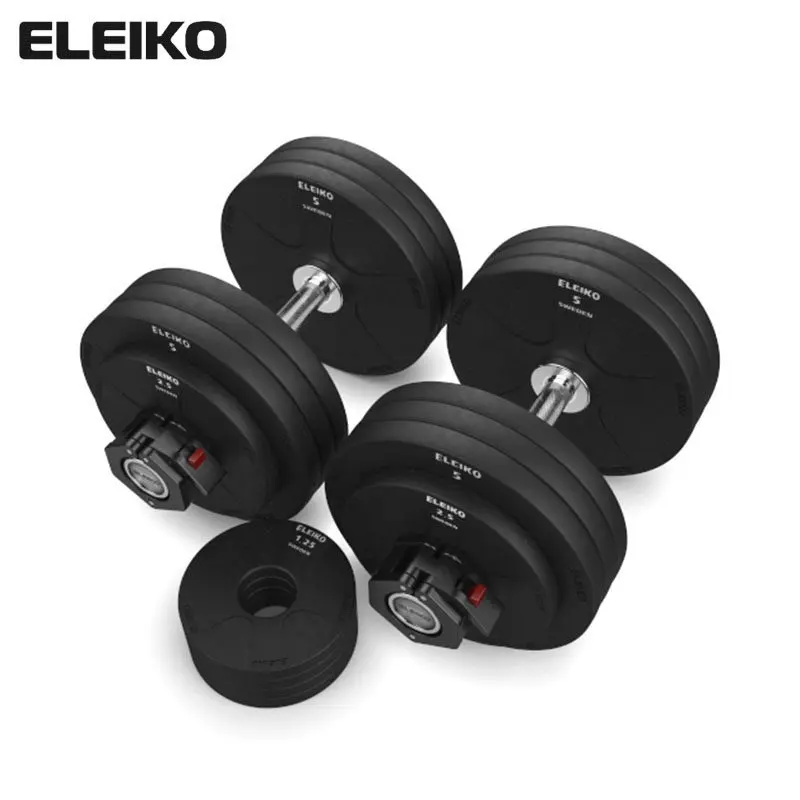
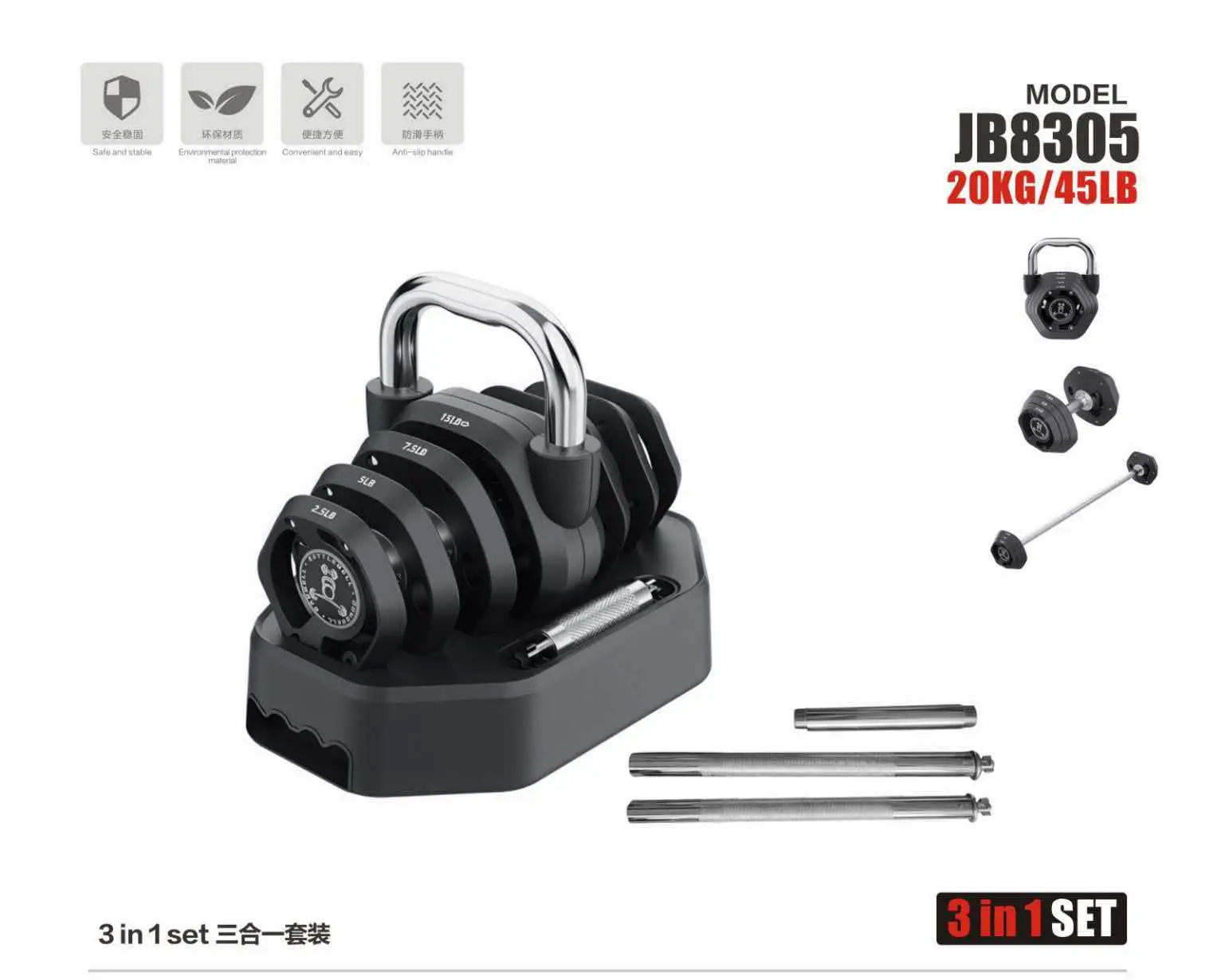
20 kg 45 lbs 3-in-1 dumbbell-kettlebell set changes shape during a session, and the kettlebell mode is the noisiest, so the listing should state the quiet-use window and the mat zone before the set reaches a resident's hands.
Running the incoming drop-and-sound check
The check at goods-in is where a bad batch is caught before it reaches a floor. Drop each sampled pair from 2 m for 5 cycles, meter at 1 m on the slab, and reject the line if any cycle exceeds 68 dB. A single unit that rings loud at incoming inspection will ring loud in the apartment, and the cost of a return is lower than the cost of a complaint.
The automatic models add a mechanism click that the check must also cover.
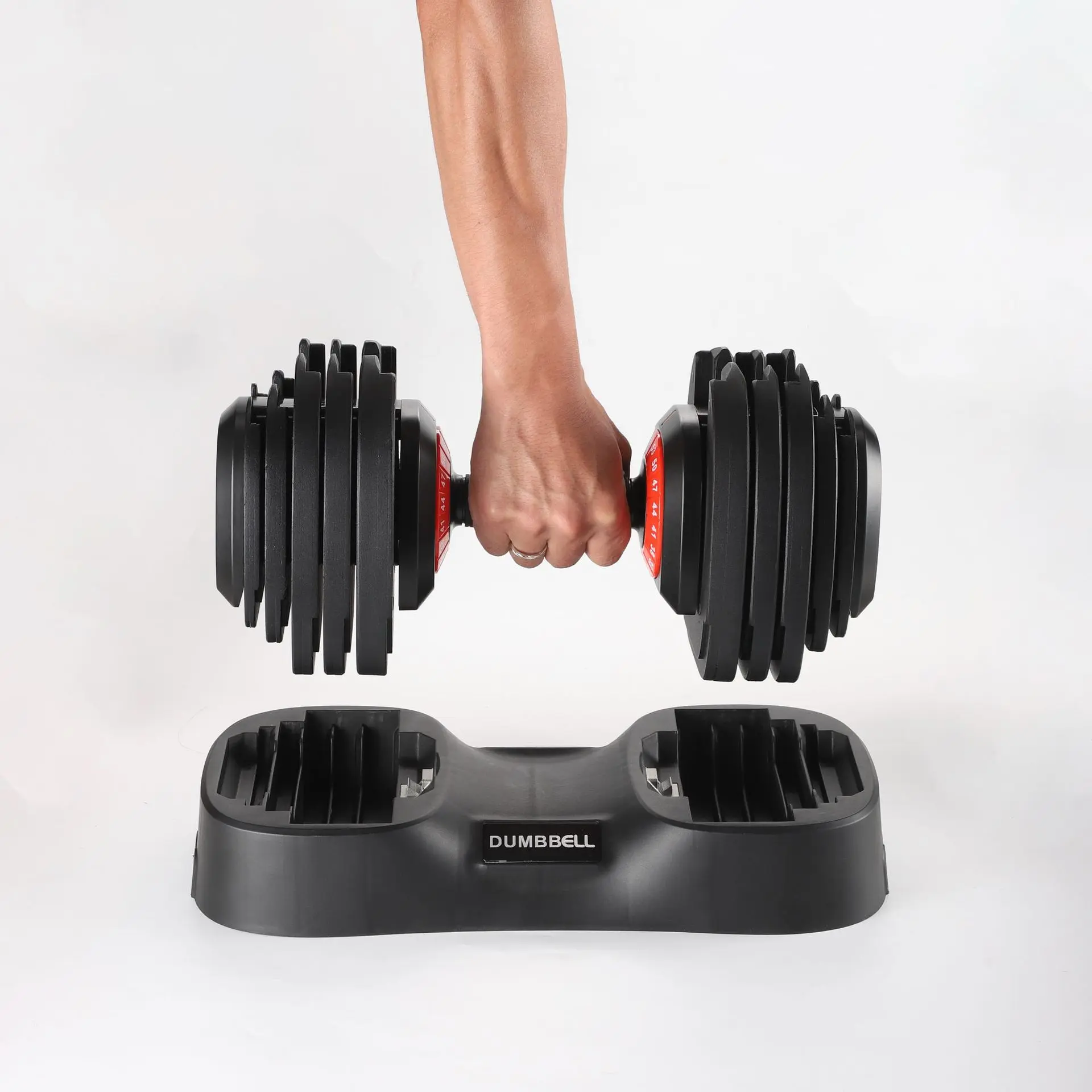
25 lb automatic adjustable quick-change dumbbell has a moving selector that can clatter on a hard set-down, so the incoming sound check should include the change motion, not only the drop, to confirm the 68 dB limit holds through a full repetition set.
How this spec differs from commercial-duty and coastal orders
A commercial gym buys for cycle life and a coastal market buys for corrosion, and neither cares about 68 dB because the room sits over a car park, not a bedroom. The apartment spec swaps some of that duty margin for a coating, a cradle and a mat, and it adds a quiet-use rule the other two never need. Do not lift a commercial-duty line item into a residential block and call it done, because the missing noise line is exactly what fails first.
The second 3-in-1 convertible set shows the contrast clearly, since the same product serves both channels with different coatings.
Adjustable 3-in-1 dumbbell-kettlebell set 20 kg 45 lbs can ship to a commercial gym with a thin coating or to an apartment with a 1.5 mm PU wrap and a cradle; the buyer decides by writing the noise line, not by picking a different model number.
A decision list for the apartment buyer
Confirm these points before the container is cut, and the downstairs complaints largely disappear:
- Noise limit of 68 dB at 1 m on the concrete slab, written into the order.
- Plate coating of at least 1.5 mm PU or rubber, named by thickness.
- Cradle or tray supplied to stop metal-on-metal set-down.
- Rubber mat of 15-25 mm under rack and set-down zone.
- Controlled set-down and a quiet-use note after 21:00 on the listing.
- Incoming drop-and-sound check of 2 m, 5 cycles, reject above 68 dB.
- Weight tolerance held at +/- 1 kg so the coating claim stays credible.
The operator who fits out the next block should treat floor noise as its own line, beside duty and coating. An apartment gym is judged by the neighbour below it, not by the iron above it, and a 68 dB limit with a cradle and a mat is cheaper than a month of complaints. Write the noise spec first, and the weight order will land quietly every time.
Related Pages
- How to Avoid Supply Chain Risks When Importing Adjustable Dumbbells
- How to Check Supplier Production Capacity for Big Container Orders
- Supplier After-Sales Service Standard for Wholesale Dumbbells
Article TDK (Title, Description, Keywords)
Title: How floor noise shapes an adjustable dumbbell order for apartments
Description: How to write a noise spec for apartment dumbbells: 68 dB limit, plate coating, cradle, mat thickness, drop test and quiet-use listing note.
Keywords: adjustable dumbbell floor noise # apartment gym noise spec # dumbbell plate coating thickness # impact sound dB concrete slab # gym mat density thickness # adjustable dumbbell drop test # quiet use retail listing # 25 lb adjustable dumbbell # 3-in-1 dumbbell kettlebell set # home fitness dumbbell coating