

Adjustable dumbbell strength factory


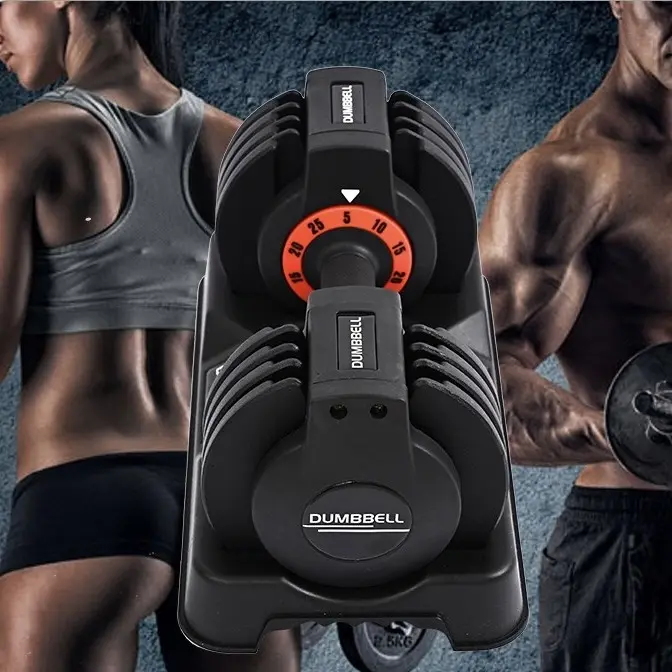
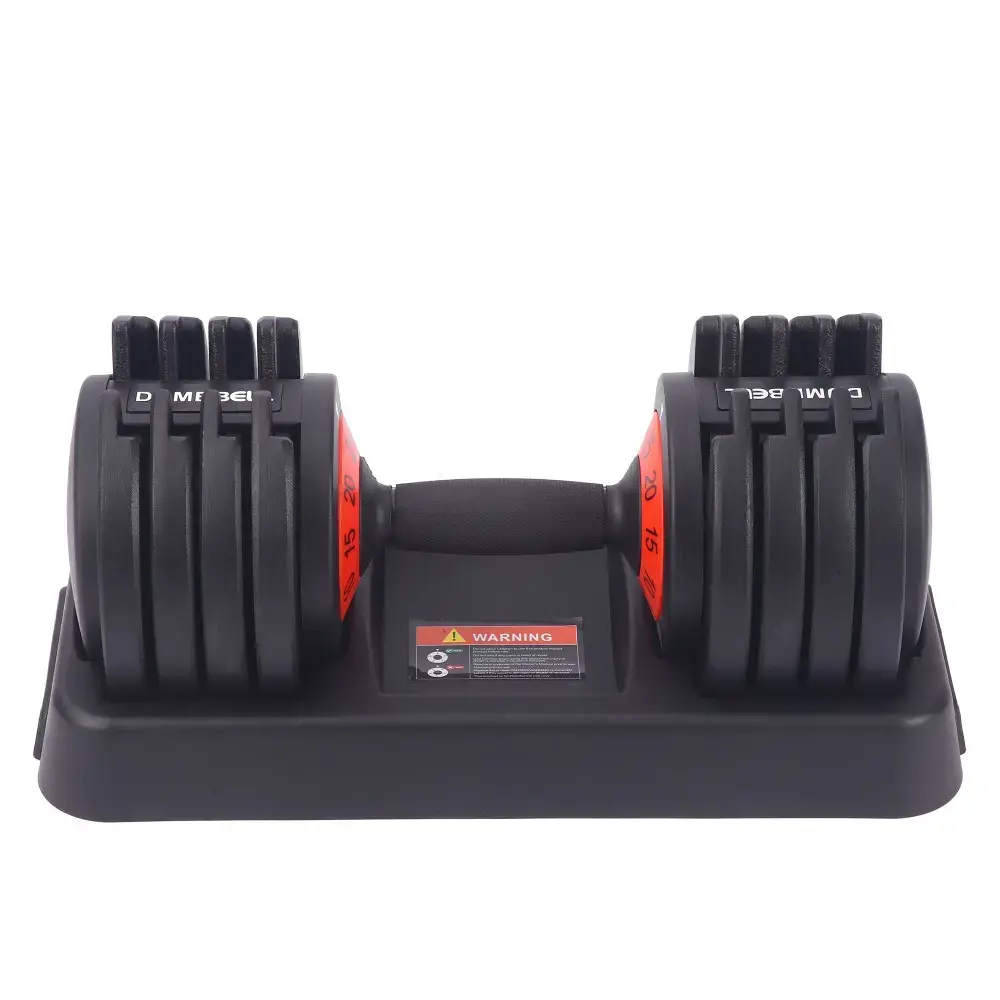
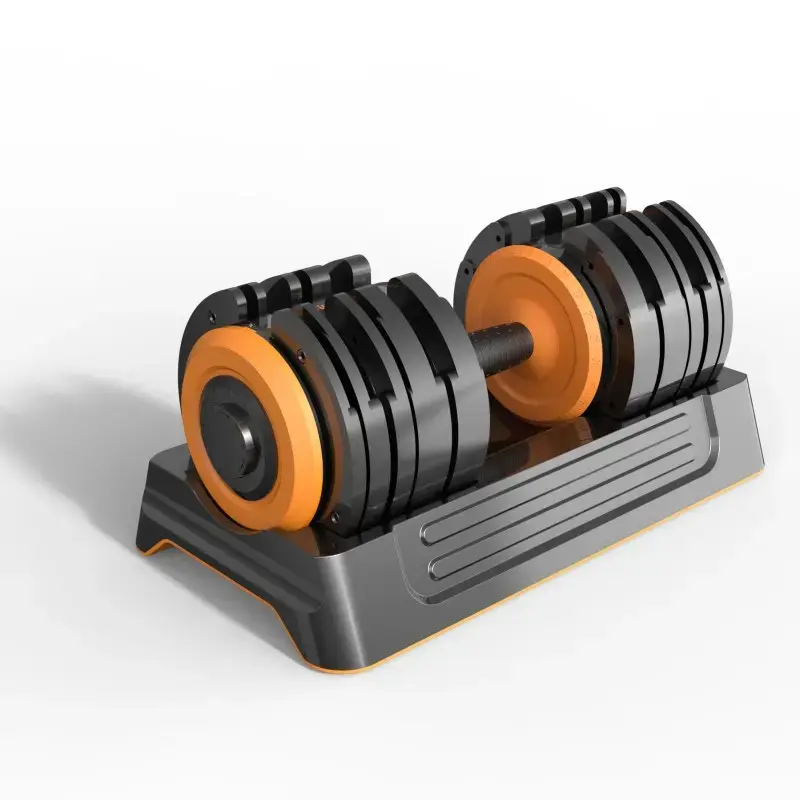
China Dumbbell Factory vs Trading Company: Pros & Cons for Importers
Finding reliable china dumbbell factory vs trading company: which is better for importers can feel like searching for a needle in a haystack. Between exaggerated marketing claims and factories that look impressive online but deliver inconsistent quality, buyers face a real challenge. Here is the practical framework that sourcing agents use to separate genuine manufacturers from middlemen.
Understanding the Comparison
When evaluating different options for china dumbbell factory vs trading company: which is better for importers, a structured comparison helps you cut through marketing claims and focus on what actually matters for your application.
This guide provides a framework for comparing options side by side, with specific criteria and practical advice for making the right choice.
Comparison Criteria
Key factors to compare:
Material composition: Different materials offer different performance characteristics. Compare material grades, purity levels, and treatment options.
Manufacturing method: The production process affects quality, consistency, and cost. Understand the trade-offs between methods.
Performance specifications: Compare load ratings, temperature ranges, and operational parameters against your actual requirements.
Cost structure: Look at total cost of ownership, not just unit price. Factor in maintenance, replacement, and operational costs.
Certification coverage: Different options may carry different certifications. Ensure the one you choose meets your market requirements.
Key Differences
The main differences typically come down to:
Quality tier: Economy, standard, and premium options exist in most product categories. The difference is usually in material grade, wall thickness, and finish quality.
Customization flexibility: Some suppliers offer extensive customization; others focus on standard products with limited options. Match the supplier's flexibility to your needs.
Lead time: Stock items ship in 7-15 days. Custom production takes 30-45 days. Tooling for new products adds another 15-30 days.
Minimum order quantity: Standard products typically have lower MOQs. Custom products require higher MOQs to justify production setup.
How to Choose
To make the right choice:
Match the product to your application. Over-specifying wastes money; under-specifying creates risk. Find the sweet spot for your specific use case.
Consider future needs. If you expect to grow, choose a supplier who can scale with you. If your needs are stable, prioritize consistency and reliability.
Test before committing. Order samples from your top 2-3 options and test them under conditions as close to real-world as possible.
Trust verified data. Spec sheets, test reports, and certification documents are more reliable than marketing materials or sales pitches.
Compare Our Products
Explore our curated selection of products related to china dumbbell factory vs trading company: which is better for importers. Each link below takes you to a dedicated product page with full specifications:
Product Catalog:
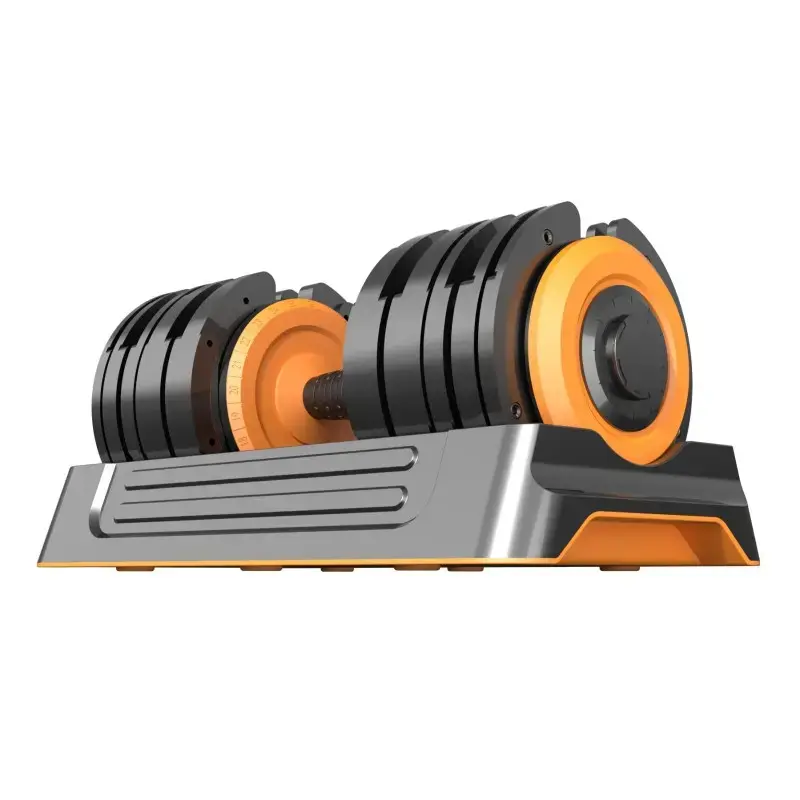
- Auto Adjustable Dumbbell
- Iron Adjustable Dumbbell Rack
- Adjustable Weight Dumbbell Kettlebell
- Products Catalog
- About Us
Sourcing Notes
Communication tools: Use email for formal documentation and WeChat or WhatsApp for quick clarifications. Always confirm verbal agreements in writing before production starts.
Factory specialization: Factories that focus on one product category usually deliver better quality than generalists. Ask what percentage of revenue comes from your target product.
Frequently Asked Questions
Q1: How can I ensure consistent quality across orders?
Use AQL sampling inspection (Level II, AQL 2.5) for every shipment. Document quality baselines with your first order and compare subsequent batches against them. If quality drifts, address it with the supplier immediately.
Q2: What certifications do I need for my market?
For Europe: CE marking and RoHS compliance. For the US: FCC (electronics), FDA (food contact), and applicable ASTM standards. For fitness equipment specifically, look for CE, RoHS, ISO 9001. Always request actual certificate copies.
Q3: What happens if the products are defective?
Your purchase contract should specify defect thresholds, AQL levels, and remediation procedures. If defects exceed agreed limits, the supplier should rework, replace, or credit the defective units. Third-party inspection reports support your claim.
Q4: How do I calculate the total cost of importing?
Add: unit price + tooling (if applicable) + packaging + inland freight to port + sea/air freight + customs duties + inspection fees + insurance. Many importers underestimate total cost by 20-30% because they only look at the unit price.
Q5: What is the best way to communicate with Chinese suppliers?
Email for formal communication and documentation. WeChat or WhatsApp for quick questions. Video calls for factory tours and relationship building. Always follow up verbal agreements with written confirmation to avoid misunderstandings.
Conclusion
Remember: the cheapest quote is rarely the best value. Factor in quality consistency, communication responsiveness, lead-time reliability, and after-sales support when making your decision. Ready to start? Browse our catalog or send us your inquiry — our experienced team will help you find exactly what you need.