

News
Adjustable dumbbell strength factory


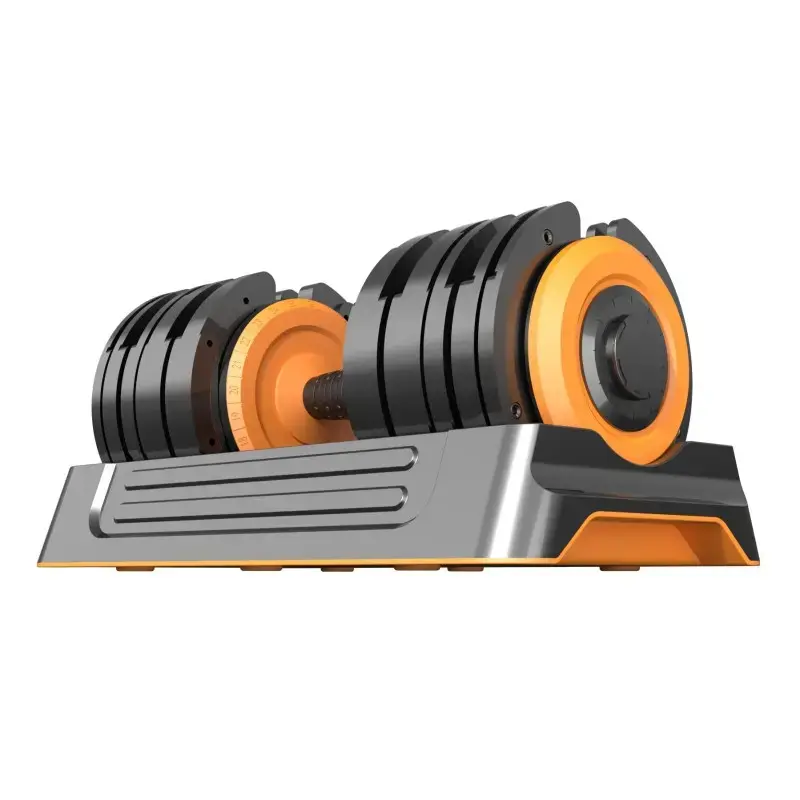
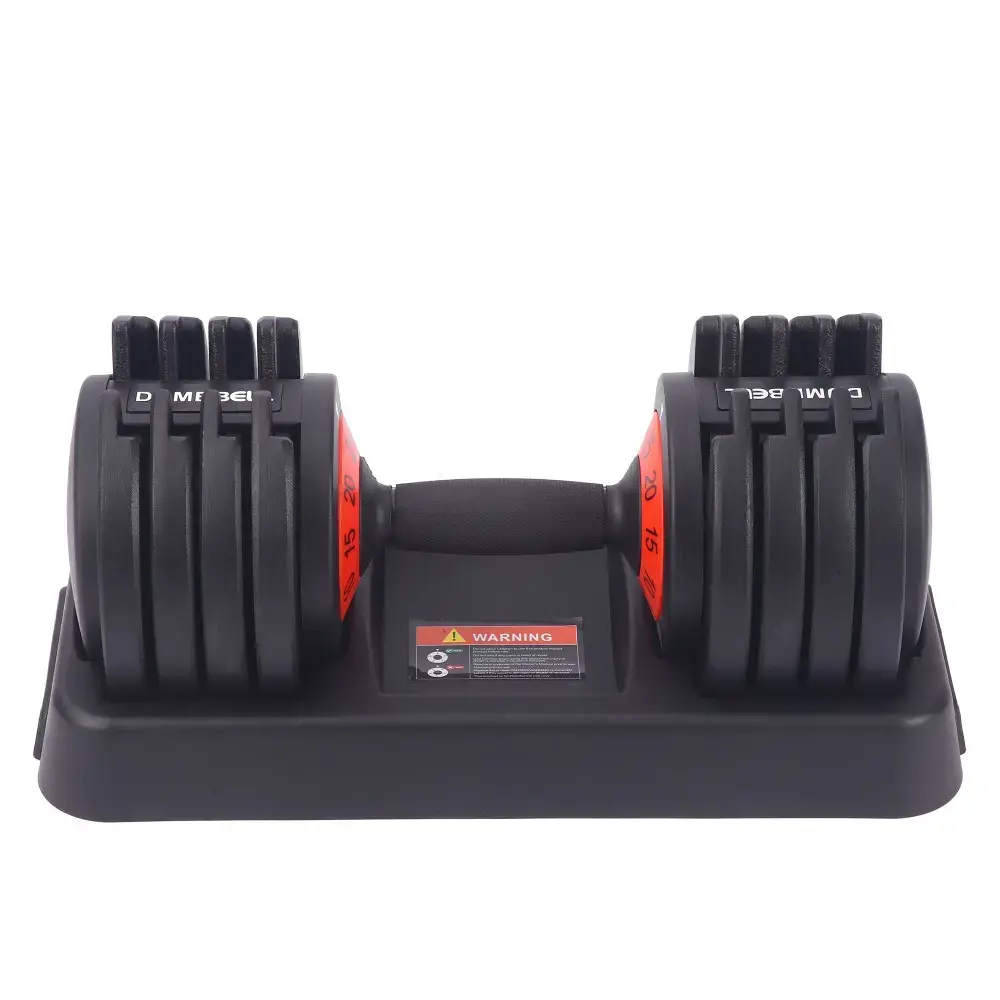
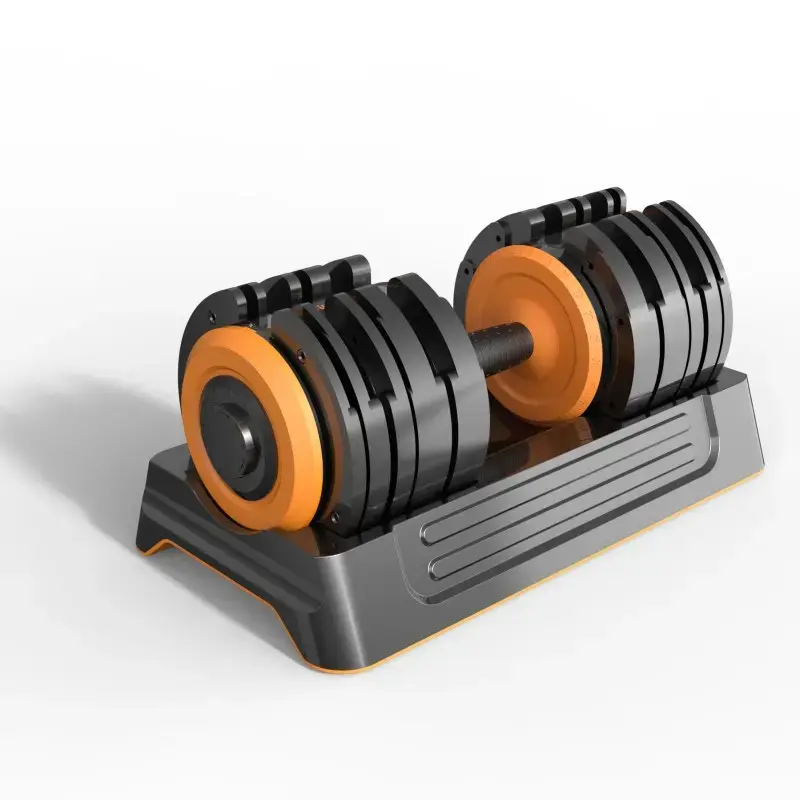
Dumbbell Buying Tips: E-Commerce vs. Physical Stores
2026-05-14
For fitness equipment buyers, choosing the right sales channel directly affects purchase costs, delivery lead times, and the stability of long-term partnerships. Whether equipping chain gyms or restocking retail distributors, understanding the core differences between online and offline purchasing helps you make more accurate decisions.
Many buyers new to the fitness equipment industry often ask: What are the real advantages and risks of sourcing Adjustable Dumbbells through B2B platforms or manufacturer websites, compared to buying from physical wholesale markets or industry trade shows? Based on real-world procurement logic, this article breaks down the characteristics of the two mainstream channels across bulk pricing, product verification, customization capabilities, and delivery flexibility.
Understanding Core Factors in Dumbbell Procurement
Before comparing channels, it is essential to clarify the non-negotiable key indicators for purchasing adjustable dumbbells. These factors form the foundation for supplier evaluation, whether buying online or in physical stores.
Weight Adjustment Mechanism
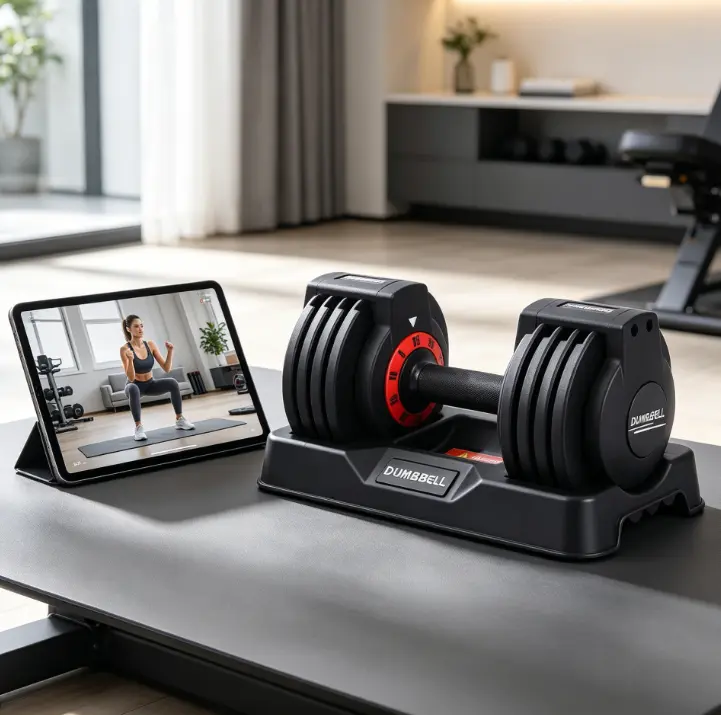
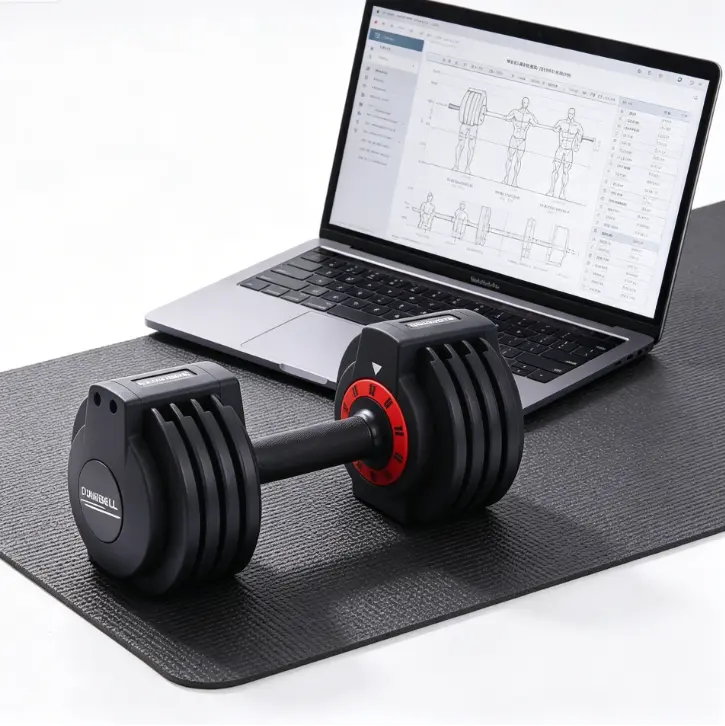
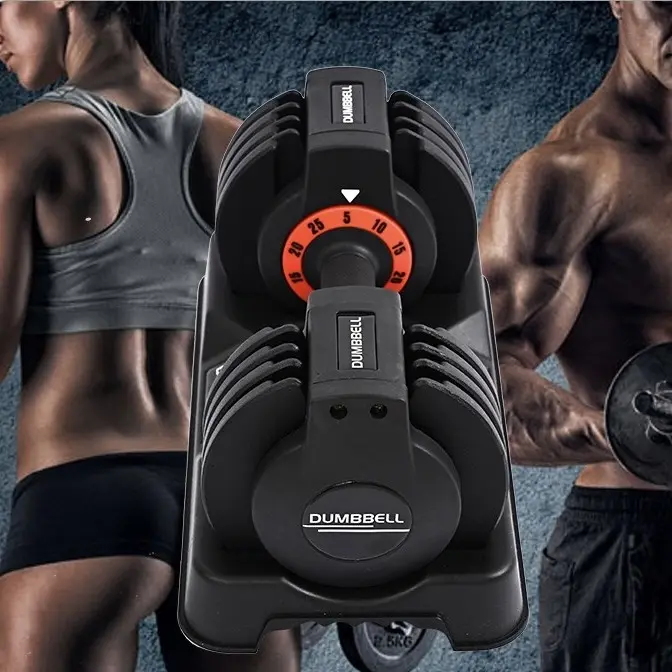
The core of an adjustable dumbbell lies in the reliability and durability of its weight-switching system. Products using bidirectional 360° adjustment technology, for example, maintain stable locking structures even after repeated insertion and testing, which is critical for long-term use.
Material & Craftsmanship
Attention must be paid to anti-slip handle treatment, rubber coating quality of weight plates, and load-bearing capacity of Dumbbell Racks. Physical stores allow direct handling and operation, while e-commerce relies on detailed specifications and certification documents.
Certification & Compliance
Adjustable dumbbells exported to European and American markets typically require compliance with standards such as EN 957 Class S, ASTM, or ISO 20957. Reliable suppliers clearly display relevant test reports on their online stores or product catalogs.
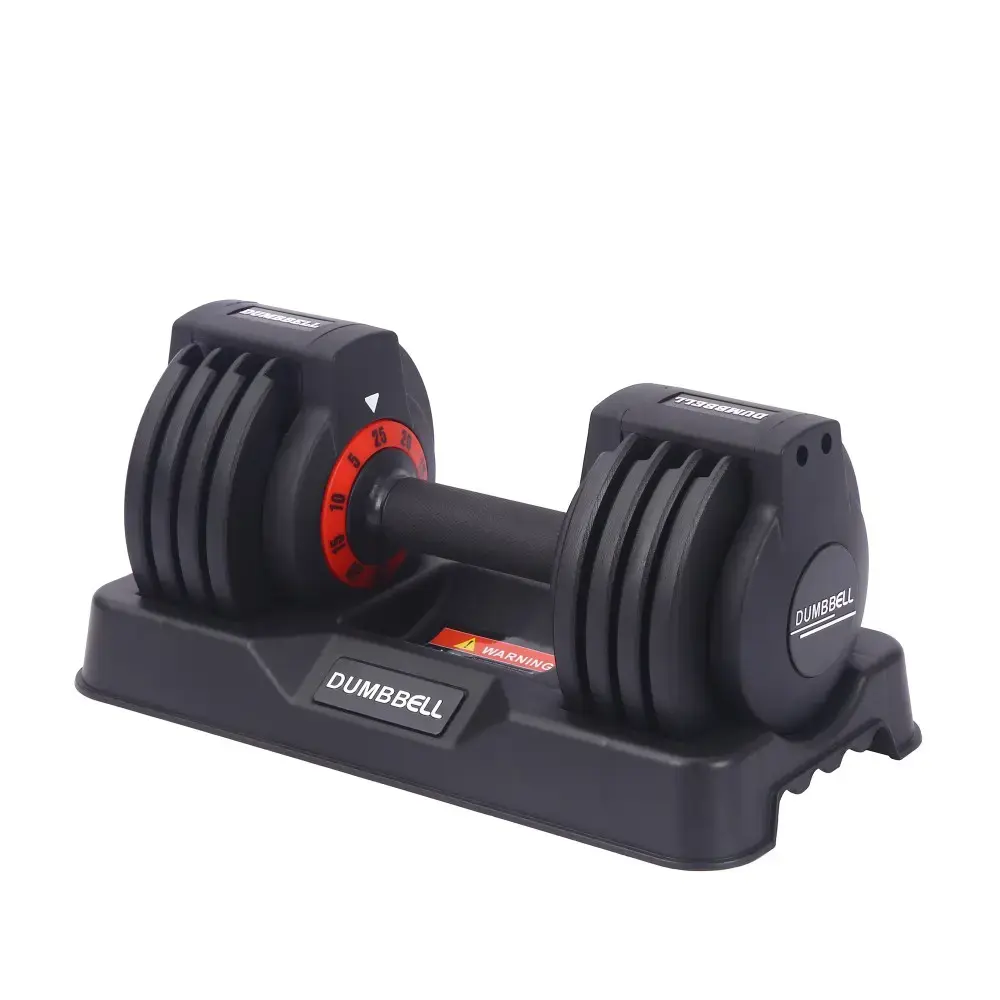
E‑Commerce Channel Purchasing: Advantages of Efficiency & Transparency
Online purchasing has become one of the primary sourcing methods for fitness equipment distributors over the past five years. Industry data shows that more than 60% of small and medium-sized fitness equipment retailers complete their first orders via B2B websites or manufacturer official websites.
Advantage Analysis
- Price Competitiveness: E-commerce eliminates intermediary and multi-level distribution costs. Bulk quotes directly from manufacturers are usually 15% to 30% lower than physical wholesale markets. The gap is even more significant for large items such as Adjustable Dumbbell Racksand dumbbell-Kettlebell Sets.
- Product Search & Comparison: Buyers can browse dozens of suppliers within an hour, easily comparing specifications, MOQs, and lead times across brands. User reviews and case studies provide additional decision-making references.
- Customization & Private Label Services: Most manufacturer websites clearly state OEM/ODM availability. Suppliers often allow custom logos on dumbbell racks or packaging through online communication, without in-person visits.
Challenges & Solutions
- No Physical Testing: The biggest limitation is the inability to test products firsthand. The solution is to request samples from suppliers. Responsible manufacturers offer sample policies, with buyers only paying for shipping.
- Uncertain Lead Times: Online lead times may show 30–45 days but can be delayed by raw materials or shipping. Include lead times in contracts and maintain close communication with freight forwarders.
- Communication Costs: Time zone and language barriers may slow issue resolution. Prioritize suppliers with technical documents and video installation guides to reduce after-sales communication.
Physical Store Purchasing: A Traditional Path Driven by Tangibility & Relationships
Physical store purchasing includes visiting large wholesale markets, industry exhibitions, or directly touring manufacturing facilities. Despite the rise of e-commerce, offline channels remain vital in dumbbell sourcing, especially for large orders or first-time cooperation.
Advantage Analysis
- On-Site Product Inspection: Buyers can operate adjustable dumbbells in person, test weight adjustment smoothness, check weld firmness, and verify rack stability. Direct tactile feedback cannot be replaced online.
- In-Person Negotiation & Relationship Building: Face-to-face communication builds trust, especially for long-term buyers. At trade shows, details such as size modifications and color matching for dumbbell racks can be negotiated directly with factory managers for high flexibility.
- Immediate Pickup: For urgent restocking, wholesale markets allow same-day payment and pickup, avoiding one-month sea freight delays—ideal for sudden sales peaks.
Challenges & Solutions
- Price Opacity: Offline quotes include more profit layers, with price differences of up to 40% for identical adjustable dumbbells. Research online ex-factory price ranges before visiting physical stores.
- Limited Selection: Single stores have limited inventory and may not display full dumbbell and kettlebell lines. Multiple visits are required for comparison, increasing time costs.
- Transportation & Logistics Costs: Sample carrying or bulk pickup requires self-arranged transport. Additional drayage and warehousing fees must be included in total costs.
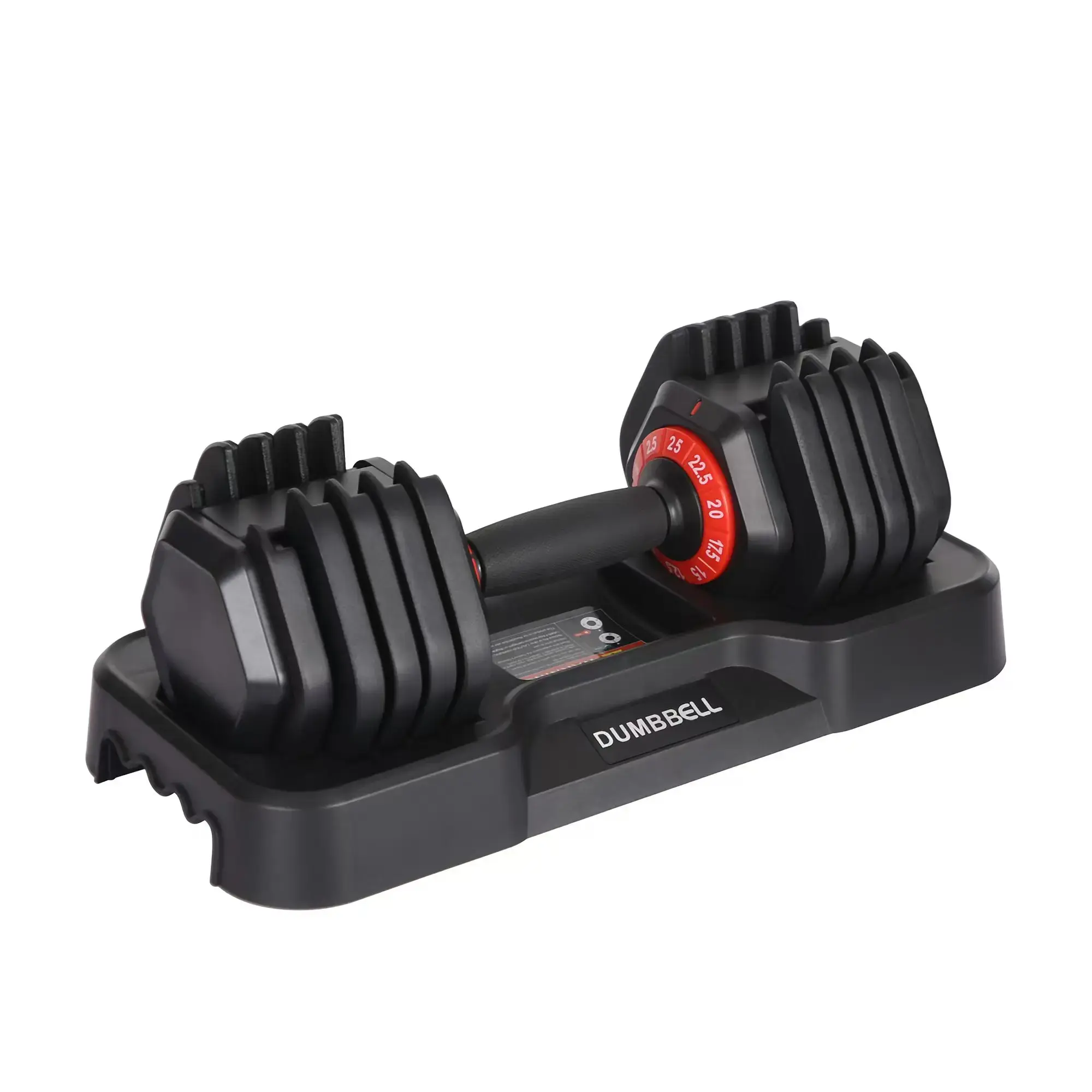
Quick Comparison: E‑Commerce vs Physical Stores
| Comparison Dimension | E‑Commerce Purchasing | Physical Store / Trade Show Purchasing |
|---|---|---|
| Price Level | Lower (ex-factory or near-ex-factory) | Higher (includes multi-layer margins) |
| Product Inspection | Sample shipping or video demonstrations | Direct touch and operational testing |
| Selection Range | Extensive (cross-regional supplier screening) | Limited (restricted by store space) |
| Delivery Cycle | Longer (30–60 days sea freight) | Short (same-day pickup available) |
| Customization Capacity | Clearly stated on manufacturer websites | Negotiated on-site, high flexibility |
| MOQ Requirements | Clear minimum order quantity (e.g. 100 sets) | Small orders acceptable (e.g. 10 sets) |
| After-Sales Service | Email / online chat support | Direct in-person communication |
How Order Volume Affects Channel Selection
Procurement scale directly determines which channel delivers better cost efficiency.
Small-Batch Purchasing (Under 50 Sets)
Physical stores are more suitable for new product testing or restocking popular out-of-stock models. Most wholesale markets allow mixed orders, such as combining adjustable dumbbells, racks, and kettlebells, without full-container inventory pressure.
Medium-Batch Purchasing (50–500 Sets)
E-commerce gains a clear advantage. Bulk prices are often over 20% lower than offline, and many manufacturers support LCL shipping to reduce transport costs. Savings can fund samples for market testing.
Large-Batch Purchasing (Over 500 Sets)
This is the domain of direct manufacturer sales. Buyers should contact branded factories directly for annual framework agreements and production capacity reservations. Wholesale intermediaries cannot compete on price at this stage.
Building a Hybrid Purchasing Strategy
Experienced buyers rarely rely on a single channel. An efficient strategy is usually hybrid:
- Initial Product Selection: Screen 3–5 potential suppliers online by technical parameters and certifications. Attend trade shows such as FIBO or IHRSA to test popular models in person.
- Sample Verification: Request samples from online channels for durability testing, including 5,000-cycle weight-switching tests. This step is indispensable.
- Small-Batch Trial Orders: Place initial trial orders through physical wholesale markets to lower inventory risk. Switch to online bulk purchasing once market feedback stabilizes.
- Stable Supply Stage: Establish long-term cooperation with 1–2 online manufacturers under quarterly or annual agreements to lock in capacity and pricing. Use physical stores as backup for emergency restocking.
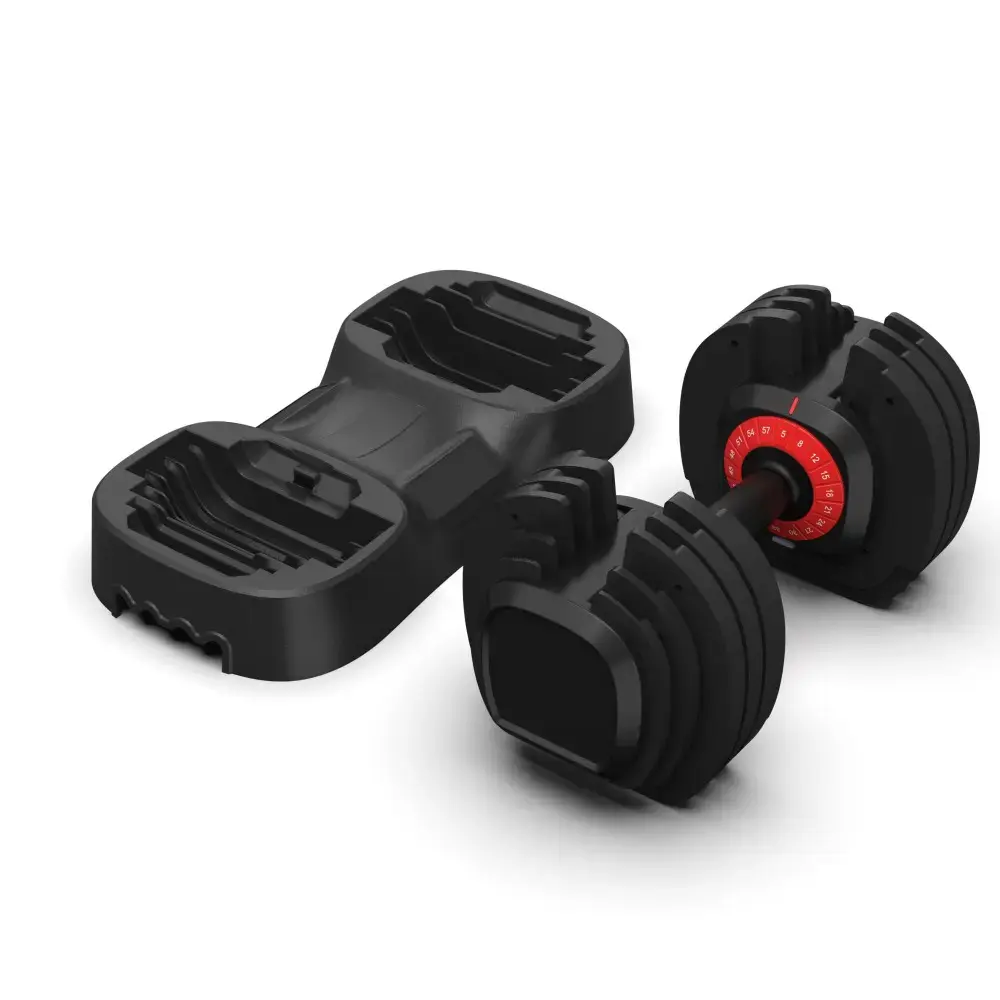
Key Clauses in Procurement Contracts
Regardless of channel, the following terms must be clearly defined:
- Quality Acceptance Standards: Specify applicable certification versions (ASTM, EN, etc.), sampling ratios, and return conditions.
- Lead Times & Penalties: Agree on compensation for delays over 15 days, such as partial airfreight coverage or discounts.
- IP & Private Label: Clarify mold ownership and design file rights if custom logos are provided.
- After-Sales Spare Parts: Require free wear parts (handle grips, adjustment knobs) and fixed pricing for future component orders.
Conclusion
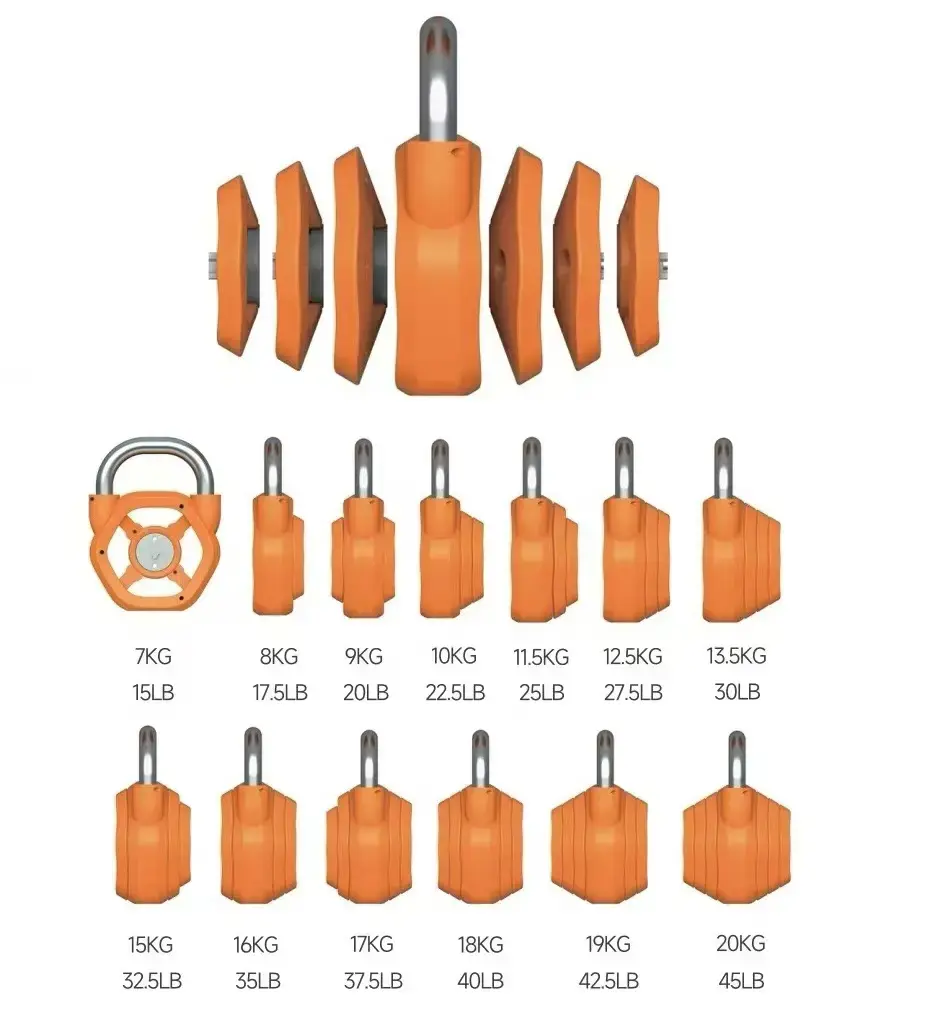
Purchasing decisions for adjustable dumbbells, steel dumbbell racks, and adjustable kettlebells should not be a simple choice between e-commerce and physical stores, but a comprehensive judgment based on order volume, time constraints, and product maturity.
E-commerce excels in price transparency, wide selection, and flexible customization, making it ideal for planned procurement and long-term partnerships. Physical stores offer irreplaceable value in immediate pickup, physical inspection, and small-batch mixed ordering.
For professional buyers, the most effective approach is to build a channel matrix: use trade shows to track industry trends, e-commerce to find cost-effective suppliers, and wholesale markets for emergency restocking. Suppliers that provide reliable certifications, sample support, and clear delivery promises deserve a place in your core supplier list, whether online or offline.