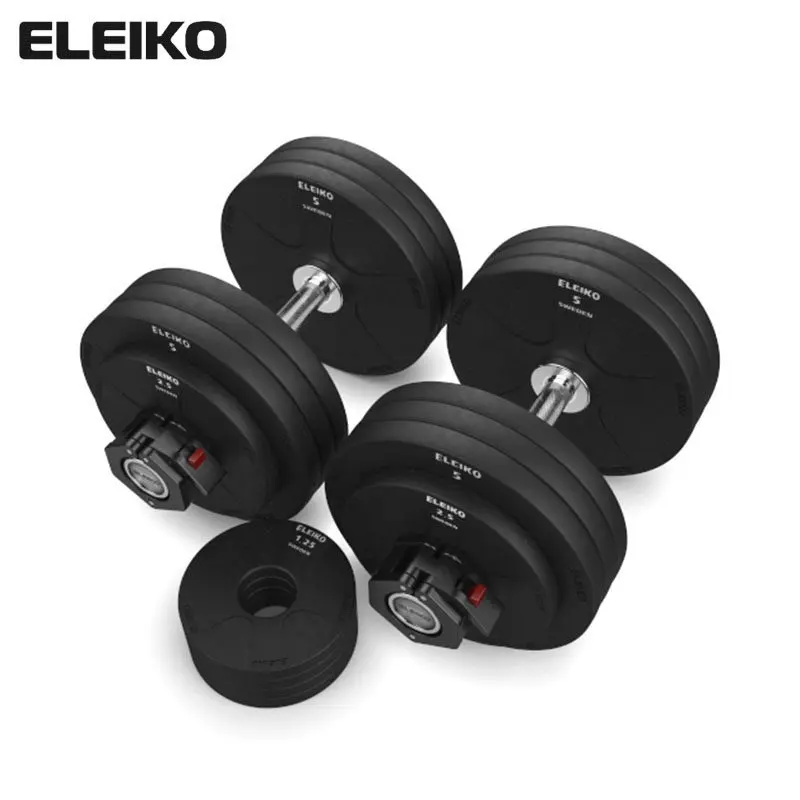

Adjustable dumbbell strength factory
Spare Parts, Replacement Collars and Service Kits: Building the Repeat-Order Line Behind an Adjustable Dumbbell Program
A Container Sold Once, Then the Customer Went Quiet for Two Years
A sporting goods wholesaler landed a strong first container of Adjustable Dumbbells with a regional gym chain and recorded it as a win. The margin was thin, the freight was heavy, and the next order did not arrive for twenty-six months because the product simply did not wear out. Meanwhile the same chain was buying replacement collars, grip sleeves and rack trays every quarter from a local fabricator at three times the factory price. The wholesaler had sold the hardware but never sold the consumable ecosystem around it. The repeat revenue was there the entire time; it had just never been quoted.
Why a Durable Product Needs a Consumable Strategy
Adjustable dumbbells are a long replacement-cycle product. A set that survives the drop test will plausibly last five to eight years in a commercial gym and far longer at home. Importers who plan volume around the replacement cycle run out of cash long before the customer runs out of dumbbells. The way out is to treat the programme as a platform: the initial unit sale is the entry ticket, and the serviceable parts are the annuity.
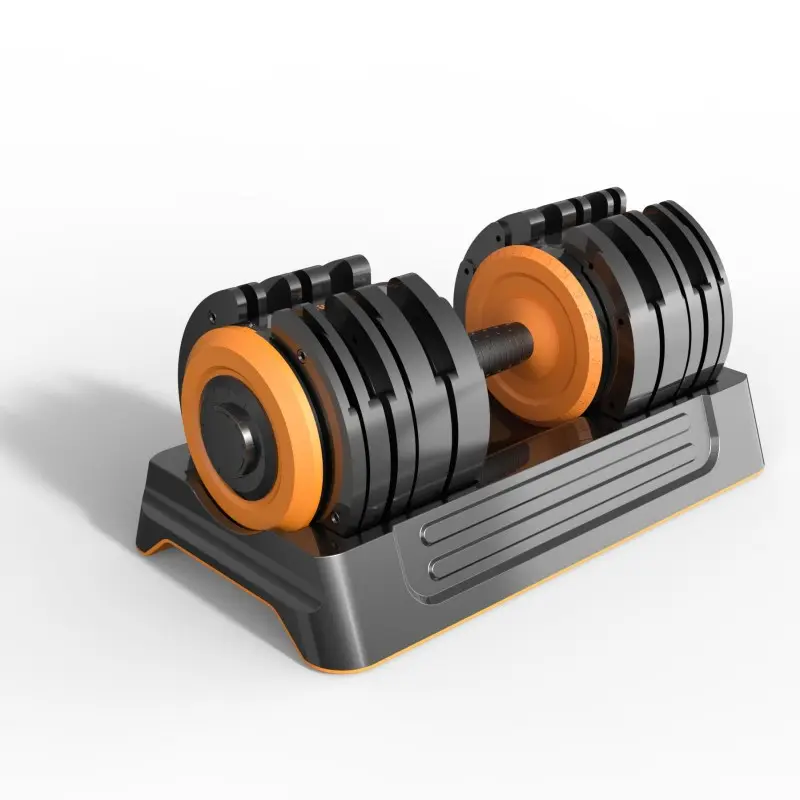
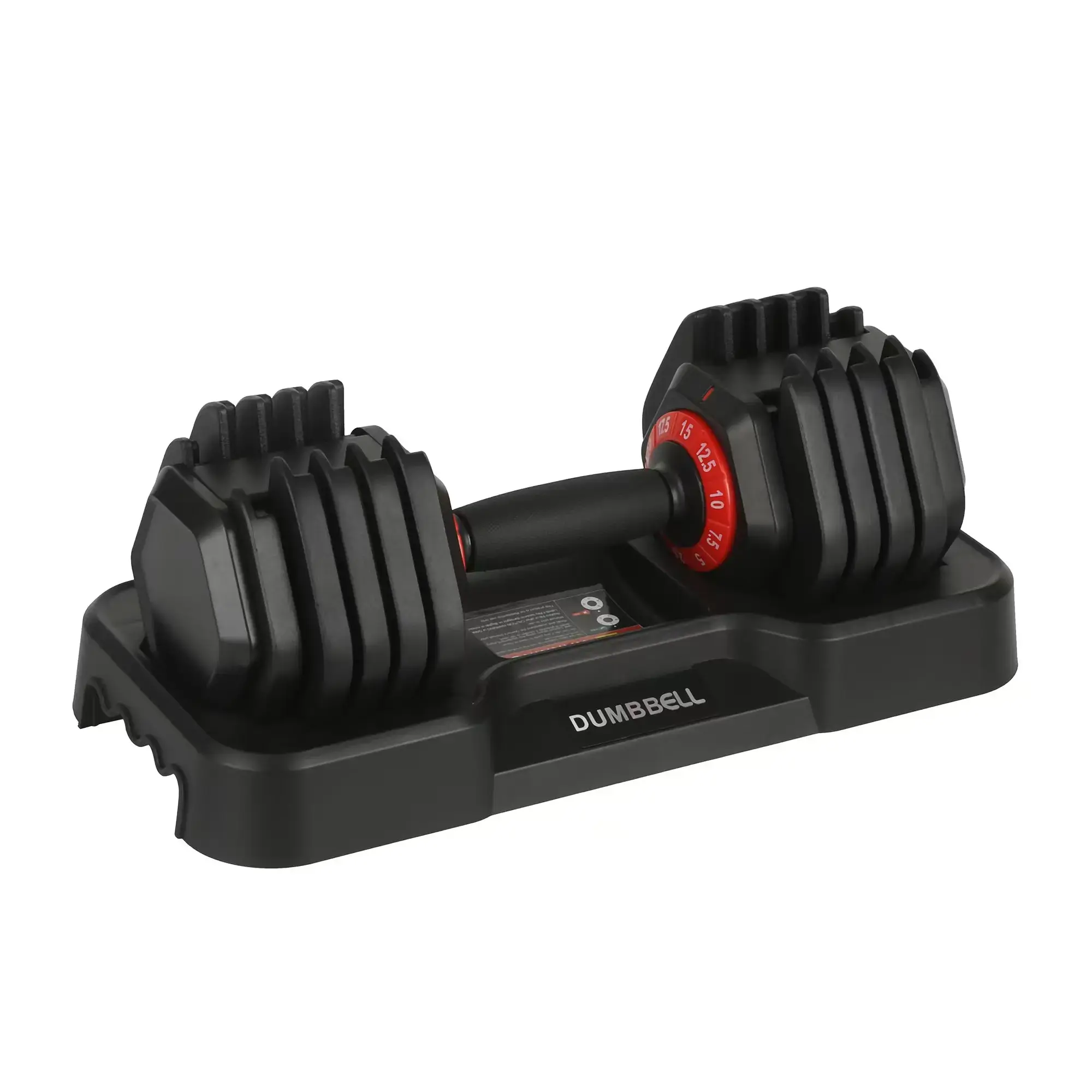
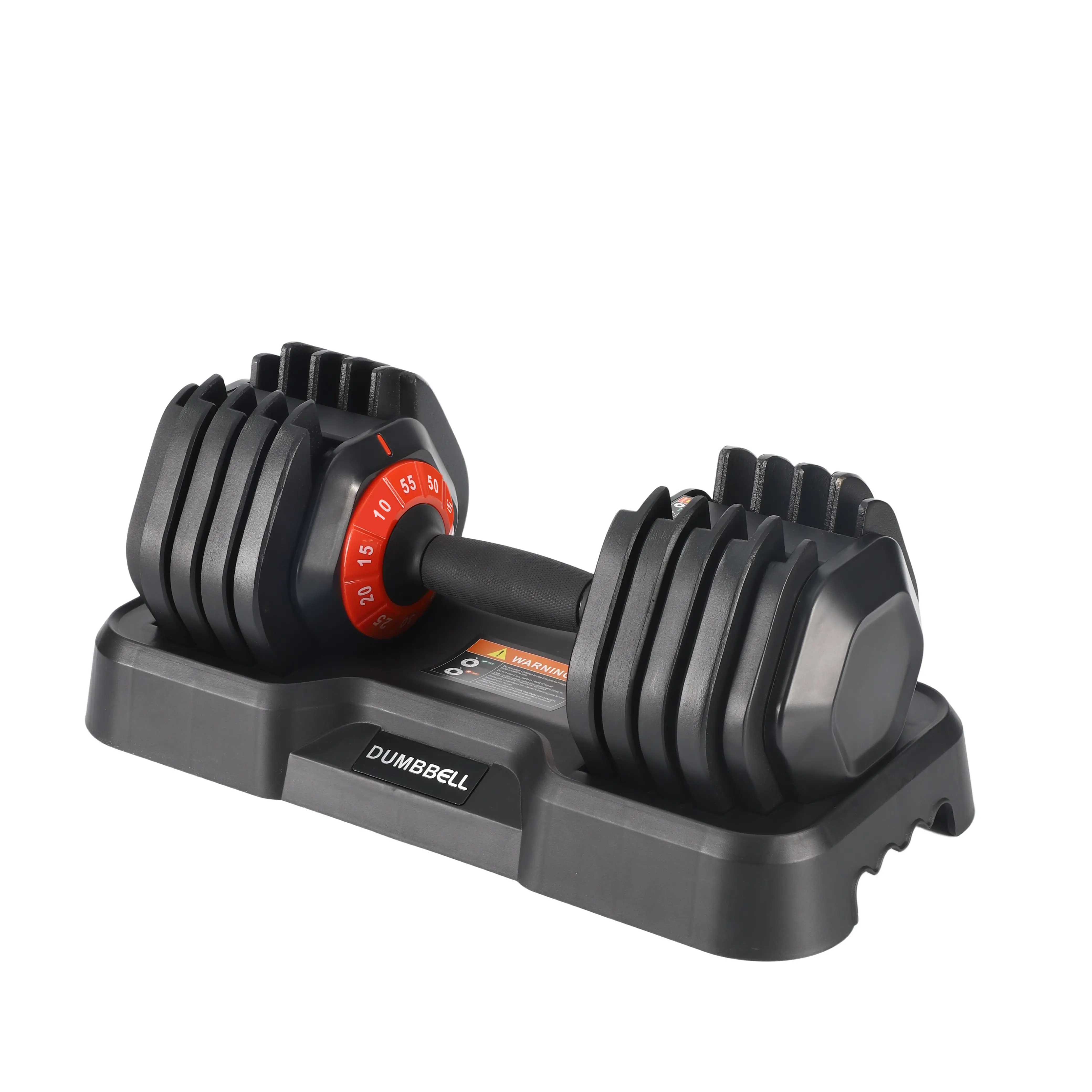
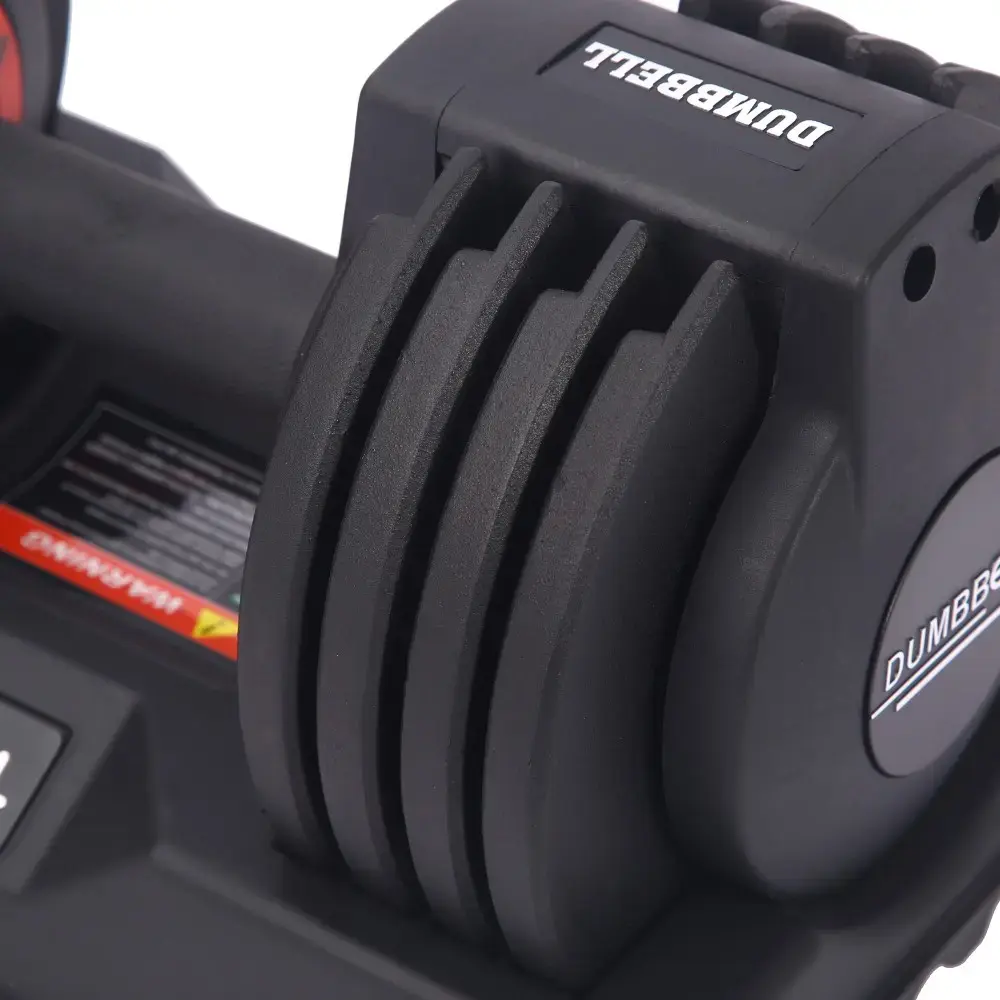
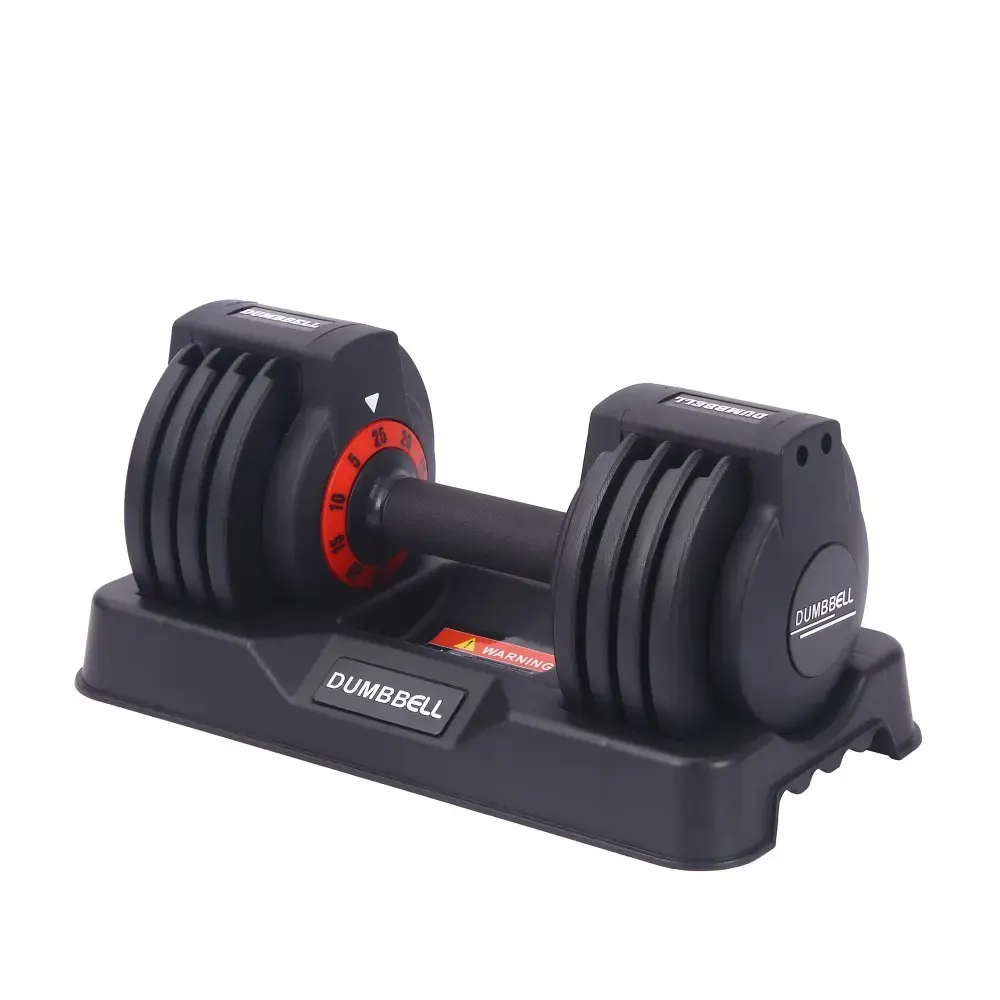
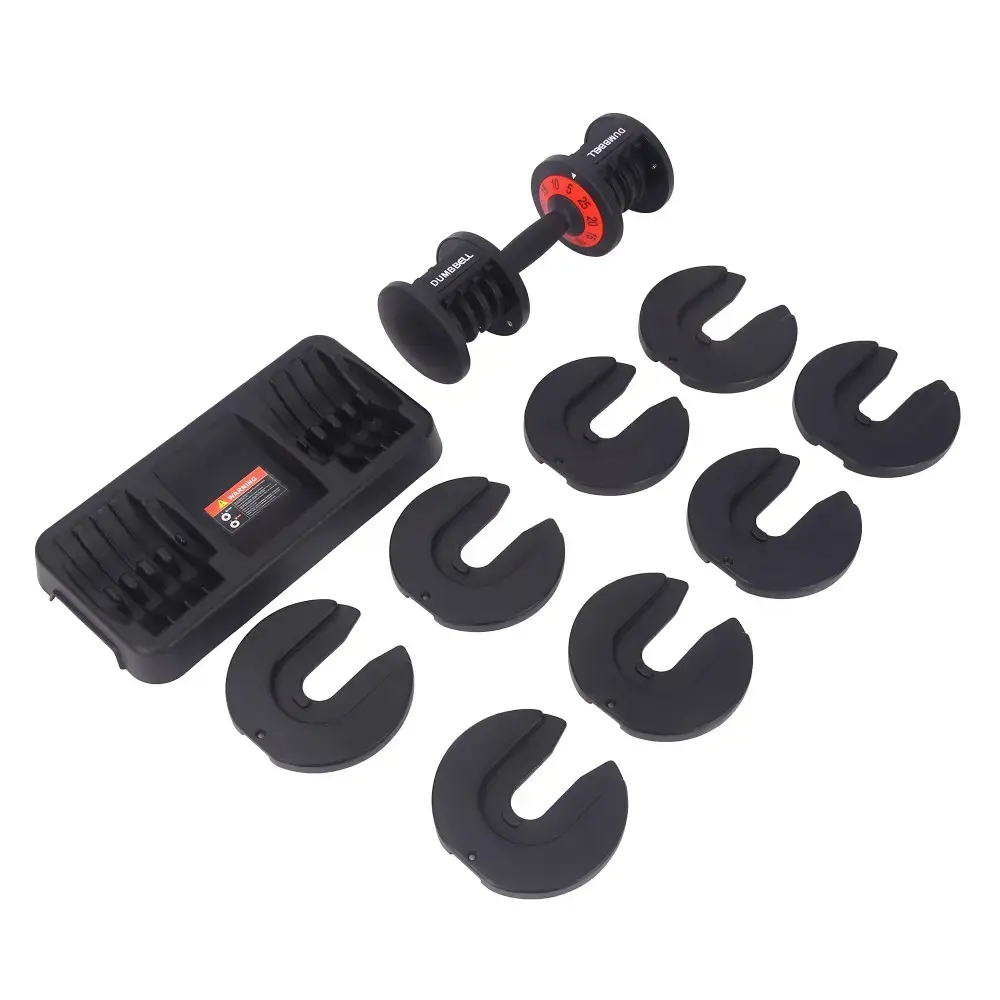
Map the wear points before you quote the first container. On a 25 kg adjustable dumbbell built for home and light commercial gym use the serviceable items are almost always the selection collars, the locking pin, the handle knurl grip and the end caps. Stock all four from the first shipment, not from the first complaint, because the cost of including them in the initial container is a rounding error against the cost of an air parcel later.
The Four Parts That Generate Repeat Orders
Not every component is worth carrying. Focus the spares programme on the parts that actually fail, and do not tie up cash in structural castings that essentially never break.
- Collars and locking pins — the highest failure rate on any adjustable design, and the first thing a gym manager asks for.
- Handle grips and knurl sleeves — cosmetic wear that drives a replacement long before the metal is tired.
- End caps and feet — lost in transit, cracked in storage, and cheap enough to give away as goodwill.
- Rack trays, liners and bolts — the accessory that turns a dumbbell customer into a storage customer.
Standardise the Platform Before You Stock the Parts
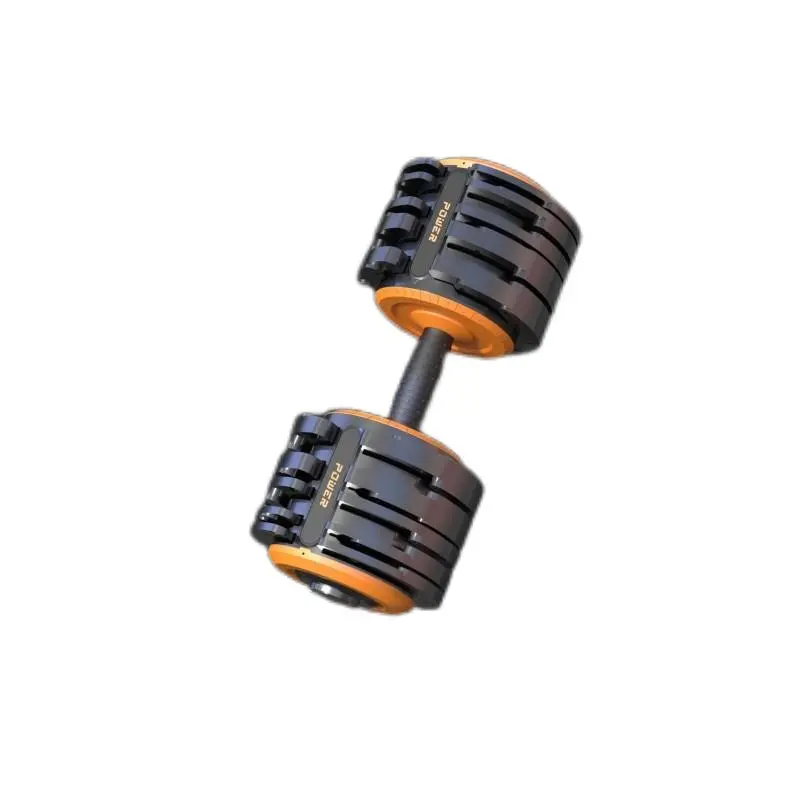
The economics only work if the installed base shares parts. Carrying spares for six unrelated mechanisms is a warehouse problem, not a margin opportunity. Consolidate onto one or two adjustment mechanisms across the whole range so that a single collar references every weight band you sell. This is the strongest argument for building the programme around one cast iron adjustable dumbbell set family rather than sourcing each price point from a different factory.
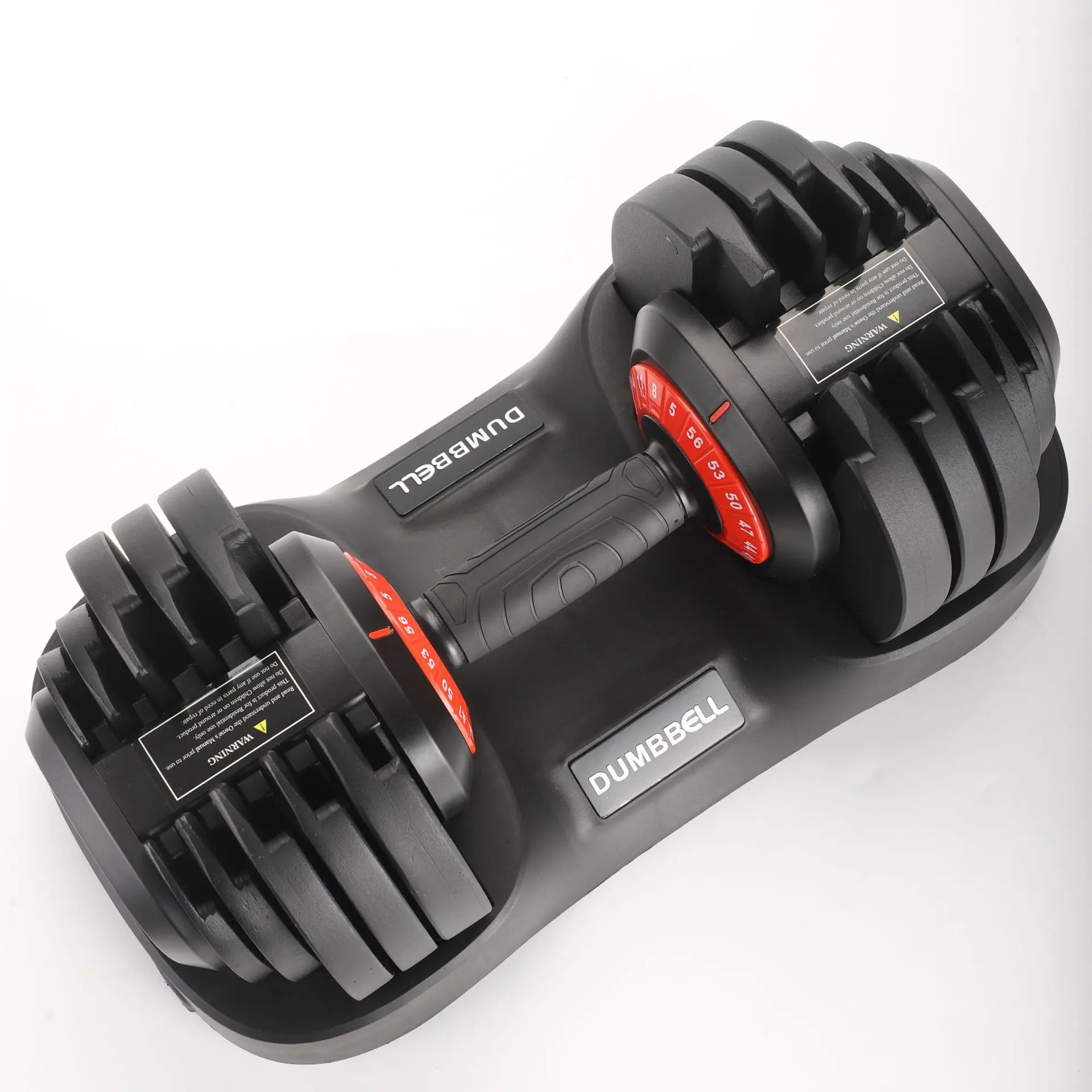
Weight band planning and parts planning are the same exercise. A heavy 125 kg adjustable dumbbell aimed at serious strength users generates far higher collar and pin wear per year than a light home unit, so the commercial tier should carry a higher spares ratio in your stocking plan than the home tier. A flat spares percentage across all weight bands always leaves the commercial accounts short.
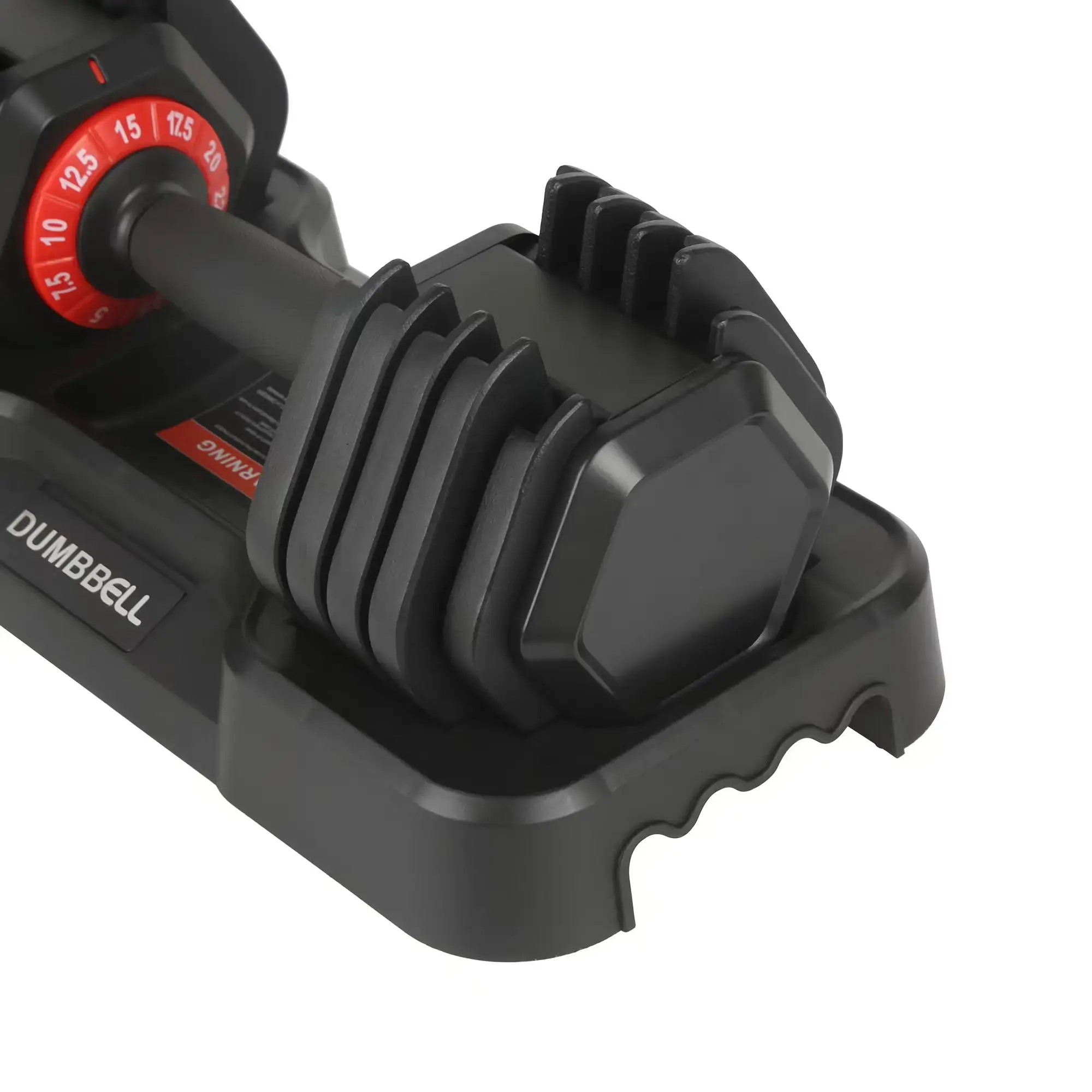
Attach the Rack From Day One
The single most reliable repeat-order item in the category is not a spare part at all — it is storage. Every gym that buys a run of dumbbells eventually buys a rack, and most buy a second one when the floor plan changes. Quote a mobile iron dumbbell rack alongside the first dumbbell quotation rather than waiting for the customer to ask, because a rack sourced locally later will not match the tray spacing of your dumbbells and the customer will blame the fit on the weights.
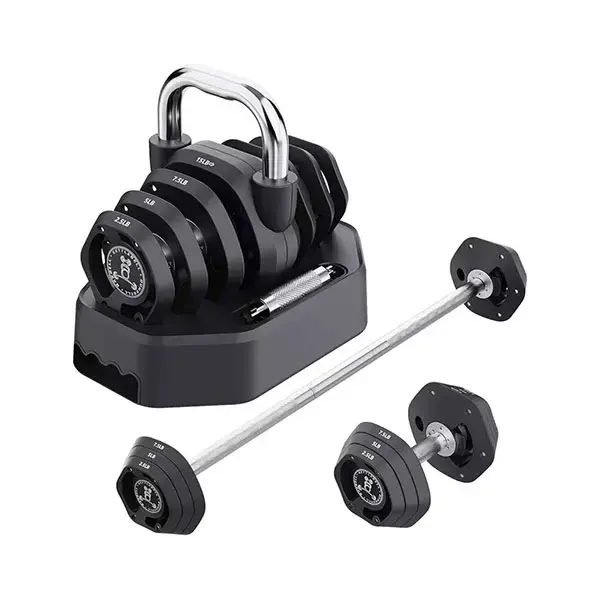
Automatic quick-change mechanisms deserve separate treatment. A 25 lb automatic quick-change adjustable dumbbell has more moving parts than a manual collar design, and the service kit for a quick-change unit should be quoted as a line item with its own part number. Selling a quick-change product without a service kit is how a good first container becomes a warranty dispute.
Price the Annuity, Not Just the Unit
Build the quotation in three lines: the initial unit, the spares starter pack, and the replenishment schedule. Offer the starter pack at near cost with the first container and hold a healthy margin on refills, because that is where the customer has no alternative supplier and no freight leverage. The importer who only quotes the dumbbell is competing on price every single cycle; the importer who holds the parts is not competing at all.
Put the replenishment schedule into writing as a standing order with a review date rather than leaving it to the customer to remember. A quarterly review tied to the gym's membership cycle gives you a natural reason to call, and the call that starts with "you will be short of collars next month" is the call that renews the account.