

Adjustable dumbbell strength factory
OEM or ODM Adjustable Dumbbells: Deciding Tooling, Mould Ownership and MOQ Before You Sign a Private Label Deal
The Same Dumbbell Appeared Under a Competitor's Brand Eighteen Months Later
A fitness equipment importer in Western Europe launched a private label Adjustable Dumbbell through an ODM arrangement and moved three containers in the first year. The product looked distinctive, the reviews were good and the range sold through. Then a rival brand in a neighbouring market launched an identical product at a lower price, right down to the knurl pattern and the selector dial. When the importer asked the factory to intervene, the answer was that the mould belonged to the factory and the design was never exclusive. Worse, when the importer tried to move production, they discovered that no drawing package existed in their own name and every replacement supplier quoted a full tooling programme again. The saving that made ODM attractive at the start became a switching cost that locked them in for two more years.
What You Are Actually Buying in Each Model
The two routes are often described as a price difference, but the real difference is what you own at the end of the programme. In an ODM arrangement the factory supplies an existing design, existing tooling and an existing test history, and you buy the right to put your name on it. In an OEM arrangement you fund or co-fund new tooling against your specification and, in principle, control where that tooling sits and who can run it.
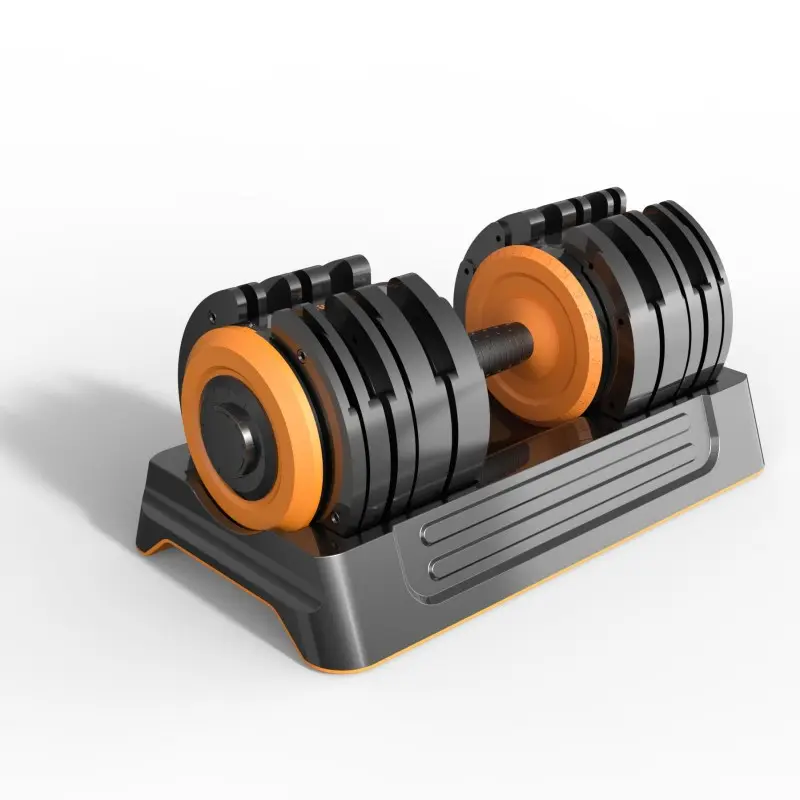
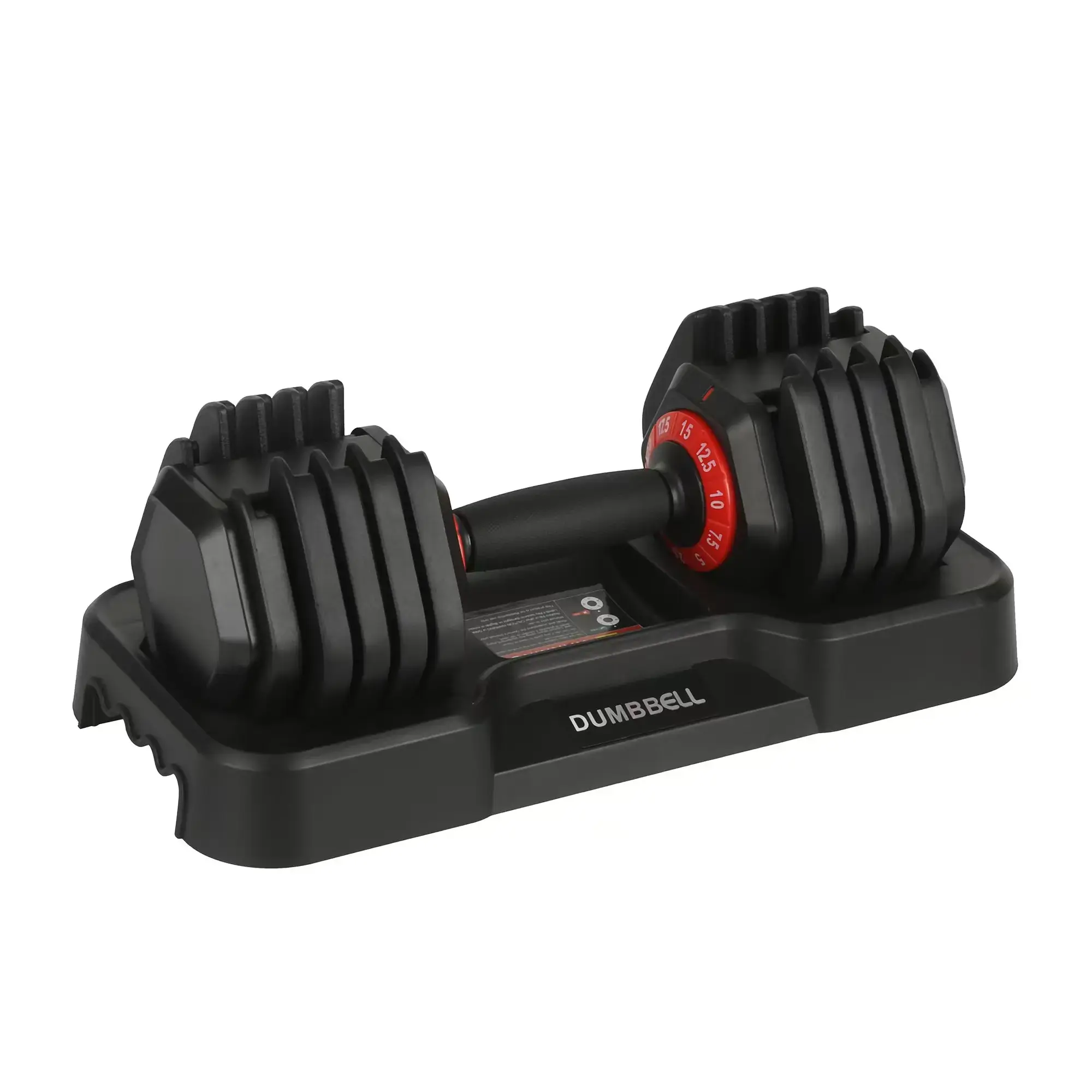
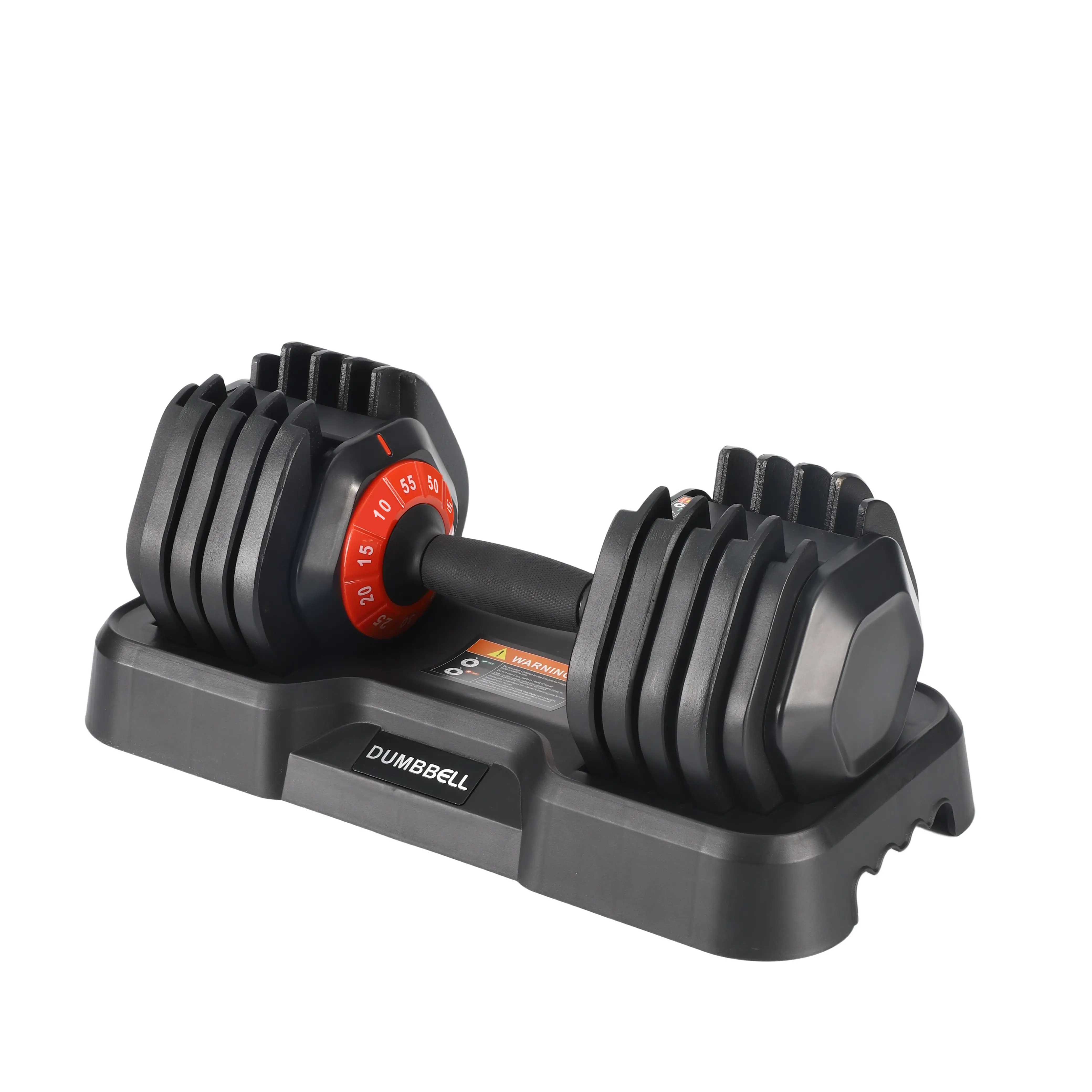
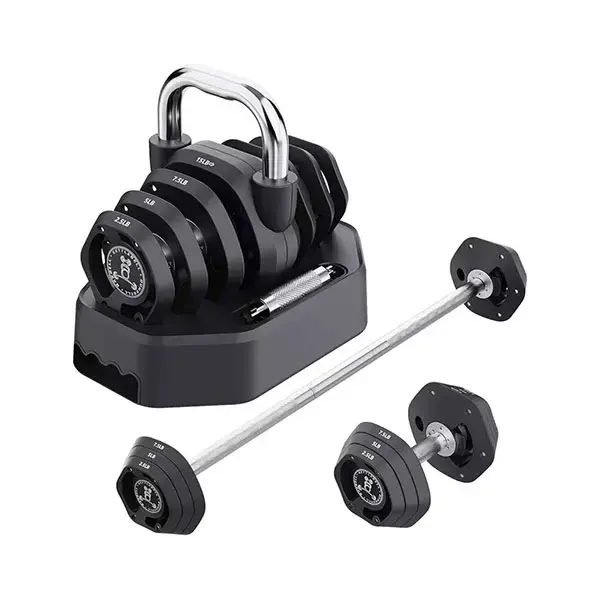
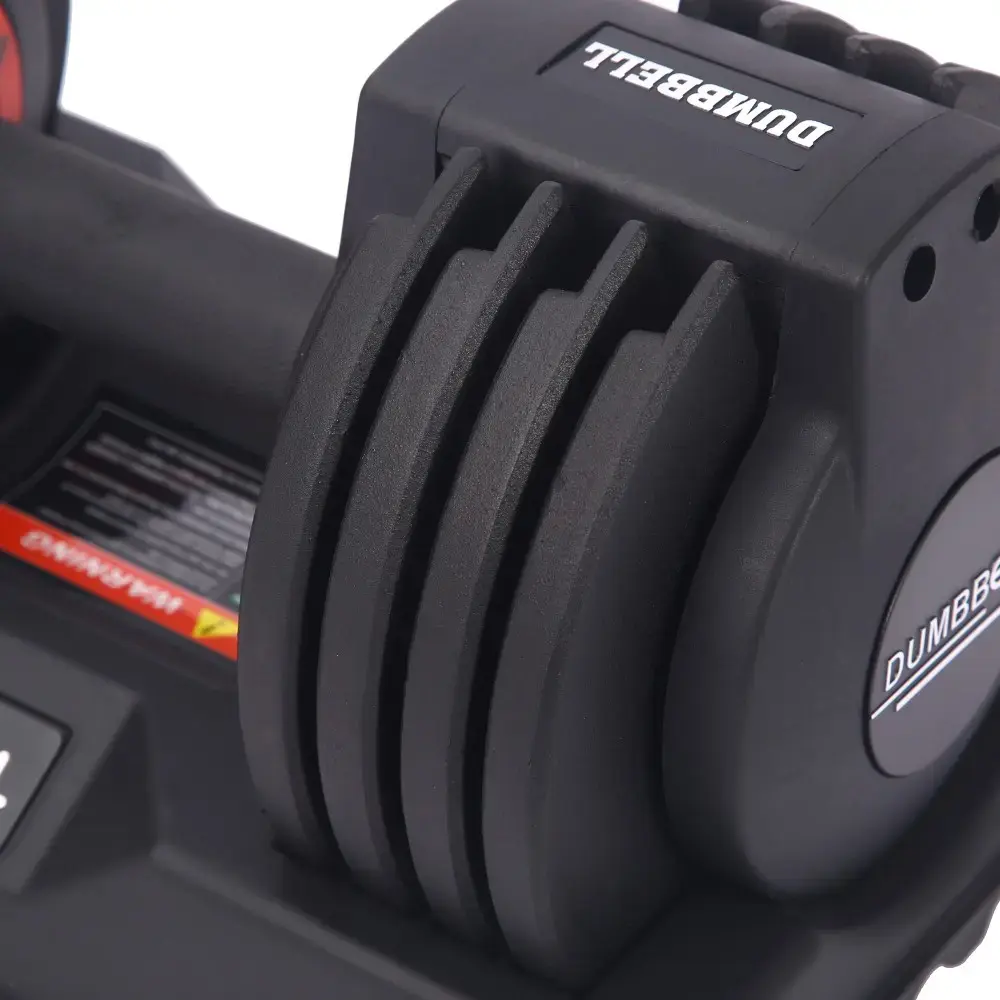
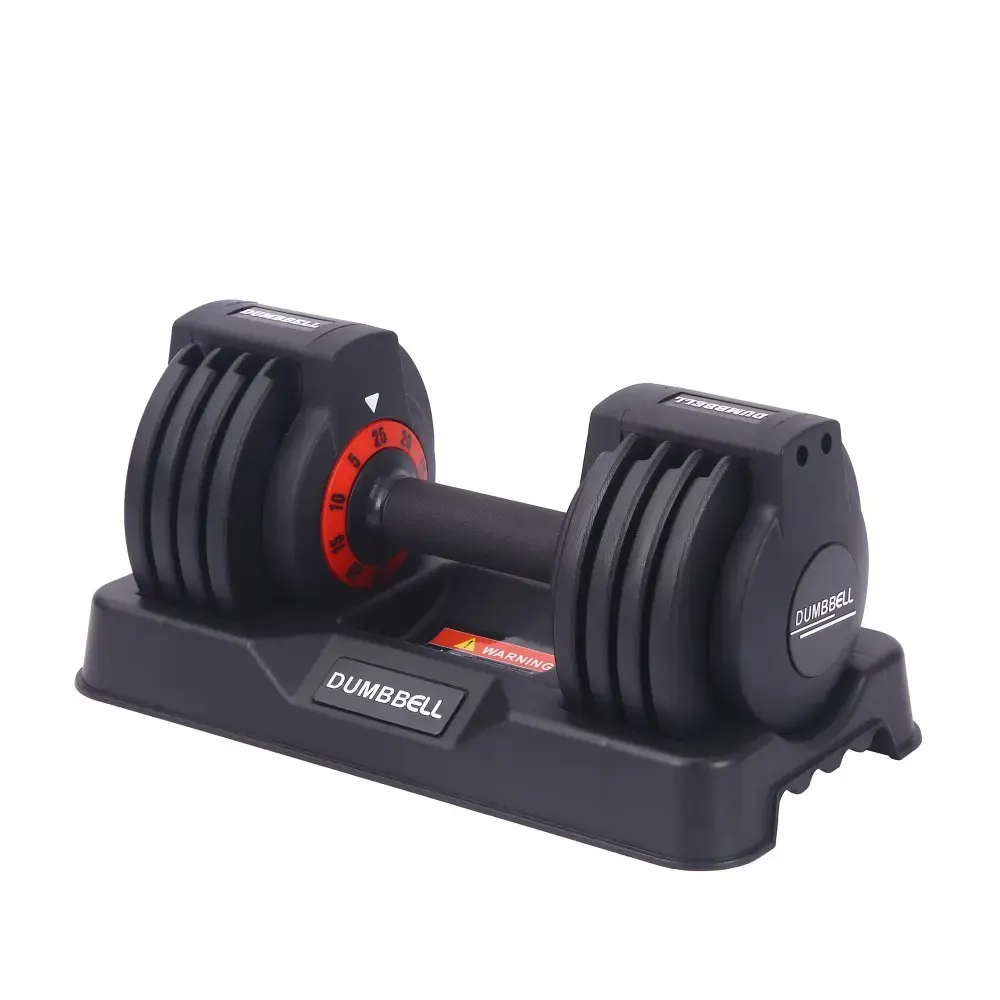
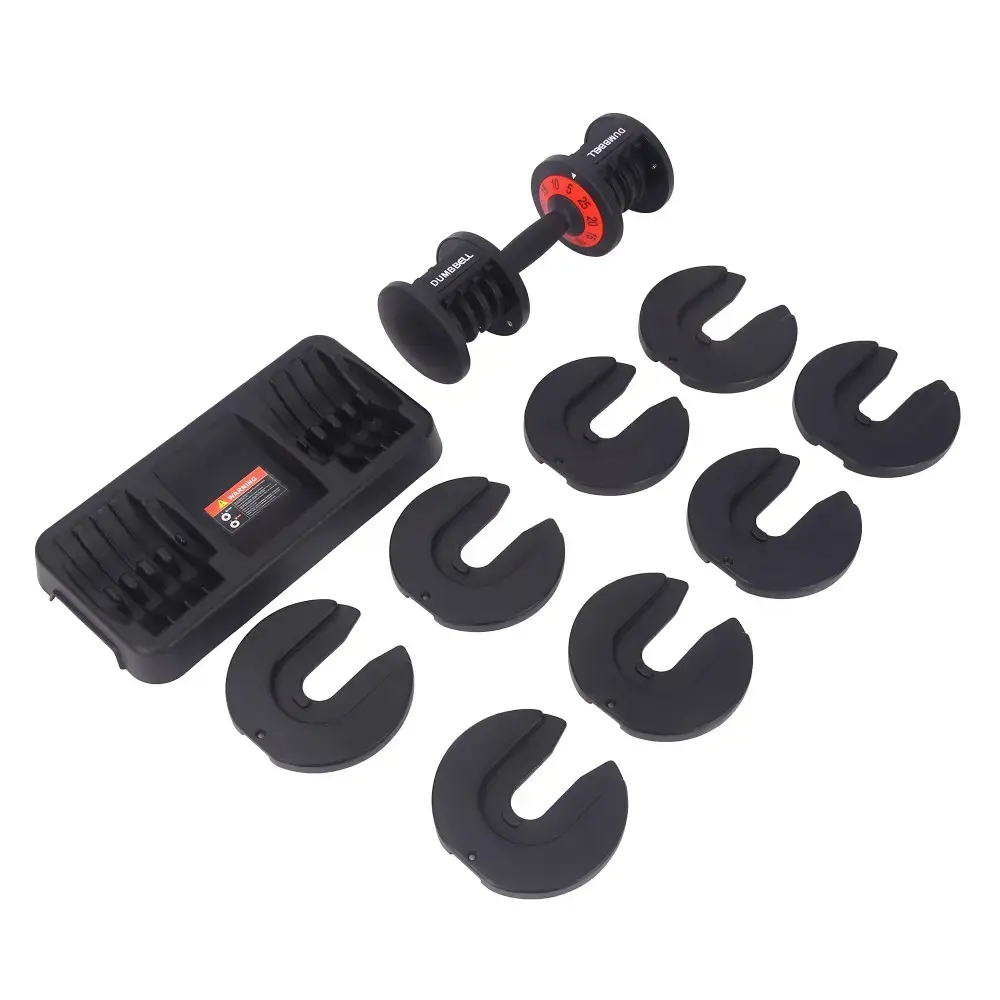
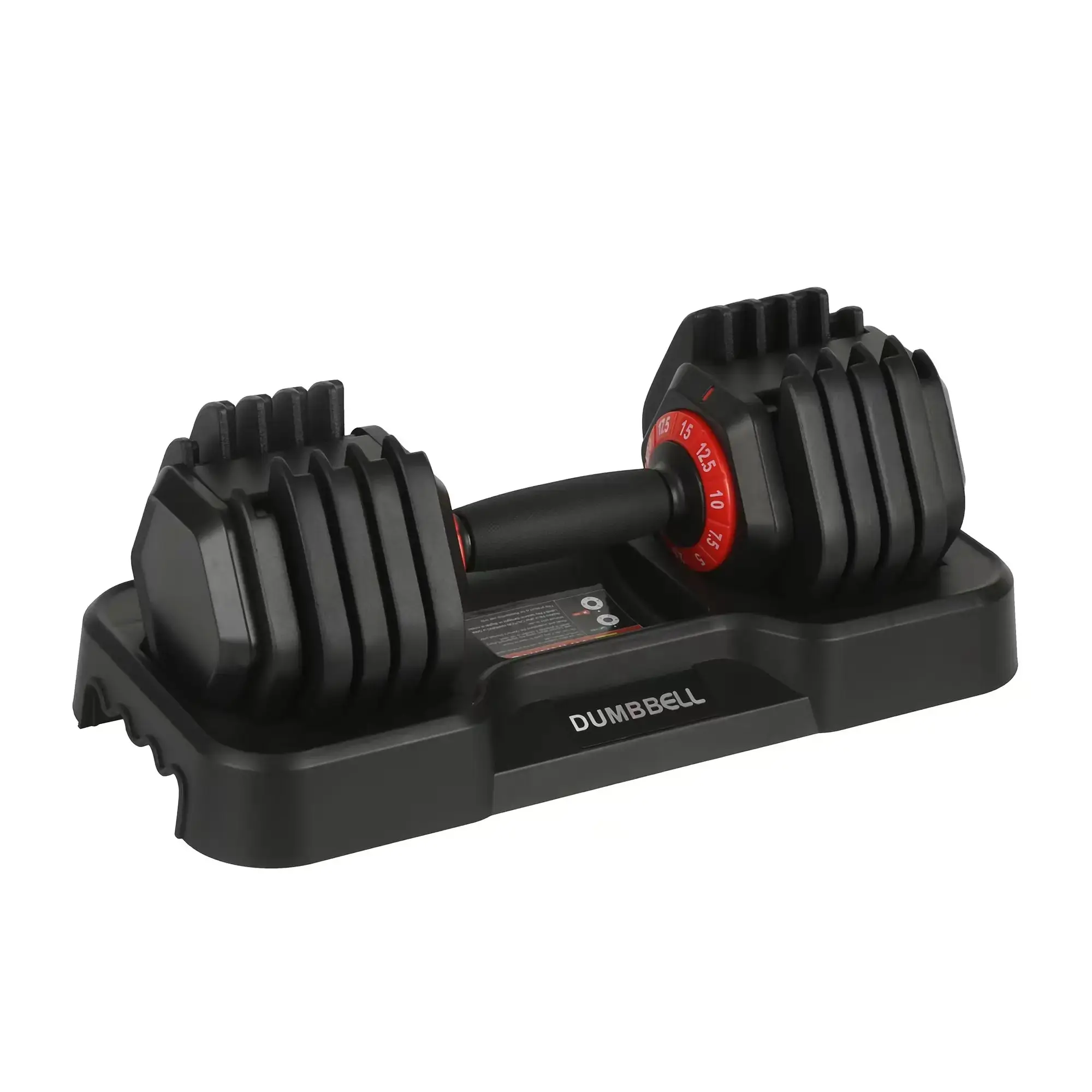
For Adjustable Dumbbells the distinction matters more than in most categories, because the selector mechanism is the part that carries the engineering. A automatic quick change adjustable dumbbell depends on tight tolerances across the cam, the plate stack and the locking pin, and those tolerances live in the tooling, not in the drawings. If you do not control the tooling, you do not control the product.
Tooling Cost, Tooling Ownership and the Clause Nobody Reads
Every importer asks what the tooling costs. Far fewer ask who is named as the owner of the mould on the tooling invoice. Paying for tooling without a written ownership clause leaves you with a moral claim and no legal one. The purchase order and a separate tooling agreement should state the mould number, the owner, the custodian factory, the permitted uses and the conditions for release to another facility.
Three clauses decide the outcome. An exclusivity clause limits who else the design may be sold to and for how long. A release clause sets the process and the cost of moving the tooling if the relationship ends. A buy-back or amortisation clause defines what happens if the factory has amortised the tooling into the unit price. A tooling programme without all three is a donation, not an investment, and importers discover this only when they try to leave.
Where MOQ Really Comes From
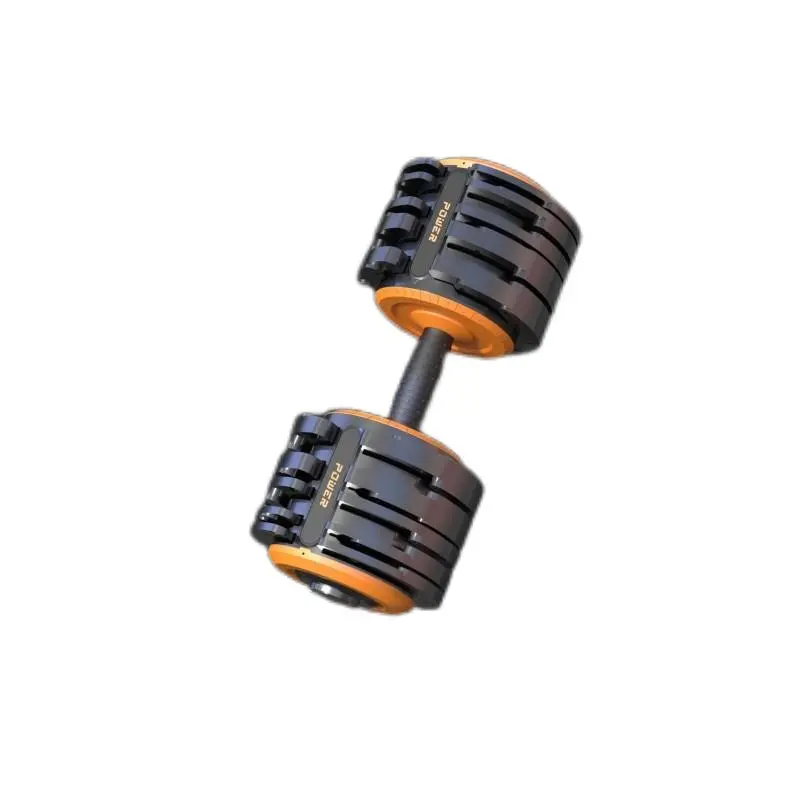
Minimum order quantities are rarely arbitrary, and understanding the source lets you negotiate the right part of the number. The factory's MOQ is built from machine setup time, material purchase lots, finishing line changeovers and packaging print runs. On a cast iron plate line, the setup and the plating or coating batch dominate. On a adjustable cast iron dumbbell set the coating colour is frequently the binding constraint, because a second colourway can trigger a full second production run rather than a simple split.
Packaging is the other hidden driver. Printed cartons and multilingual manuals have their own minimums that usually exceed the hardware MOQ, which is why a first order often feels oversized. Ask for the packaging MOQ separately from the product MOQ and consider generic cartons with a printed label for the first shipment. This trades a little shelf impact for a materially smaller opening commitment, which is usually the right call before the sell-through rate is proven.
Testing, Certification and Who Holds the Files
ODM is genuinely attractive on compliance, because an existing design often carries existing test reports and you avoid a full test programme. The trap is that those reports are usually held in the factory's name and may not transfer. Before you rely on them, confirm in writing that the report scope covers your brand name, your markets and your product configuration. A report issued for a different handle length or a different maximum load does not cover your unit, and marketplace and retail compliance teams do check.
Weight accuracy deserves specific attention. Set a tolerance in the specification for both total assembled weight and each increment step, and require a calibrated scale record from the production line rather than from a sample built for the photo shoot. Unverified increment accuracy is one of the fastest routes to a retail delisting, because customers notice immediately and return the product as faulty.
The Switching-Cost Test Before You Sign
Run one simple exercise before committing. Ask yourself what it would cost, in money and in months, to move this product to a different factory next year. If the honest answer is that you would need a new tooling programme and a new test programme, then you do not have a supply chain, you have a dependency. That may still be an acceptable decision for a first order, but it should be a deliberate choice with a planned review date rather than an accident discovered later.
Volume shapes the answer. A brand planning a single product line may reasonably accept ODM and the dependency that comes with it. A distributor building a 25 kg adjustable dumbbell for home gym range should fund the tooling and secure the drawings from the first order.
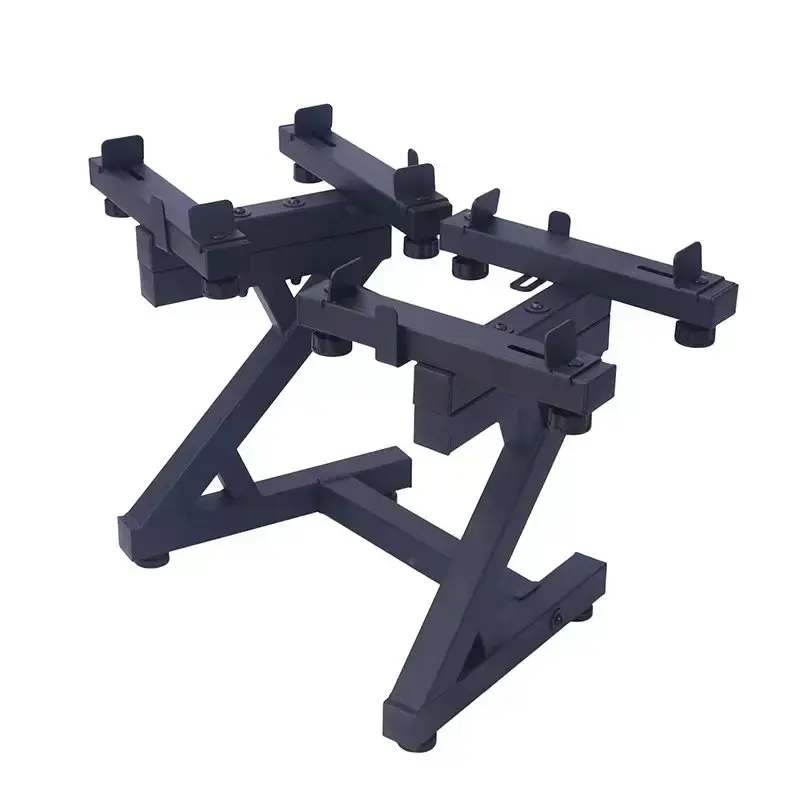
An adjustable dumbbell rack makes the argument stronger, because the rack and the dumbbell must stay dimensionally compatible for years and losing control of either one strands the other.
The Bottom Line
Treat tooling ownership, exclusivity and release terms as the real subject of the negotiation, not the unit price. Separate the packaging MOQ from the hardware MOQ and confirm that test reports actually name your brand and configuration. The importer who signs an ODM deal because it was forty cents cheaper per unit usually pays for it many times over the first time they try to leave.