
Adjustable dumbbell strength factory
Setting a Salt-Spray and Sweat Test Standard for Adjustable Dumbbell Plates
The container landed after a humid crossing, and at first the plates looked like the golden sample. Then, one coastal season later, rust bloomed around the dial and the knurled grip. The factory said the coating had never been specified beyond "powder coat"; the buyer had no written limit to quote back. A salt spray test and an artificial sweat test written into the purchase order would have turned that argument into a measured pass or fail — and given the importer a claim to make.
Why does a golden sample fail one season later?
A golden sample proves one unit looked right on one day. It does not prove a coating survives salt air or the acid and alkali of human sweat. Those two agents attack a plate from opposite directions, and neither shows up in a visual check at the factory gate. A coating promise that stops at "powder coat" gives a buyer nothing to reject against when rust appears in month eight.
The answer is a written test standard attached to the order. It states the coating system, the film thickness, two salt-spray durations, two sweat pH levels, an adhesion grade and a cycle count. None of it is expensive, and most of it can be run at a third-party lab in one week.
Which coating and thickness should the order name?
Start with the system. Powder coat, electroplate and e-coat behave differently under a scribe, so the purchase order must name one and fix a nominal dry-film thickness. For plate steel, a 60-80 microns dry film is a workable band to specify and to measure with a gauge. Below that, edges go first; above it, fine knurl detail can fill in. Put the nominal micron value in writing before the factory picks a cheaper, thinner cycle.
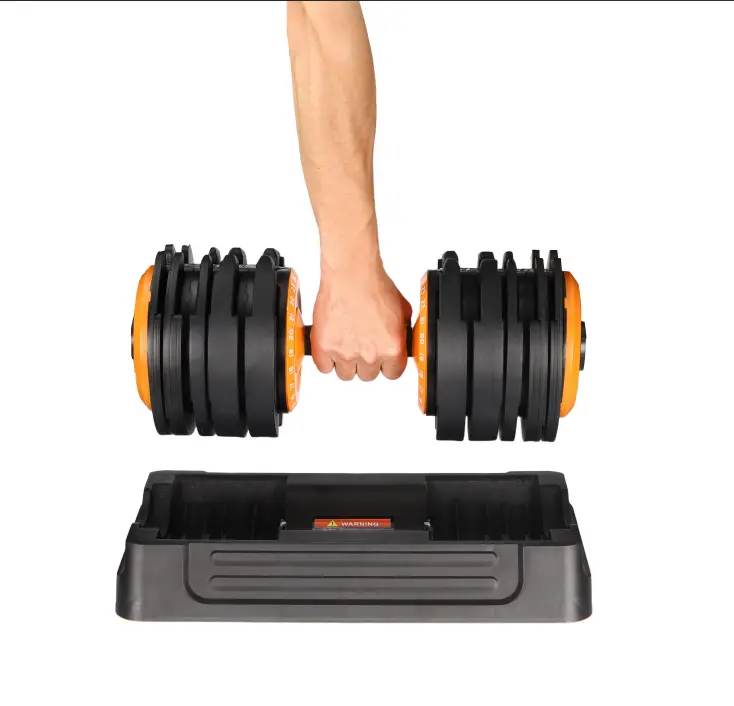
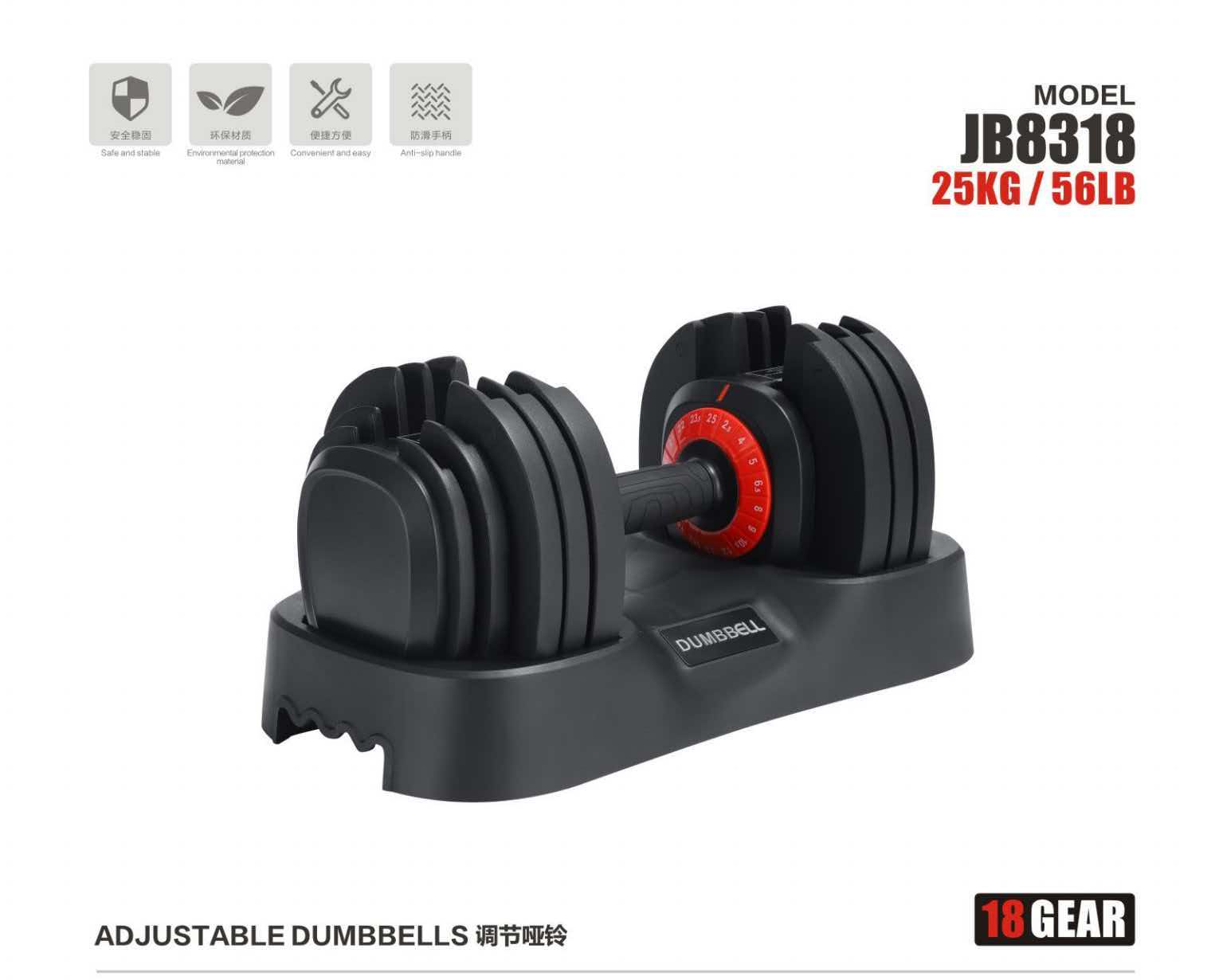
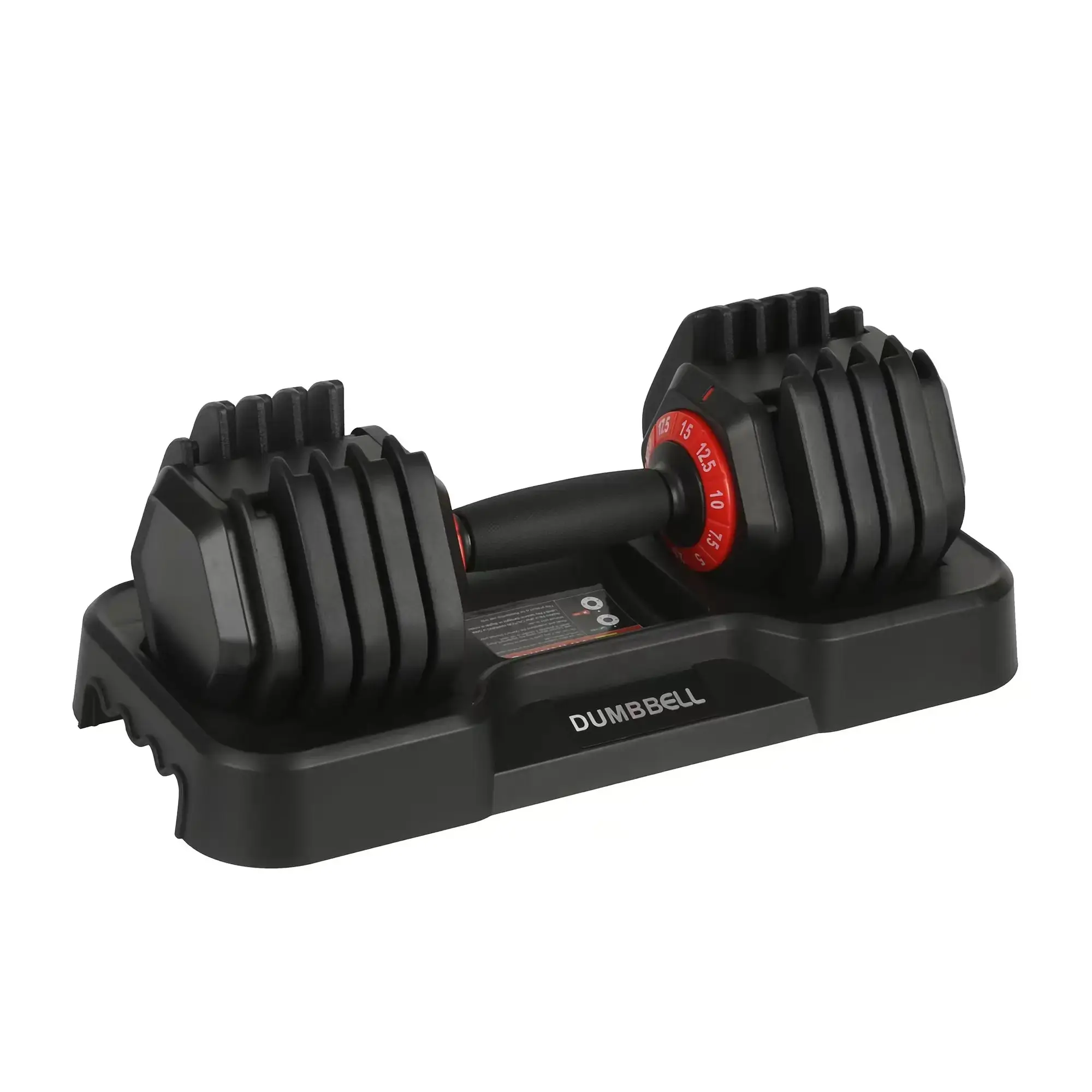
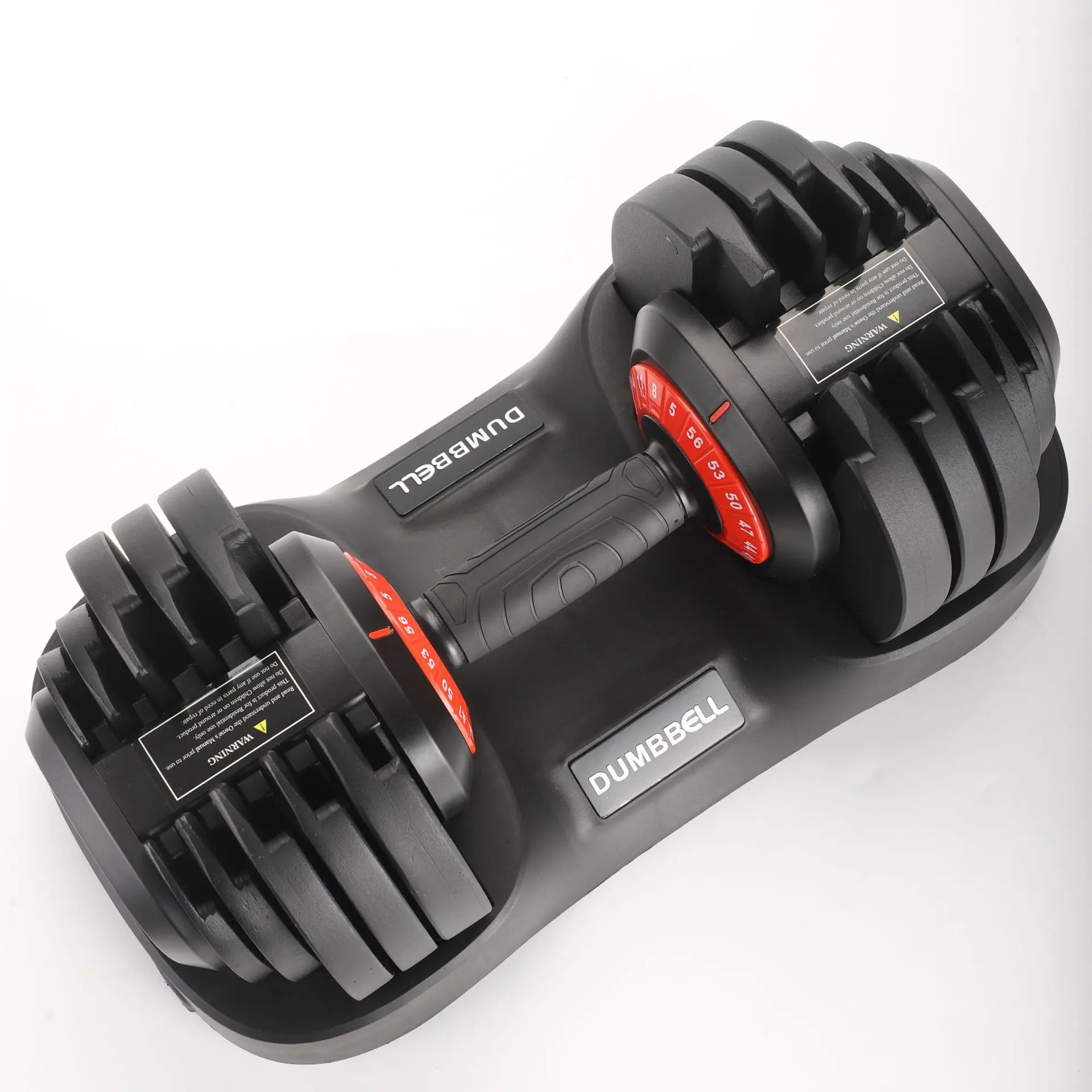
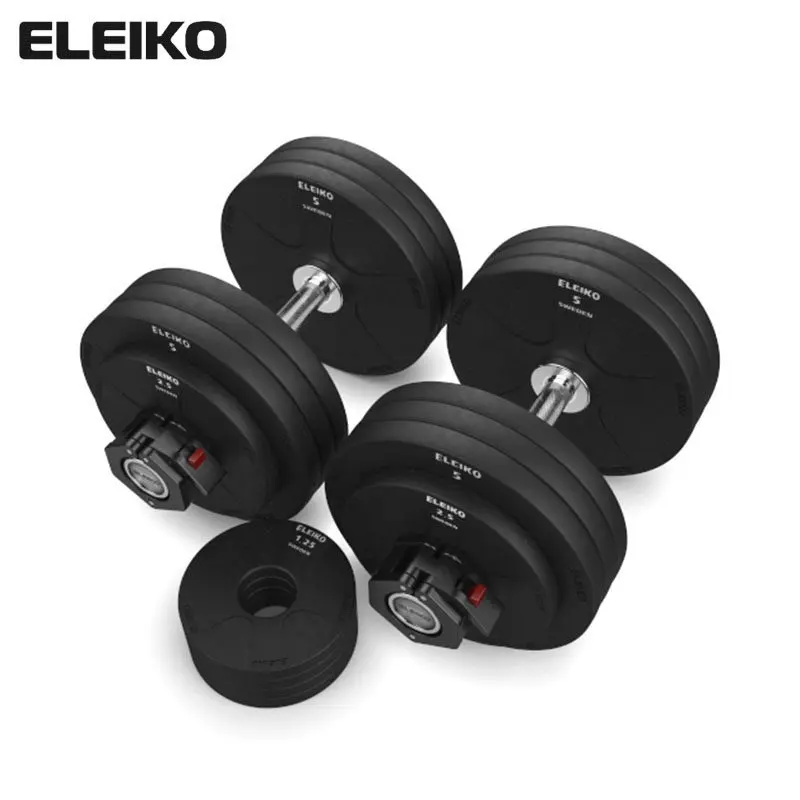
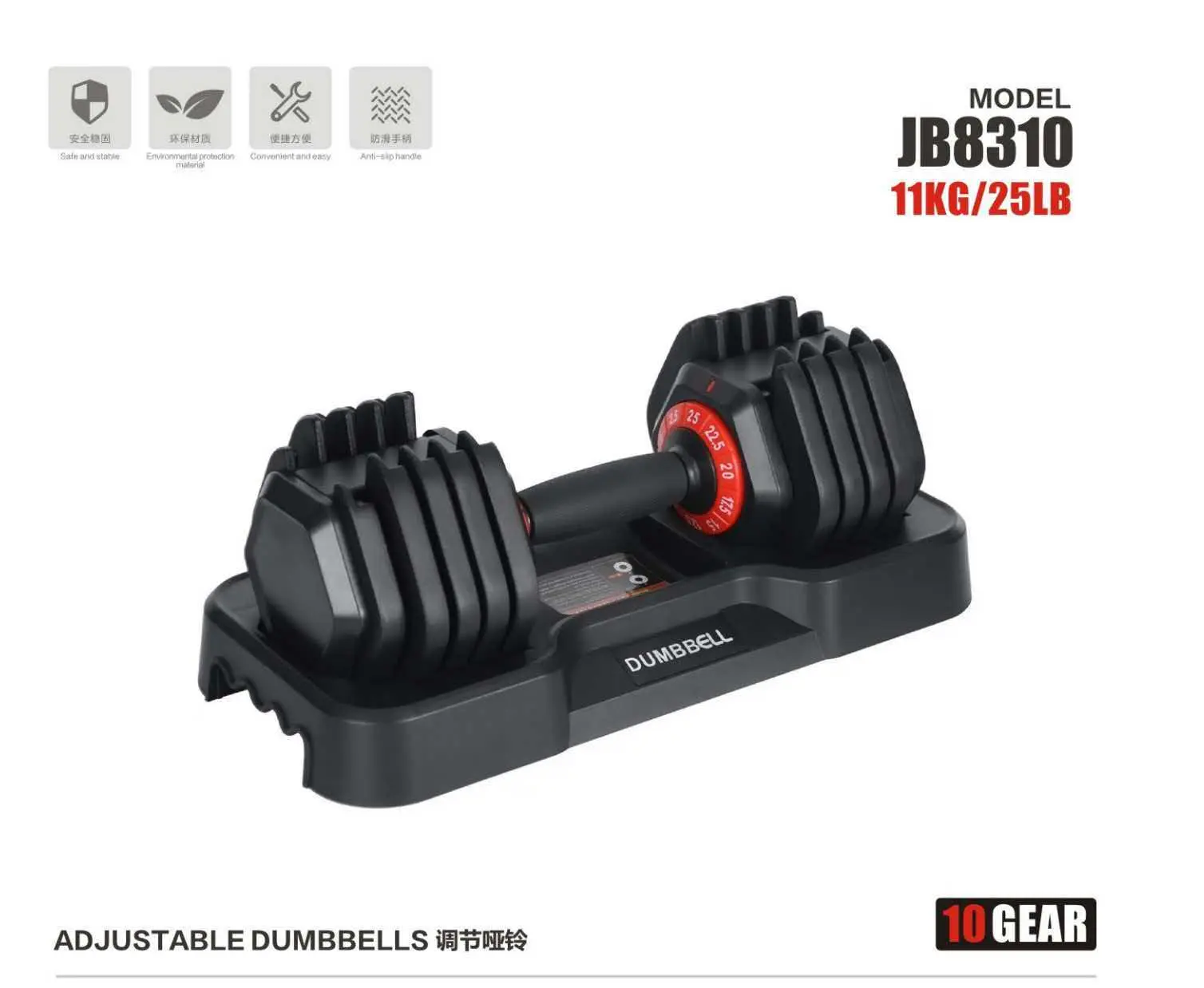
25kg/55lb adjustable dumbbell for home gym is handled on nearly every plate change, and its coating grade should be the reference the whole order is measured against. Write the film-thickness band into that line item first, then roll the same clause across the rest of the range.
How should the salt-spray and sweat tests be run?
Run neutral salt spray to two endpoints: 240 h and 480 h. After each, scribe a line through the coating and measure rust creep back from that line in millimetres, rather than judging overall appearance. Pair this with an artificial sweat soak at pH 4.7 and pH 8.0 for 48 h each, covering the acidic and alkaline ends of real sweat. Condition every sample 24 h at 23 C and 50% RH before rating so the numbers are comparable.
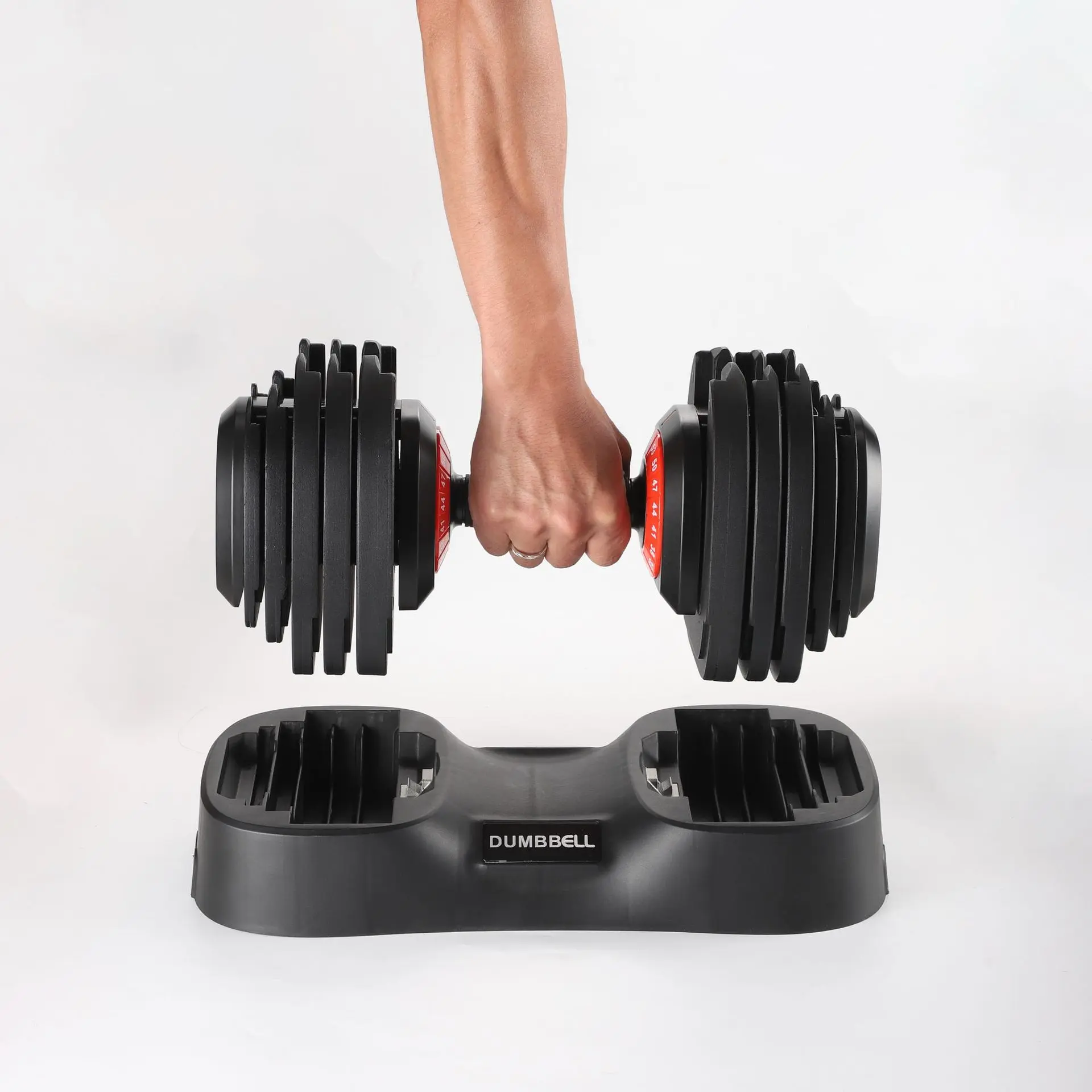
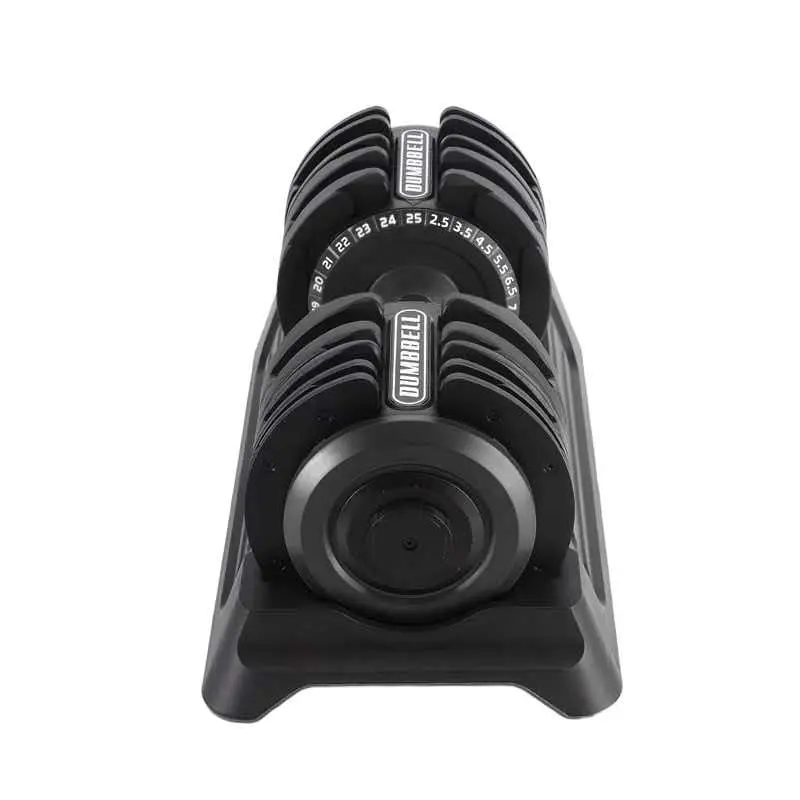
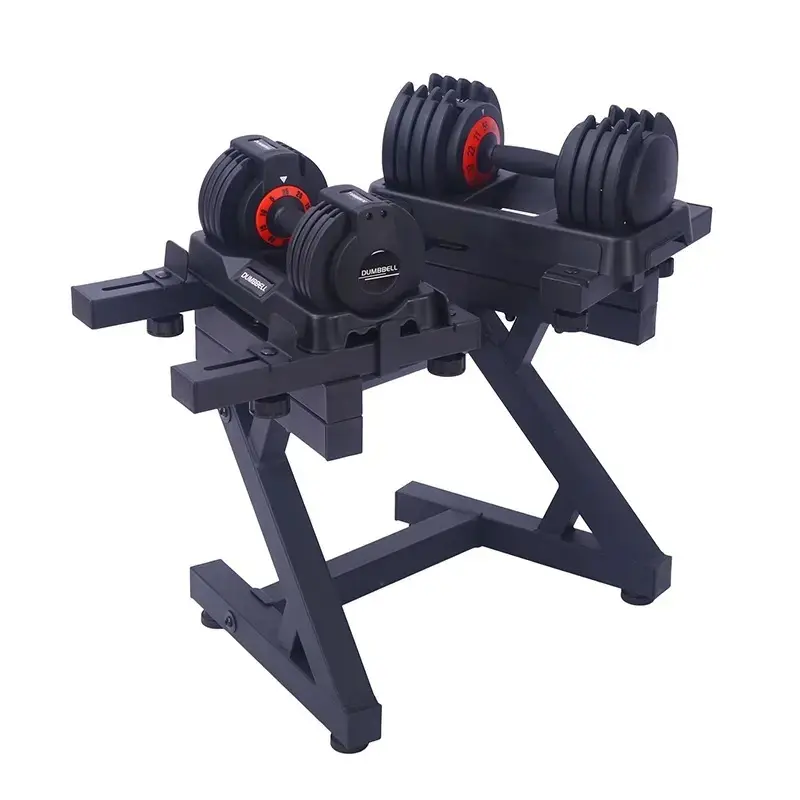
25lb adjustable dumbbell for durable home fitness concentrates its moving parts at that dial, so make the 480 h salt-spray reading at the dial edge a named acceptance point, not a general note. Rate the dial and the flat plate face separately; one can pass while the other fails.
25kg/56lb adjustable dumbbell for strength training, the grip coating is the surface to soak and inspect after both pH exposures, because repeated palm contact drives moisture into the knurl. Note any blistering or discoloration at the knurl roots in the lab report.
What adhesion and cycle results count as a pass?
Corrosion resistance is only half the picture. A cross-cut adhesion test, rated to a stated grade, tells you whether the coating stays put once it is nicked. Add a 500-cycle rub or dial-rotation test on the adjustment mechanism, then re-rate adhesion and look for flaking at the scribe. A coating that resists rust but peels at 300 cycles is still a failed plate.
Sampling has to be fixed too. Take 8 units per lot at AQL 2.5, chosen across the production run rather than off the top of one carton, and average results instead of trusting one patch.
25lb adjustable dumbbell for home exercise gets the cross-cut test on three separate plates, with the grades averaged; a single clean patch proves very little about a coating line.
25kg/55lb adjustable dumbbell for gym exercise turns its dial hundreds of times in a commercial cycle, so record the 500-cycle result on that SKU and check that coating build-up has not tightened the adjustment. This is a coating check, not a duty-cycle claim.
Run the same protocol on every lot, not only the first. A coating line drifts as bath chemistry ages and rollers wear, so a pass in March says nothing about a shipment in August. Fix the lab, the sample plan and the rating scale in the contract, and refuse results from an in-house desk that cannot reproduce the same numbers. Consistency of method matters as much as the pass mark itself.
Should the standard include a numbered checklist?
Yes. Put these steps in the order as an annex so both sides sign the same document:
- 1. Name the coating system and a 60-80 microns dry-film thickness.
- 2. Run neutral salt spray to 240 h and 480 h; record rust creep in mm.
- 3. Soak in artificial sweat at pH 4.7 and pH 8.0 for 48 h each.
- 4. Condition 24 h at 23 C and 50% RH before any rating.
- 5. Grade cross-cut adhesion and complete a 500-cycle rub or dial test.
- 6. Sample 8 units per lot at AQL 2.5 and keep a signed retain plate 90 days.
How do you turn a failed result into a claim?
Keep a signed retain plate for 90 days and tie any failed result to a 15-day claim window that starts when the lab report is issued, not when the rust is noticed. A claim without a retained sample and a dated report is a dispute with no evidence behind it. Log the lot number on every retain plate so a result traces back to one production run.
Write the standard before the first container, not after the first complaint. When the order names the coating, fixes the film thickness, and defines the salt spray, sweat, adhesion and cycle limits alongside an 8-unit AQL 2.5 sample and a 90-day retain, a humid season stops being a gamble. The test standard is what makes the golden sample mean something six months down the line.